
Five years after Egyptian protests led to the demise of Hosni Mubarak's authoritarian regime, analysts continue to debate the effect of social media and the government's move at the time to cut off access to the internet.
Facebook and Twitter - the protesters' most powerful weapon that helped them spread messages and set up demonstrations - were suddenly severed in January of 2011.
Hackers immediately focused on getting around the block. They began using proxy computers to beat government censors. They set out to "anonymise" online data and focused on getting information to the internet by bouncing content to computers in other countries.
It was the activist group "We Rebuild" that provided one of the most ingenious solutions. With dial-up modems, they managed to connect to the internet in Sweden. Out of the reach of Egyptian authorities and allowed them to set up an Egypt Wiki page - a "how-to list" for activists to get online and stay connected.
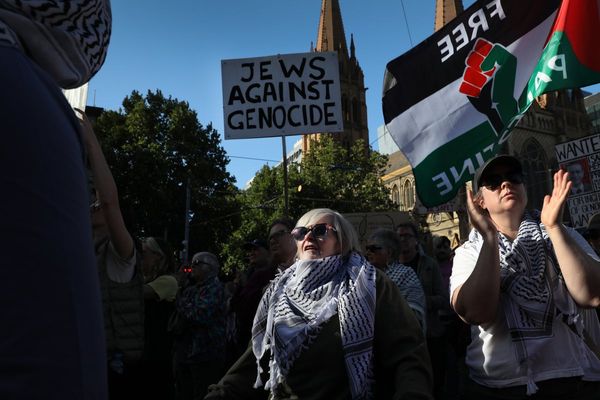
Protesters also resorted to handheld signs during the demonstrations. If you could not look down at your phone for updates, you could look up and find signs that explained where and when to gather next.
But some observers say the role played by social media has been overblown.
"Social media has certainly played a part in the Arab Spring revolutions but its impact is often exaggerated on the inside," said Sultan al-Qassemi, a columnist based in the United Arab Emirates.
Qassemi used Twitter to translate speeches from Arabic into English and provided nearly non-stop updates on the protests sweeping the region. "Egypt was disconnected from the outside world for days and yet the movement never stopped," he said.
While there are conflicting views on the importance of social media during the protests in Egypt, a study showed a major rise in online engagement about Egypt during the uprising.
The week before Hosni Mubarak's resignation, the total rate of tweets about Egypt surged from 2,300 a day to 230,000 around the world.
One unintended consequence of cutting internet access was it may have pushed more people on to the streets, said one analyst.
"The government made a big mistake taking away the option at people’s fingertips," said Professor Mohammed el-Nawawy, from Queens University of Charlotte.