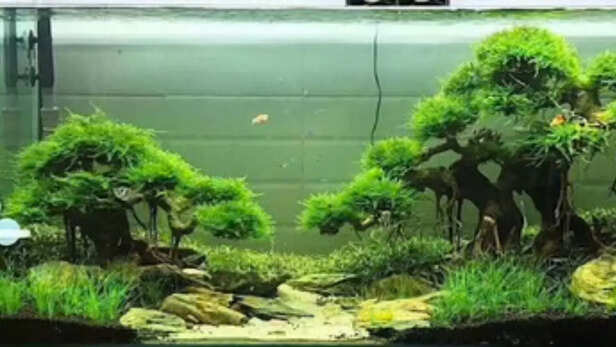
Aquascaping is the process of designing and creating a composition of aquatic plants, rocks, driftwood, and gravel in a fish tank to create a beautiful underwater landscape. It not only creates a healthy environment for the fish but also enhances the charm of the house. It is more than just fish tank decoration, it is the art of designing a harmonious and healthy ecosystem for fish and plants by combining biology and aesthetics. (Photo Credit: Google Images)
Every element in the tank, from plants to hardscapes, fish, and space, is designed to harmonize with each other to create a natural environment.
Choosing the right tank
The size and shape of the tank are critical considerations in aquascaping. Medium to large-sized tanks are preferred for aquascaping, especially for beginners, as they are easier to maintain and offer more scope for creativity. Tanks made of clear glass with less framing are the best, as they do not hinder the view of the aquascape.
There are a number of aquascaping designs to choose from, each with its own unique features. Nature-inspired aquascapes are modeled after natural landscapes such as forests and mountains, while Iwagumi designs emphasize the strategic placement of rocks and simplicity. Dutch aquascapes emphasize dense plant growth and contrasting colors, while jungle aquascapes celebrate a wild and untamed look.
Plant selection and placement
Aquatic plants add life and motion to an aquascape. Beginners can begin with hardy plants that are easy to maintain. Plants are usually grouped according to height, with taller plants placed in the back, medium plants in the middle, and shorter plants or carpet plants in the front. Well-rounded LED aquarium lights ensure adequate lighting without promoting excessive algae development.
Adding fish and stock
Peaceful and small fish like tetras, rasboras, guppies, or shrimp are perfect for planted aquariums. Aquascaping demands regular maintenance. Trimming, cleaning, and water changes ensure the aquarium always looks new and prevents overgrowth.