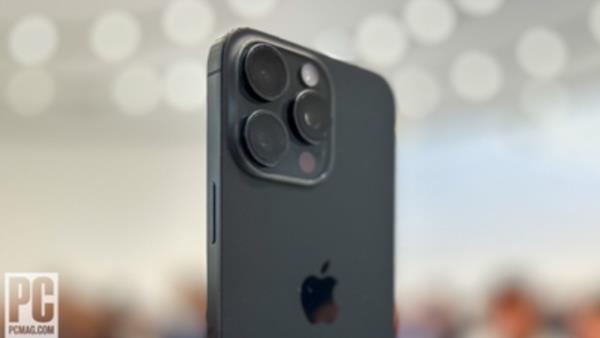
This fall, Apple is set to release the iPhone 16 series, featuring new models with thinner bezels than ever before. A recent report suggests that the upcoming phones will showcase a Border Reduction Structure (BRS) technology, aimed at achieving ultra-thin bezels.
The iPhone 15 Pro already boasts thin bezels, but the iPhone 16 series is expected to take it a step further with even narrower bezels. The BRS technology focuses on creating a borderless display by minimizing the rims at the bottom of the panel, resulting in a reduced bottom bezel while optimizing copper wiring placement.
In the past, smartphones typically had thin bezels on the sides and top edges, with a thicker frame at the base. However, the industry trend towards slimmer bezels has prompted innovations like the BRS technology to address challenges such as heat dissipation.
Notably, Apple's shift towards uniform bezels on all four sides began with the iPhone X, setting it apart from competitors with wider bottom bezels. The upcoming iPhone 16 series is expected to further refine this design, particularly on the bottom edge, with improved heat control mechanisms.
The significance of bezel size may not be immediately apparent, but it plays a crucial role in the overall aesthetics of a smartphone. Thinner bezels can enhance the visual appeal of a device, as seen in comparisons between the iPhone XR and iPhone Xs models.
While many users opt to use protective cases for their phones, the impact of narrow bezels is more pronounced on devices without cases. If the reports are accurate, the iPhone 16 series is likely to offer a visually striking display that extends almost to the edge of the phone.
As the launch date approaches, more leaks and details about the iPhone 16 series are expected to surface, building anticipation for Apple's latest smartphone lineup.