Apple has agreed to pay $250 million (£184 million) to settle a class action lawsuit accusing it of falsely advertising Siri's AI capabilities when it launched the iPhone 16 in late 2024, BBC reported. US buyers who purchased an eligible device could pocket between $25 (£18) and $95 (£70) each, depending on how many people file claims.
The settlement was filed for preliminary court approval on 5 May 2026, with a final hearing set for 17 June. Apple is not admitting any wrongdoing.
What To File For A Claim
The payout covers roughly 36 million devices sold in the US between 10 June 2024 and 29 March 2025. That window captures anyone who bought an iPhone 15 Pro, iPhone 15 Pro Max, or any model in the iPhone 16 lineup, including the standard iPhone 16, iPhone 16e, the Plus, Pro and Pro Max variants.

Each qualifying device carries a base payment of $25 (£18). But class action settlements work on a sliding scale. If fewer people submit claims, the per-device figure climbs. The maximum is $95 (£70).
The $250 million (£184 million) pot also has to cover legal fees and administrative costs, which will eat into the total distributed to claimants. To file, buyers need four things: their device serial number, proof of purchase, phone number and Apple Account information. Apple will send email notices with filing instructions within 45 days of the 5 May approval, according to 9to5Mac.
For context, Apple posted $416 billion (£306 billion) in revenue during its fiscal year ending September 2025. The $250 million settlement represents roughly 0.06 per cent of that annual figure.
How Siri's Broken Promises Led To A $250 Million Bill
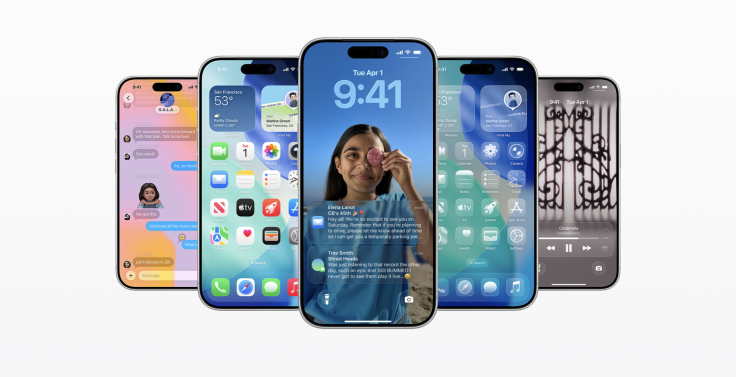
The trouble traces back to Apple's Worldwide Developers Conference in June 2024. On stage, the company unveiled Apple Intelligence and showed off a dramatically upgraded Siri—one that could handle complex in-app tasks, understand personal context and respond with far greater sophistication than the current version.
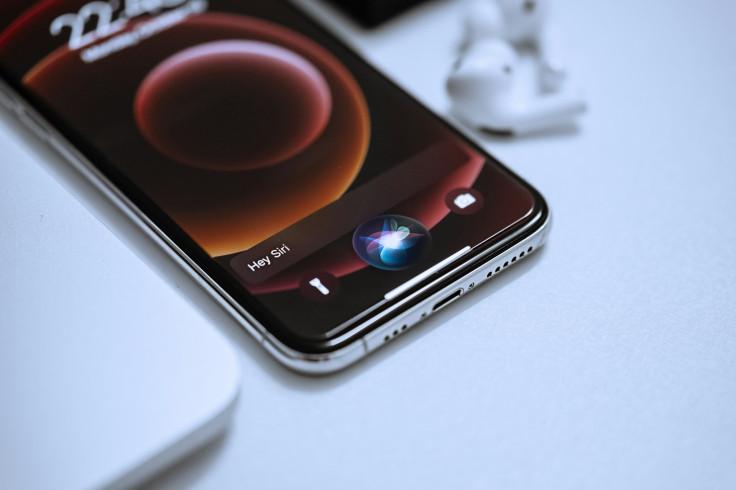
Those capabilities featured heavily in television adverts and online campaigns that ran through the iPhone 16 launch window in September 2024. Buyers had every reason to expect the features would ship with their new handsets.
They didn't. By March 2025, Apple confirmed the personalised Siri overhaul would take significantly longer than planned, AppleInsider noted. A class action landed weeks later.
Plaintiffs alleged Apple had promoted features that 'did not exist at the time, do not exist now, and will not exist for two or more years.' The suit claimed Apple's marketing blitz 'saturated the internet, television, and other airwaves' to create a false expectation that the tools would work from day one.
An initial settlement agreement was struck in December 2025, but the full financial terms only surfaced this week. In a statement, Apple said it had rolled out 'dozens of features across many languages' under the Apple Intelligence banner since launch, citing Visual Intelligence, Live Translation and Writing Tools. The company called the settlement a way to 'stay focused on doing what we do best.'
The upgraded Siri assistant remains unavailable. Apple is expected to finally deliver it with iOS 27, which should be previewed at WWDC on 8 June 2026.
Apple's Siri Legal Headaches Are Far From Over
Settling the consumer case does not wipe Apple's slate clean. A separate class action brought by South Korea's National Pension Service alleges the company's misleading AI claims triggered significant shareholder losses. Apple moved to have that case dismissed in February 2026, describing the plaintiff's argument as 'a massive and unsupported leap,' according to court filings cited by AppleInsider. The court has not yet ruled.
For eligible iPhone owners, the practical next step is simple. Locate your device serial number and keep an eye on your inbox over the coming weeks. The fewer claimants who file, the higher the per-device payout. Apple has not yet set a final deadline for submissions.