
In a move that could reshape how companies operate in the digital age, Apple has unveiled a major update aimed at making its ecosystem far more accessible to businesses. For years, Apple’s tools were powerful but often fragmented- spread across different services and requiring technical expertise. Now, with the introduction of a unified platform, the company is simplifying everything, bringing device management, communication and customer engagement into one seamless system.
Apple Business: A New All-in-One Platform

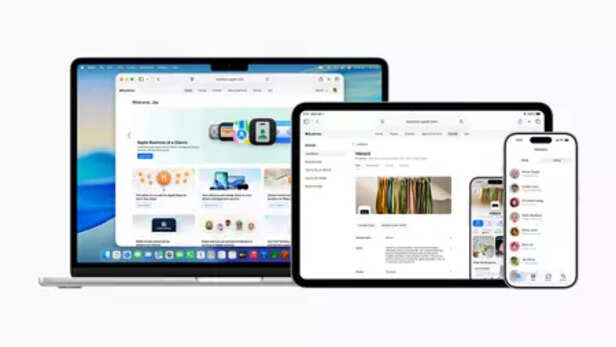
At the heart of this transformation is a new platform called Apple Business, designed to bring together everything a company needs to run and grow. Instead of juggling multiple services, businesses can now manage devices, set up communication tools and handle operations from a single interface.
The platform combines features like mobile device management, business email, calendar services and directory tools- while also allowing companies to use their own custom domain names. This means businesses can create a more professional and unified identity while keeping everything integrated within Apple’s ecosystem. More importantly, Apple is positioning this as a solution not just for large enterprises, but also for small businesses that may not have dedicated IT teams.
How It Works: Simpler, Smarter, More Automated

What makes Apple Business stand out is how it simplifies complex processes. The platform includes built-in mobile device management (MDM), allowing companies to configure devices, manage security settings, and organise employees into groups- all from one place.
A key feature is something Apple calls “Blueprints,” which lets businesses pre-configure devices with apps, settings and security policies. This enables zero-touch deployment- meaning employees can receive a new device that’s ready to use straight out of the box.
It also introduces Managed Apple Accounts, which keep personal and work data separate through secure systems, ensuring privacy while maintaining organisational control. Integration with services like Google Workspace and Microsoft identity systems further makes onboarding seamless.
Apple Maps Ads: A New Way to Reach Customers
One of the most significant additions is how Apple is helping businesses connect with customers. With Apple Business, companies can manage how they appear across Apple services like Maps, Wallet, Mail, and Siri. But the bigger shift is coming soon: Apple will introduce ads in Apple Maps, allowing businesses to promote themselves during search and discovery moments. These ads will appear prominently when users look for places or services, giving companies a powerful new way to attract local customers. This marks Apple’s deeper entry into digital advertising- while still maintaining its privacy-focused approach, where user data remains on-device and isn’t broadly shared.
Price, Availability, and What It Means
Apple Business will officially launch on April 14, 2026, and will be available in more than 200 countries and regions, making it a truly global rollout.
One of the most notable aspects is pricing. Core features like device management- previously part of paid services- are now being made free or significantly simplified, especially for small businesses. Additional services, such as iCloud storage, will be optional, starting at $0.99 per user per month, while AppleCare+ for Business support begins at $6.99 per month per device.
This pricing strategy lowers the barrier for entry, making Apple’s ecosystem more accessible than ever before.
Unlock insightful tips and inspiration on personal growth, productivity, and well-being. Stay motivated and updated with the latest at My Life XP.