
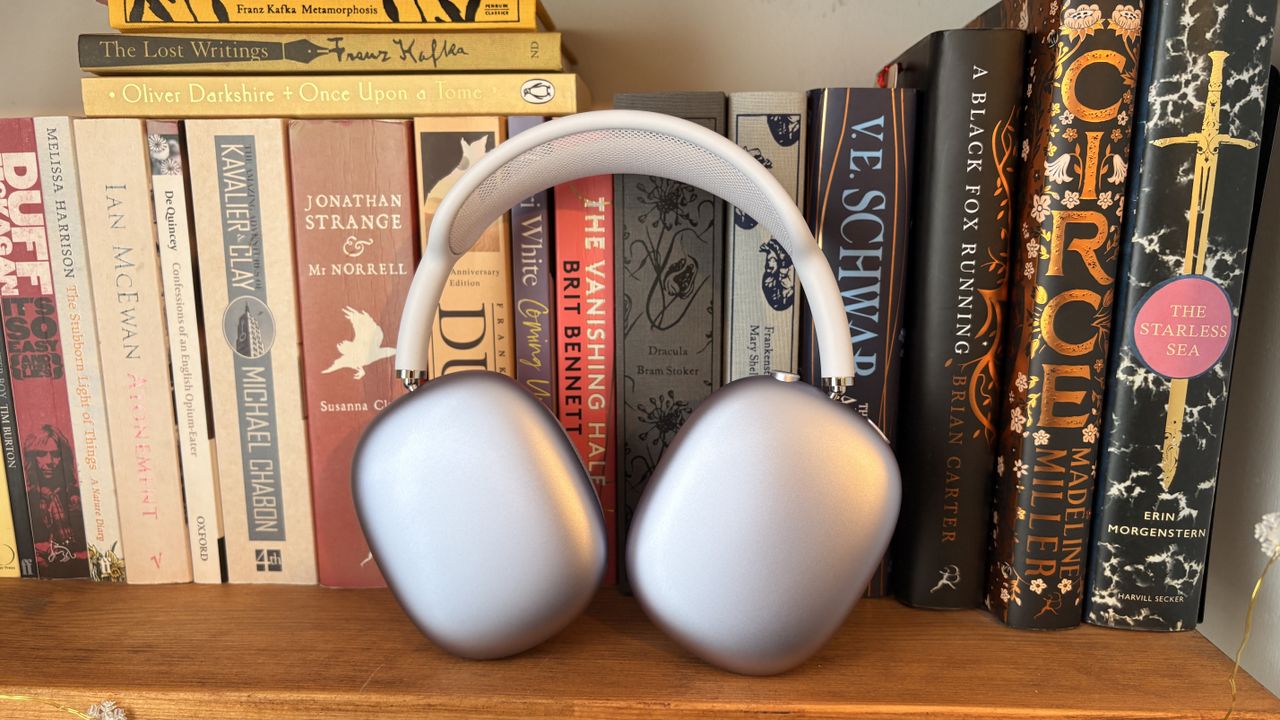
Apple Music had a seismic effect on the streaming landscape in 2021, when it introduced hi-res audio at no extra charge. Rivals like Amazon Music Unlimited, Tidal and – eventually – Spotify followed suit, making hi-res lossless audio the standard rather than a premium add-on.
Of course, Apple Music also offers Dolby Atmos-powered Spatial Audio for immersive audio playback. If you've got certain AirPods or Beats buds and a recent iPhone or iPad, you can get Apple's top-tier spatial audio with dynamic head-tracking.
But now for the bad news. Most of Apple's headphones don't support lossless audio. It's only the AirPods Max and AirPods Max 2 that do support it, and then only over the wired USB-C connection. (Apple introduced this feature in 2025.)
That's not the only disappointment. Because while other Apple devices do support lossless, they don't necessarily support the highest quality of lossless that Apple Music offers.
Confused? We don't blame you. But don't worry, we'll explain all so you can make sure you're getting the best possible sound quality from your Apple products, or ensure you're clued up before you make any key purchasing decisions.
So let's take a look at which devices can benefit from Apple's hi-res audio, which don't, and why.
What is Apple Music Lossless?
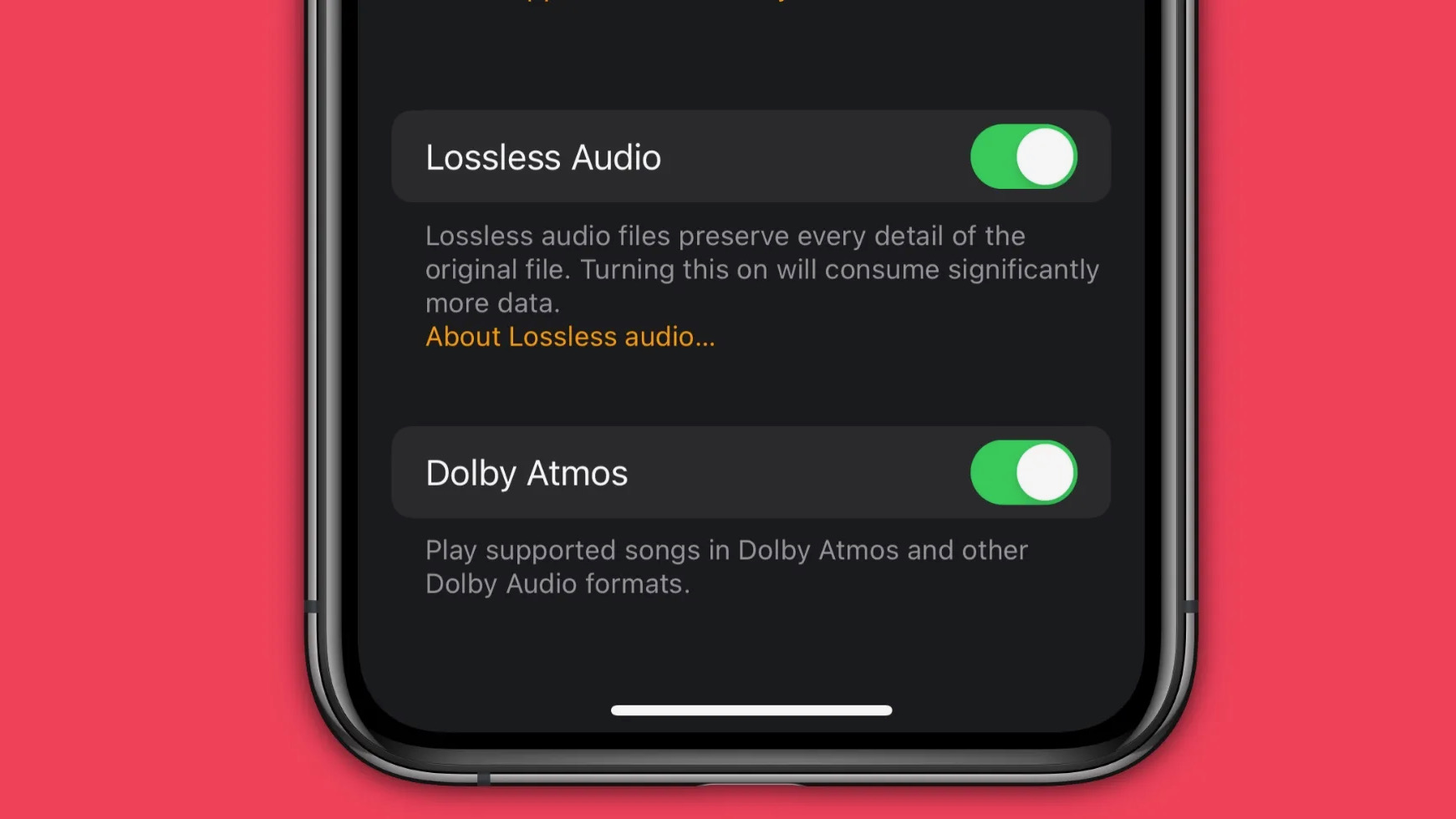
Essentially, it's Apple embracing hi-res audio. Apple's lossless streams use ALAC (Apple Lossless Audio Codec) to offer more detail and information in a recording.
Apple offers three tiers of higher resolution audio: CD quality (16-bit/44.1kHz), Apple Music Lossless (up to 24-bit/48kHz), and Hi-Res Lossless (up to 24-bit/192kHz). You can choose your quality through your iPhone's Settings > Music > Audio Quality section of Apple Music.
All of Apple Music's 100-million+ music catalogue is now available in all three qualities (CD quality, Apple Music Lossless and Hi-Res Lossless). Apple Music Classical (a separate app for classical music that sits alongside your main Apple Music subscription) also features Lossless and Spatial Audio tracks.
Apple Music isn't the first service to offer lossless or hi-res streaming, of course. Tidal, Qobuz and Amazon Music HD all offer CD-quality and 24-bit hi-res listening, while Deezer offers a lossless tier. Spotify Lossless finally joined the gang in 2025, a mere eight years after first being mentioned.
What is Apple Spatial Audio?

Another cornerstone of Apple Music is Spatial Audio, which is designed to provide "multidimensional sound and clarity" delivering surround sound and 3D audio via your headphones (and other devices).
Spatial Audio was initially launched as part of iOS 14 and iPadOS 14, and the newer Spatial Audio with Dolby Atmos feature for Apple Music arrived as part of the iOS 14.6 and iPadOS 14.6 updates in 2021.
This takes 5.1, 7.1 and Dolby Atmos signals (as well as stereo music) and applies directional audio filters, adjusting the frequencies that each ear hears so that sounds can be placed virtually anywhere in 3D space. With headphones, sounds will appear to be coming from in front of you, from the sides, the rear and even above. The idea is to recreate the immersive experience of a cinema.
But that's not all. Apple’s spatial audio also offers dynamic head-tracking, which tracks your head movement using accelerometers and gyroscopes in specific AirPods and Beats models, in order to position the sound accurately. This means that even if you turn your head or reposition your device, the music will still be anchored to the screen. "Thousands" of Apple Music tracks were available in Spatial Audio with Dolby Atmos at launch, with more being added regularly.
There is also now a Personalised Spatial Audio element to this, which uses your iPhone's TrueDepth camera to capture video of your ears and head shape, thereby tailoring the effect of spatial audio with dynamic head-tracking to you.
Which devices work with Apple Music Lossless?
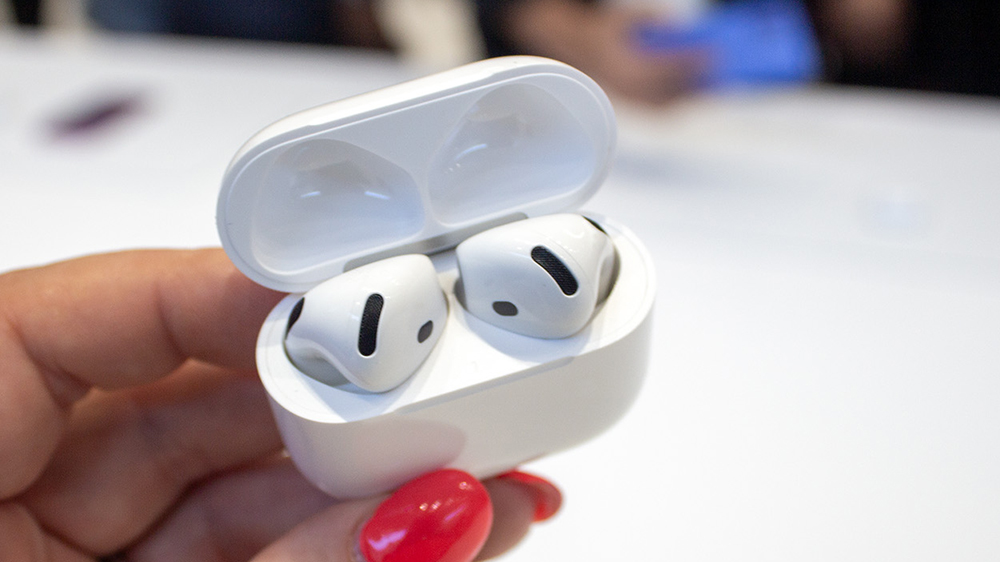
The big news is that no model of AirPods earbuds support lossless audio. This means that even if you're buying the current flagship AirPods Pro 3, there's no way you can listen to your library of lossless Apple Music songs in any lossless or hi-res format.
But the good news is that the AirPods Max (2024) and AirPods Max 2 do support lossless, albeit only wired through their USB-C cable.
The AirPods earbuds are completely wireless and Apple only supports the lossy AAC (rather than ALAC) codec over Bluetooth. AAC might be a step up from MP3, but nowhere near the quality of lossless. Any ALAC files streamed wirelessly over Bluetooth will be compressed and hence lose the extra detail that makes them lossless in the first place.
And considering Apple doesn't support the higher-quality Qualcomm aptX (and its many variants like aptX Adaptive) or the Sony-developed LDAC codec (which offers the highest lossless data speeds), we're left wondering why Apple has left such an obvious disconnect between its software and hardware.
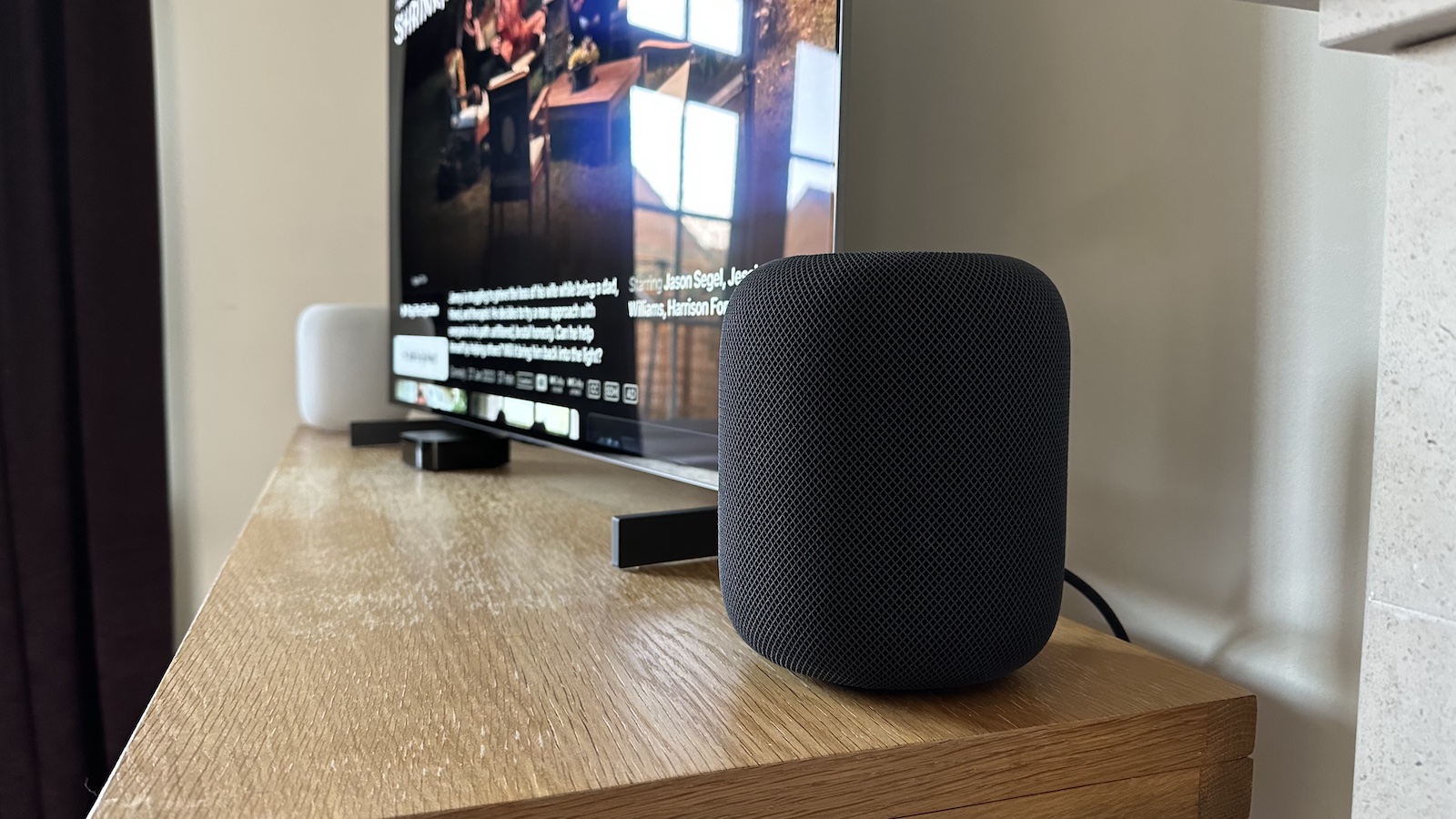
In better news, Apple's HomePod range of smart speakers do support lossless – that's the HomePod 2 and HomePod Mini, and the now-discontinued HomePod (2018). It's worth noting that they only support lossless up to 24-bit/48kHz (not full Hi-Res Lossless).
Apple's current iPhones (ever since the iPhone 7) natively support lossless – but again, only up to Apple Music Lossless, and not the highest quality Hi-Res Lossless (which delivers up to 24-bit/192kHz). But even here there's a caveat: iPhones are physically capable of playing up to 24-bit/48kHz only.
If you want to listen to Apple Music tracks above 24-bit/48kHz on your iPhone, you'll need to connect an external DAC and use a wired pair of headphones (not wireless). Check out our guide for how to listen to hi-res audio on an iPhone for more information.
The same is true of the Apple TV and iPad families, which are listed as supporting Apple Lossless, but with no mention of Hi-Res Lossless.
Which devices support Spatial Audio?
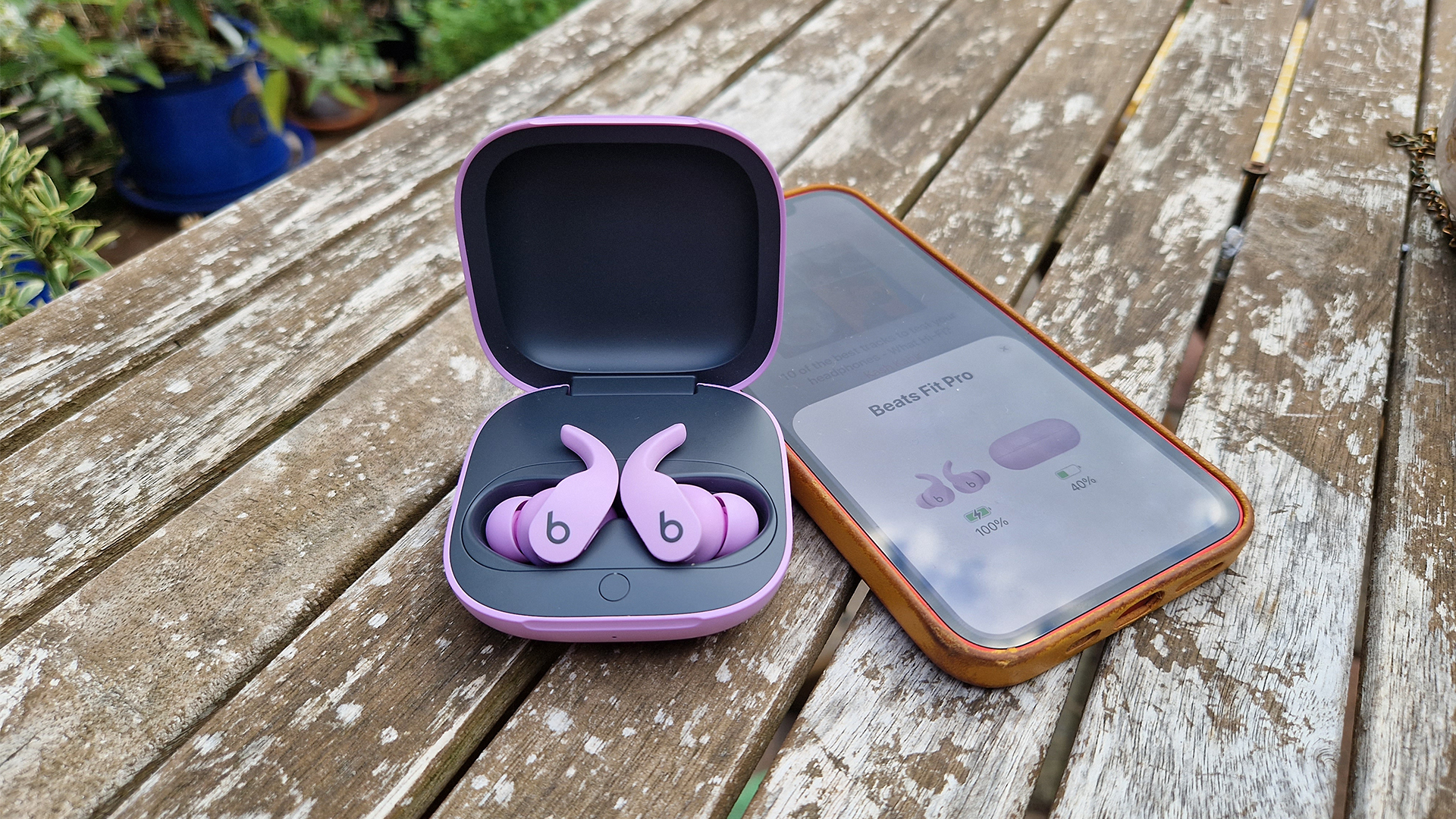
Apple devices are much better represented when it comes to Spatial Audio through Apple Music.
In fact, Spatial Audio is available on all AirPods and Beats headphones with an H1 or W1 chip. That includes the following AirPods models: AirPods (2019), AirPods 3 (2021), AirPods 4, AirPods 4 with ANC, AirPods Pro (1st gen), AirPods Pro 2, AirPods Pro 3, AirPods Max (2020), AirPods Max (2024) and AirPods Max 2 (2026).
Current Beats models that support the feature include the Beats Fit Pro, Powerbeats Pro, Beats Flex, Beats Solo 4, Beats Solo Buds, Beats Studio Buds+ and Beats Studio Pro.
Furthermore, those with the more powerful H2 chip will get the additional dynamic headtracking feature. These models include all models of AirPods Max and AirPods Pro, AirPods 4, AirPods 4 with ANC, AirPods 3 and Beats Fit Pro, Solo 4 and Studio Pro. These same models also support the newer Personalised Spatial Audio feature using an iPhone (with iOS 16 and the TrueDepth camera).
You don't have to line Apple's pockets to hear Dolby Atmos tracks, either. The 'regular' Spatial Audio also works on any headphones connected to an iPhone, iPad or Android device, provided said Android device is compatible with Dolby Atmos and as long as you enable Dolby Atmos manually.
To do so on your iOS device, head to Settings on your iPhone or iPad and then to Music to find the Dolby Atmos option. This will be set to Automatic by default, which means Dolby Atmos tracks will play correctly when you're listening via any W1- or H1/H2-enabled pair of Apple or Beats headphones, but not when you're using third-party headphones. However, if you switch this option to Always On, even non-Apple headphones will play back Dolby Atmos tracks in all their sonic glory.
Note that this only applies to Dolby Atmos Spatial Audio tracks on Apple Music, and not Spatial Audio content from other apps like TV. (Remember, Spatial Audio in the TV app is a slightly different beast in that it also utilises the sensors in Apple's own headphones to enable head-tracking.)
The HomePod 2, original HomePod and HomePod Mini also support Spatial Audio with Dolby Atmos, so you can fill your room with virtual 3D sound from a wireless speaker in solo and stereo mode. We said in our HomePod 2 review: "A stereo pair of HomePods is particularly beneficial with Dolby Atmos tracks, which sound even more open and three-dimensional, with very impressive spatial placement of voices and instruments."
Various models of iPhones and iPads support Spatial Audio with Dolby Atmos (see the full compatible iOS products list in our dedicated Apple Spatial Audio explainer), and playing from either the Apple TV 4K (or older model) into a Dolby Atmos soundbar or system will work, too.
What's next?
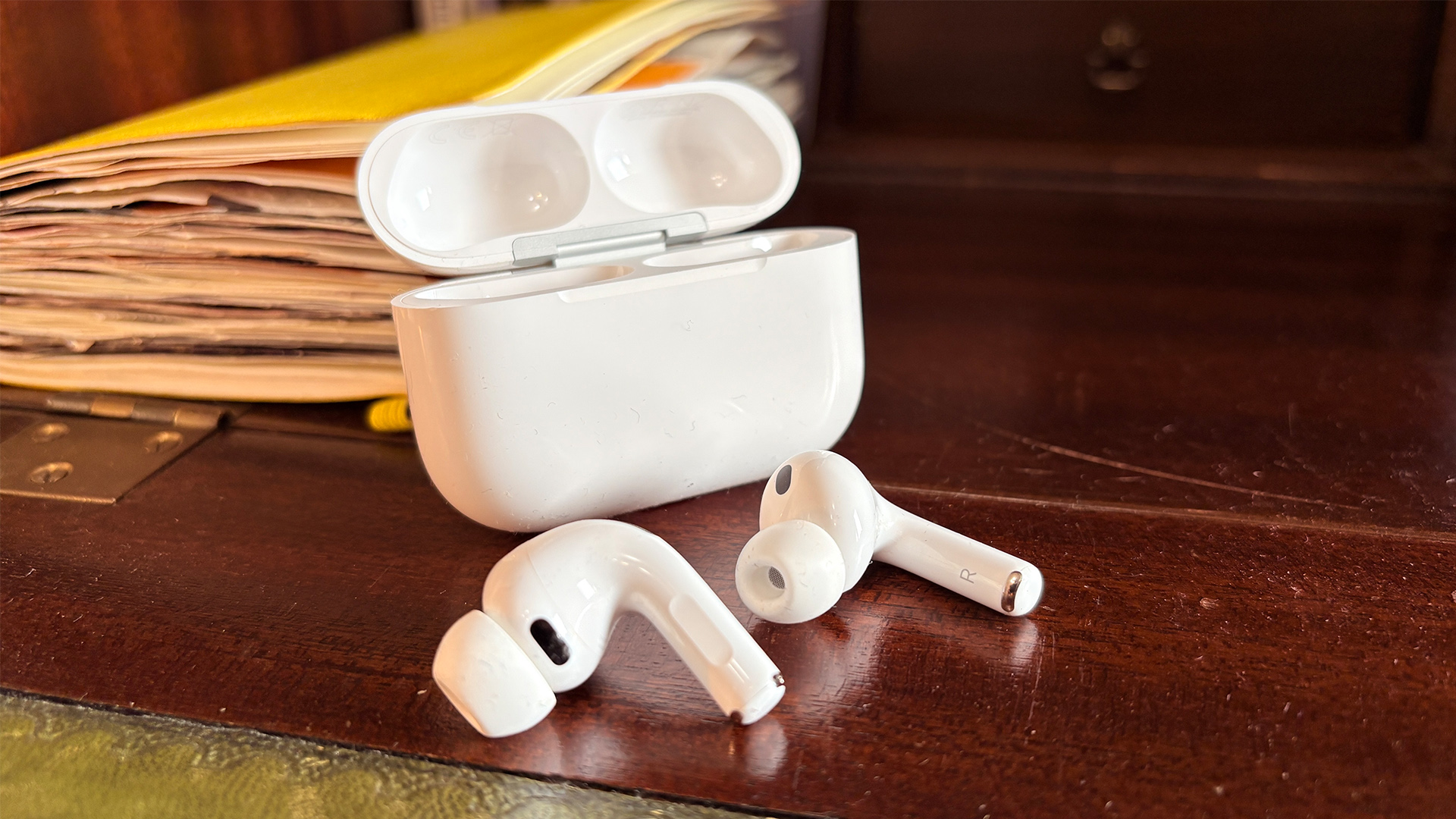
When we posed the question to Apple's AirPods acoustic team about not being able to listen to Apple Music Lossless quality using AirPods, we were told: “It is important to understand that we can still make big strides without changing the codec. And the codec choice we have there today, it's more about reliability. So it's about making something robust in all environments.
“We want to push the sound quality forward, and we can do that with a lot of other elements. We don't think that the codec currently is the limitation of audio quality on Bluetooth products.”
It's an intriguing statement. Many brands (Samsung, Sony, Huawei) are making new strides with higher-quality codecs in their latest wireless earbuds, and we wonder if a higher-res codec (or similar) will ever be on the cards for Apple’s headphones range in the future.
Then again, maybe not. The vice president of Apple Music recently said that most people can't tell the difference between standard and lossless audio, which shows just how little Apple values hi-res sound quality. Instead, it's backing the Spatial Audio horse as a genuinely new format, but we haven't found it anywhere near as compelling as a higher quality stereo mix.
Meanwhile, other audio companies continue apace. In 2025, Xiaomi launched the world's first pair of wi-fi earbuds, but because they use Qualcomm's S7 Pro Gen 1 chipset, they don't work with Apple devices. We would wager that Apple is working on its own version of the tech, however, to bring greater range, higher bandwidth and greater power efficiency to AirPods. We'll just have to wait and see...
While hi-res/lossless hasn't been a priority for AirPods or most Apple hardware so far (hearing health capabilities are higher up the list) who knows what the brand might spring upon us in a future update. Spatial audio, however, is here to stay and is ever-present across many wireless earbuds today.
MORE:
Read our AirPods Pro 3 review
And our AirPods Max 2 review
I spoke to Apple to find out the secret behind the AirPods Pro 2’s audio success
12 of the best Dolby Atmos tracks on Tidal, Amazon and Apple Music (and 5 to avoid)