
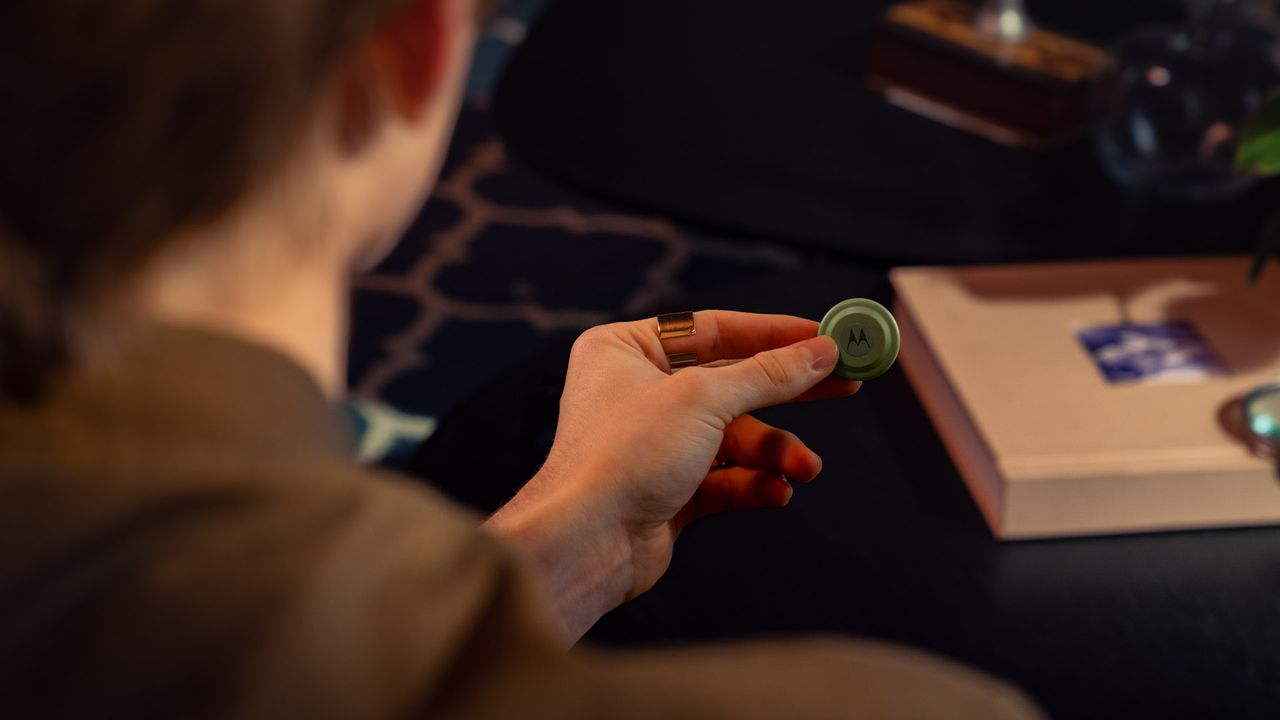
Motorola is expected to launch a second-gen Moto Tag, improving on some elements of the original version.
The Bluetooth tracker works with Google's Find Hub, offers UWB, and works with AirTag accessories.
Motorola could be about to announce its next version of the Moto Tag, imaginatively called the Moto Tag 2. It's thought that this device is designed to improve on the shortcomings of the original to provide a better Android rival to the Apple AirTag.
The new device – courtesy of Android Headlines – is expected to offer the same functionality of the original, with Find My Device-compatible Bluetooth tracking and precision finding using ultra-wideband tech.
It has an IPX8 rating, uses a replaceable battery that lasts for a year, and is compatible with many AirTag accessories because it's the same size.
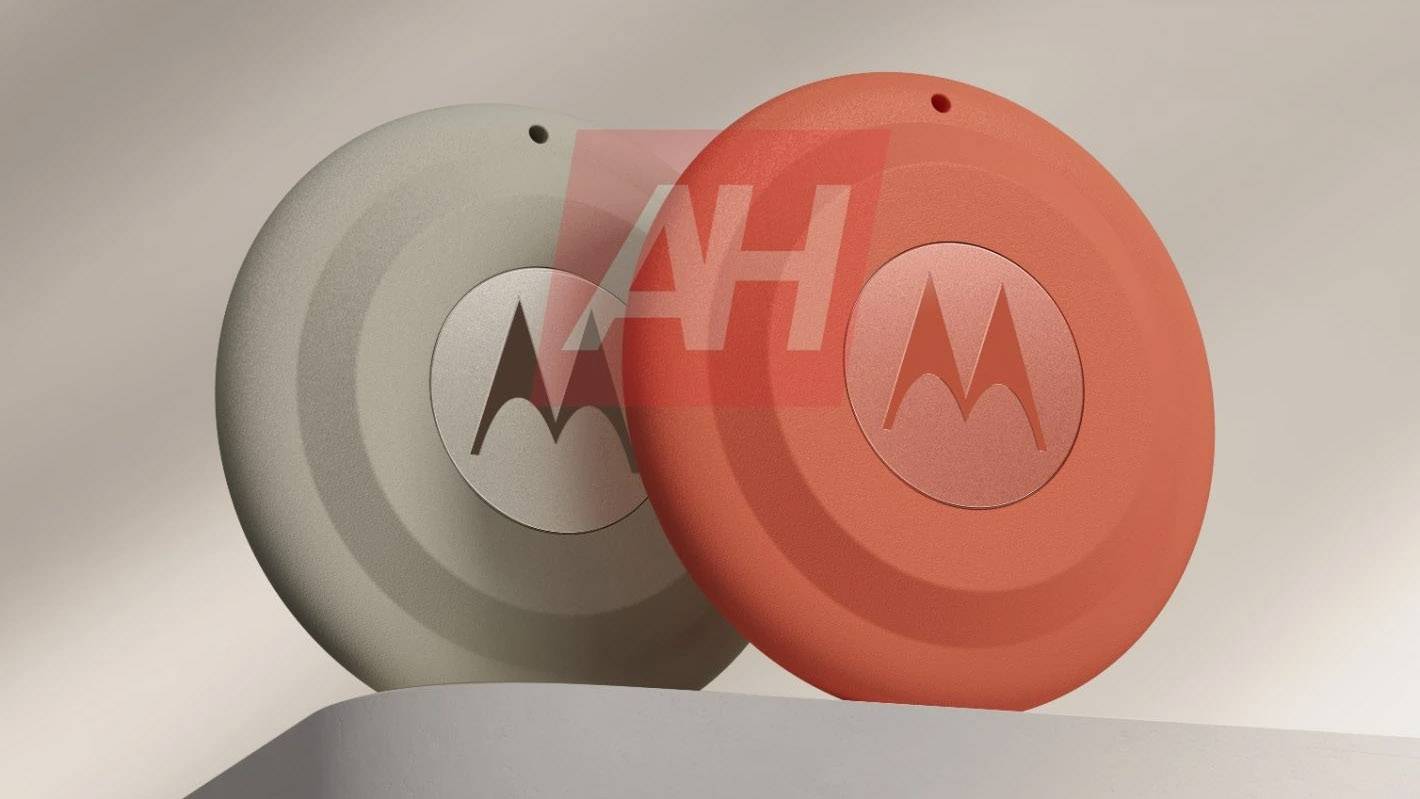
The new Moto Tag 2 is pictured in green and orange colours, although Motorola is likely to use more exotic names for this – the predecessor is available in Jade Green and Starlight Blue, for example.
The only other thing we've been told for now is that there's a distinct hole at the top, which might be for a keyring, while it's expected that it will address some of the criticisms of the first device. That should include improvements for the low speaker volume and awkward battery cover.
It's expected that it will launch at the same price to replace the existing model – £29.99 / $29.99 – but it's not certain when. I'd expect an early 2026 launch alongside other Motorola devices.
For many years Bluetooth tracking was dominated by one brand. No, it wasn't Apple, it was Tile. Originally launched in 2014 – and now part of Life 360 – Tile enjoyed dominance until Apple launched the AirTag in 2021.
Tile's disadvantage was (and still is) that it is limited to its own network. Even though this spans millions of users, it can't compete with the size of Apple's network thanks to wide proliferation of iPhone. That the AirTag is limited to Apple's network doesn't really matter, because it's so huge.
But as large as Apple is, it's dwarfed by the potential of Google's Find My Device network, with Android taking about 70% of market share for mobile devices, while Apple has just under 30%, according to StatCounter. Admittedly, Android has a lot of older and lower spec devices in circulation that might not be as effective at finding as the iPhone.
It was Google unlocking the Find My Device network in 2024 that really provided the competition to Apple's Find My and the AirTag, and it's this network that the Moto Tag uses. The Moto Tag also has a small bonus: the button can be used as a remote trigger for Android devices to help you get that perfect selfie.