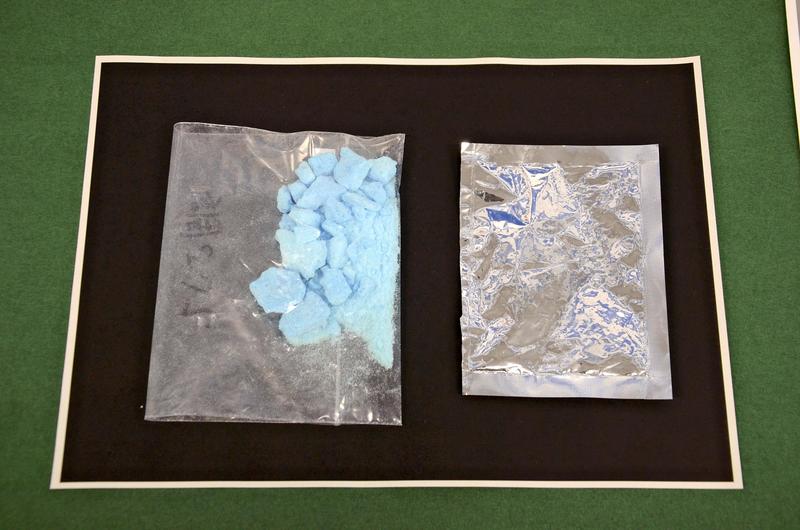
Multiple career bureaucrats who work in the Kasumigaseki district of Tokyo have been arrested recently for allegedly using or possessing stimulants or marijuana.
Some suspects reportedly even used drugs inside the government building during work hours.
While they cited factors such as stress at work as their motivation for using drugs, some have suggested that the morals of bureaucrats, who are expected to have a high ethical standard, are slipping.
"I was having trouble at work and started using without thinking," Tetsuya Nishida, 28, a former career bureaucrat at the Economy, Trade and Industry Ministry, reportedly told the Metropolitan Police Department after being arrested in April for allegedly violating special laws concerning narcotics.
Nishida is suspected of having smuggled stimulants into Japan from the United States via international mail. He has been indicted for violating the Stimulants Control Law and other laws, and was fired for bad conduct.
Nishida entered the ministry in 2013 after graduating from the University of Tokyo, according to investigative sources. Assigned to the Natural Resources and Energy Agency, Nishida was praised by colleagues for his serious attitude toward work.
Two years later, he was transferred to the Automobile Division of the Manufacturing Industries Bureau, a "star section" at the ministry. It was then that he reportedly began to wonder, "Can I really handle this job?"
He became depressed and was prescribed psychotropic medication at a hospital. He gradually needed stronger drugs. He searched online and in February allegedly bought stimulants for the first time from a street dealer in the Ikebukuro district of Tokyo.
After his arrest, six syringes were found in his desk at the ministry. "I used stimulants in toilets and empty meeting rooms at the office," he reportedly told the police. Neither his superiors nor his colleagues noticed anything unusual.
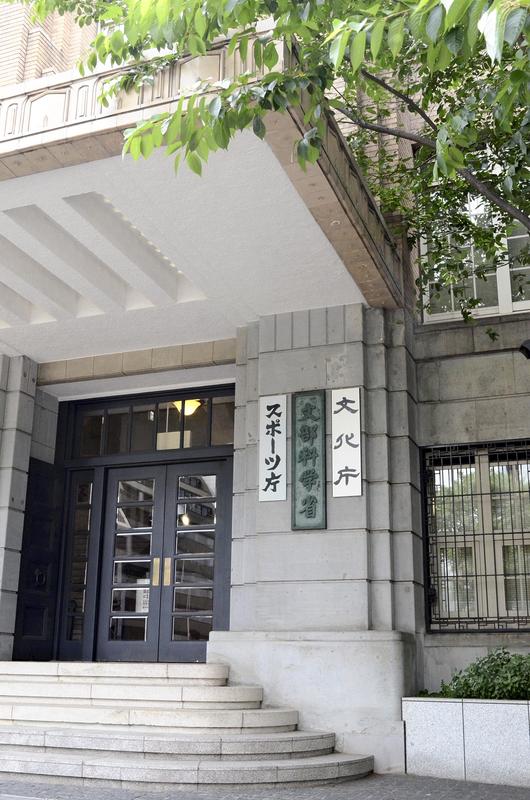
On May 28, about a month after Nishida's arrest, Mitsuhiro Fukuzawa, 44, a career bureaucrat at the Education, Culture, Sports, Science and Technology Ministry, was arrested for allegedly possessing stimulants and marijuana. The arrest was made by the Kanto-Shinetsu Regional Bureau of Health and Welfare's Narcotics Control Department, which is under the Health, Labor and Welfare Ministry.
Fukuzawa was hired in 2001. Colleagues said they would sometimes see him working until around 3 a.m. However, he was also known for not coming to work in the morning because he was not feeling well.
Syringes were also found in Fukuzawa's desk and he is thought to have used stimulants at the office.
Both Nishida and Fukuzawa allegedly used the internet to purchase drugs, among other means. "It's become easy to obtain illegal drugs through social networking services," an investigative source said.
Demanding, stressful work
"You have to explain things to a lot of people to decide a single matter and you absolutely can't make mistakes on official documents. It's incredibly nerve-wracking," said a career bureaucrat in their 20s with the Land, Infrastructure, Transport and Tourism Ministry.
Civil servants often work until early hours dealing with Diet business. They sometimes return home on the first train for a quick sleep before coming back to the office.
Bureaucrats have a strong sense of purpose, yet many quit or take leaves of absence due to psychological stress.
According to the National Personnel Authority, 1.94 percent of all national civil servants were absent from work due to disease or other reasons in fiscal 2016. Out of these 5,326 workers, 3,487, or 65.5 percent of the total, did so for "psychological or behavioral disorders."
"Bureaucrats are required to have a high sense of ethics and responsibility, yet they do not receive the respect from society that they used to. It can't be denied that there has been a decline in morals. It's important to have programs that create an open atmosphere, such as transferring people to jobs that match their skills," said Hajime Ota, professor of organizational theory at Doshisha University.
Read more from The Japan News at https://japannews.yomiuri.co.jp/