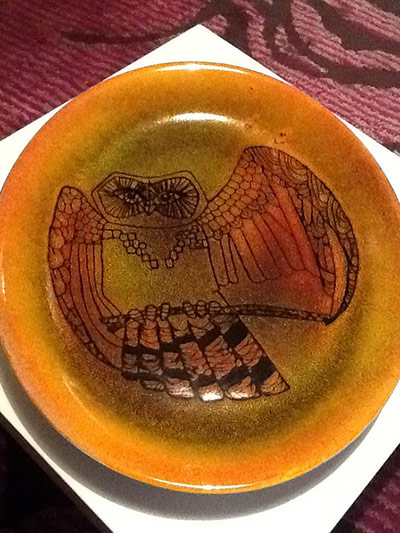
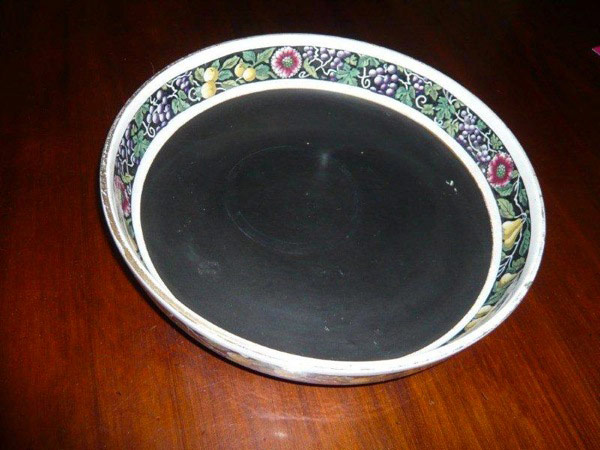
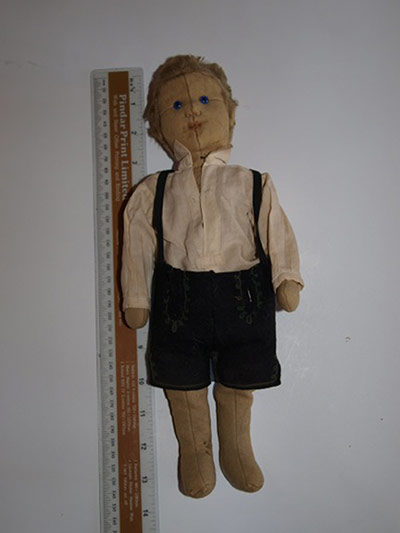
Item one: a Poole Pottery Aegean charger, sent in by Ms B Cooke. Poole Pottery produced decorative wares at its quayside pottery throughout the 1900s. Sadly, the site has now been developed into flats and shops. The pottery kept pace with fashions including Art Nouveau in the early 1900s and Art Deco in the 1920s and 30s when it made some very stylish pieces, including tiles which adorned the ocean liners of the period. During the 1950s and 60s, studio pieces were produced and later lines were introduced under the names Aegean and Delphis. Both these ranges were popular and your charger is typical of the Aegean colouring. The owl was a popular motif. Value: £40-£60 (if the plate is approx 30cm wide) Photograph: B CookeItem two: Mintons Epping Fruit pattern pottery bowl, sent in by Joselyn Morton. Mintons has made good quality ceramics since the late-18th century, and this dates from circa-1870s. The decoration appears to be printed and then over-painted by hand. It is sadly not particularly collectable at the moment. Value: £30-£50 Photograph: Joselyn MortonItem three: a stitched cloth doll, sent in by Stephen Lubell. This doll is said to have belonged to a Titanic survivor and is likely to be a Steiff as opposed to a Lenci or Kathe Krise (Lenci didn’t start making dolls until the 1920s which is too late). It is not in the best of condition, which will affect value. Sadly, the story regarding the Titanic does not add any value as there is no evidence to substantiate it (even a photograph would help). Dolls became very collectable during the 1960s, but in recent years values have fallen. However, the fashion for vintage style is pushing up the prices of cloth dolls specifically, albeit fairly slowly. Value: £80-£120 Photograph: Stephen Lubell
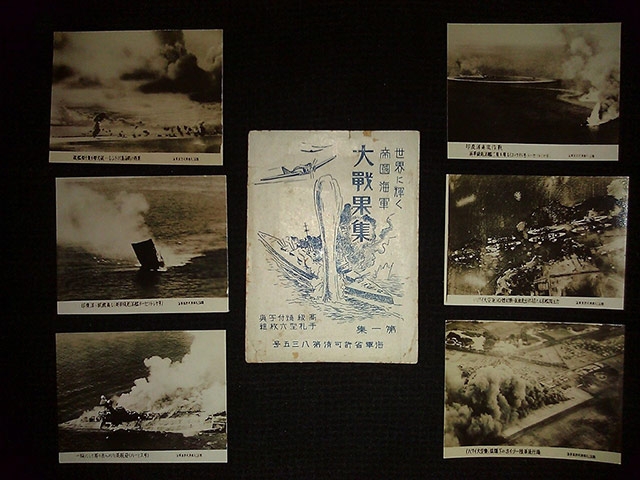
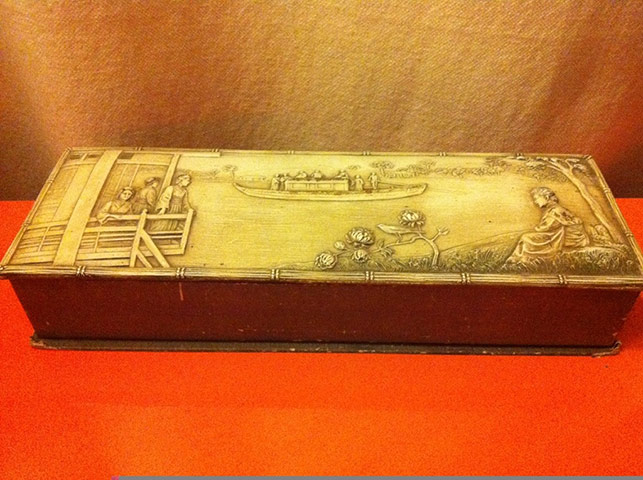
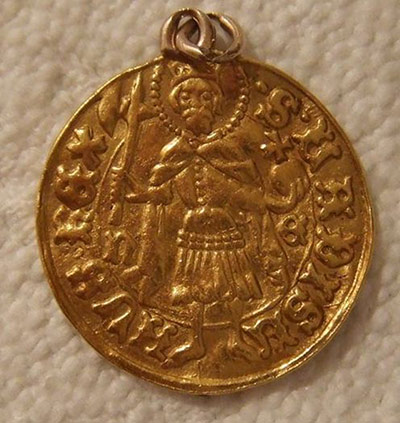
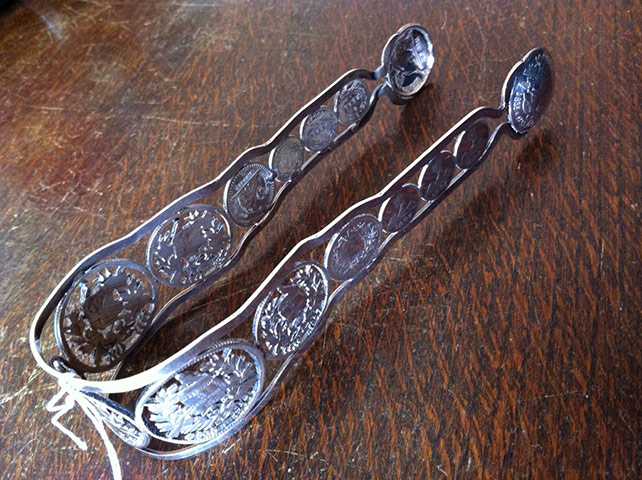
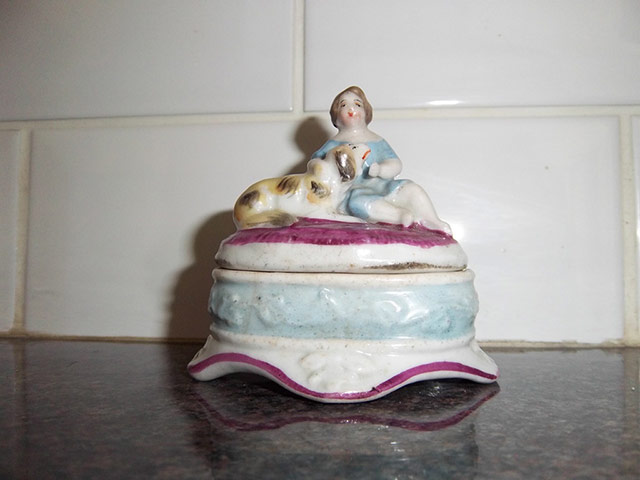
Item four: six Japanese propaganda postcards and wallet, sent in by David Ireland. Postcards occupy a unusual market in some respects, and apart from the historic interest to marine collectors there is the rarity of the cards themselves – it might be a set that stirs a lot of interest. These date from about 1940, and are interesting WWII Japanese propaganda. Value: £100-£150Photograph: David IrelandItem five: an Oriental-style rectangular box, sent in by Rob Coles. The body of the box is made of pressed card and is marked on the base with the word Germany so this would appear to be a European replica of an oriental box. The lid, which features a Japanese-style river and architectural figured scene, is probably a moulded or pressed ivory simulate – it doesn’t look like bone. This was made in the late-19th century. Value: £70-£100 Photograph: Rob ColesItem six: a Hungarian goldgulden, sent in by Barry OMeara. The coin dates from the reign of Matthias Corvinus (1458-1490), and is from the Nagybánya mint. It features St Ladislaus holding an axe and orb, with a Gothic “n” to his right. It is in fine condition, but a ring mount has been added at the top which reduces its value considerably. Nagybánya is now Baia Mare in Romania. Value: £140-£180 Photograph: Barry OMearaItem seven: a Guatemalan silver souvenir pair of sugar tongs, sent in by Jo Bevan. These date from the late-19th century and are formed from 1/4, 1/2, 1 and 2 denomination coins within a wire-work frame. The two larger denominations are fret pierced around the laurel branches and central banner, and the bowls are real dished half coins. Despite what the owner thought, they have nothing to do with French Napoleonic prisoners of war, who would have been incarcerated 80 or so years before they were made. These tongs have been produced in Guatemala as a novelty or souvenir in the late 1890s and show the skill of the craftsman in highlighting the detail on the larger coins by cutting out the background. Value: £40-£60 Photograph: Jo BevanItem eight: a continental porcelain trinket box and cover, sent in by Martin Hedges. This dates from the late-19th century. Its base is moulded with scrolls and the lid shows a child and his dog. It belongs to a group of wares known as fairings and was probably made in Germany. The decoration is hand painted although the overall quality is not fine. There appears to be a hair crack to the base, which means its value at auction would be modest. Value: £10-£20 Photograph: Martin Hedges
Sign up to read this article
Read news from 100’s of titles, curated specifically for you.