An anti-malaria drug that has been trumpeted as a therapy for COVID-19 was unable in a University of Minnesota clinical trial to prevent the onset of the infectious disease.
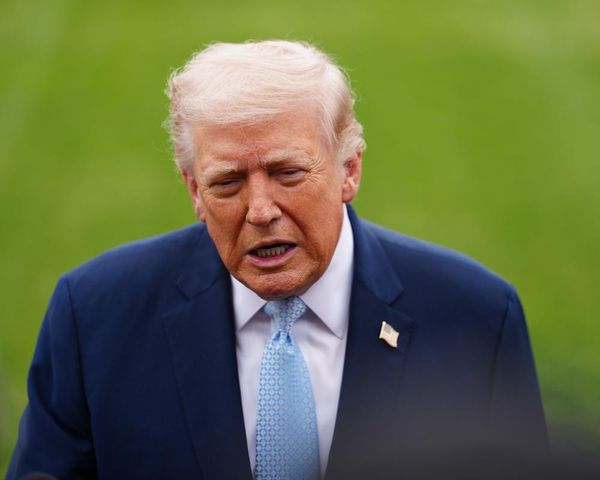
The results of the nation's first randomized trial with the drug, hydroxychloroquine, against COVID-19 will disappoint doctors who had hoped for new therapies against the pandemic. Many prescribers had given it off-label to COVID-19 patients _ in the absence of other options _ and President Donald Trump had been an early champion of the drug and disclosed in mid-May that he was taking it for the preventive benefit that the university study could not verify.
"While we are disappointed that this did not prevent COVID-19, we are pleased that we were able to provide a conclusive answer," said Dr. David Boulware, the leader of the University of Minnesota trial. "Our objective was to find an answer."
Results, published Wednesday in the New England Journal of Medicine, showed little difference in the onset of COVID-19 in 414 people who took hydroxychloroquine and a comparison group of 407 that took only vitamins. All participants had at least moderate risk for COVID-19 due to being exposed to others in their homes or workplaces who had the illness.
There was a small difference, as only 11.8% of people taking the drug developed COVID-19, compared to 14.3% of those taking vitamins, the study showed. However, that difference was considered statistically insignificant.
Even if valid, the small difference means that 42 people would have to take the drug prophylactically to prevent one COVID-19 case. That would be costly and expose people to drug side effects. The study showed that 40% experienced mild side effects such as nausea, but it also allayed fears that widespread use of the drug could result in more severe cardiac and other complications.
The study only provides evidence of whether the drug is effective in preventing COVID-19 onset. A separate University of Minnesota trial is examining whether it treats COVID-19 in patients after early onset of symptoms, but results haven't been published yet.
Enthusiasm for the drug has already tamped down following open-label trials and case reports from around the world that found little benefit, but the publication of the University of Minnesota results was a significant advance in the course of the pandemic. COVID-19 is caused by a novel coronavirus for which there is no vaccine.
Doctors said trial data was badly needed in the current anxious, politicized environment over COVID-19 and this drug. A study in the Journal of the American Medical Association last week showed a twentyfold surge in prescriptions of hydroxychloroquine and a similar drug, chloroquine, in late March after the World Health Organization declared a COVID-19 pandemic and the president issued a March 19 tweet in favor of the drug.
Surges based on hype threaten the supply of the drug for approved treatments of rheumatoid arthritis and lupus, said Dr. Frank Rhame, a virologist at Allina Health, adding that many doctors in March were issuing their first prescriptions of the drug and had no experience with it.
"It's a great illustration of the importance of getting a well-designed study to get at the medical reality of the situation," Rhame said. "You have to be open to all possibilities until you have the data."
The U trial was the first in the world to assess whether hydroxychloroquine could prevent the onset of COVID-19 in people exposed to the novel coronavirus that causes it, and the first placebo-controlled, double-blinded study of the drug's effect on COVID-19. Blinding simply means that patients didn't know whether they took vitamins or drugs, and researchers didn't either during the study.
Boulware said the results were validated and held up to extensive peer review before publication, but may still face challenges and criticisms from politicians who were hoping for better results. The researchers acknowledged limitations of the study, which recruited participants in North America online and mailed medication to them. A global shortage of diagnostic testing supplies at the time meant that researchers had to count cases of COVID-19 in the study group based on their symptoms alone.
"I'm sure people will come after it," Boulware said, "but the data are what the data are."
The study faced controversy because critics on one side felt hydroxychloroquine was a wonder drug and that all study participants should receive it, while critics on the other side felt it was a dangerous drug with too many cardiac risks, Boulware said.
"In reality, it's neither of them," Boulware said.
The University of Minnesota also participated in a national trial of remdesivir, which has shown a clinical benefit in COVID-19 patients and has been granted emergency use authorization by the U.S. Food and Drug Administration.
Supplies of the drug have been distributed by the federal government.
A trial led by the Mayo Clinic is ongoing to assess whether plasma donated from patients who have recovered from COVID-19 can treat the infectious disease in others as well.