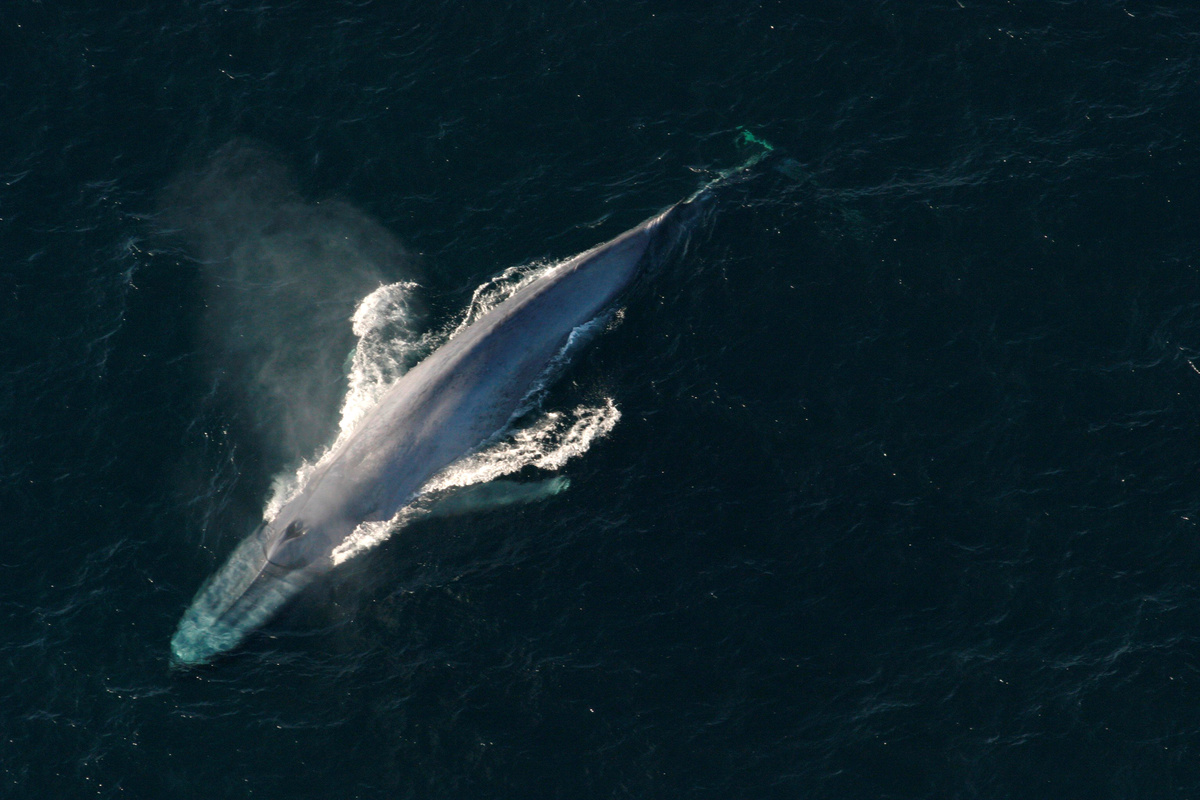
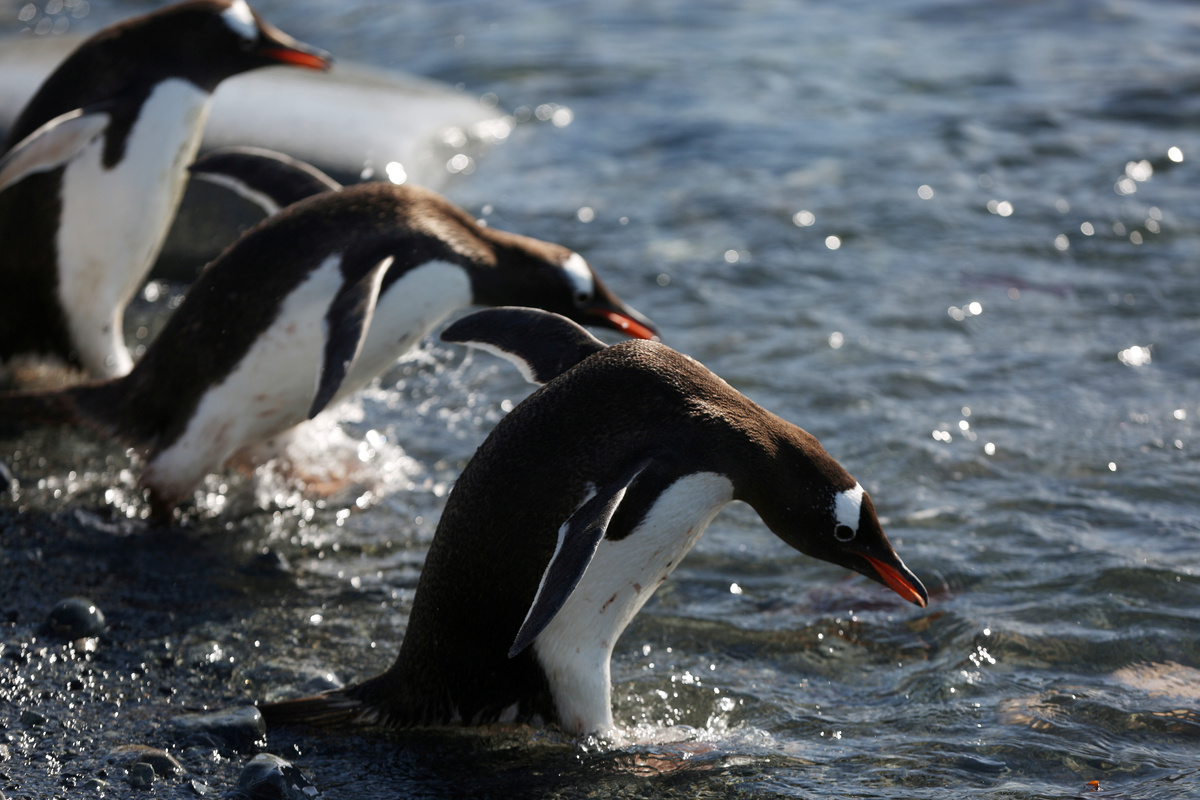
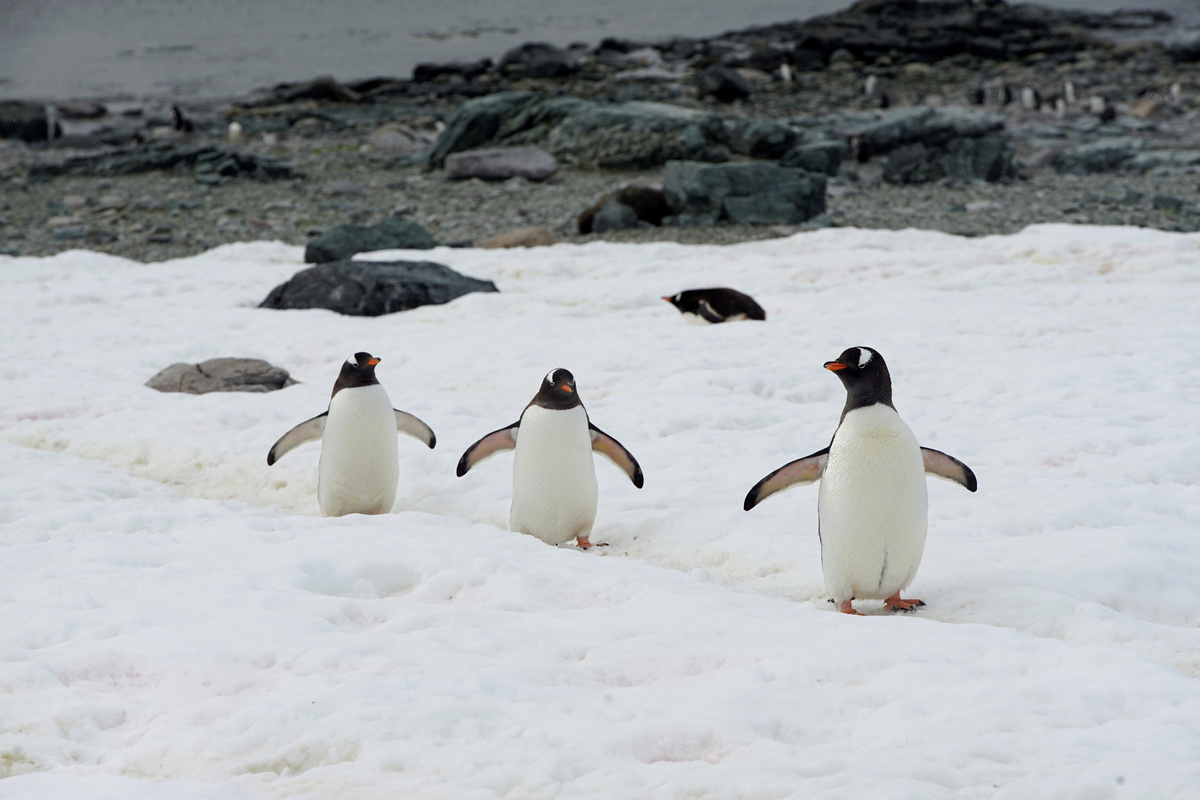
OSLO (Reuters) - Krill are shifting south towards Antarctica as the oceans warm, disrupting stocks that are eaten by penguins and whales and caught by industrial trawlers, scientists said on Monday.
Main populations of the shrimp-like crustaceans, which grow to 6.5 cm (2.5 inches) long and form vast swarms, have moved about 440 km (275 miles) south in the past 90 years, they wrote in the journal Nature Climate Change.
"It's often predicted that species will move towards the poles as the climate warms. It's already happening with krill," co-lead author Angus Atkinson, at the Plymouth Marine Laboratory in England, told Reuters.
"The climate is becoming increasingly unhealthy for krill to reproduce," he said. Almost 200 nations promised in 2015 under the Paris climate agreement to limit greenhouse gas emissions.
Waters in the southwest Atlantic, home to most krill, have warmed 1 degree Celsius (1.8 Fahrenheit) over the past 90 years, and krill are concentrating into a narrowing band towards the coast of Antarctica, the scientists said.
The British Antarctic Survey (BAS) reckons krill are among the most abundant creatures on Earth with an estimated total of 780 trillion, excluding larvae and eggs. Krill are food for whales, seals, penguins and other predators.
Monday's study, based on catch data from 1926-2016, also said the average krill was getting bigger, apparently because young krill were less likely to survive. Krill can live for about 6 years in waters around the frozen continent.
"Our analysis reveals a species facing increasing difficulty in replenishing itself and maintaining high numbers at the northern edge of the Southern Ocean," co-lead author Simeon Hill at BAS said in a statement.
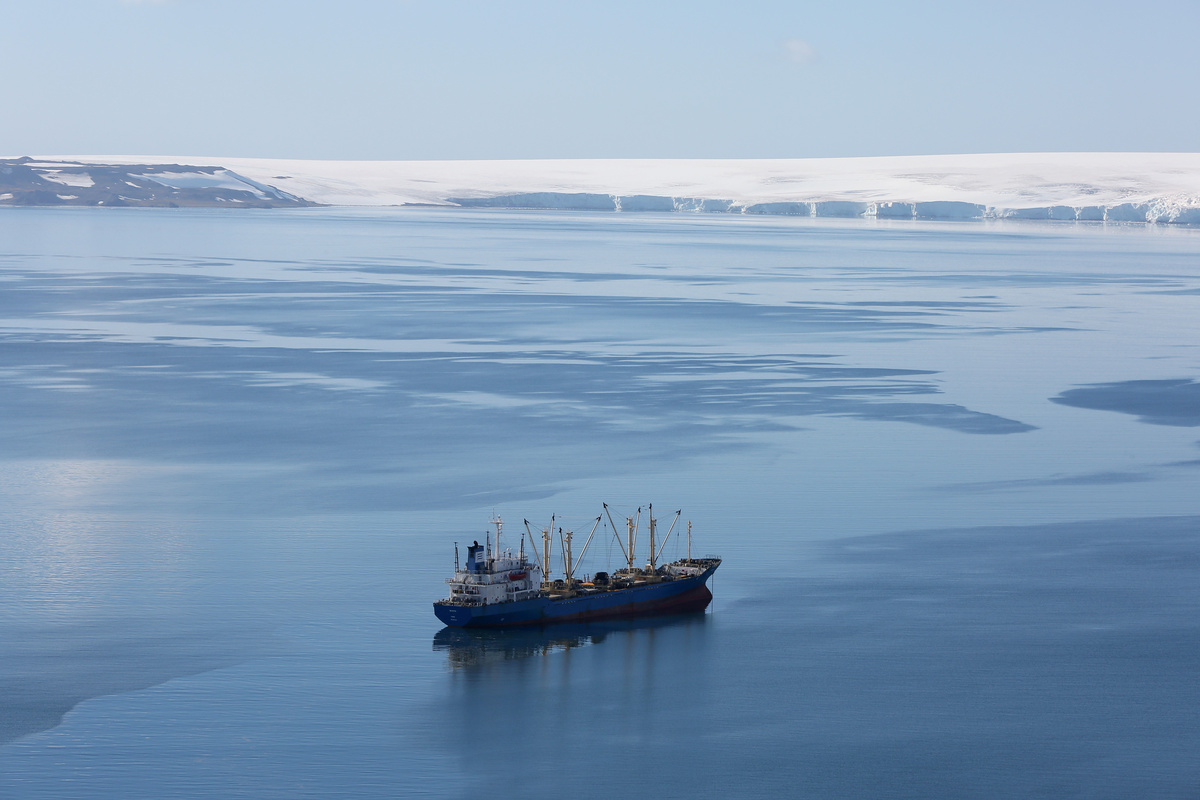
Krill fisheries around Antarctica peaked in the early 1980s at more than 500,000 tonnes caught a year, dominated by the Soviet Union, and had dropped to 237,000 tonnes caught in 2017, according to the Commission for the Conservation of Antarctic Marine Living Resources.
"It's a well-managed fishery but this is a warning bell about the future management," Atkinson said.
"The industry is doing everything possible" to ensure a long-term sustainable fishery, Javier Arata, executive officer of the Association of Responsible Krill harvesting companies (ARK), told Reuters.
ARK members include Aker's unit Aker Biomarine in Norway, South Korea's Insung, China National Fisheries Corporation and Pesca Chile.
From 2019, for instance, krill companies have agreed to ban all fishing near penguin colonies, Arata said.
Krill is caught to make fishmeal or oil that is sold as a human health supplement. The Soviet Union used to can krill as food but Arata said "it doesn't have much flavor".
(Reporting by Alister Doyle; Editing by Alison Williams)