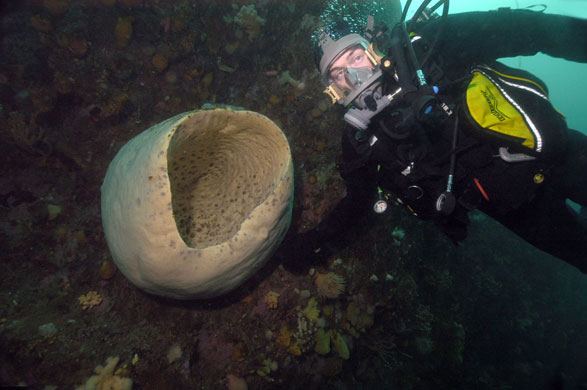
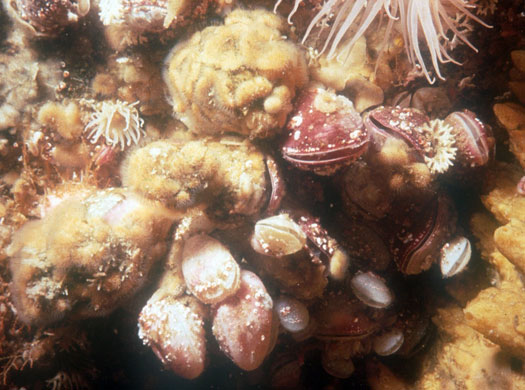
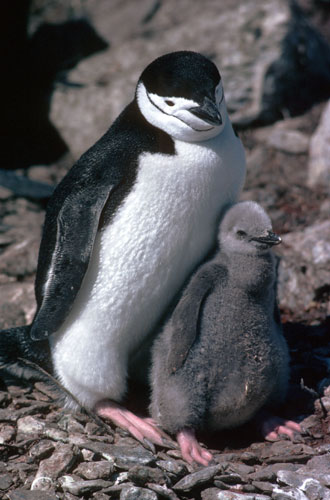
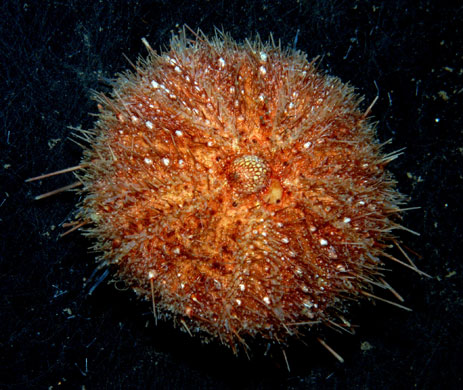
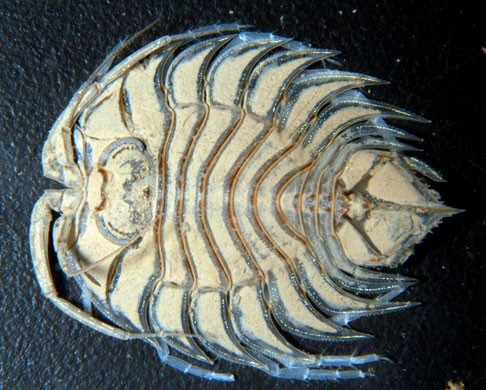
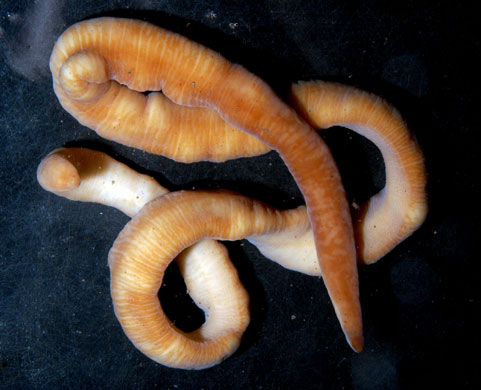
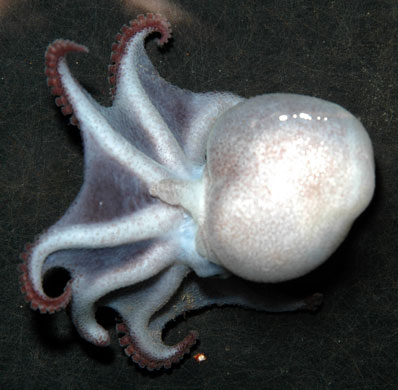
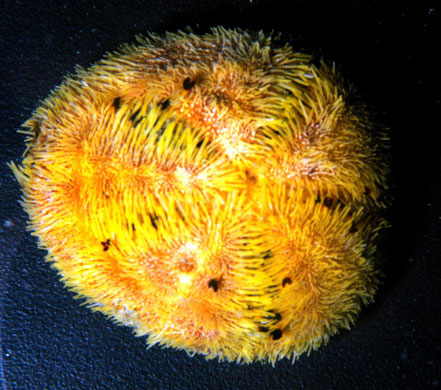
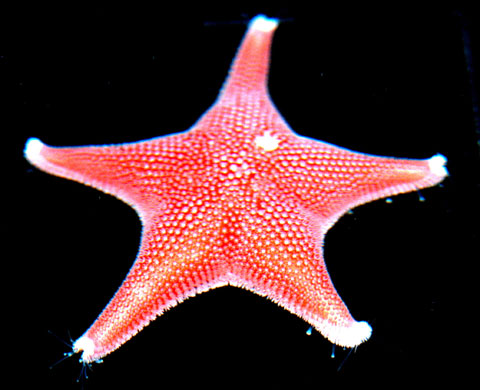
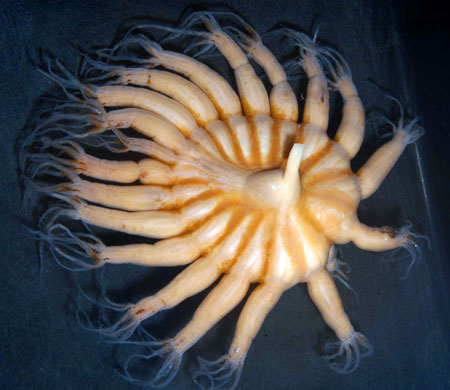
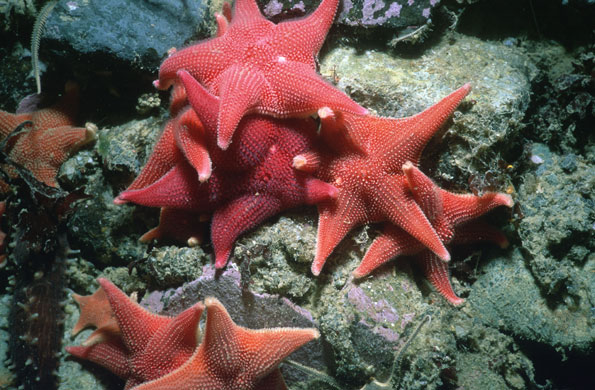
The team from British Antarctic Survey and University of Hamburg combed the land, sea and shores of the South Orkney Islands, using scuba divers and trawl nets to catch creatures as deep as 1,500m. Here a diver poses by a giant spongePhotograph: British Antarctic SurveyThe animals recorded were checked against a century of literature and modern databases. The team concluded there are over 1,200 known marine and land species, including these brachiopods (lamp shells) Photograph: British Antarctic SurveySpecies include sea urchins, free-swimming worms, crustaceans and molluscs, mites and birds. Five were new to science. This is a Chinstrap penguin with chickPhotograph: British Antarctic Survey
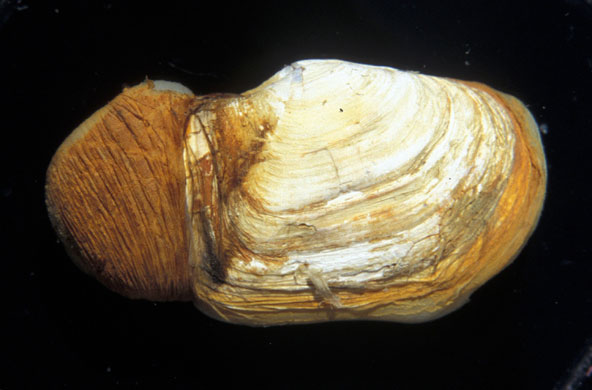
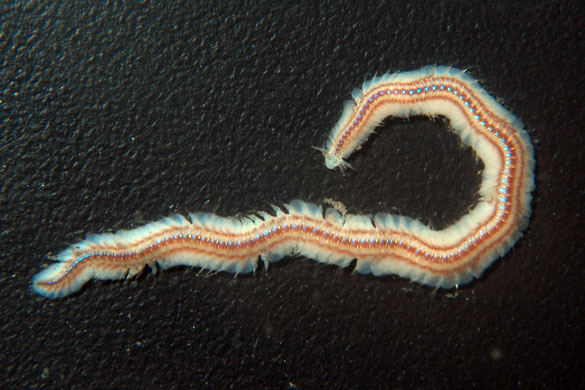
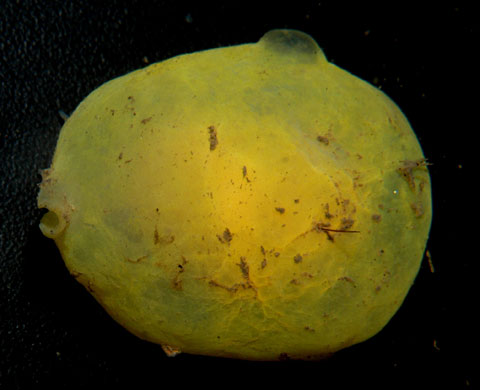
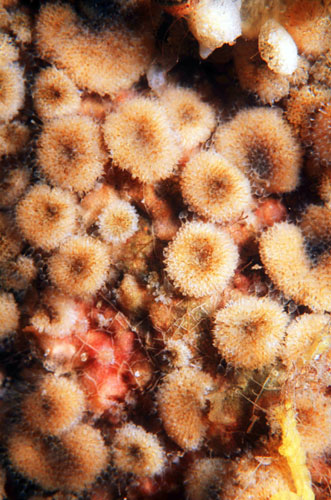
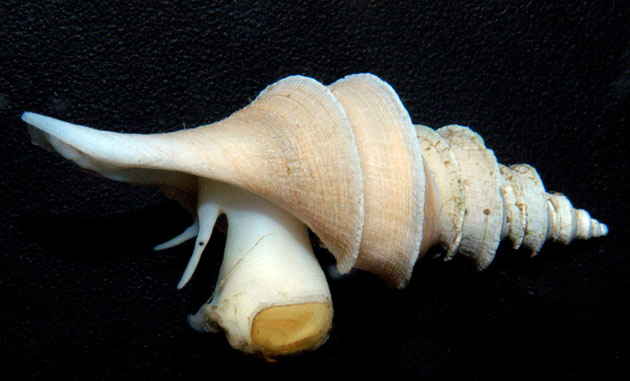
A laternula elliptica clam. Dr David Barnes from the British Antarctic Survey (BAS), who led the study, said: 'This is the first time anybody has done an inventory like this in the polar regions' Photograph: British Antarctic SurveyHe added: 'If we are to understand how these animals will respond to future change, a starting point like this is really important.' Pictured is a common sea urchin sterechinusPhotograph: British Antarctic SurveyStefanie Kaiser from the University of Hamburg said: 'We never knew there were so many different species on and around these islands.' That includes this isopod ceratoserolis trilobitoidesPhotograph: British Antarctic SurveyShe added: 'This abundance of life was completely unexpected for a location in the polar regions, previously perceived to be poor in biodiversity.' Pictured is a nemertean wormPhotograph: British Antarctic SurveyAn octopus thaumeledone peninsulae. The research team of 23 scientists from five research institutes, spent seven weeks on the BAS research ship the James Clark Ross in 2006 as part of the census of marine life Photograph: British Antarctic SurveyThe census of marine life is a 10-year international effort to assess and explain the diversity, distribution and abundance of marine organisms in the world’s oceans. This is a phyllodocid polychaete wormPhotograph: British Antarctic SurveyA remarkable looking sea lemon marseniopsis. The research revealed the sea around the South Orkney Islands is much less rich than in Hawaii, Caribbean or the Canaries but surprisingly has more known species than the Galapagos, and many temperate and tropical regionsPhotograph: British Antarctic SurveyGroups of islands in the polar regions appear to be the last place where biodiversity is much the same as when man first started researching them. The team found little evidence of invasive species in the 100 years of data from study on the islands. Pictured are sea moss animals berecta errectaPhotograph: British Antarctic SurveyThe British Antarctic Survey says the temperature of the ocean around Antarctica has increased by an average of 1C in the last 50 years. Pictured is a sea snail aforia magnificaPhotograph: British Antarctic SurveyThe atmospheric temperature on the Antarctica Peninsula has increased by 2.5C over the same time and is one of the most rapidly warming areas on the planet. This is a sea urchin abatusPhotograph: British Antarctic SurveyDr Barnes said the research will act as a benchmark for charting future changes to the marine ecology of the region. This is a seastar odontaster validus - a starfishPhotograph: British Antarctic SurveyHe added: 'If you don’t know what the fauna is at any one point it is very difficult to detect either species moving in or species moving out.' As climate changes, species like this soft coral will reactPhotograph: British Antarctic SurveyThe survey is reported in the December 2008 Journal of Biogeography. Pictured are starfishPhotograph: British Antarctic Survey
Sign up to read this article
Read news from 100’s of titles, curated specifically for you.