We are reaching the end of days. Theresa May’s authority diminishes by the day. Her cabinet is barely speaking to one another and body bags have been ordered in for Friday’s Chequers mini-break. Esther McVey has been accused of deliberately misleading parliament about Universal Credit by the National Audit Office. Vote Leave has been accused of breaking the electoral rules on campaign spending. And Jeremy Corbyn is asking questions about buses. Six of them. You wait for one question about buses…
Not that there is anything intrinsically wrong with using prime minister’s questions to wrong-foot May over buses. A large number of people depend on public transport to get around and bus services have become increasingly unreliable in many areas. Maybe, though, just one or two questions would have been enough. Then move on to trains, if you like. Chris Grayling’s job is hanging by a thread over his mishandling of the railways. But once you’ve done all that, just don’t forget to mention the war.
As a general rule of thumb, a leader of the opposition is best off asking the questions a prime minister least wants to answer. And May is very happy not answering questions about buses. She doesn’t know anything about buses and she doesn’t care about buses because none of her MPs are giving her a hard time about buses. Tory voters, by and large, travel by car.
The first question about buses received an answer about the NHS. May was only trying to be helpful. She didn’t have anything to say about buses but she knew she had to say something and she hoped the NHS would do. It wouldn’t. Corbyn pressed her again. The prime minister shrugged. She hadn’t a clue about local bus services in Cornwall. Were they the ones with £350m pasted on the side?
Corbyn then went for a quick-fire round. The number 38 service in Greater Manchester. How many buses an hour? Pass. How many people had died because they couldn’t get to hospital? Pass. By the end, May looked positively cheerful. She’d come to PMQs expecting to be given a hard time. Public services falling apart were a breeze compared to the government falling apart.
It took Owen Paterson, one of the hardline Brexiters in her own party, to ask the question she really didn’t want to answer. Would she sack any member of her cabinet who dared to propose a soft Brexit, and could she commit to keeping her election promise of bankrupting the country by leaving the single market and the customs union?
May looked temporarily panicked and closed her eyes in fright. Hoping that when she reopened them, Paterson would have disappeared. But then she remembered there was no promise she had ever made that she hadn’t subsequently broken. So she might as well make another promise that she would break and tell him exactly what he wanted to hear. Maybot is as Maybot does. We’d definitely be leaving the single market and the customs union apart from the bits of them we might be staying in.
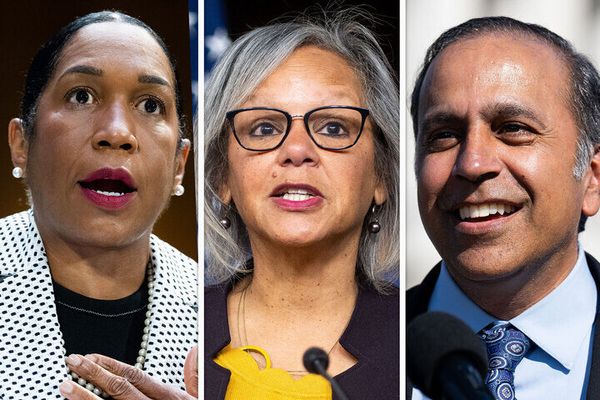
As MPs became overwhelmed with the futility of the occasion and began drifting off to lunch, Labour’s Marsha de Cordova went for the jugular. It was clear that Esther McVey had broken the ministerial code; was the prime minister going to sack her? May reverted to her default algorithm. “It’s very clear,” she said. McVey had only made a teensy-weensy mistake by twice misleading parliament and everyone deserved a second chance. So the work and pensions secretary would be making a half-hearted apology as a brief point of order at the end of PMQs. Was that OK?
McVey, aka The Duracell Bunny, was quick to disabuse the prime minister. Her apology was going to be virtually non-existent, not half-hearted. “Yeahbutnobutyeahbutnobutyeahbutsowhat?” she said defiantly as the Labour benches called for her to resign. She wasn’t sorry. She’d never been sorry. The people who hadn’t got their universal credit payments on time deserved to starve. And she was going nowhere. Partly because she was entirely without shame. But also because the prime minister was too feeble to do the right thing. End of days.