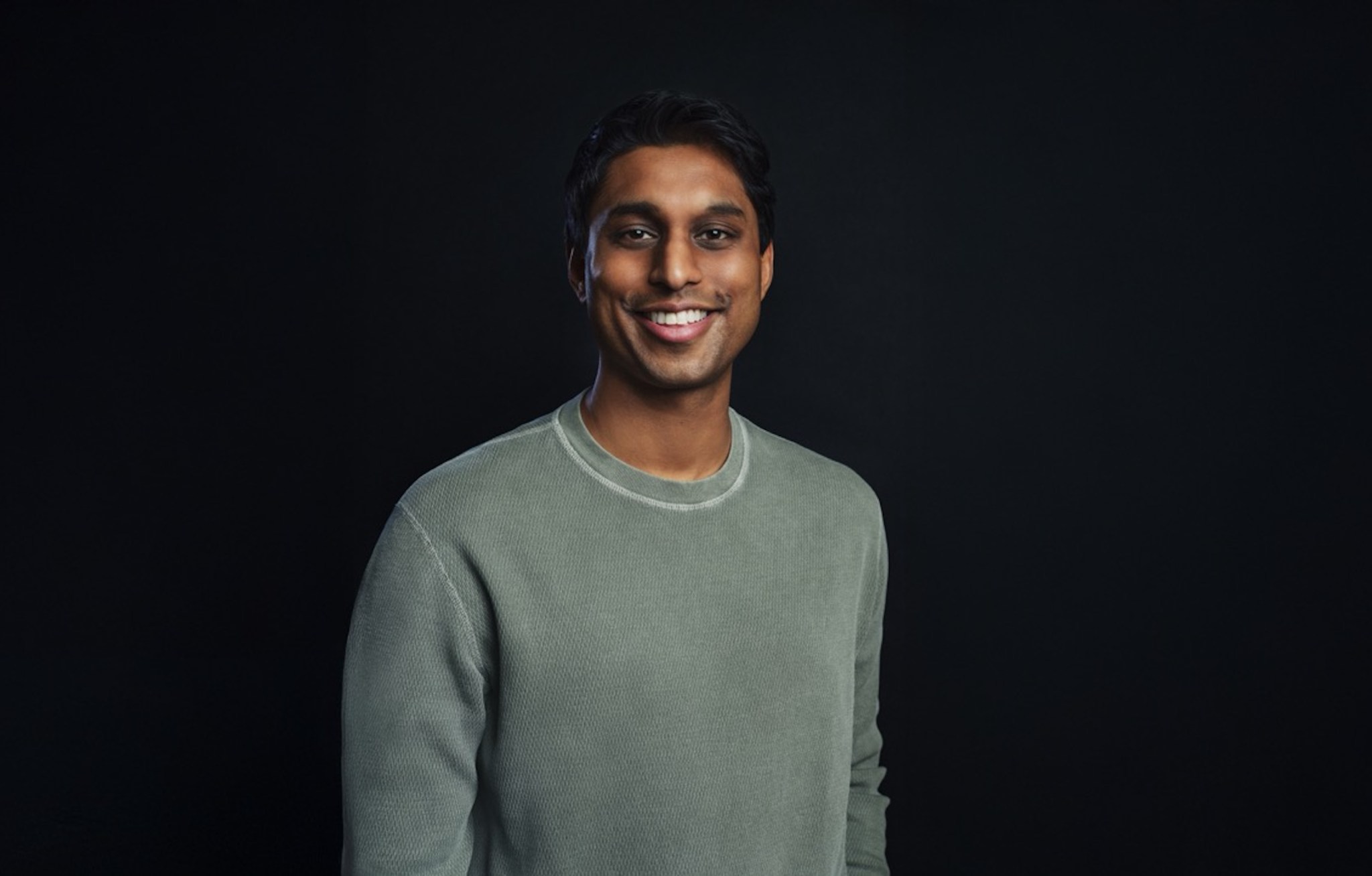
Ankur Jain wants everyone to know the Bilt card is “less than 11%” of his business.
Sitting across from me, the hospitality platform CEO and co-founder kept returning to a metaphor: his company’s flagship card—the thing that made Bilt and gets it tagged, tweeted, and torched on Reddit—is the tip of an iceberg. The rest is a B2B platform that, according to Jain, will clear $1 billion in revenue by the end of this year, up from roughly $200 million in 2024.
The company is valued at $10.75 billion after a $250 million round in July 2025—more than 3x its August 2024 mark. According to him, Bilt sits inside one in four U.S. apartment buildings, processing more than $100 billion in annual housing spend, and routing nearly $20 billion in spend to neighborhood merchants in the last year.
Now the part Jain would rather not relitigate: In February, Bilt launched Card 2.0 from a new issuer, Cardless, replacing the Wells Fargo Mastercard. Wells Fargo, which had issued the Bilt Mastercard since 2022, exited early on the partnership that was meant to run through 2029. (The program turned into a money-loser for the bank.) Bilt’s response was Card 2.0, a three-tier lineup with annual fees of $0, $95, and $495, and a rewards structure built around a parallel currency called Bilt Cash.
Customers, who had built spreadsheets around the old rewards math, didn’t take kindly to the new system because it closed some card benefit loopholes customers had exploited, and changed how its rent rewards would be calculated. The r/biltrewards subreddit lit up. Ultimately, Jain apologized and Bilt provided a second point-accrual option within days.
The miss, Jain conceded, was messaging. “Our mistake was spending so much time talking about the new stuff and not reinforcing that the old stuff’s not going away,” he said. Rent earners are now getting 1.25x on housing—more than under the prior program. Bilt also released Neighborhood Concierge, an AI service that books restaurants, fitness classes, and travel through Bilt’s existing merchant pipes.
Despite the mishap, Jain still frames the rollout as a success. Rroughly 10% of users were “gaming the system” under the old structure, and Bilt was willing to lose them, he said. The 90% who stuck around, according to him, are spending more—hotel bookings have more than 4x’d year over year, and total engagement has more than doubled in absolute terms. Bloomberg reported that 83% of existing cardholders signed up for one of the new cards. The platform already has more than 5 million members.
Where Jain gets animated is the merchant side. Bilt is plugged into Toast, Resy, OpenTable, SevenRooms, Mindbody, and the property management stacks of Greystar, AvalonBay, and Brookfield, with 45,000-plus merchants in the network. The company makes money on software fees, usage fees, and merchant commissions—a model Jain compared to Shopify.
As for agentic commerce, in Jain’s framing, only Google, Anthropic, and Bilt have the breadth of demand-side merchant integrations to power AI commerce in the physical world. The company’s annual CEO letter leans into that—”home is where commerce begins”—and Bilt is pushing into mortgages, condo HOAs, and FSA/HSA reimbursement at Walgreens and Bed Bath.
But what’s next for the startup, is neither IPO nor a sale. “You sell the company, you don’t have a platform to actually go do things,” he said. His benchmark on platform thinking, he told me, is a long-ago dinner with Larry Page, during which the former Google CEO told him about sending Eric Schmidt to North Korea to try to see if they could negotiate bringing internet access to the country (A move made possible by Google’s platform and standing).
So while the card has long been Bilt’s headline, the next 18 months will be about whether anyone notices the rest.
Also, Anthropic announced today a $65 billion Series H round at a $965 billion post-money valuation. This milestone overtakes rival OpenAI’s valuation.
See you Monday,
Lily Mae Lazarus
X: @LilyMaeLazarus
Email: lily.lazarus@fortune.com
Submit a deal for the Term Sheet newsletter here.
Joey Abrams curated the deals section of today’s newsletter. Subscribe here.