
Ankara, to this day, has failed to stick to a clear policy on the perceived “threat” of Kurdish People’s Protection Units (YPG) in Syria near Turkey’s borders. Whilst it insists on making loud threats of fierce cross-border offensives, it continues to negotiate with Washington on creating a buffer zone.
Even though Washington has conceded to Turkish demands to address the Kurdish presence across the border, there has yet to be an agreement on the dimensions of and which party would monitor the zone.
Keeping the YPG, the military arm and largest component of the US-backed Syrian Democratic Forces, at a 30-kilometer distance from Turkish borders figures highest on Ankara’s agenda.
Such a distance, however, contradicts with the US-led International Coalition’s interests on the ground.
The SDF has been vital in the fight against ISIS in areas east of the Euphrates in Syria. Should Kurdish forces be driven too far from the area, it could hamper anti-terror efforts by the Coalition in Syria.
Turkish government spokesperson Ibrahim Kalin, last week, claimed that a so-called safe zone which “stretches from Idlib to Manbij, passing through the border towns of Manbij, Afrin and Jarablus” has been erected.
On US-Turkish negotiations on Syria, Kalin said: “Our talks are ongoing with the American side intensively about the buffer zone, which covers 32 kilometers in northeastern Syria.”
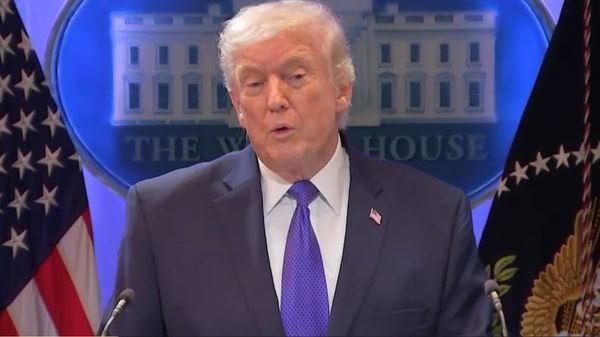
He also labeled the US withdrawal from Syria, announced in 2018 by President Donald Trump, as “floundering.”
Another contended point is what parties would be allowed to regulate and monitor the safe zone. While Turkey is vying for total control of the zone, the US said it preferred European forces on the ground.
Meanwhile, Turkey continues to boost military reinforcements deployed to the east Euphrates region amid ongoing threats by President Reccep Tayyip Erdogan against the Kurds.