

The Animal Justice party has claimed the last upper house seat in New South Wales, with the government likely to rely on the vote of Fred Nile’s party to pass legislation the opposition and the Greens oppose.
The legislative council was officially declared on Friday, almost three weeks after the state’s election. The No Land Tax party came close to winning the last seat but were pipped at the post by the left-leaning Animal Justice party.
Of the 21 upper house seats voted on in the election, nine went to the Liberal and National parties, seven went to Labor and two went to the Greens. The Coalition needs just one more vote to pass legislation in the 42-seat upper house and will likely negotiate with Nile, the leader of the Christian Democrat party which has two seats in the upper house.
The Shooters and Fishers party also won a seat in the upper house.
Nile said on Friday that his re-election was comforting and repeated his intention to hold an inquiry into the government’s plan to privatise part of NSW’s electricity network.
“It’s wonderful, and I thank the people who voted for me to allow me to represent them – obviously a large section of the Christian community, but also people who want good values and family values in our society,” he said.
“It’ll be very beneficial for the people of this state to have all the facts laid on the table under oath – not rhetoric, not slogans, but facts.”
The Animal Justice party’s Mark Pearson will be the MLC for the party and said the party would be open to having negotiations with Nile and the Shooters and Fishers bloc to vote as a bloc as well the government.
However, the party has already decided to vote against premier Mike Baird’s flagship policy, the privatisation of parts of the state’s electricity network.
“It’s dangerous, essentials like water, food, air and energy should always be under government watch completely so there’s transparency and not the usual problems that occur when these things are privatised,” he said.
“Secondly, the most aggressive forms of mining and providing energy have extremely serious affects on animals, their habitat and their wellbeing, that’s quite clear with CSG and with open cut mining.”
Pearson said he would use the first few months to lobby parliamentarians from all parties to stop the introduction of “gag” laws which would make it illegal to gather evidence on the abuse of animals by entering facilities and filming it.
“The legislation is about shooting the messenger and not having evidence obtained about animal security,” he said. “It will make it harder to expose abuse in facilities such as abattoirs, where the treatment of animals is hidden from view.”
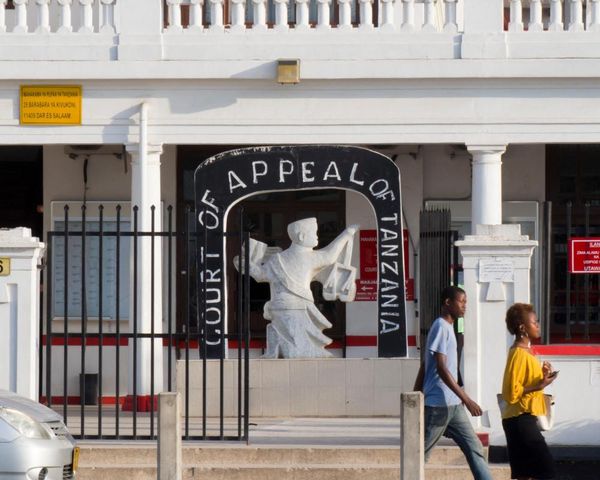
No Land Tax party lead candidate, Peter Jones, said the party would challenge the result in the court of disputed returns and would have done so even if elected.
“I think Animal Justice are a wonderful cause, I congratulate them, I think they’ll do a sterling job – disputing has got nothing to do with them,” he said.
“I obviously have some concerns about the election and will be challenging the results.”
Jones’s list of reasons for taking the result to the court of disputed returns includes a problem with the online voting system, iVote, at the beginning of the campaign, sitting MPs using their electorate offices to campaign from, alleged sabotage of the No Land Tax party campaign by Liberals and political parties getting funding for the campaign prior to the election.





.jpg?w=600)



