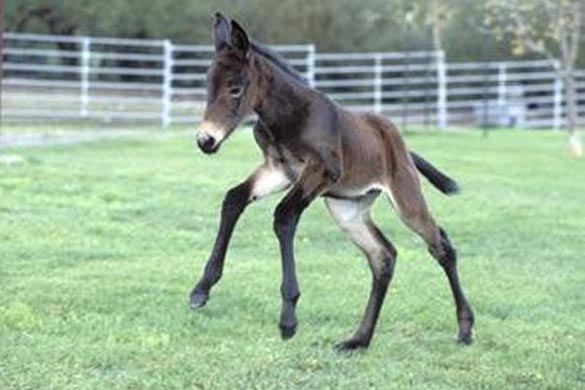
The world's first cloned mule was born on May 4 2003. He is an identical genetic copy of his brother, a champion racing mule called Taz, and the first clone to be born in the equine family.
30.05.2003: The world's first cloned mule Photograph: Phil Schofield/PA
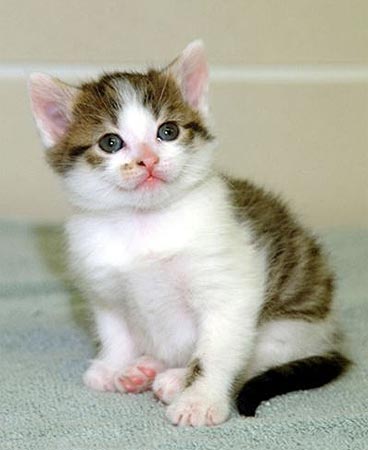
The world's first cloned kitten, named Cc, was created by scientists in Texas using a cell taken from an adult tortoiseshell female (see next picture). The photo, taken on December 22 2001 when the kitten was seven weeks old, was made public in February 2002.
15.02.2002: First cloned kitten Photograph: AP
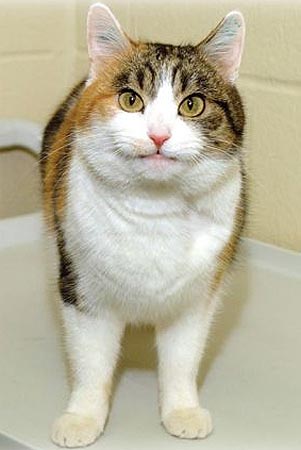
Rainbow, the adult tortoiseshell female from which Cc was cloned. The nuclear-donor cat was used in the transfer technique pioneered by the Edinburgh scientists who made Dolly the sheep. The move opens the prospect of people being able to clone their pets. Photograph: Nature Magazine/PA
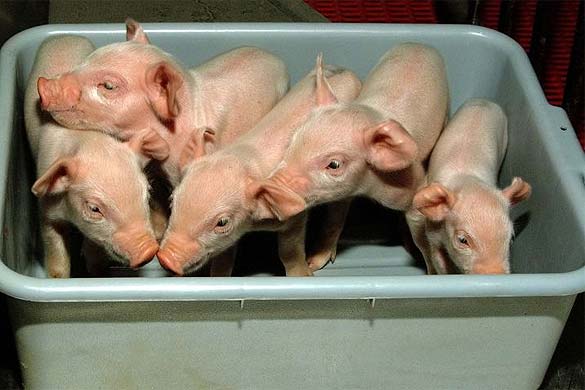
Five cloned female piglets, named Noel, Angel, Star, Joy and Mary - an important step towards "knock-out pigs". They were born on Christmas Day 2001 in what the Scottish-based firm PPL Therapeutics says is a major step towards successfully producing animal organs and cells for use in human transplants. The pigs lack a gene to which the human immune system reacts aggressively. When an all-male litter is born and bred with the females, a knock-out pig will be created. Photograph: PPL Therapeutics/PA
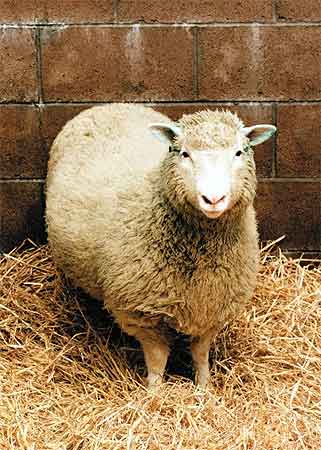
Dolly the sheep, the world's first cloned adult animal. The scientists who cloned Dolly are to stop experiments involving genetically modifying pigs for human organ transplants because of concerns that deadly new diseases could be passed on to people. Photograph: PA
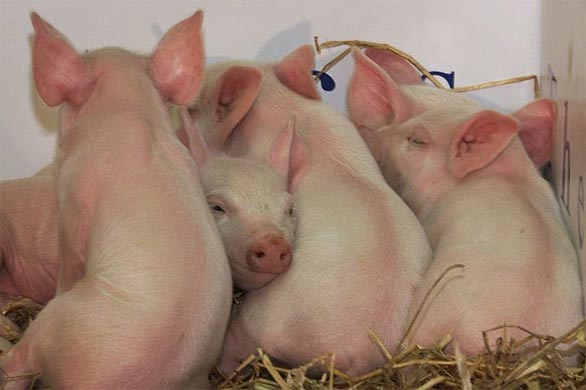
Five cloned piglets born in Virginia, USA on March 5 2000. The world's first cloned piglets were produced by PPL Therapeutics from an adult sow using a slightly different technique from the one that produced Dolly. Photograph: Matt Gentry/AP
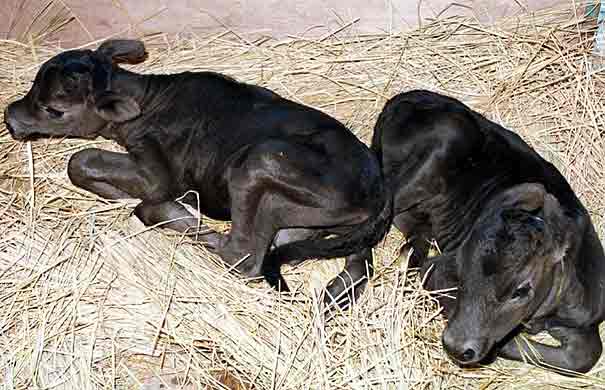
A pair of new-born cloned calves in a cowshed in Ishikawa Japan on July 5 1998. They were born exactly two years after Dolly, the British sheep that made history by becoming the first clone of an adult animal. They are the second adult-animal clones, and were produced by a similar technique. A spokesman for the Ishikawa prefectural livestock research centre said the new technique would be used to breed better cattle strains with higher-quality beef or greater milk capacity. Photograph: Kyodo/AP
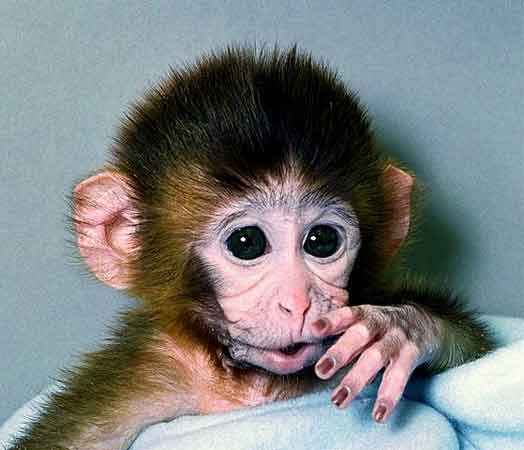
ANDi (inserted DNA spelled backwards), the first genetically modified rhesus monkey, at the Oregon regional primate research centre in Oregon, USA. The birth of ANDi, the first rhesus monkey cloned by embryo splitting, is another incremental step toward designing and perfecting new treatments for human genetic disorders. Photograph: Oregon Regional Primate Reserch Center/AP
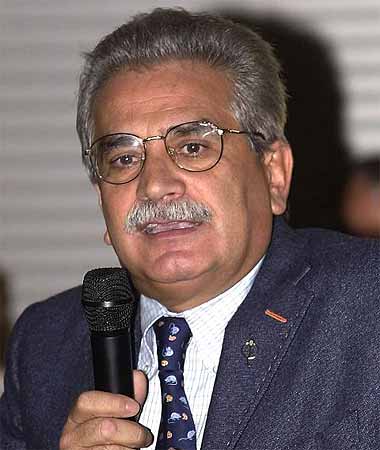
Italian fertility specialist Severino Antinori speaks at a conference on human cloning in Rome on March 9 2001. The Italian medical authorities warned that Dr Antinori risked losing his right to practise in Italy because of his plans to clone human beings. Photograph: Massimo Sambucetti/AP