Animal baby boom at Palestinian zoo after people disappear
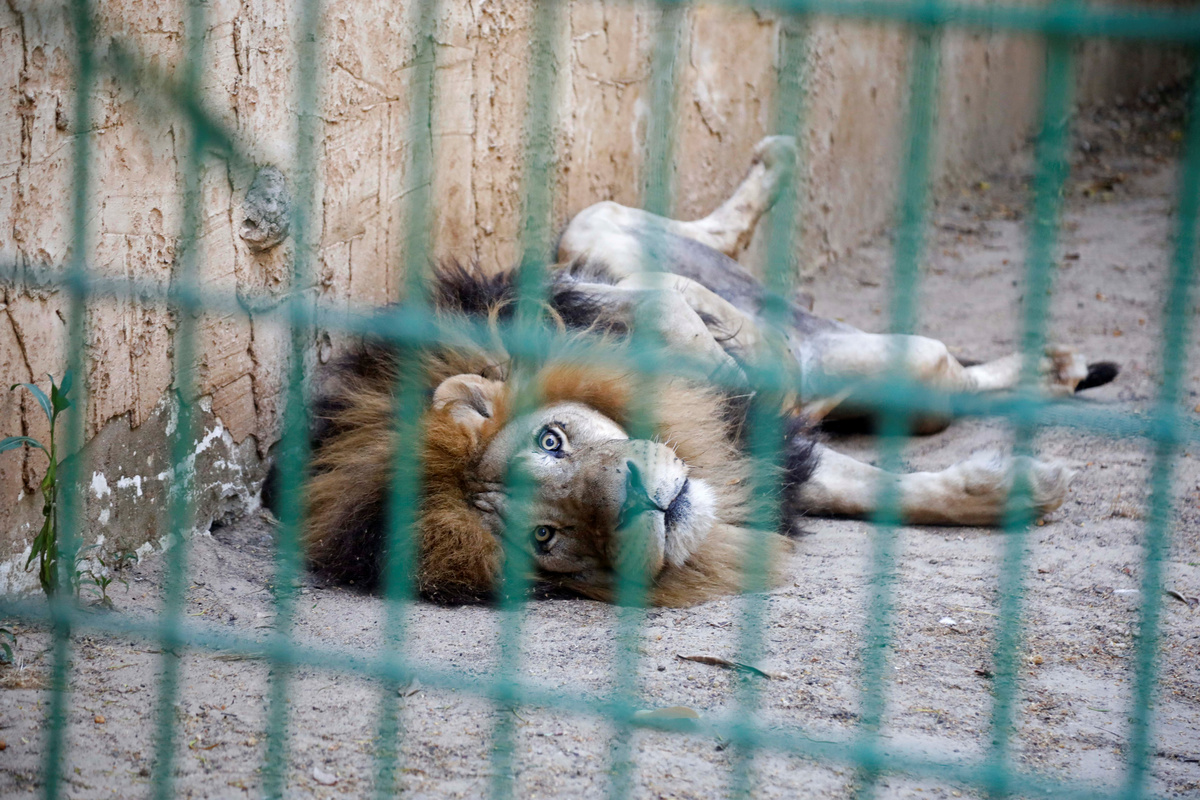
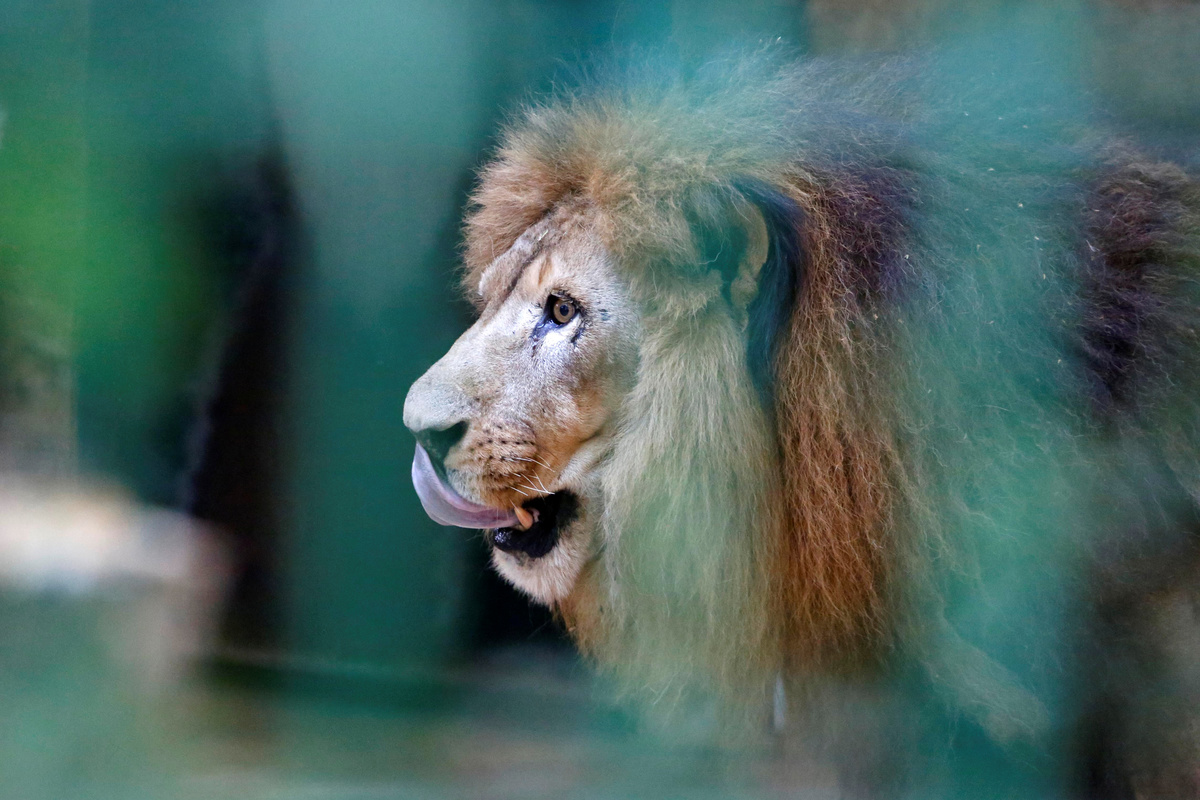
A lion lies in an enclosure at the Qalqilya Zoo where workers say a coronavirus lockdown has led to a boom in animal births, in Qalqilya in the Israeli-occupied West Bank June 11, 2020. Picture taken June 11, 2020. REUTERS/Raneen Sawafta
Peacocks, ostriches and baboons joined in an animal baby boom at a Palestinian zoo during the coronavirus closure as they let nature take its course free from human distractions.
Fifteen animals were born at the tiny Qalqilya Zoo in the Israeli-occupied West Bank during the two months that it shut its doors to visitors - three times more than usual, zoo officials said.
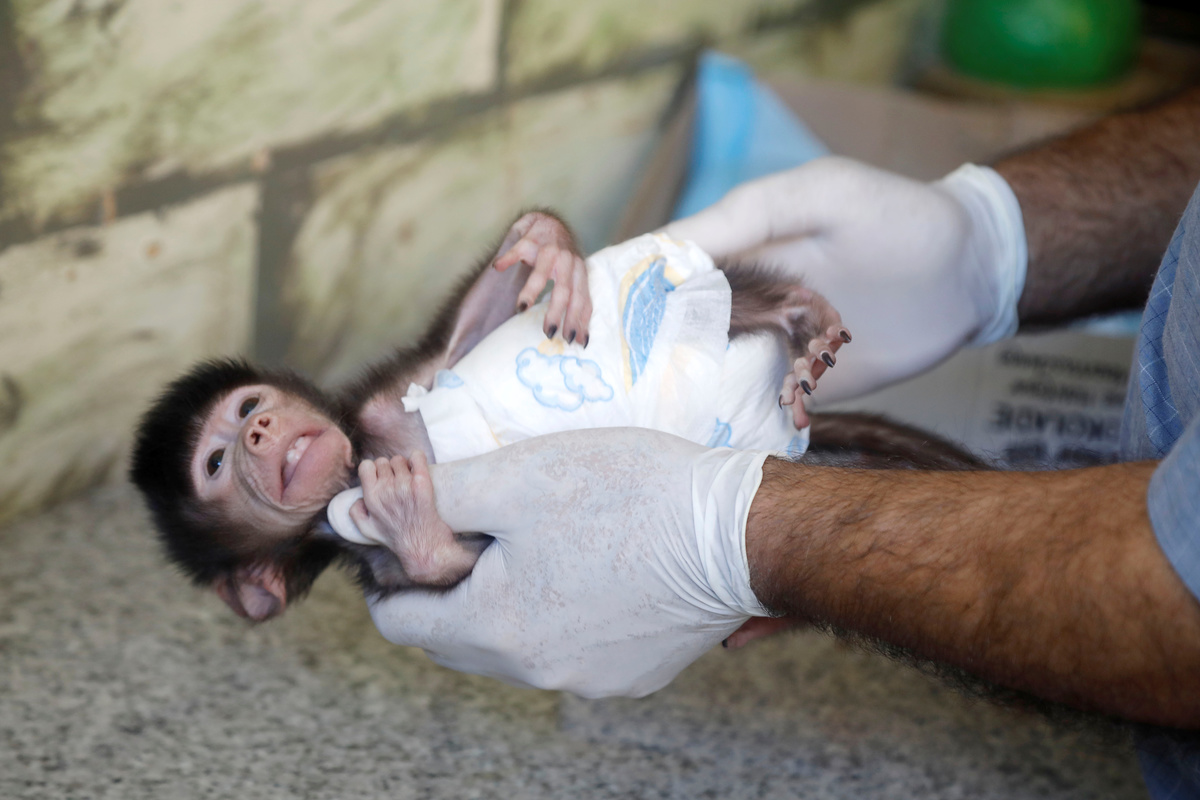
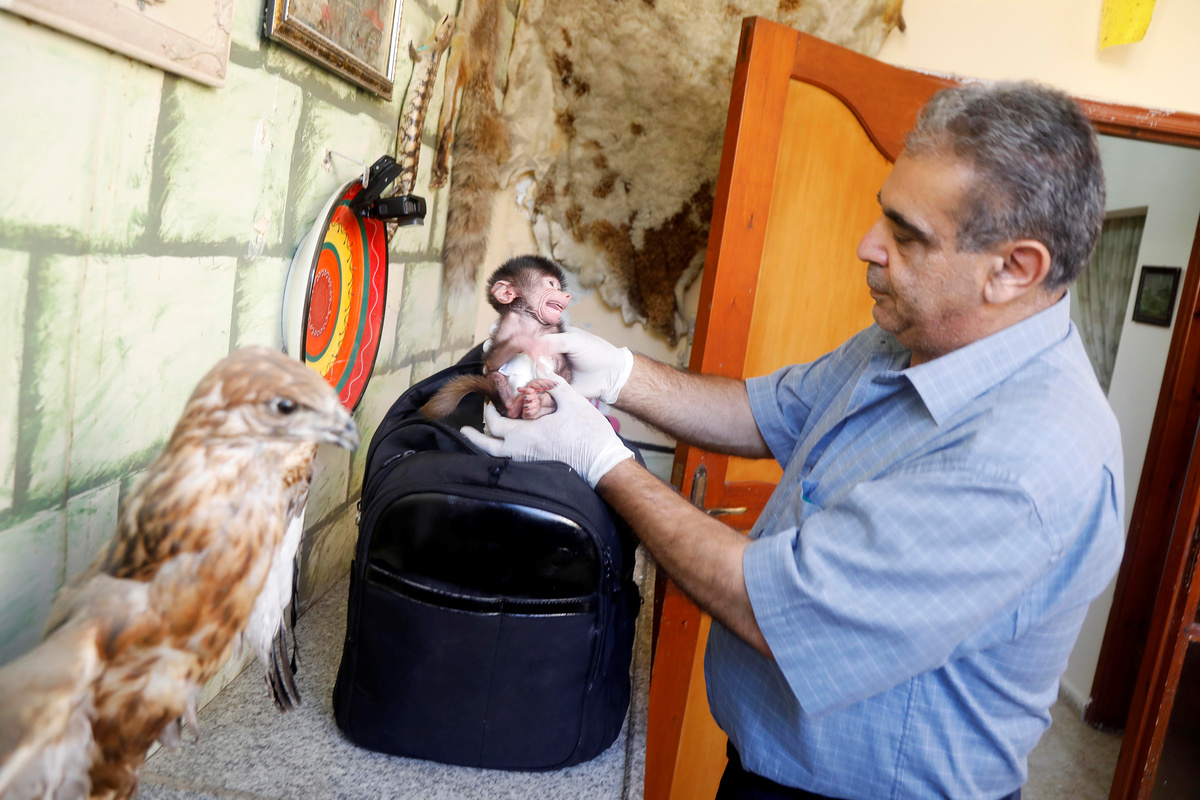
Palestinian veterinarian Sami Khader puts a diaper on a baby baboon, which was born at the Qalqilya Zoo where workers say a coronavirus lockdown has led to a boom in animal births, at his house in Qalqilya in the Israeli-occupied West Bank June 11, 2020. Picture taken June 11, 2020. REUTERS/Raneen Sawafta
"The coronavirus spread at the same time that trips were expected at the zoo. They were canceled and therefore the animals started to give birth," said zoo veterinarian Sami Khader.
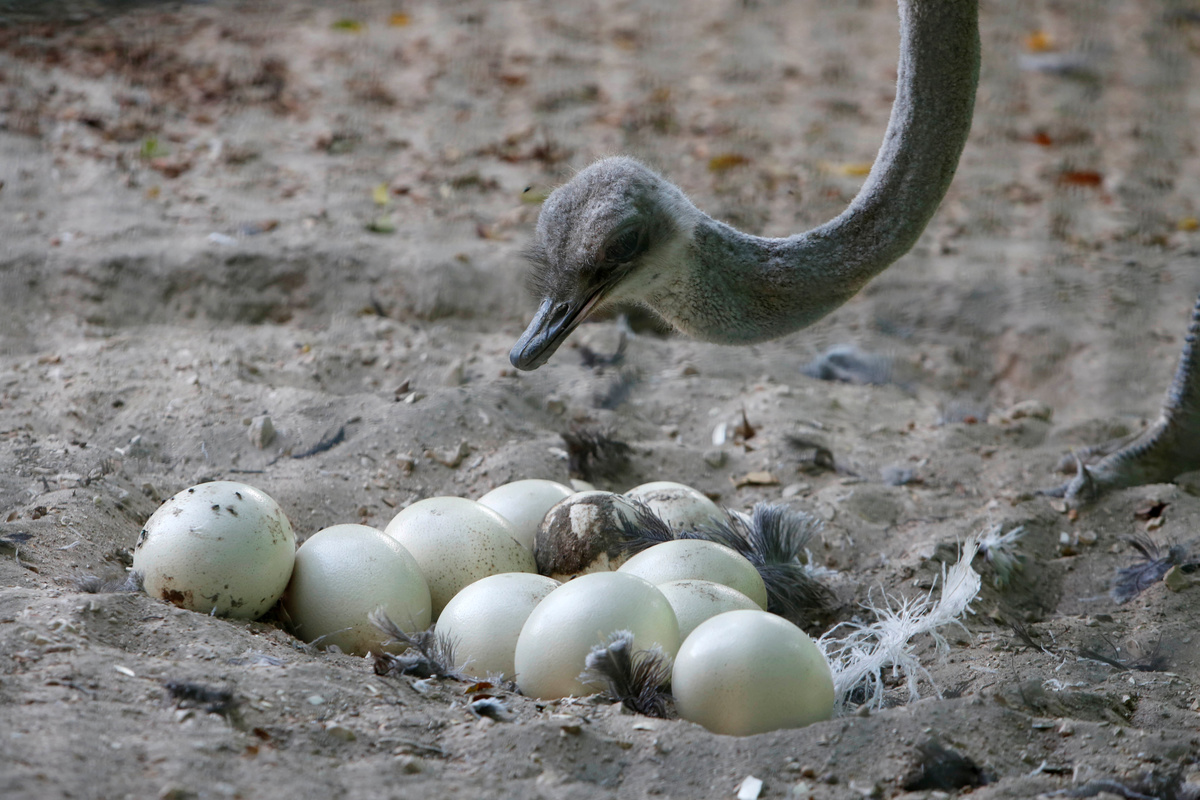
An ostrich that laid eggs in normal years rarely had the chance to incubate them properly. But this year she produced 11 eggs and "because there weren't people around her, she was able to build a nest", he said.
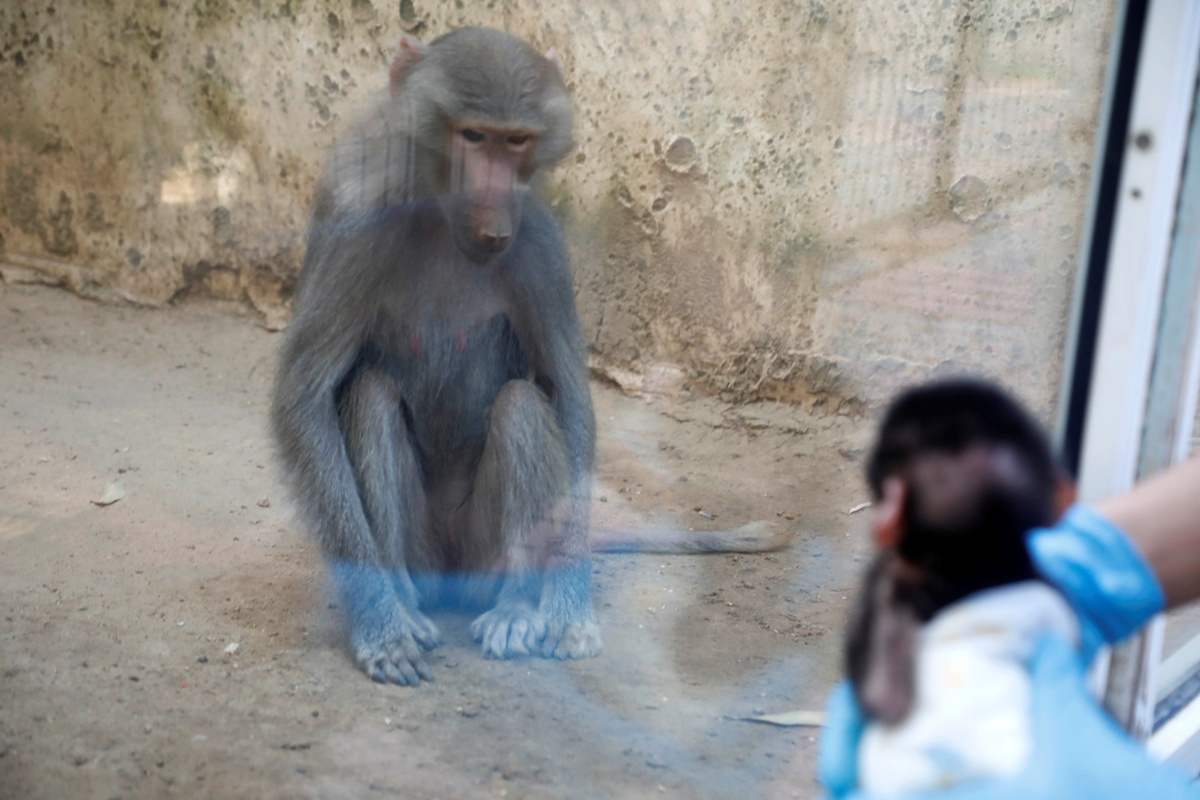
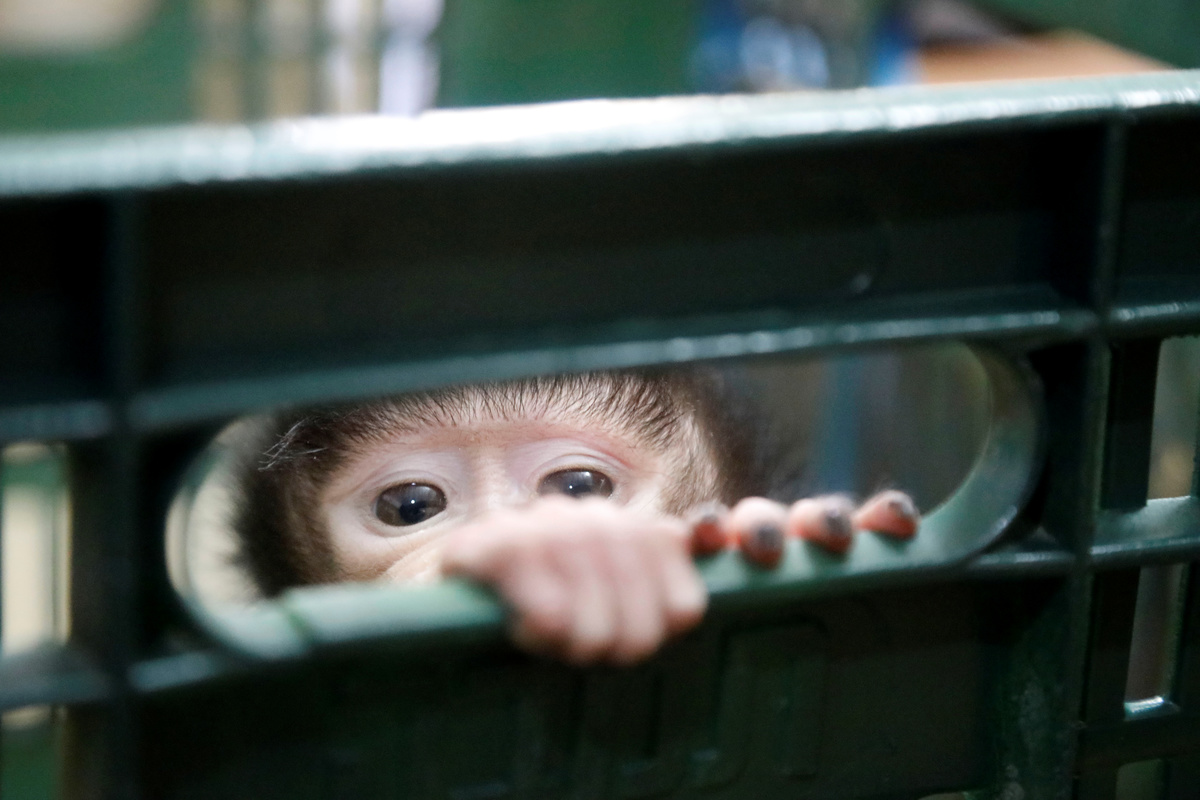
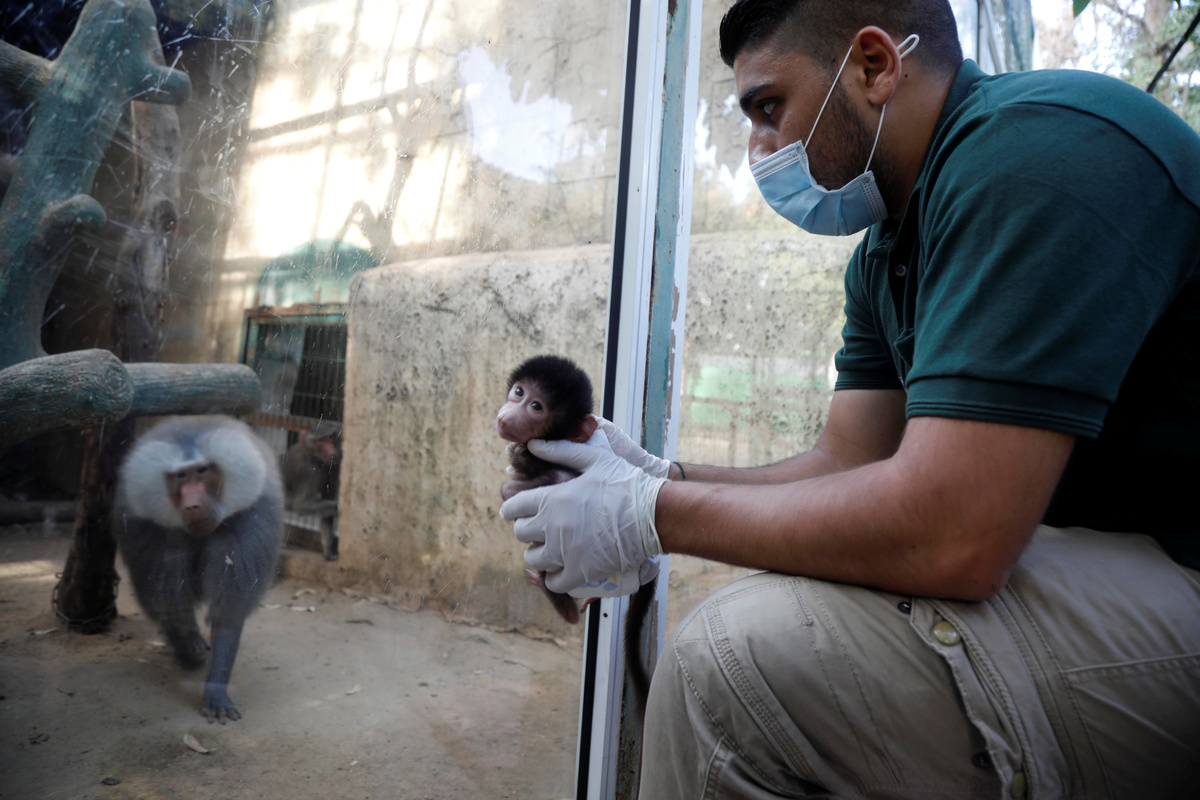
In the monkey enclosure, usually bedeviled by miscarriages, one baboon gave birth, although she had little inclination to take care of the baby.
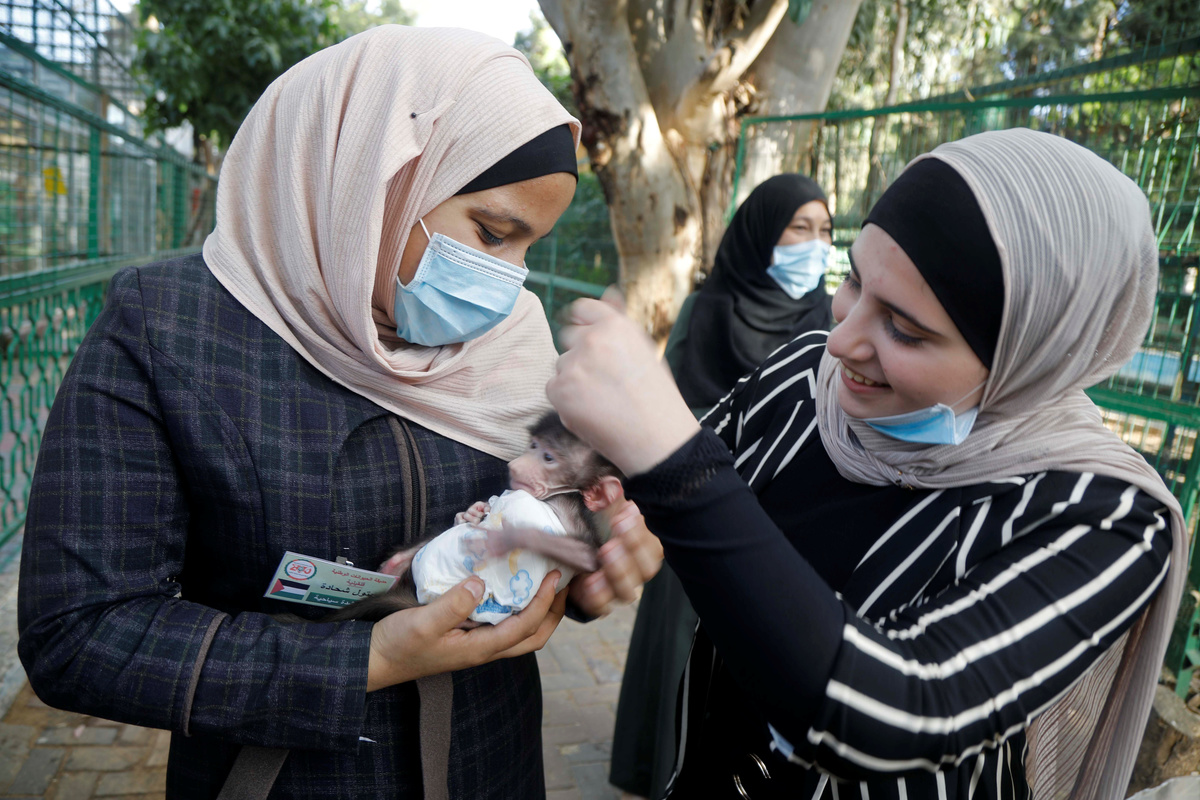
Visitors hold a baby baboon at the Qalqilya Zoo where workers say a coronavirus lockdown has led to a boom in animal births, in Qalqilya in the Israeli-occupied West Bank June 11, 2020. Picture taken June 11, 2020. REUTERS/Raneen Sawafta
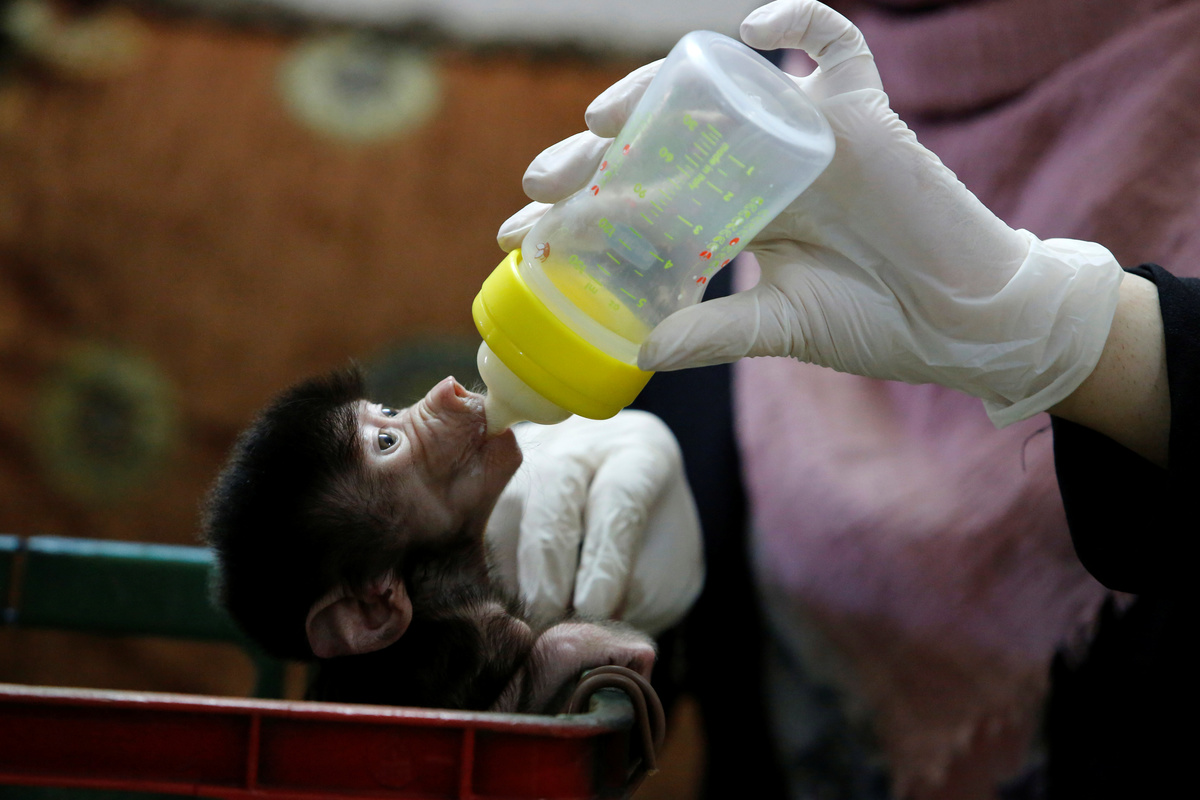
"My father had to bring him to our house," said the vet's daughter, Hind Khader. "I took care of him and gave him milk."
The zoo reopened in late May as Palestinian officials eased COVID-19 restrictions. Now zoo managers hope the newborn attractions will be enough of a draw to compensate for 200,000 lost visitors.
(Writing by Rami Ayyub; Editing by Giles Elgood)
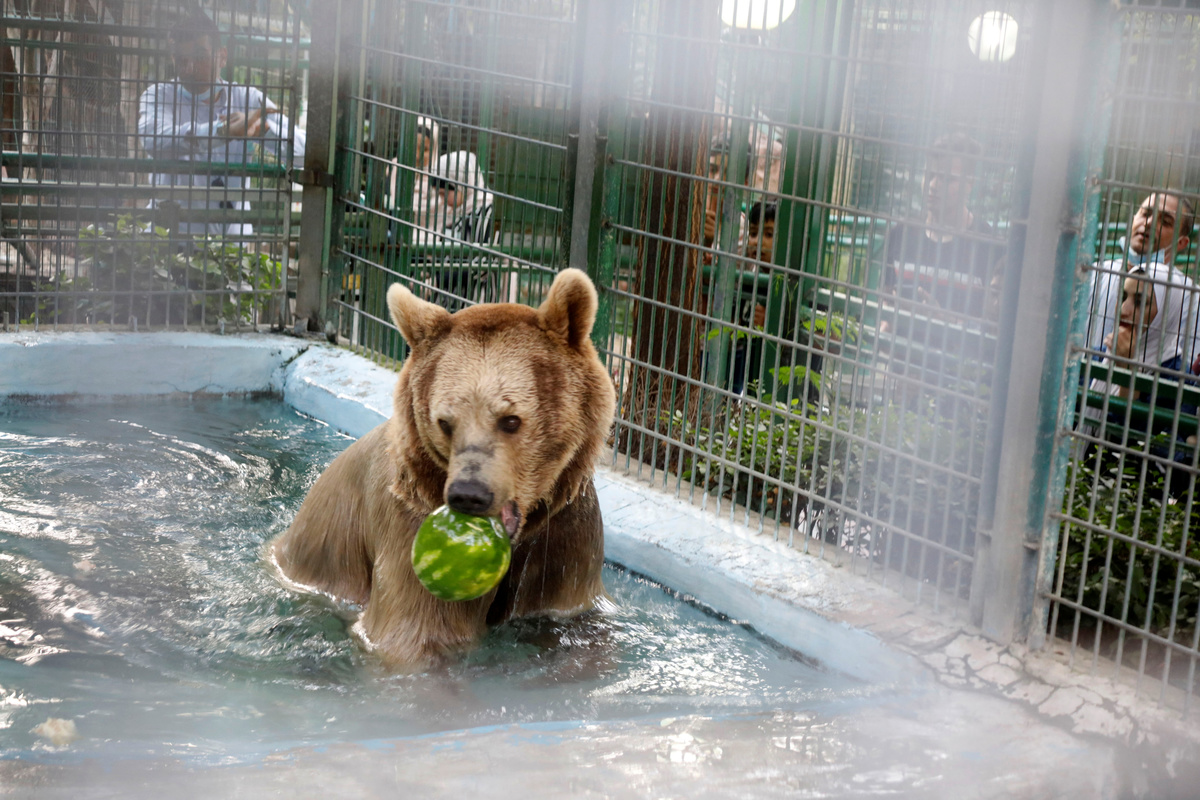
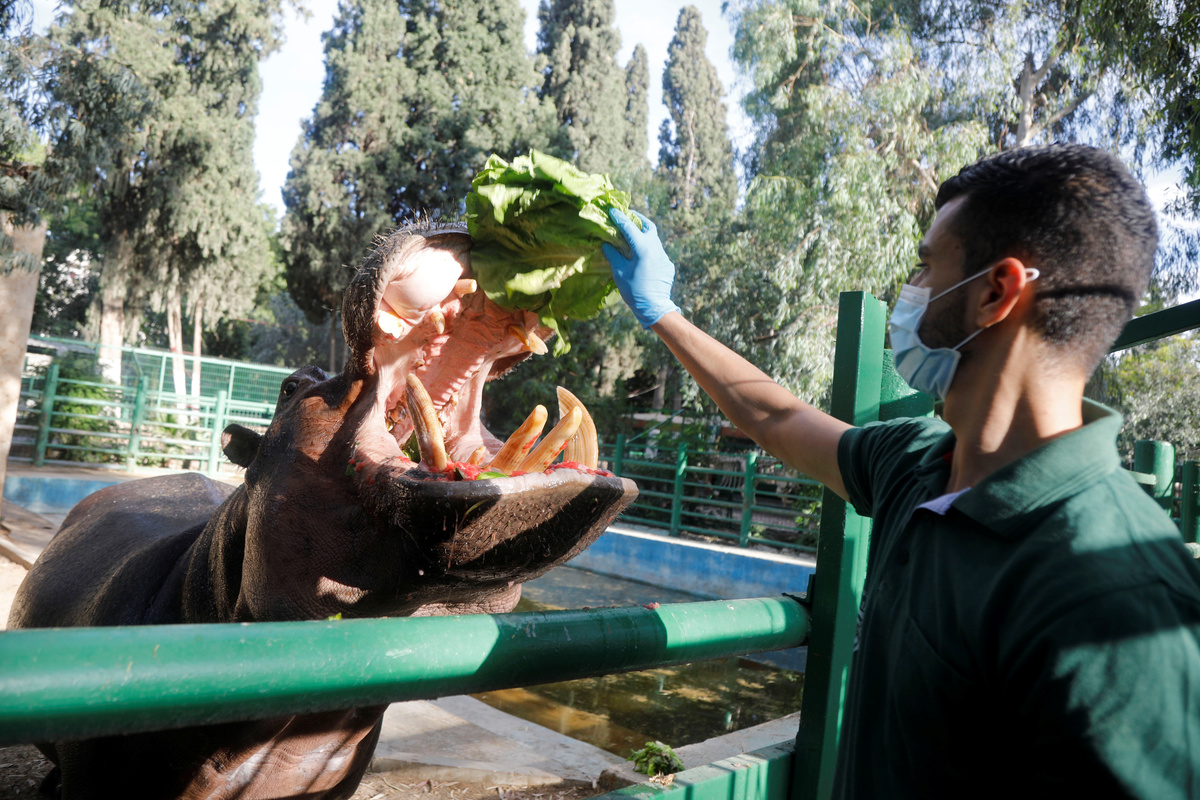
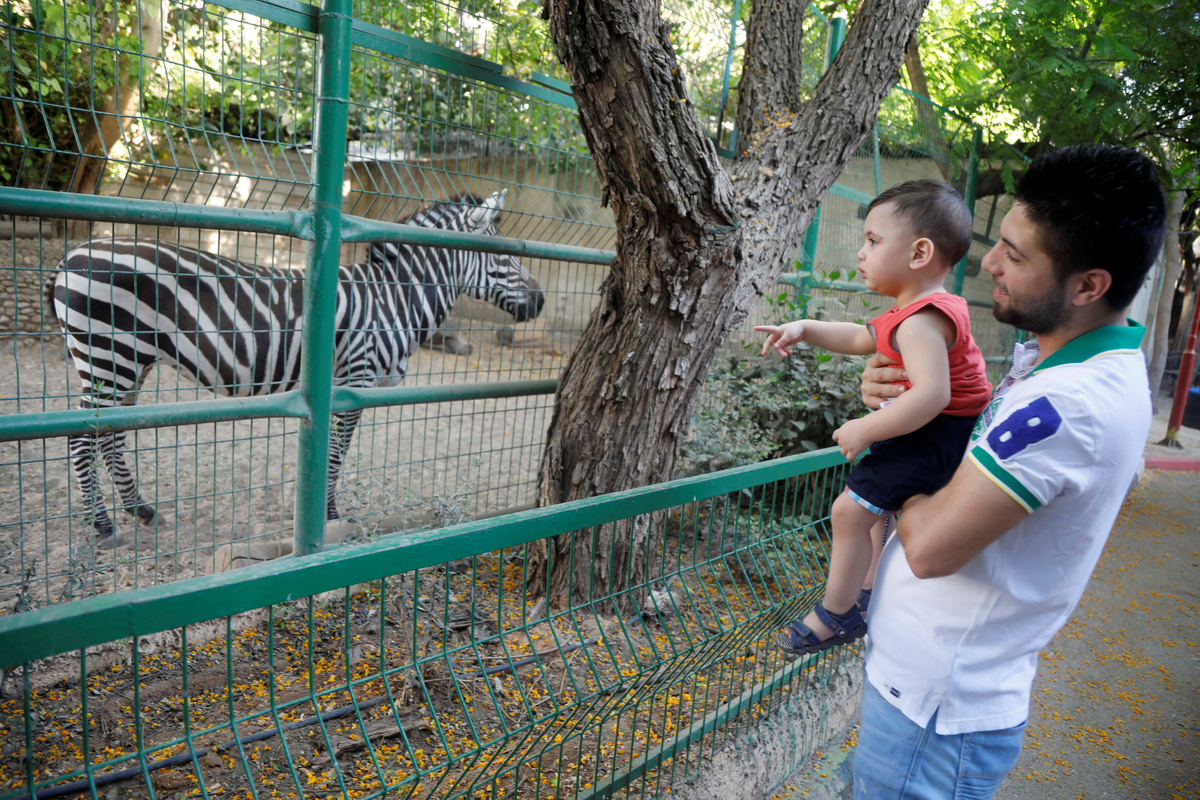
A baboon mother in a glass enclosure looks at its baby as it is held by a worker at the Qalqilya Zoo, where workers say a coronavirus lockdown has led to a boom in animal births, in Qalqilya in the Israeli-occupied West Bank June 11, 2020. Picture taken June 11, 2020. REUTERS/Raneen SawaftaPalestinian veterinarian Sami Khader looks after a baby baboon, which was born at the Qalqilya Zoo where workers say a coronavirus lockdown has led to a boom in animal births, at his house in Qalqilya in the Israeli-occupied West Bank June 11, 2020. Picture taken June 11, 2020. REUTERS/Raneen SawaftaA bear eats a watermelon at the Qalqilya Zoo where workers say a coronavirus lockdown has led to a boom in animal births, in Qalqilya in the Israeli-occupied West Bank June 11, 2020. Picture taken June 11, 2020. REUTERS/Raneen SawaftaA Palestinian worker feeds a hippo at the Qalqilya Zoo where workers say a coronavirus lockdown has led to a boom in animal births, in Qalqilya in the Israeli-occupied West Bank June 11, 2020. Picture taken June 11, 2020. REUTERS/Raneen SawaftaA baby baboon, which was born at the Qalqilya Zoo where workers say a coronavirus lockdown has led to a boom in animal births, is fed by the daughter of Palestinian veterinarian Sami Khader, in Qalqilya in the Israeli-occupied West Bank June 11, 2020. Picture taken June 11, 2020. REUTERS/Raneen SawaftaA lion is seen in an enclosure at the Qalqilya Zoo where workers say a coronavirus lockdown has led to a boom in animal births, in Qalqilya in the Israeli-occupied West Bank June 11, 2020. Picture taken June 11, 2020. REUTERS/Raneen SawaftaA Palestinian boy is carried by a man as he looks at a zebra at the Qalqilya Zoo where workers say a coronavirus lockdown has led to a boom in animal births, in Qalqilya in the Israeli-occupied West Bank June 11, 2020. Picture taken June 11, 2020. REUTERS/Raneen SawaftaA baby baboon looks from a box at the Qalqilya Zoo where workers say a coronavirus lockdown has led to a boom in animal births, in Qalqilya in the Israeli-occupied West Bank June 11, 2020. Picture taken June 11, 2020. REUTERS/Raneen SawaftaA baby baboon is held by a worker as its father is seen in a glass enclosure at the Qalqilya Zoo, where workers say a coronavirus lockdown has led to a boom in animal births, in Qalqilya in the Israeli-occupied West Bank June 11, 2020. Picture taken June 11, 2020. REUTERS/Raneen SawaftaAn ostrich look at eggs at the Qalqilya Zoo where workers say a coronavirus lockdown has led to a boom in animal births, in Qalqilya in the Israeli-occupied West Bank June 11, 2020. Picture taken June 11, 2020. REUTERS/Raneen Sawafta
Sign up to read this article
Read news from 100’s of titles, curated specifically for you.