Angola's challenge to eradicate polio - in pictures
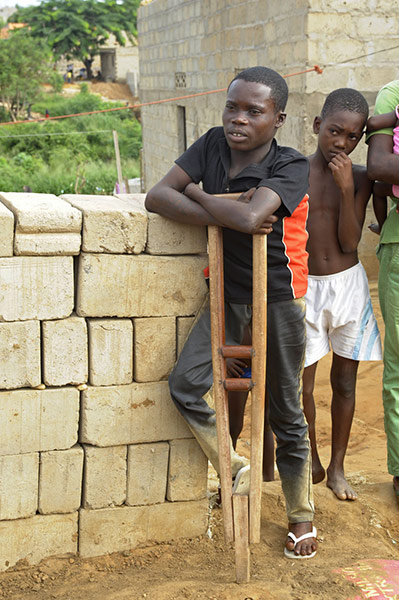
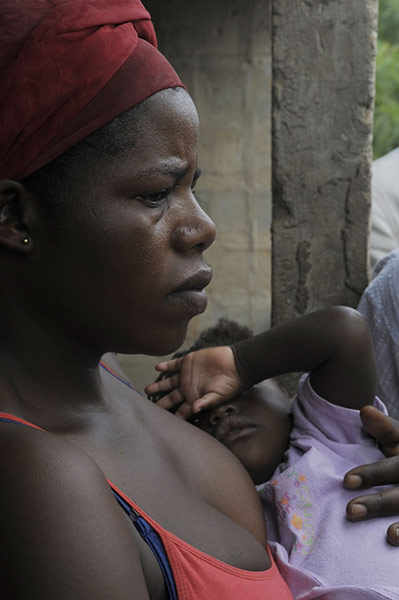
A young survivor of polio in Luanda, Angola. The disease has recently returned to Angola. The reappearance of polio in the country is a blow to efforts to rid Africa of the virus Photograph: Graeme Williams/UNICEFAngola was polio-free for three years from 2002 until a strain of the virus prevalent in India appeared in 2005. The virus was believed to have been carried into the country by construction workers. It has since spread to Namibia, the Democratic Republic of the Congo and Congo-BrazzavillePhotograph: Graeme Williams/UNICEFIn 2010, 33 people in Angola are known to have contracted the virus, which can cause paralysis and death. Outside her home in the Cacuaco municipality on the outskirts of Luanda, Luisa Zonga holds her one-year-old daughter, Georgina, who was recently diagnosed with polioPhotograph: Graeme Williams/UNICEF
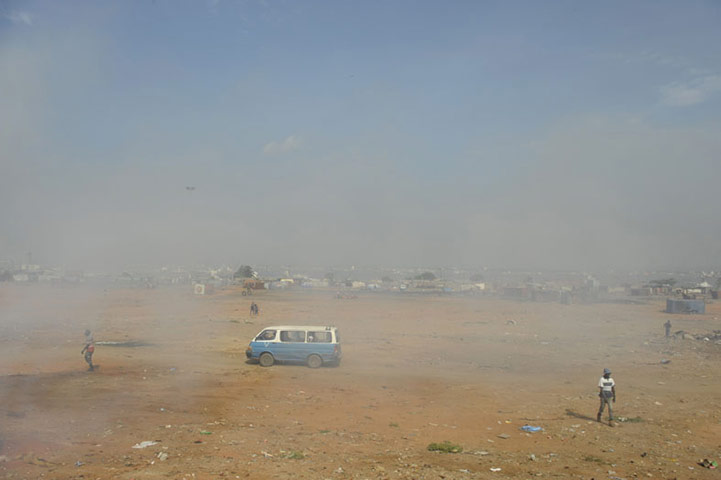
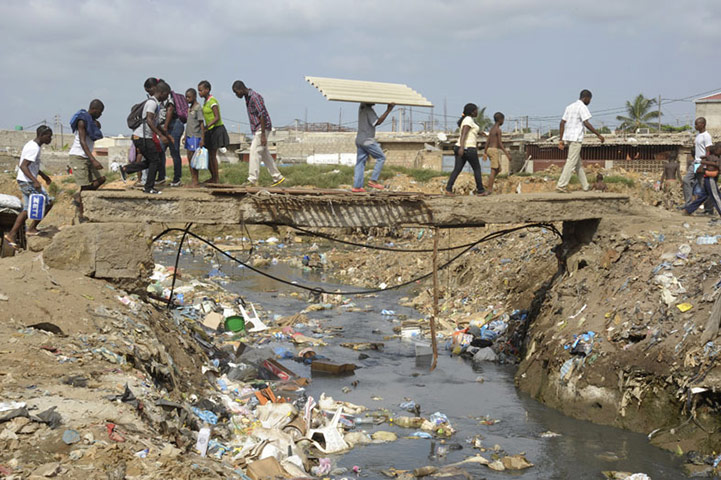
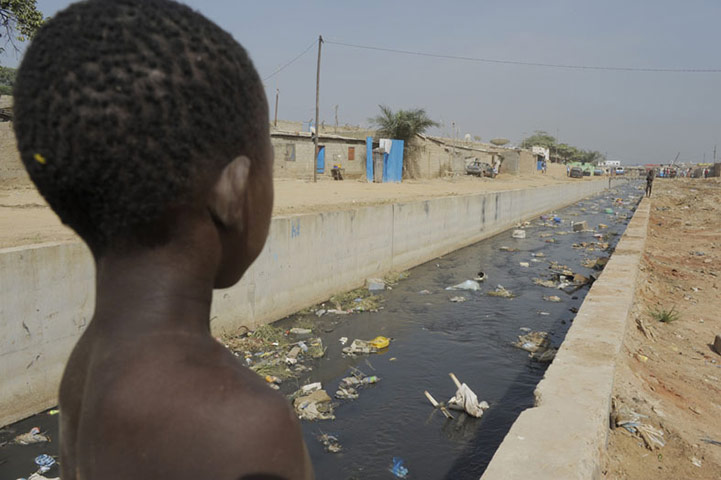
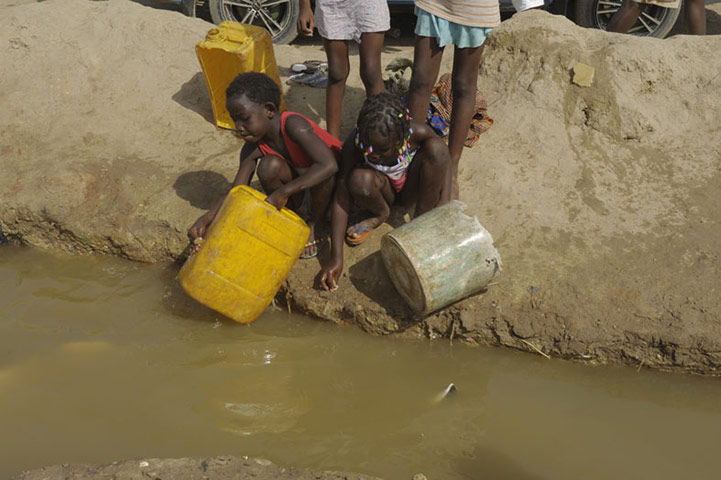
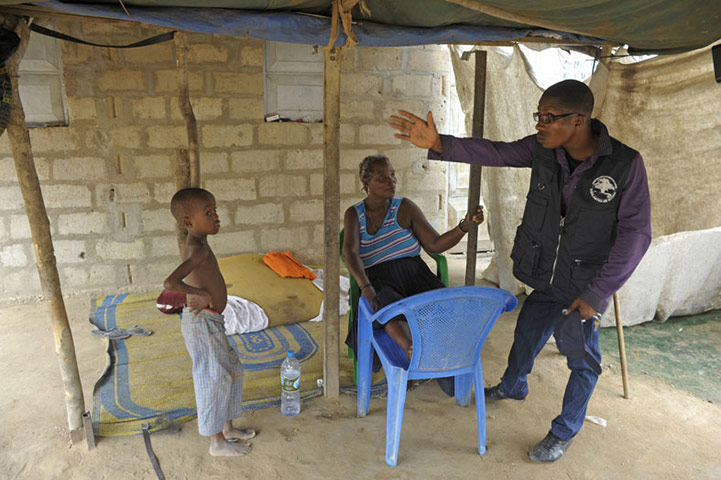
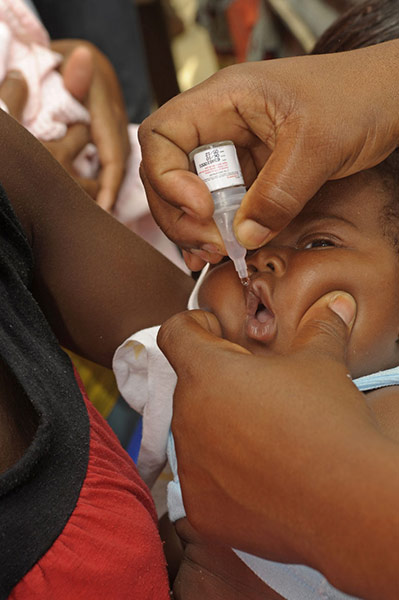
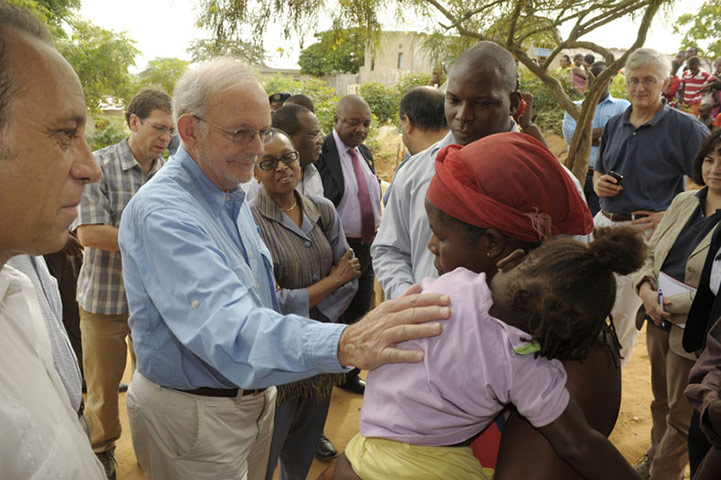
The majority of polio cases have been identified in Luanda, where many people live in unsanitary conditions with little access to safe water and sanitation. Such conditions are ideal breeding grounds for the polio virus. Since the end of Angola's 30-year civil war in 2002, there has been mass migration from rural to urban areas like Luanda, which has put a huge strain on health servicesPhotograph: Graeme Williams/UNICEFPolio is highly contagious. The polio virus, which is transmitted through faecal-oral contact, is normally carried in sewage water and passed via contaminated food and water sources. Between 5-10% of people paralysed by polio will diePhotograph: Graeme Williams/UNICEFYoung girls wash their drinking-water buckets in a pool of stagnant, polluted water on the outskirts of LuandaPhotograph: Graeme Williams/UNICEFThe World Health Organisation (WHO) has said that Angola's inability to halt the outbreak is due to poorly run vaccination programmes. Campaigns to date have missed more than one-fifth of children in critical transmission areas such as Luanda. According to Unicef, the failure of these programmes is down to a shortage of trained staff and a lack of technical capacity and planningPhotograph: Graeme Williams/UNICEFThe government, with support from the Global Polio Eradication Initiative has now launched a national polio campaign to try and stamp out the virus. Health workers are working in villages, educating people about how to stop the spread of the diseasePhotograph: Graeme Williams/UNICEFThe campaign is targeting 5.6 million children. At the Vila da Paz health post in Luanda, a nursing sister gives a child polio vaccine drops Photograph: Graeme Williams/UNICEFIn January, Anthony Lake, Unicef's executive director, visited Luanda to assess the challenges faced by Angolans. "Every child has the right to be vaccinated against this evil disease," he said. "Angola had, in effect, defeated polio five years ago and now it has broken out here in Angola and is spreading into neighbouring countries, so what is being done here in this community is very important. Every human tragedy here in Angola is a threat to the world" Photograph: Graeme Williams/UNICEF
Sign up to read this article
Read news from 100’s of titles, curated specifically for you.