I can’t deny that I felt a little tenser than usual as I tuned into the BBC’s Sports Personality of the Year. Since I wrote about Tyson Fury and his controversial views a fortnight ago, the debate has dominated the buildup to the award’s announcement.
I never argued that Fury should not be on the shortlist but many others did. In fact, nearly 140,000 signed a petition demanding that he should be removed. The BBC was between a rock and a hard place. By including him they had to defend their decision, claiming that the prize was about sporting achievement only and that being a “role model” was immaterial. Had they not included him they would doubtlessly have been accused of discriminating against the Traveller community: it was a lose-lose situation.
Fury has had ample opportunity to backpedal since he expressed his outspoken opinions about women and homosexuality in the Mail on Sunday. However, he chose to do nothing of the kind. Indeed in an interview with LBC on Sunday morning he dug an even deeper hole for himself. Asked if he wanted to win, he replied: “It depends, what am I gonna gain?” When asked what his wife felt about the things he had said, his response was: “Why should she have an opinion?” before adding that he couldn’t understand why “people get upset by a few words”.
Well, here’s the thing: people do get upset and rightly so. It is nonsense to say that words don’t matter and can’t hurt you. They can and they do. It may not matter that Fury puts paedophilia and homosexuality in the same bracket but Dr Chris Sugden, an evangelical minister, did exactly the same on BBC Radio 4’s Sunday programme, suggesting it was a justification for the maintenance of the illegality of homosexuality in India. Gay people are no more likely to be paedophiles than straight people but these misguided views held by some religious fundamentalists are incredibly harmful and people like Fury giving voice to them mean they reach a much wider audience.
So what would the ceremony have in store? Sports Personality of the Year has always been a glitzy show and has grown hugely in recent years, hosted in enormous arenas all over the UK with musical interludes, pyrotechnics and flashing images. It is a big production number and one might say the highlight of the BBC’s sporting year. How would the people of Belfast react to Fury? Would they boo him? Would he burst into song? Would Greg Rutherford say his piece when his turn came? The possibilities were endless and if nothing else viewing figures must have benefited.
As it happens everyone was on their best behaviour. Rutherford made a veiled reference by saying that he “wanted to be good, not only on the track but off as well” and Fury almost apologised: “I never meant to hurt anyone … it’s just banter.”
In the end Fury came fourth with 72,330 votes. That means 72,330 people voted for someone who thinks it is OK to joke about violence against women. If we learn nothing else from this whole debacle it is that we still have a long way to go.
It was fantastic to see Jessica Ennis-Hill come third and for there to be a first-time placing for rugby league, with Kevin Sinfield as the runner-up.
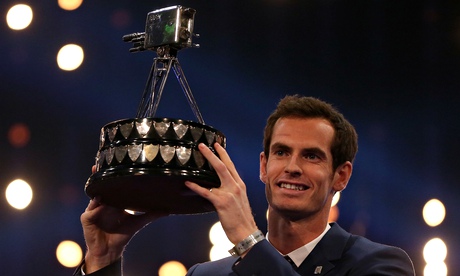
The winner was a worthy one. An amazing sportsman who makes jokes about himself and behaves like a gentleman. The evening belonged to the person who truly deserved it: Andy Murray. Fury has had his 15 minutes of fame.