ANDY Burnham has said he won't rule out introducing a wealth tax, but stressed he doesn't want to be seen as someone with "grudges or agendas" against rich people.
The Makerfield MP, who will become the UK's next prime minister next week, accepted that people want to see a "greater sense of fairness" as he spoke to Gary Lineker for Goal Hanger, while expressing concern over "dividing" the public further.
He also claimed he would be willing to disagree with Donald Trump, promising to be “very upfront” while “respecting the office” as he faced questions about his approach to a strained transatlantic relationship.

On the prospect of a tax rise for the “super rich”, he echoed outgoing Prime Minister Sir Keir Starmer’s promise not to “shy away” from “difficult decisions” but insisted he did not want to be perceived as someone with “grudges or agendas”.
“I’m not going to rule things out right now. I do believe we need a greater sense of fairness and people feeling that things are being done in the right way and a fair way,” he told Lineker.
“But at the same time, you know, I don’t want to sort of be perceived as somebody who’s coming in with grudges and agendas and, you know, going to just immediately find or demonise one group or create a new way of dividing people.”
He added: “So, you know, decisions to be taken in time, they’re going to be difficult. I’m not going to shy away from that. You know, we are going to have to work quite hard to make sure, you know, we can pay our way.
“And at some point that might be having to ask for a little more. But, you know, those decisions are not for now. They’re for another day.”
Burnham has previously committed to Labour’s fiscal rules but indicated he thinks there is room for movement on tax within the confines of the party’s manifesto, which rules out raising VAT, income tax or national insurance.
The former Greater Manchester mayor’s policy agenda has so far been largely focused on domestic priorities like devolution, and he has signalled he does not plan to spend as much time on the global stage as his predecessor Starmer.
He has apologised for the UK's early response to Israel's bombardment of Gaza, but refused to use the language of "genocide" to describe the over 70,000 killed. He also wouldn't commit to taking stronger action against Israel, a country he once said would be the first place he'd visit if he became prime minister.
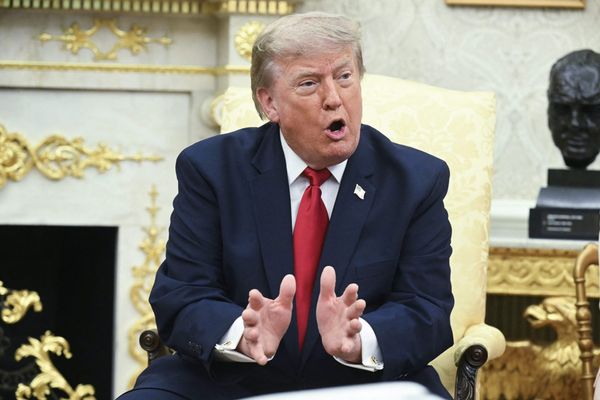
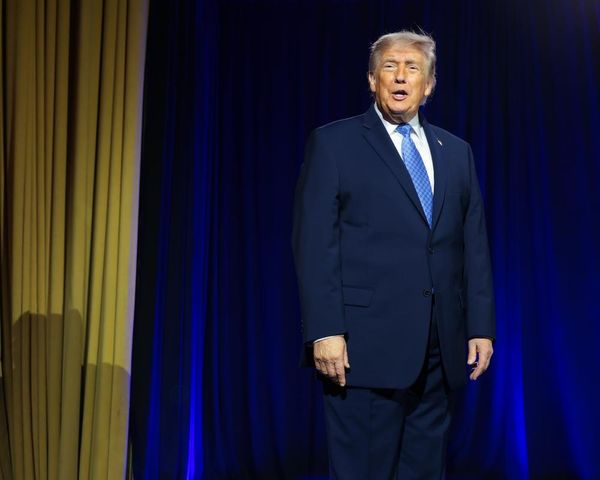
He will also need to navigate transatlantic relations with an unpredictable US president, who recently described him as “extremely liberal” and “mayor of a town”.
Prime Minister Starmer sought to pursue a conciliatory approach, but their relationship deteriorated over the Iran conflict.
Asked how he planned to deal with the president, Burnham said: “Maybe in a similar way to the way I’ve just described, I’ll just meet him where where he’s at.
“And you know, I like to think I’ve got some personality myself and I’ll just, you know, I’ll deal with him very upfront in the same way. I think he likes people to deal with him. He described Manchester as some town when he was referring to my position.
“And I might have to, you know what Mancs are like, Gary, that won’t have gone down fantastically well in the city I used to represent.”
He added: “But yeah, you know, it’s about being yourself, isn’t it? It’s about respecting the office, the relationship, the UK-US relationship.
“But, you know, where you disagree, do it, but do it in a way that is kind of meeting him where he’s at.”