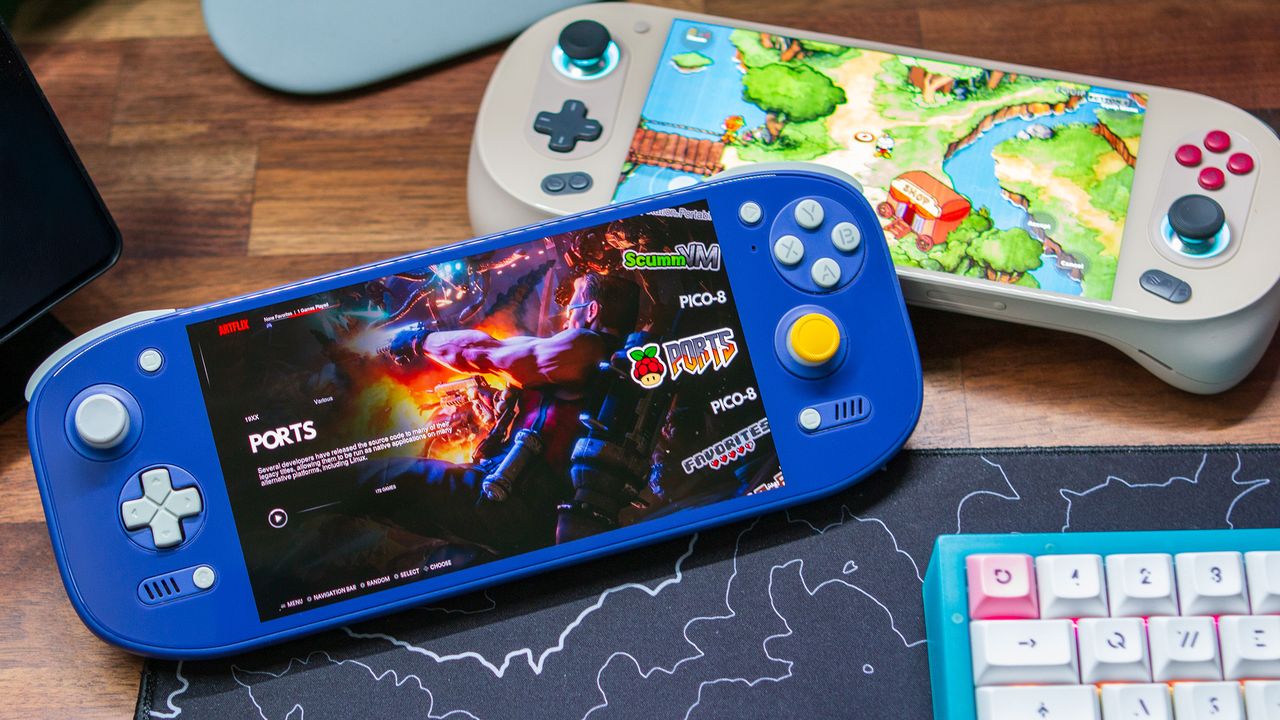

Beyond the Alphabet is a weekly column that focuses on the tech world both inside and out of the confines of Mountain View.
When the Steam Deck originally launched, it blew the rest of the competition away. Not because of its power, but because it struck the perfect balance between price and performance. The Steam Deck released with a $399 price tag, which was $300 less than the original AYANEO Windows handheld, and $250 cheaper than the ROG Ally that arrived in 2023. In the nearly four years since then, the gaming handheld landscape has undergone significant changes.
The price of x86 handhelds just continues to climb, with the GPD Win 5 arriving on Kickstarter, starting at ~$1450 and topping out at ~$2120. Those prices make the ASUS ROG Xbox Ally X's $999 price tag look like an absolute steal. But what if I told you that your next (or first) gaming handheld should run Android and is about 81% cheaper?
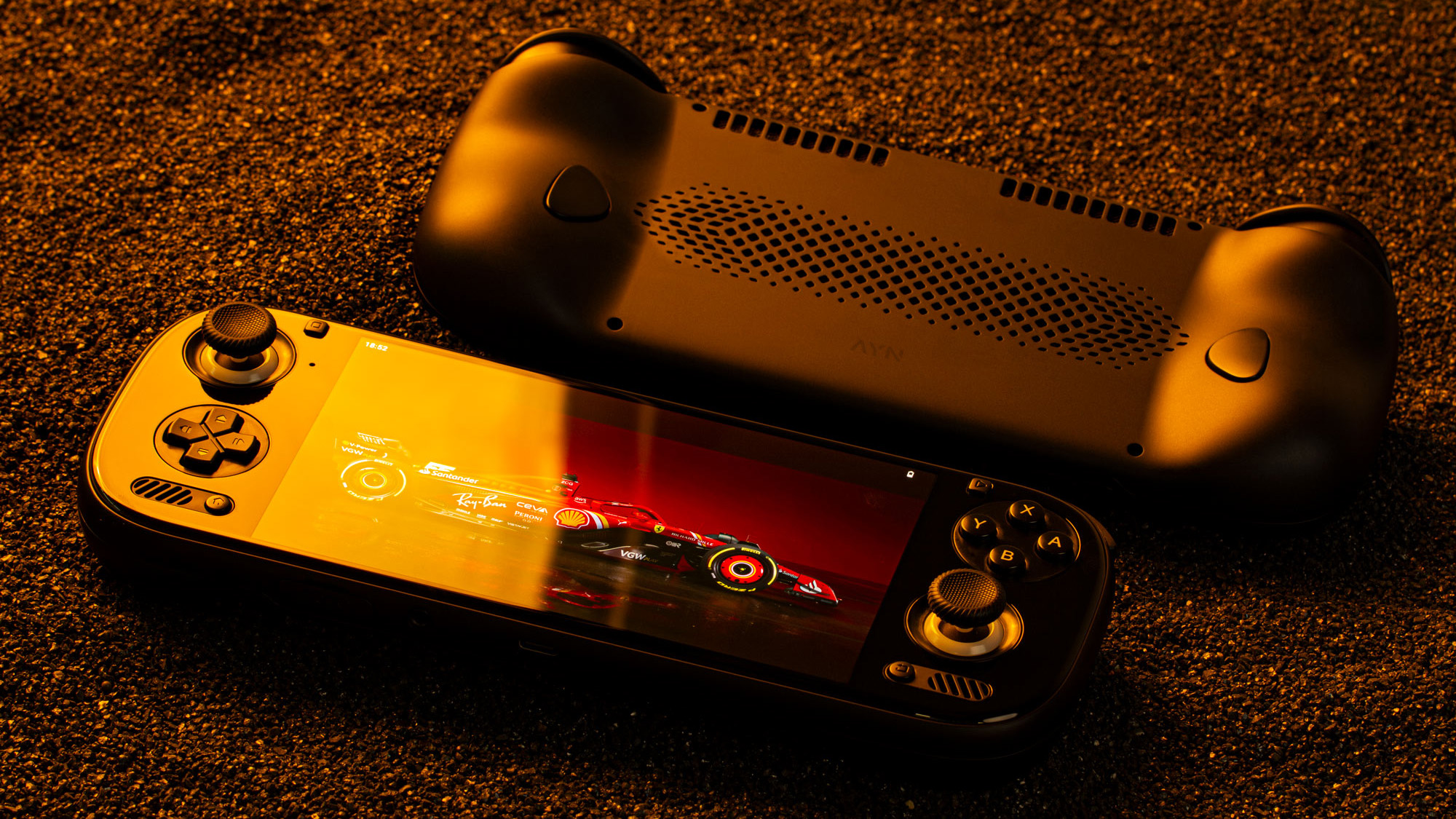
Recently, both AYANEO and AYN announced the first two Android gaming handhelds to be powered by the Snapdragon 8 Elite. Until now, the most powerful chip available in a handheld device was the Snapdragon G3 Gen 3, which is essentially a modified version of the Snapdragon 8 Gen 3 from last year.
That's not even the best part, as not only are we getting the 8 Elite in dedicated handhelds, but both the KONKR Pocket FIT and AYN Odin 3 start for less than $300. And if you wanted to get the top spec model with 24GB of RAM and 1TB of storage, the Pocket FIT is currently $499, while the Odin 3 comes in at $519. It's still something that I can't quite wrap my head around, even with Qualcomm's next flagship chip set to be unveiled soon.
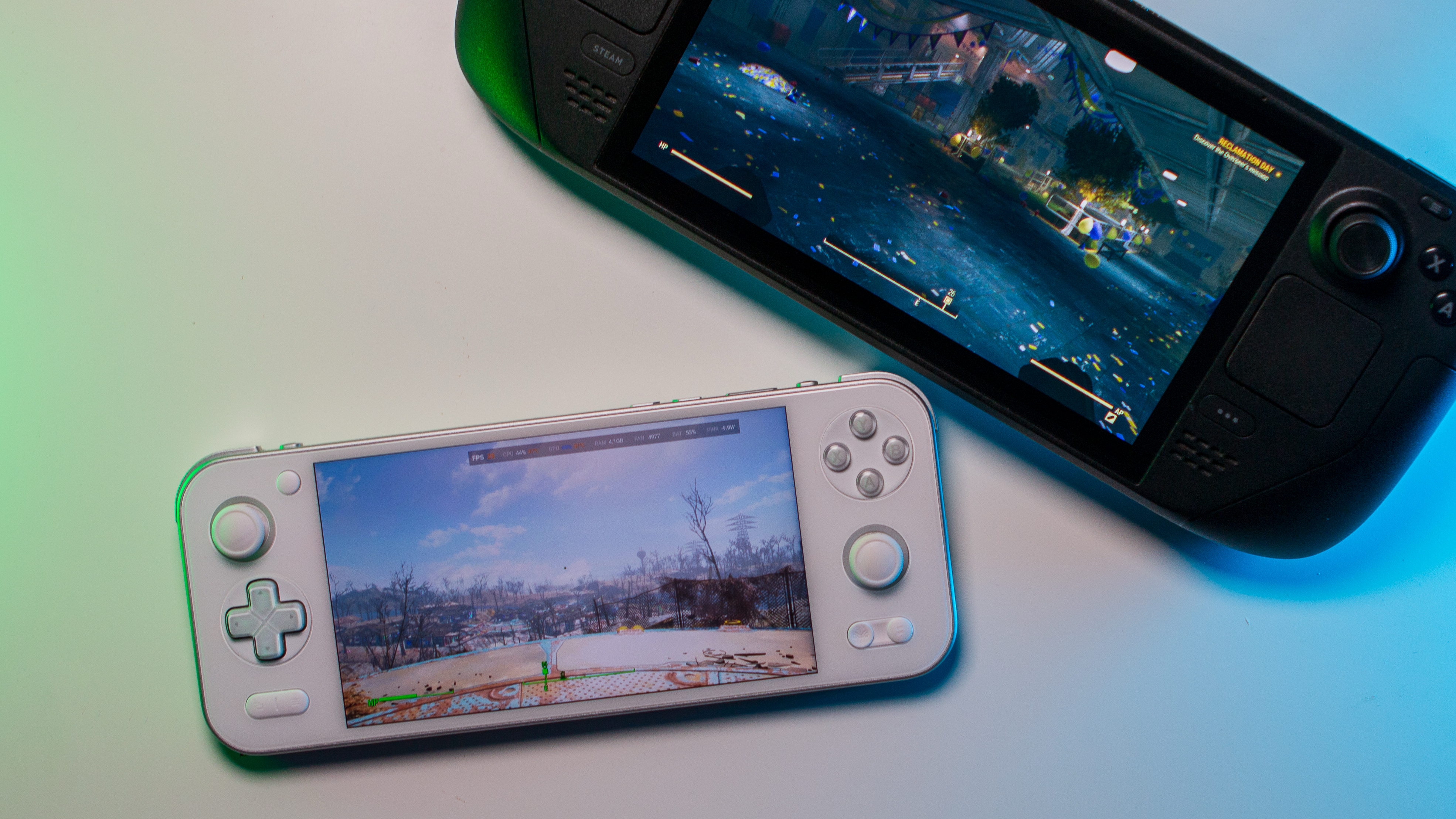
"But Andrew," you're probably asking, "this is like comparing a Prius to a Ferrari." Not so fast. Sure, you won't be able to play the latest AAA games like Battlefield 6 or Clair Obscur: Expedition 33. However, you might be surprised at the different kinds of games that you are capable of playing, and I'm not talking about digging through the slop in the Play Store.
That's right, I'm talking about Winlator again, and its never-ending list of forks. As a quick debrief, Winlator brings Windows emulation to Android. Over the past year, it has evolved from being an overly complicated emulator for the most dedicated of enthusiasts to offering significantly more.
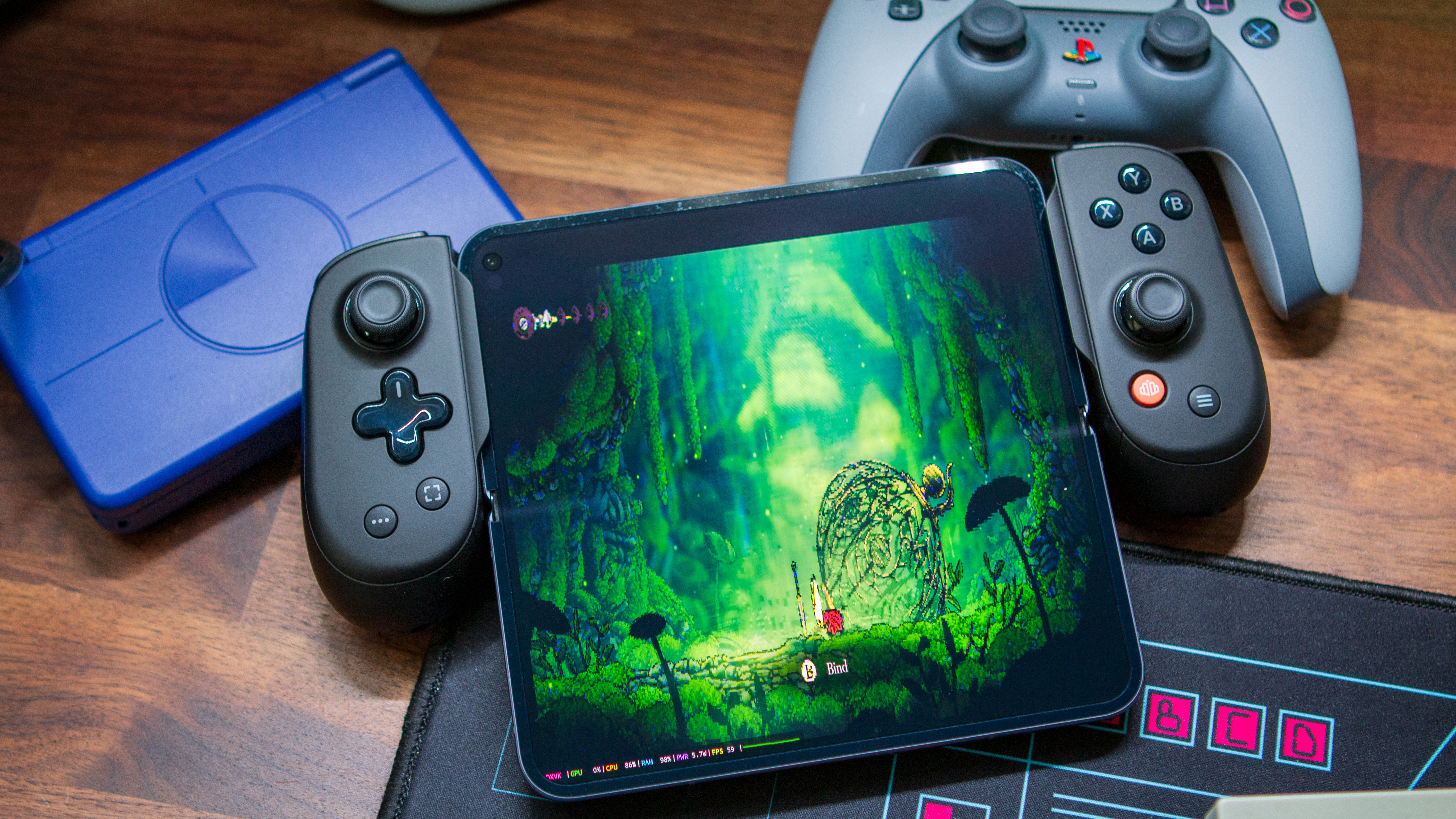
One such example, and arguably one of the most popular options currently in the community, is GameSir GameHub. I've written about it a few times, but this takes Winlator, puts it in a user-friendly wrapper, and lets you download compatible games right from your Steam library. Recently, I was able to go from installing GameHub to running Hollow Knight: Silksong within 15-20 minutes, without fiddling with any settings besides signing into my Steam account.
Some of that speed can also be attributed to GameHub's ability to identify the device you're using and the game you're trying to play, and automatically apply settings known to work. Whereas, if you were to fire up Winlator, you'll probably be spending quite a bit of time trying to find the right settings, only for the game to not load or work properly.
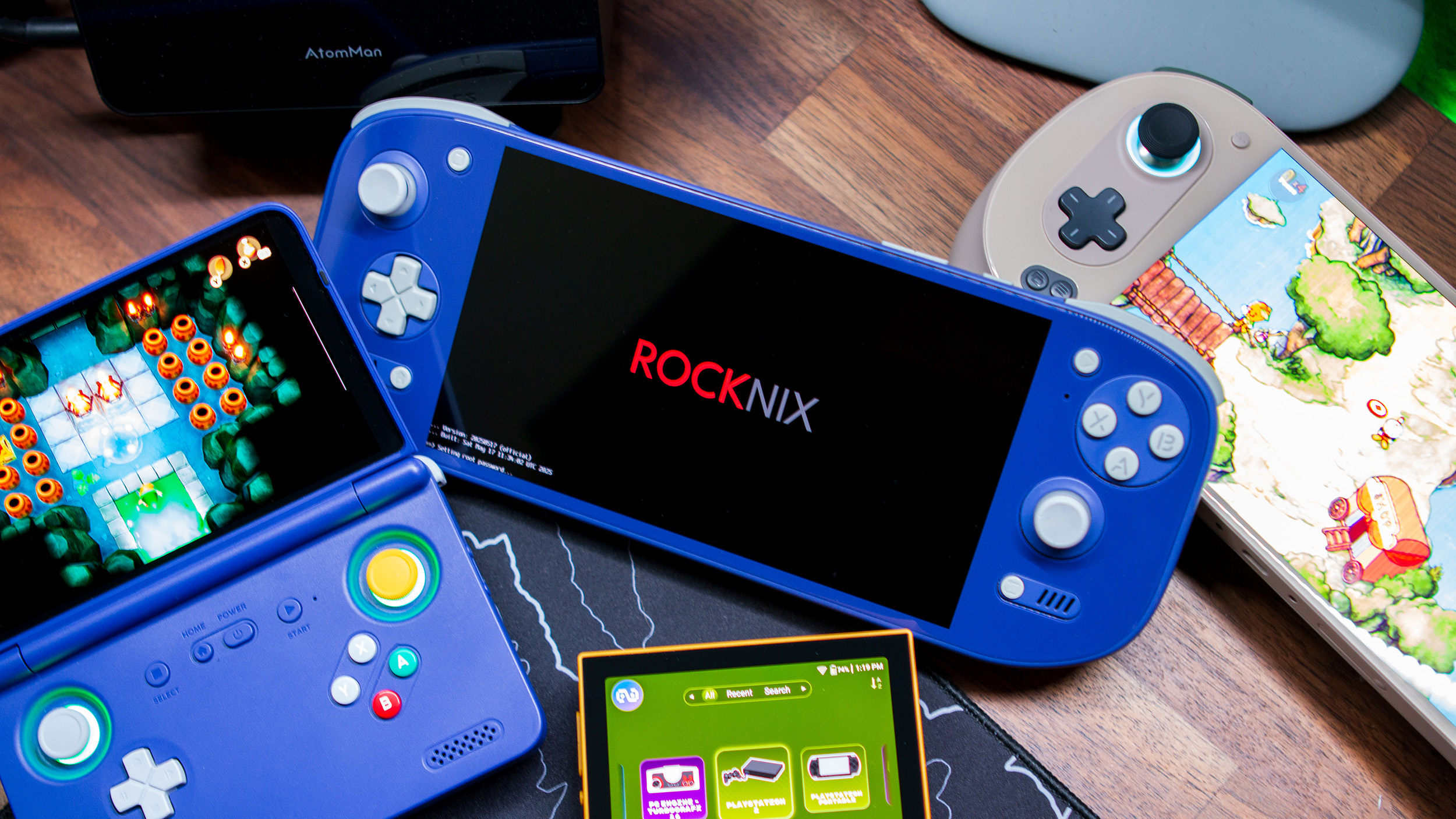
Plus, we already know that the Snapdragon 8 Elite is more than capable of emulating other consoles, including Switch games. Eden and Citron have both recently released major updates to their respective emulators, introducing better performance and compatibility. It's just about reached the point that these are set to dethrone Yuzu and Ryujinx for the majority of people. We just have to hope that development continues to flourish, uninterrupted.
With all of that in mind, how did I manage to perform the mental gymnastics of comparing these two Android-based handhelds to the Steam Deck, an x86 handheld? It's actually quite simple. Both AYANEO and AYN are releasing handhelds that look to offer the same price-to-performance ratio that the Steam Deck still does to this day.
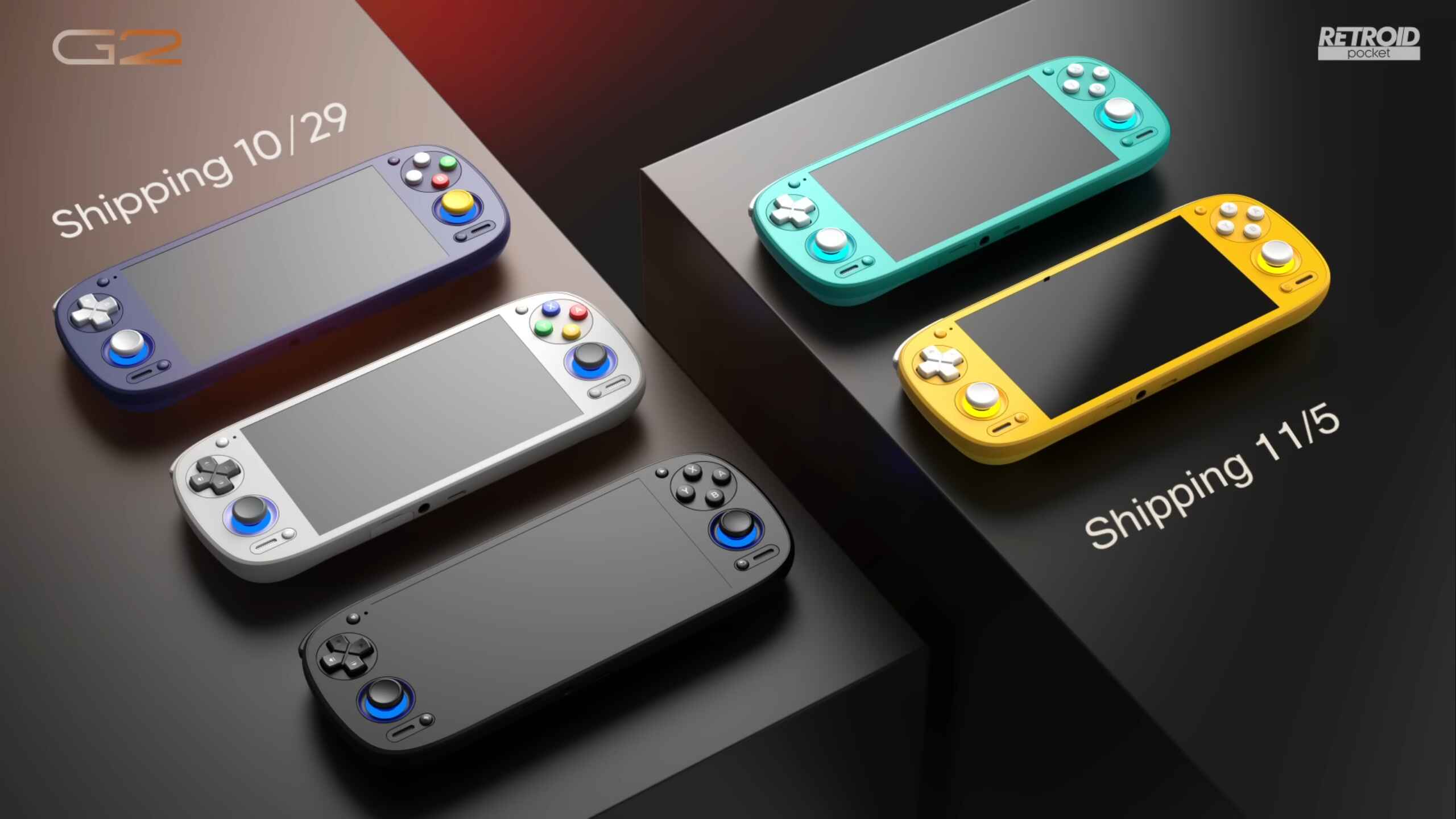
You could even toss the Retroid Pocket G2 into the mix, with its Snapdragon G2 Gen 2, offering excellent emulation and gaming performance for around $200. Ultimately, the point is that the Steam Deck revolutionized the x86 handheld space by lowering the price barrier, and now AYANEO, AYN, and Retroid are doing the same.
You can always fall back on using the phone or tablet you already own to play games on the go. But doing so introduces additional barriers while removing the convenience of a dedicated gaming device.
FAQ
What are some of the most popular Android gaming handheld brands?
OEMs that make some of the best Android gaming handhelds include AYANEO, AYN, Retroid, and Anbernic, although newcomers and smaller names like MANGMI and MagicX also make impressive handheld consoles.
Can these powerful Android handhelds play PC games?
Yes, they can, thanks to increased capability for running PC games through Windows emulation software like Winlator. Furthermore, user-friendly wrappers like GameSir GameHub simplify the process by allowing users to download compatible PC games directly from their Steam library and automatically apply optimized settings for a seamless experience.
Why should someone buy a dedicated Android gaming handheld instead of just using their existing phone or tablet?
While a phone or tablet can be used for on-the-go gaming, a dedicated gaming device removes certain barriers and offers greater convenience. Dedicated handhelds provide physical controls, optimized cooling, and a form factor specifically designed for long gaming sessions, which is a major advantage over clipping a controller onto a standard smartphone.