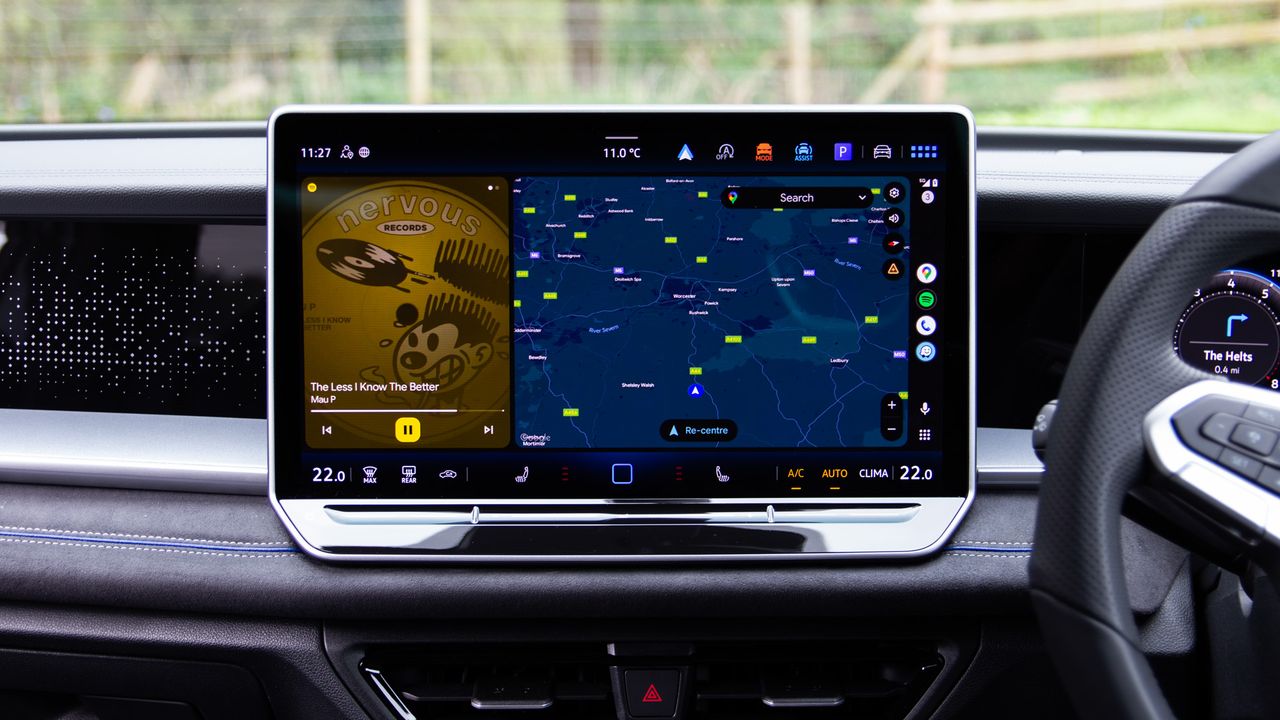
Android Auto could soon add the option to change the driver avatar that's seen in Google Maps.
The option is currently available in the Google Maps app and appears to be coming to Android Auto, too.
Android Auto could soon add more settings, allowing drivers to customise the display further. Hidden options in the latest version of Android Auto have been discovered, revealing new details.
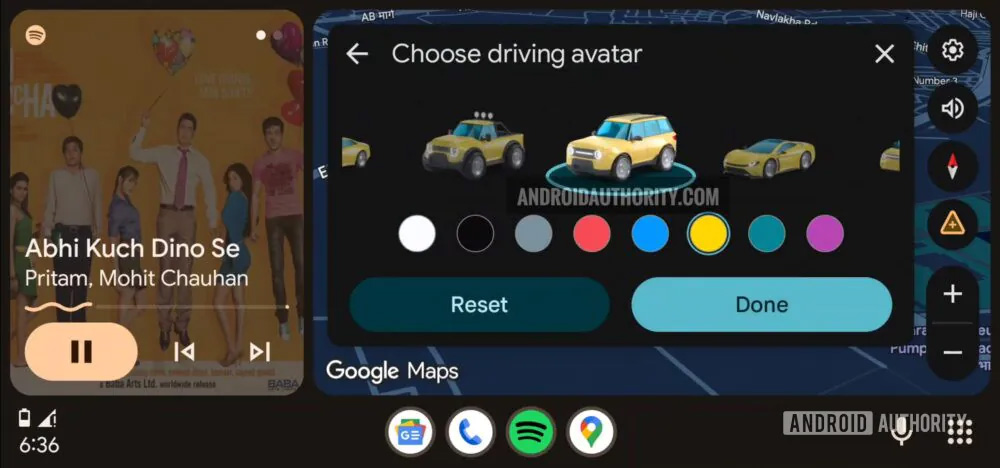
One of the nice features in Google Maps is the ability to customise your driving avatar – that's the little icon that appears on the map to show where you are. By default, it's a simple blue arrow, but through the Google Maps settings, it's possible to change the type of vehicle and the colour, just to make it more personal.
So far, it hasn't been possible to make those changes in Android Auto as well, so even though that custom avatar is visible, you have to return to your phone if you want to change it.
However, in the latest release version of Android Auto, Android Authority has found controls that bring the customisations to the in-car interface. That will bring up a similar menu to the one in Google Maps on your phone, allowing you to make the changes to the vehicle you're driving.
These controls currently aren't visible to users, but seem to work, with syncing back to your phone. So a change made in one place appears in the other. That suggests it's an update that Google will enable at some point in near future.
But if you follow the story of Android Auto, you'll know that there's often a lot sitting in the background that can take a long time to surface. Even some planned features – like Gemini – still haven't reached many users, despite being announced months ago.
Android Auto has been slow to add more detailed controls, usually leaving those to the phone – or just not allowing them at all. That's given the feeling that the car software has been a little static for some time.
That's understandable to an extent: Google is keen to avoid too many distractions when driving and that means that the core media, communication and mapping functions are slow to evolve, to avoid confusing users with regular changes.
At the same time, some of the popular apps that Android Auto offers aren't a patch on their smartphone-based original. Waze, for example, lacks useful features like route sharing, meaning drivers have to share that from their phone, rather than being able to tap the option on the screen when driving.
Even though this new option to control the avatar looks fully formed, there's no way of telling when it might be publicly available.