
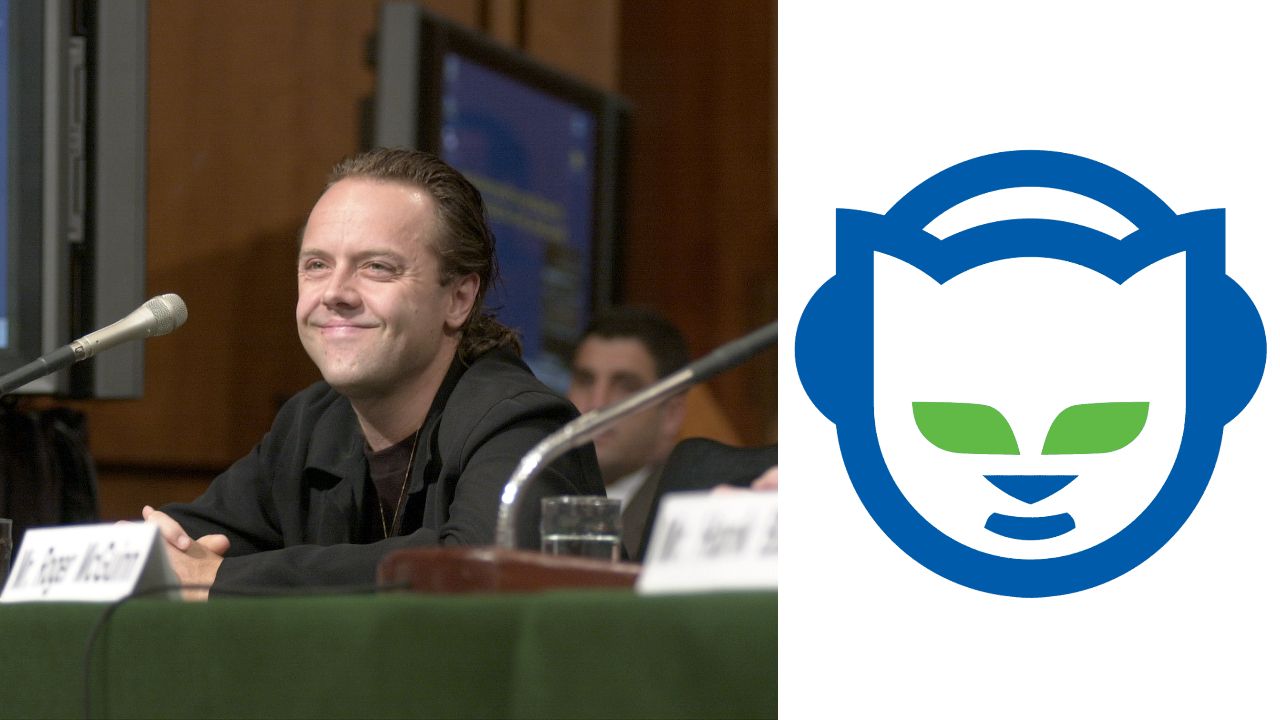
On April 13, 2000, Metallica would file one of the most infamous lawsuits in the history of music, in a move that'd mark a new era in music listening habits. Taking on P2P filesharing service Napster for what drummer Lars Ulrich claimed was copyright infringement, following the widespread sharing of a demo version of the band's 2000 track I Disappear on Napster's platform, Metallica threw themselves in the firing line of fans and peers who accused them of being greedy capitalist monsters out to upend the future of music.
The reality wasn't as black and white as that. Napster may have ultimately bitten the dust after filing for bankruptcy following the fallout from Metallica's lawsuit, but other streaming platforms quickly arose in its place.
Today, streaming is by far the biggest avenue through which music is listened to - often to the detriment of the artists involved, with many high-profile streaming services being accused of massively underpaying the musicians through which their platforms thrive. In many ways, Lars was right - it's a model that just doesn't serve artists fairly on a financial level.
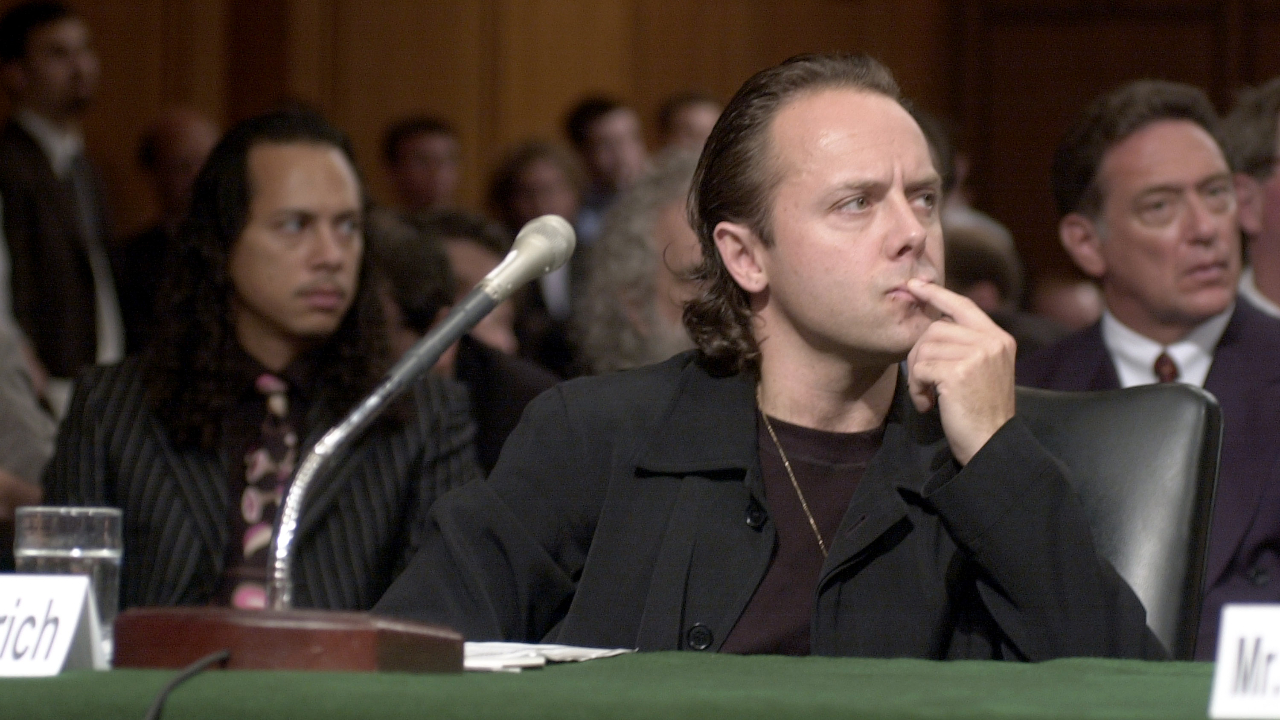
That doesn't mean he or Metallica necessarily went about everything the right way at the time, of course. For a start, delivering a list of 300,000 user names to Napster and asking them to terminate each account was a swing and a miss in public relations terms.
And then there was that MTV video. Aired during the 2000 VMA awards, it took the form of a fake commercial, starring VMAs host Marlon Wayans as an eager young Metallica fan happily guzzling up their music through Napster in his college dorm.
Cue Lars Ulrich's arrival for a brief lesson in economic 'fairness'. "Frat boy! What the hell do you think you're doing, man?!" he asks sternly. "Holy crap!" squeals Wayans. "Do you know who you are?!" What follows is an awkward exchange in which Lars claims that if Wayans can "share" Metallica's music, Lars should be able to "share" (AKA steal) whatever he likes - starting with Wayans' can of Pepsi.
"I'm just sharing ten years of groupies with ya, frat boy!" Lars smirks as Wayans takes an excited glug. Lars then proceeds to lay claim to Wayans' computer, his trophies and, um his girlfriend.
"I'm starting to like this whole sharing thing," beams the drummer as he slaps Napster stickers on everything he can find, before calling in some heavies to remove all of Wayans' worldly possessions. "Napster: sharing's only fun when it's not your stuff," looms a Lars voiceover at the end.
It was clearly a bit of self-parody as much as a barb at Napster themselves, but the public reaction to the clip was lukewarm at best (fans of a certain age may remember those viral Camp Chaos 'NAPSTER, BAAAAAD!' cartoons that came out in response).
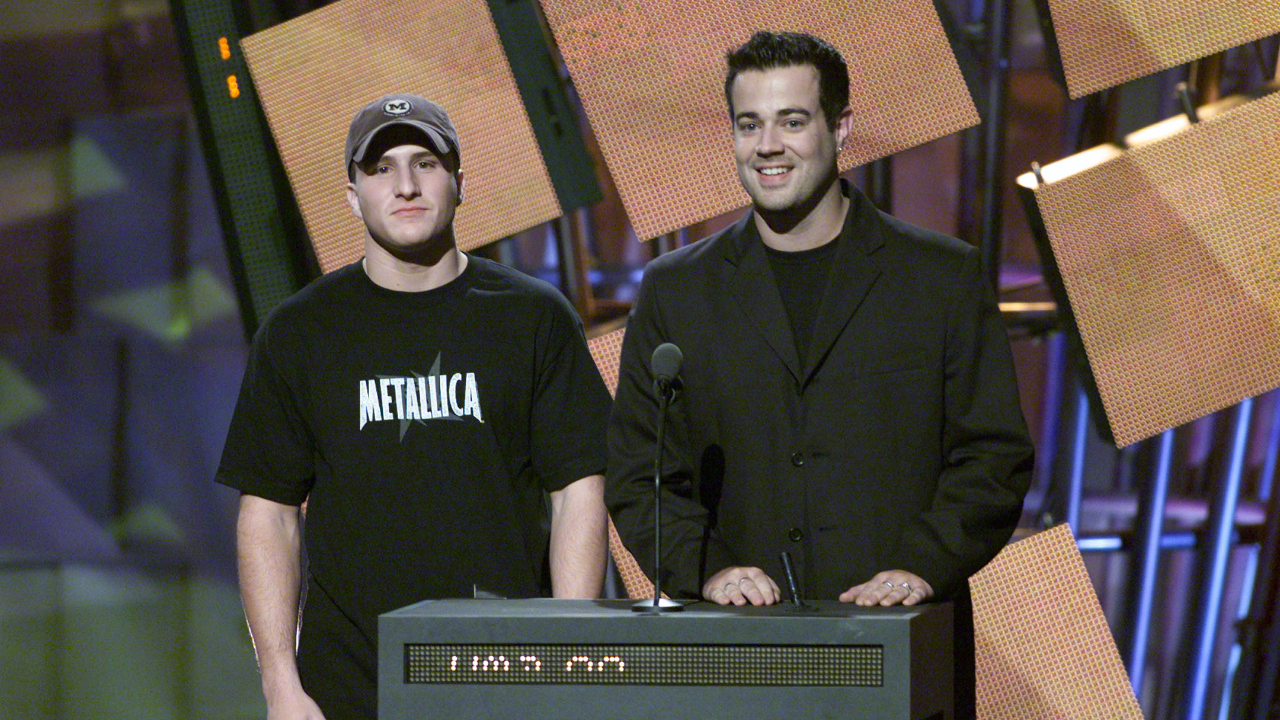
In fact, Napster got to take a shot right back at Metallica almost immediately - co-founder Shawn Fanning turned up to the very same awards show, played on stage with a blast of Metallica's For Whom The Bell Tolls, no less, while wearing a Metallica shirt. Ouch! He was there to introduce Britney Spears, but he made time to reference his choice of attire, joking: "a friend shared it with me!". Ah, classic early-00s banter right there.
Metallica may have won the battle by finishing off Napster, but music sharing services and streaming undoubtedly won the war. Fortunately, nowadays Metallica are roundly regarded as one of metal's nicest bands, having formed one of the strongest and most wholesome bonds with their fans of any major rock act in the world. While the Napster business is often still raised in certain, angry corners of the internet, it certainly seems that, for the most part, Metallica have long put the issue firmly behind them. Much like that weird video, thankfully.