

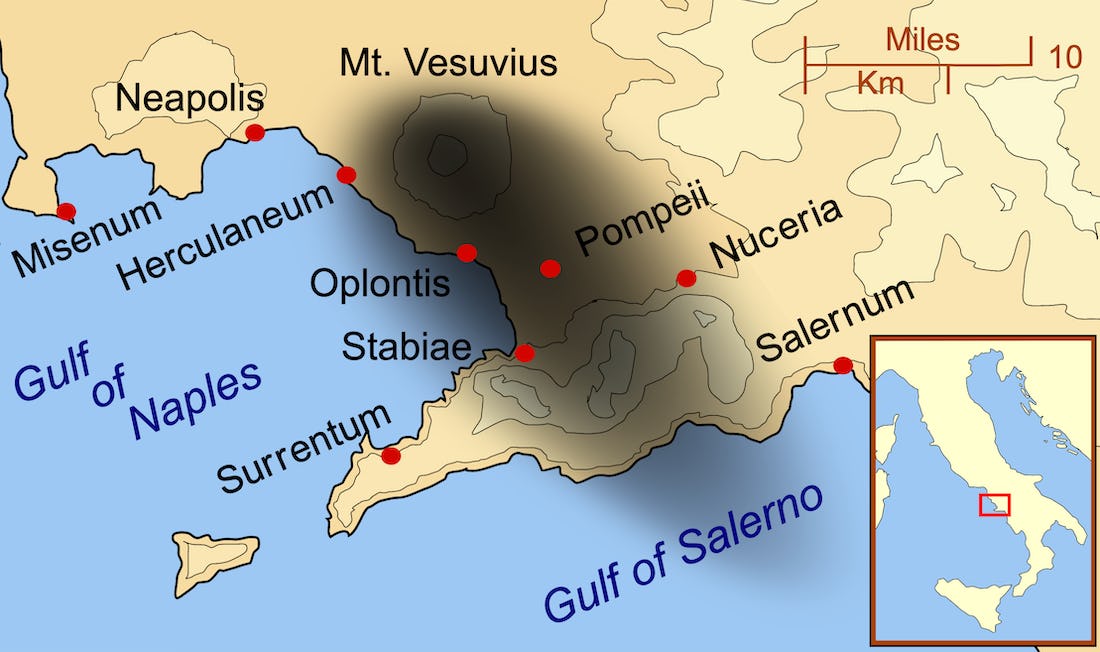
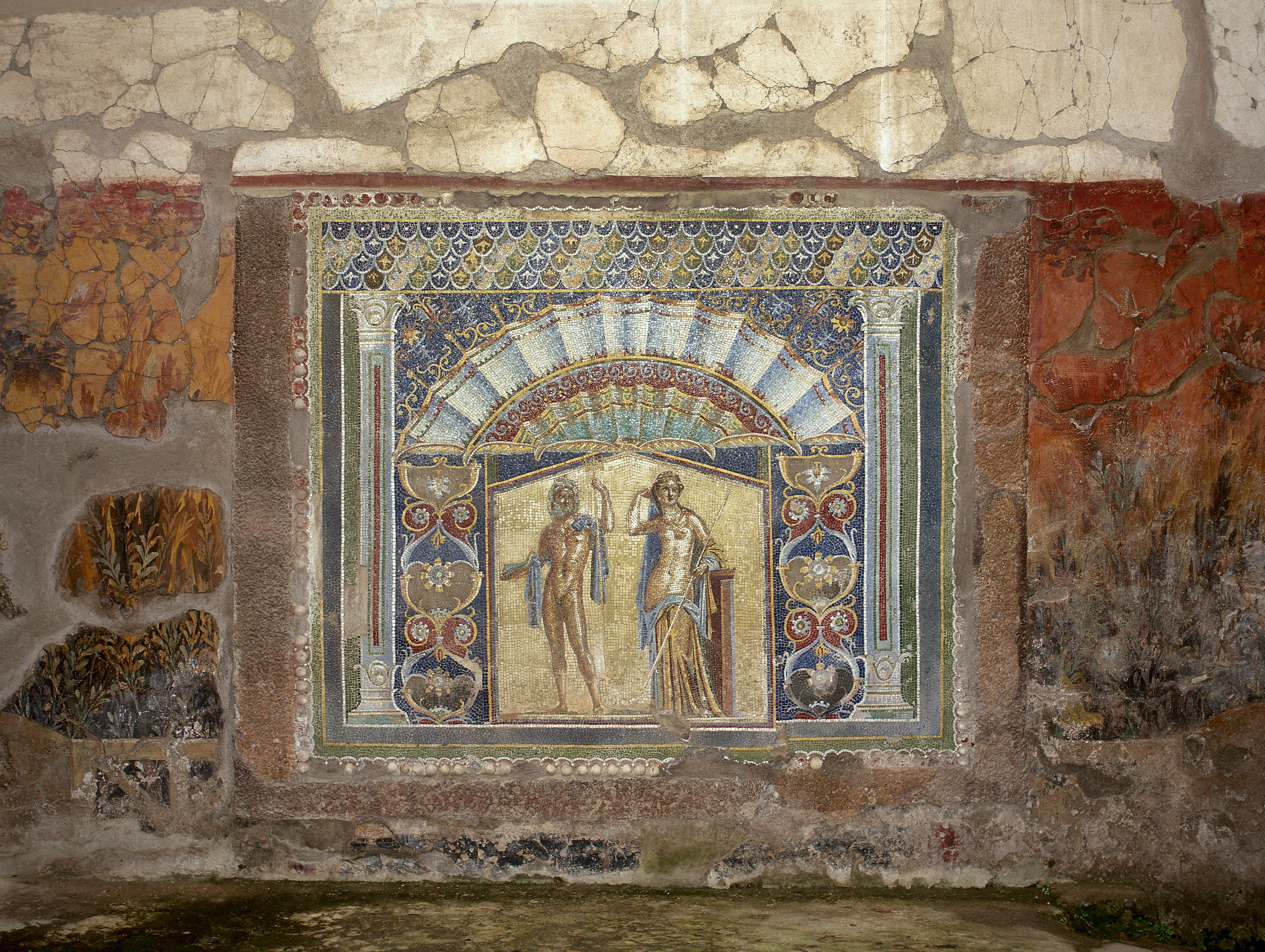
Herculaneum was a seaside getaway for Rome’s decadent crowd, evidenced by the abundant use of colored marble inside its stately houses and the bright frescos covering the walls of the luxurious villas. Then, one day, the entire town died.
When they were alive, the people of this affluent town of 5,000 had a diet that would make any sensible person drool. For starters, they ate an incredible amount of fresh fish and olive oil, far more than current-day adherents of a modern Mediterranean diet.
The recently discovered findings show how these ancient Italians filled their bellies through bone analysis. The results offer fresh insights into the origins of some of the most iconic Italian dishes, like scialatielli ai frutti di mare, which is fresh pasta with shrimp or clams. It’s a dish that’s still served on the Amalfi Coast today.
The discovery — A study published in August in the journal Science Advances describes how archaeologists looked inside the bones of the ancient peoples of Herculaneum, using a method called Longin collagen extraction. The researchers then determined the stable isotope values of amino acids from that bone collagen. They used statistical models that incorporate knowledge of protein synthesis to figure out just how much fish a Herculaneum man ate. (Bone collagen can tell you what a person ate when they were alive, thanks to chemical signatures in the collagen.)
Today, the bones safely stored out of respect and for preservation belonged to people who, as you might have guessed by now, perished during the eruption of the volcano Mount Vesuvius in 79 A.D.
Soncin and her team sampled the rib-bone collagen of 11 adult males and 6 adult females and found signatures of carbon and nitrogen — these are primarily derived from food eaten in the years before the bone is preserved.
Curiously, the men showed greater levels of seafood-derived chemicals.
“The men were consuming 50 percent more marine protein from fish compared to women,” Silvia Soncin, an archaeologist at the University of Rome, tells Inverse. Soncin was part of the team that made the discovery. Women ate more meat, eggs, and dairy than men.
“Even if you see this difference between men and women, the quantity of marine fish that the women were eating is much higher than the fish that overall as a population we eat today,” Soncin says.
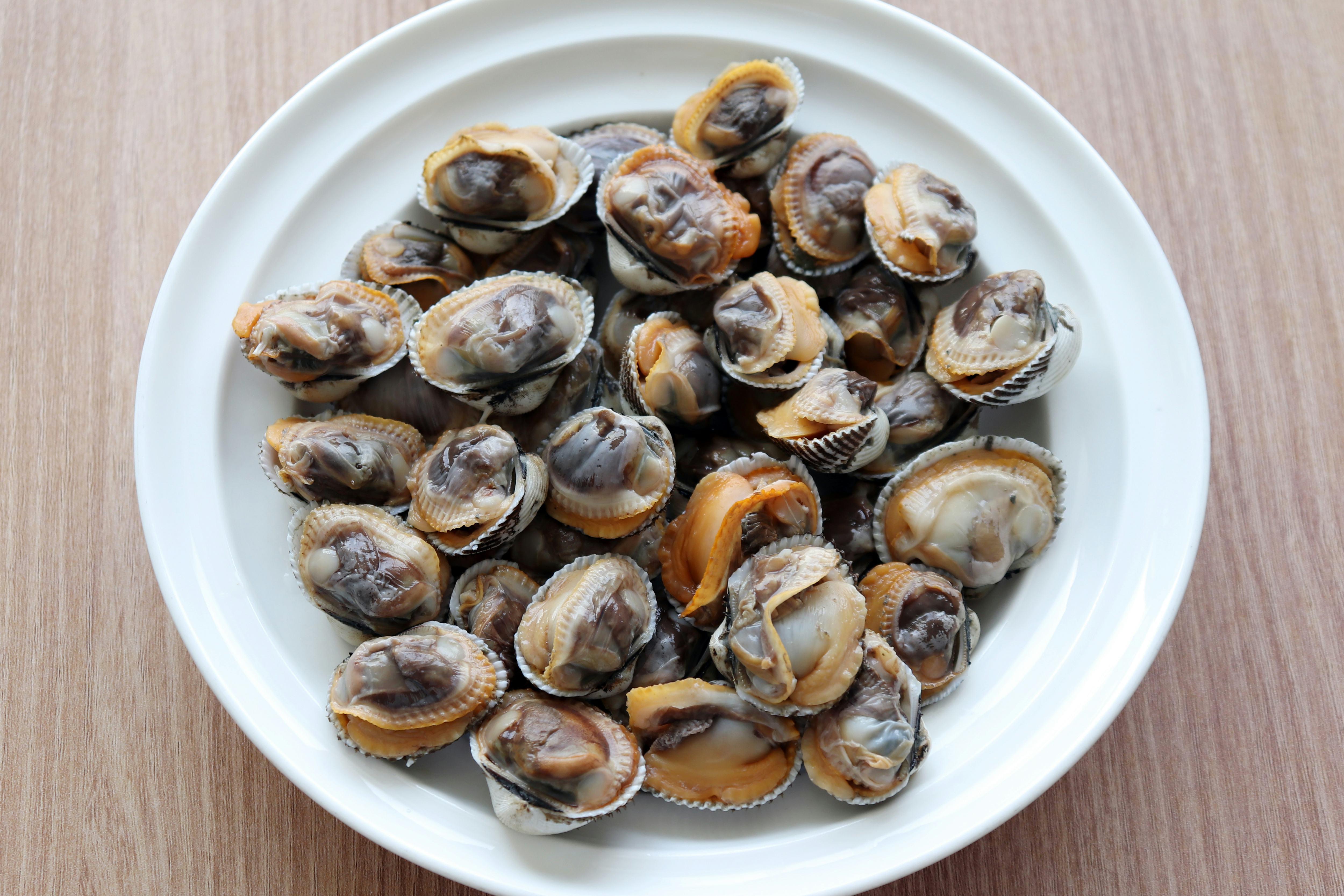
A separate excavation done on a Herculaneum sewer hints at what types of marine food the people there ate, so modern curious eaters can more accurately sample ancient cuisine. Shellfish, eels, and bony fish like anchovies were all on the menu in 79 A.D.
Sonscin hopes antiquity historians can flesh out why men ate more seafood than women. One idea is that men did more fishing. Still, Ancient Romans’ seafood consumption outmatches that of modern middle-class Italian families, which Soncin says is usually about three times a week.
HOW TO VISIT HERCULANEUM — International travelers looking to scope out Herculaneum, Pompeii, and Vesuvius for themselves can fly into Fiumicino Leonardo da Vinci airport in Rome, a city with plenty of sites to visit in its own right.
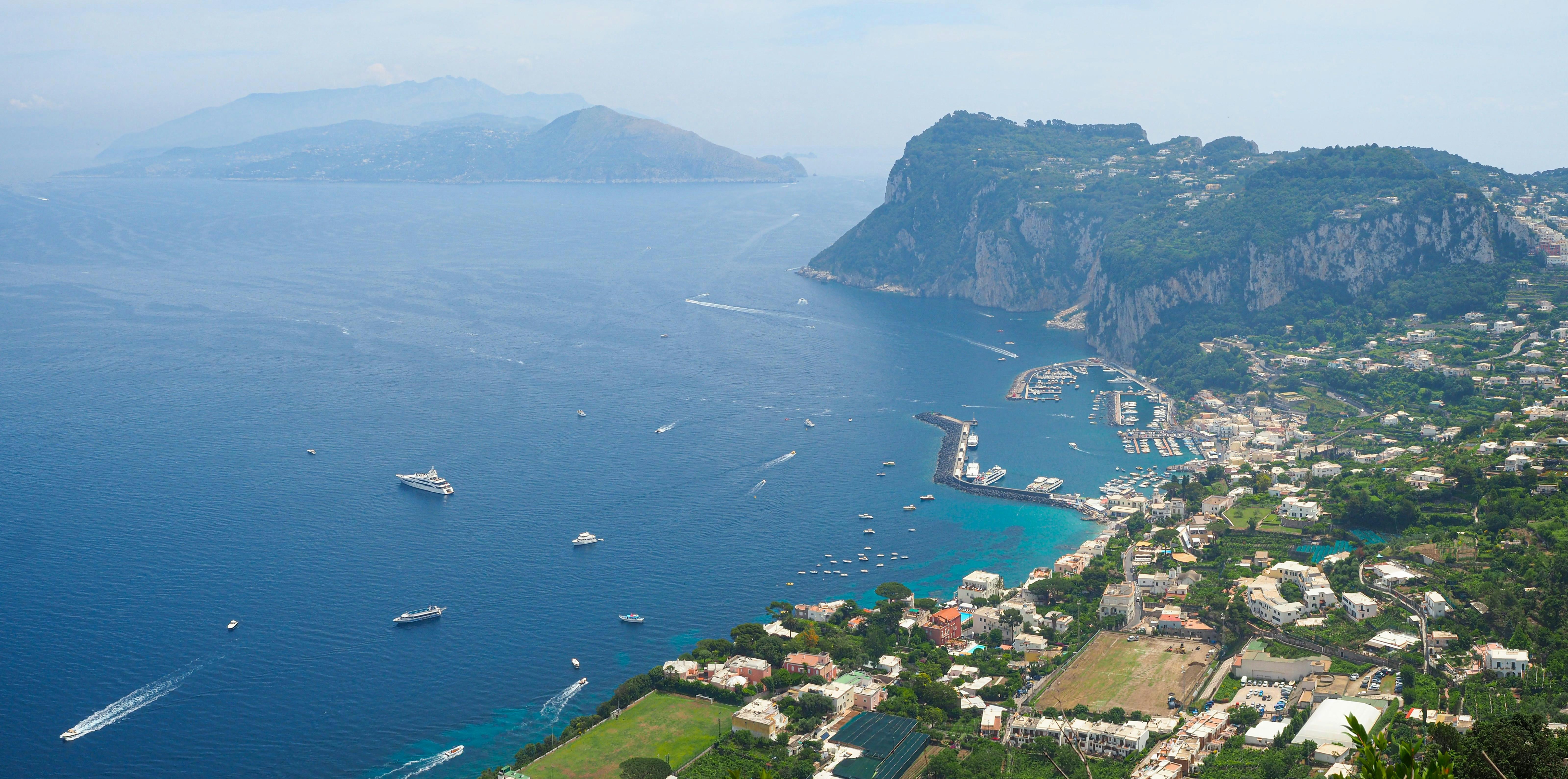
An inexpensive two-hour train ride departs Rome’s Termini train hub to Naples’ Centrale station. Travelers can then spend a day or two checking out gastronomic gems in the city or on the islands of Ischia and Capri before taking a local train to their archaeological destination of choice.
How to explore Herculaneum —
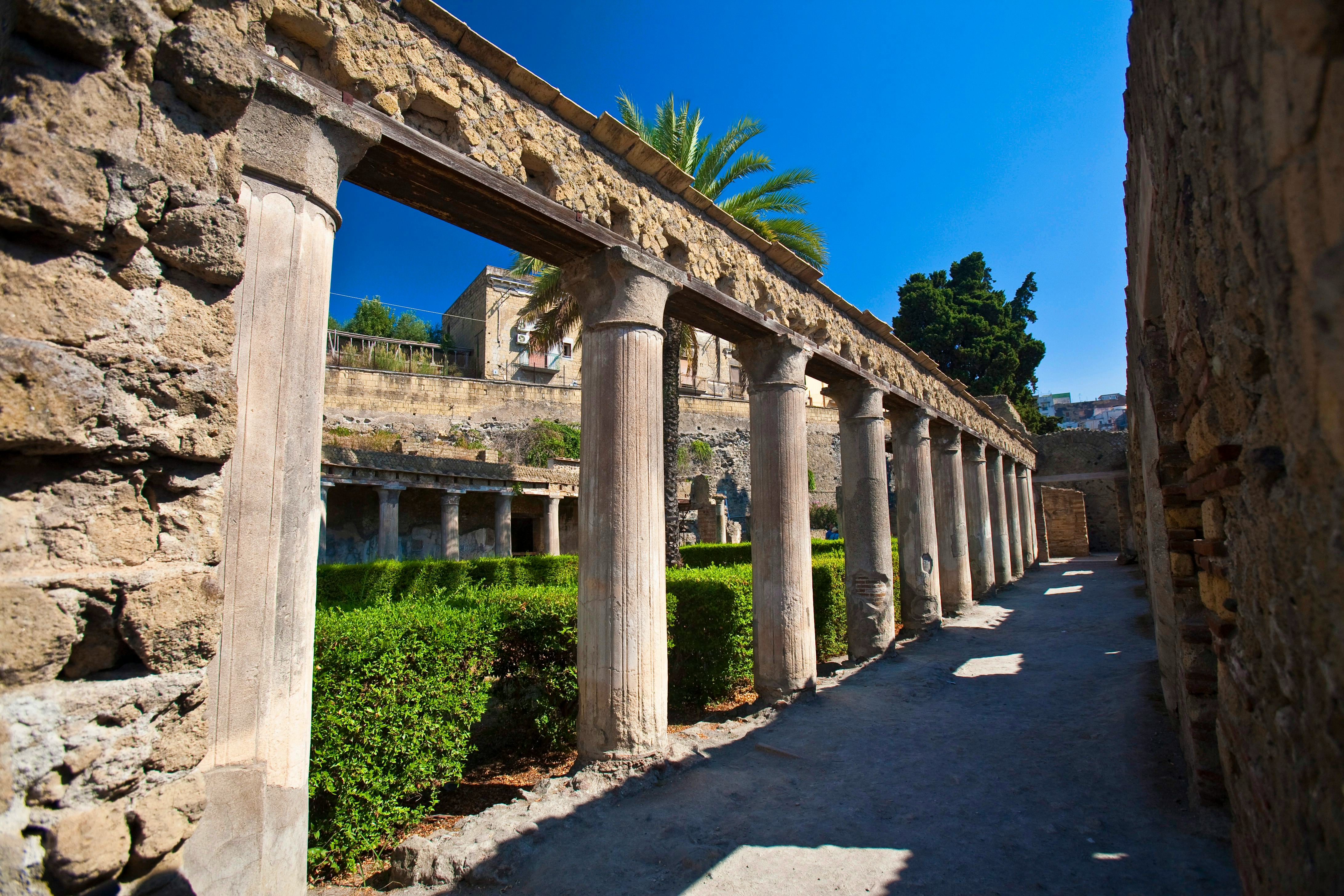
Travelers can zip between the ruins of Pompeii, Herculaneum, and neighboring Torre on this iconic stretch coastline. Herculaneum itself takes a few hours to tour on foot, and you can even go with an archaeologist to guide you.
The Parco Archeologico di Ercolano, or the Herculaneum Archaeological Park, is smaller than nearby Pompeii, but it is also perhaps more resonant with today’s travelers seeking to relax at these cerulean shores.
Herculaneum, once the resort town, still offers some of that same comfort 1,942 years later.
Today, this UNESCO World Heritage Center is open to the public. In fact, Herculaneum may have been the world’s first open-air museum, according to UNESCO. The organization points to several “opulent” landmarks you need to see today:
“In Herculaneum several impressive public buildings are well preserved, including a spacious palaestra accessed through a monumental gateway, two sets of public baths, one of which (Central Thermae) is monumental and vividly decorated, the College of the Priests of Augustus, and a theatre of standard form. The Villa of the Papyri, outside the city walls, is an opulent establishment. The town is also noteworthy for the completeness of its shops, still containing equipment such as enormous wine jars.”
Best time to visit Herculaneum — The spring and autumn months are the best time to visit the Campania region of Italy. The mid-summer months can be unbearably hot. You are also less likely to run into hordes of summer holidaymakers, giving you a clearer view of the incredible remains at the Herculaneum site (and more space at the restaurant tables).
Why science tourists should visit Herculaneum — Learning what was once inside someone’s gut can reveal loads about the society and environment at large, making research like this important for illustrating the past.
A trip here is a chance to strip away notions about Italian cuisine.
Let’s start with a first-century A.D. classic dish: puls. This thick stew is made of grains, often mixed with vegetables, just a little meat, and cheese.
For those looking to avoid stew, go to a local eatery and order sea bream —a tasty, medium-sized, white fish. Adventure-seekers might also sample sea urchin, a spiny creature with yolk-colored, unctuous insides that are enjoyed worldwide.
Charred loaves of bread have been recovered from Pompeii and Herculaneum. The British Museum even has a video where a chef accepts the challenge of recreating the bun at home, and you can too.
To keep your meal as authentic as possible, ditch the pasta and try shucking your clams yourself as chef Lidia Bastianich does in this video to create a clam sauce for a sea-inspired bruschetta. Adding ingredients native to the region, like parsley and red onions, will add an extra flavor dimension to your dish.
Go heavy on olive oil, too. Soncin tells Inverse that Ancient Romans used olive oil to preserve food, which may explain why ancient people at Herculaneum also showed signs of heavy olive oil consumption.
Preserved fish is another option, so dig out the canned sardines and transport yourself to the coast by tastebud. Both preserved and fresh fish were likely on board a trade ship from about the same time period, the wreckage discovered near Grado, Italy. Ancient people loved their seafood so much that scientists think they built hydrologic tanks on their boats to carry fresh fish to new places.
Other key ingredients, like fava beans and goat cheese, are also available at many markets closer to home.
CENTURION RATING: 🏛🏛🏛🏛🏛🏛🏛🏛🏛/10. A delicious nine classical buildings out of ten. In other words, we definitely think you should visit the hipster’s Pompeii, the ancient ruins of Herculaneum. The hottest resort town of Ancient Rome.
WORLDVIEW is an Inverse travel series that uncovers hidden history.