Ancient Egyptian tombs yield rare find of mummified scarab beetles
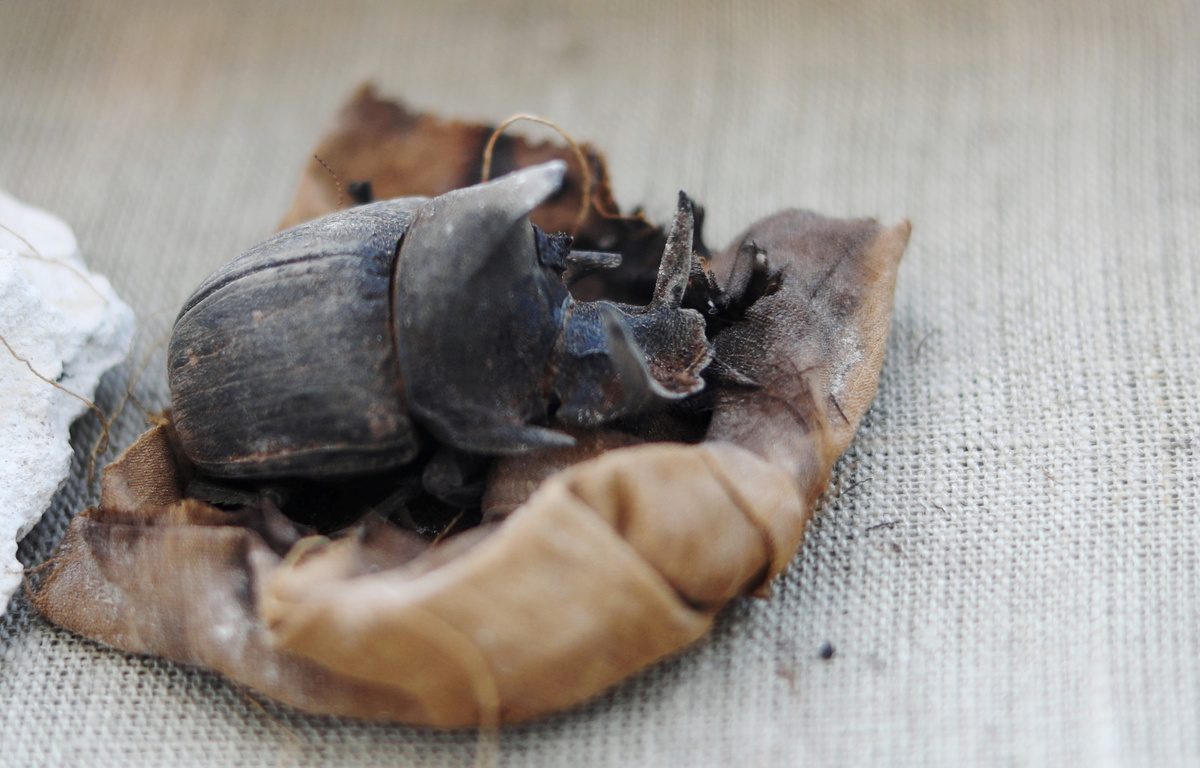
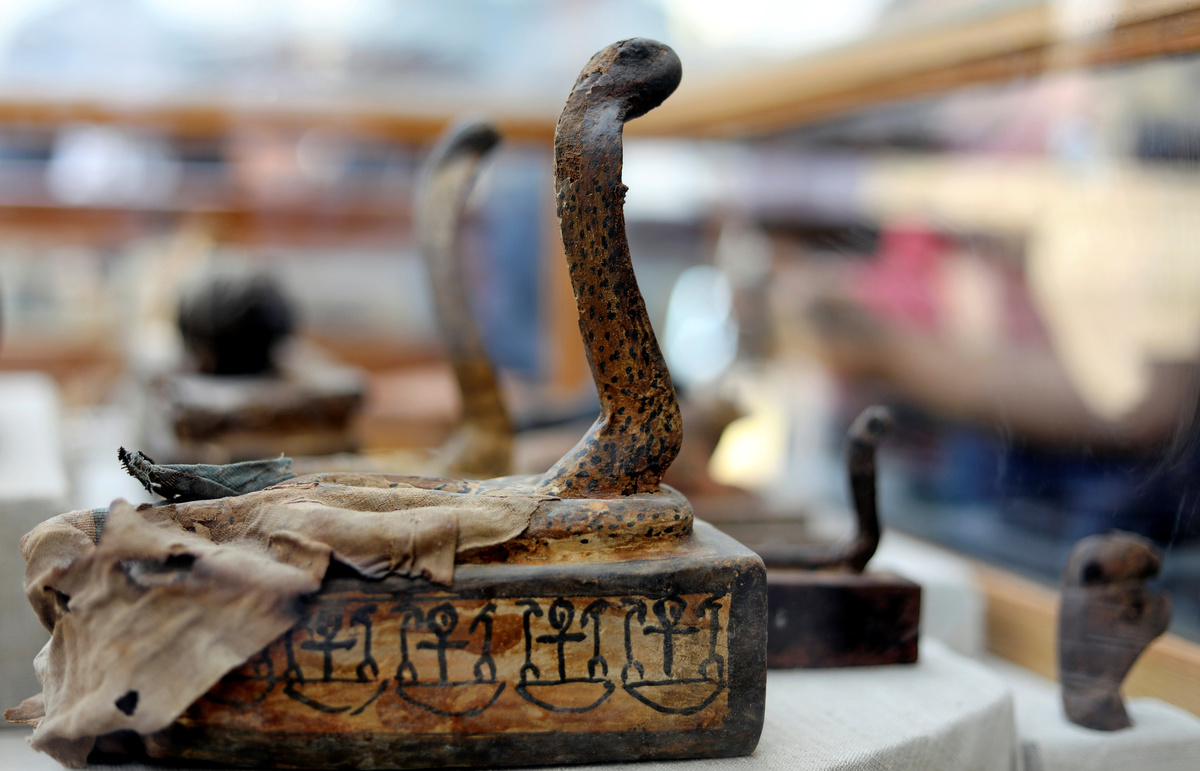
A mummified scarab inside the tomb of Khufu-Imhat on display, at the Saqqara area near its necropolis, in Giza, Egypt November 10, 2018. REUTERS/Mohamed Abd El Ghany
SAQQARA, Egypt (Reuters) - Archaeologists in Egypt said on Saturday they had discovered a rare collection of mummified scarab beetles, as well as an apparently pristine Fifth Dynasty tomb that they plan to open in the coming weeks.
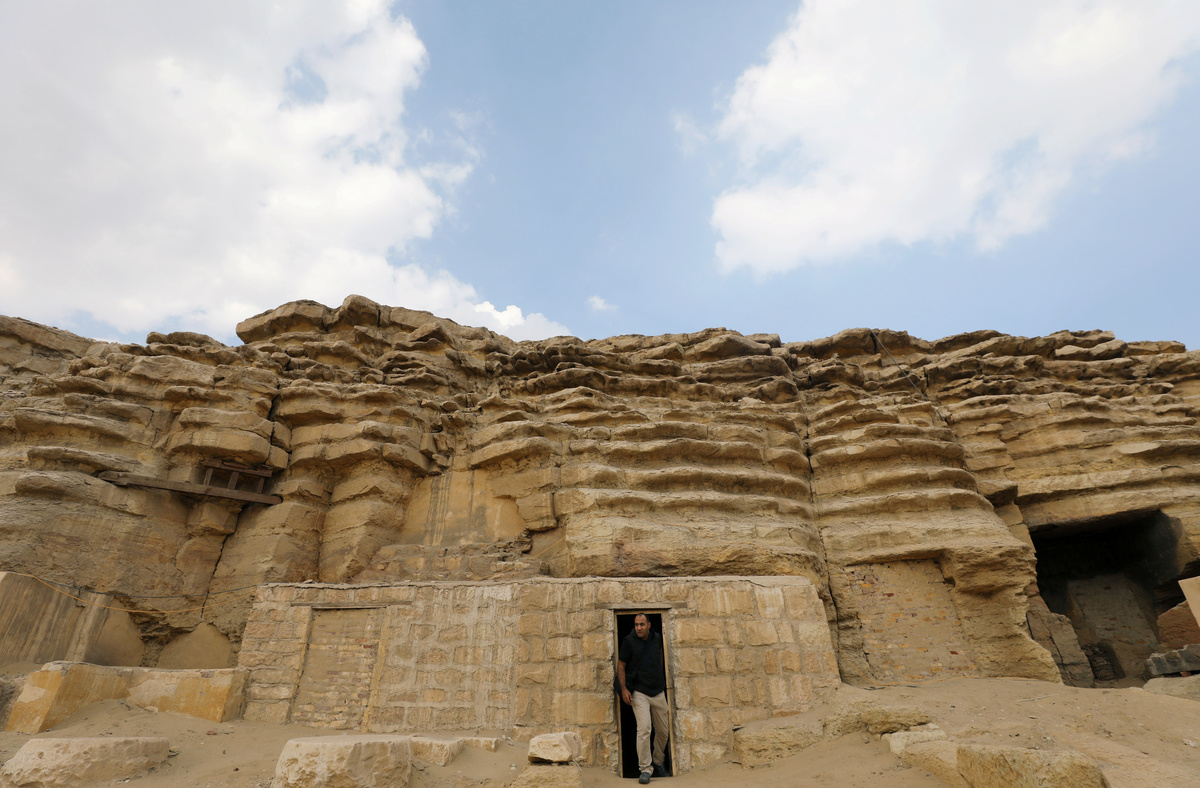
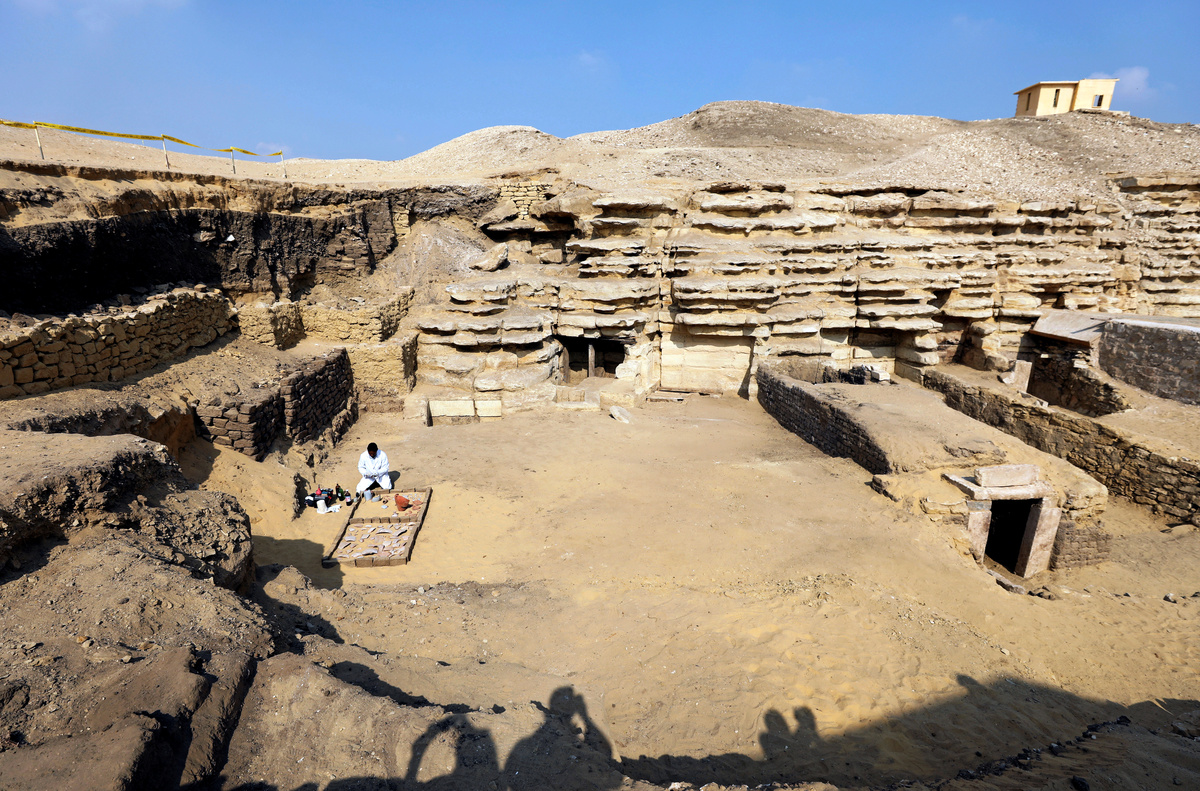
The mummified beetles were among artifacts found in seven tombs discovered over the past six months on the edge of the King Userkaf pyramid complex at the ancient necropolis of Saqqara, south of Cairo.
A general view of the tomb of Khufu-Imhat, at the Saqqara area near its necropolis, in Giza, Egypt November 10, 2018. REUTERS/Mohamed Abd El Ghany
As they were preparing the site to present the latest discoveries, archaeologists found the door of another tomb that remains sealed, Mostafa Waziri, secretary-general of Egypt's Supreme Council of Antiquities, told reporters.
The tomb dates from the Fifth Dynasty of the Old Kingdom and is unusual because the facade and door are intact, meaning its contents may still be untouched, said Mohamed Youssef, director of the Saqqara area. He said experts plan to open the tomb in the coming weeks.
The Fifth Dynasty ruled Egypt from about 2,500 BC to 2,350 BC, not long after the great pyramid of Giza was built.
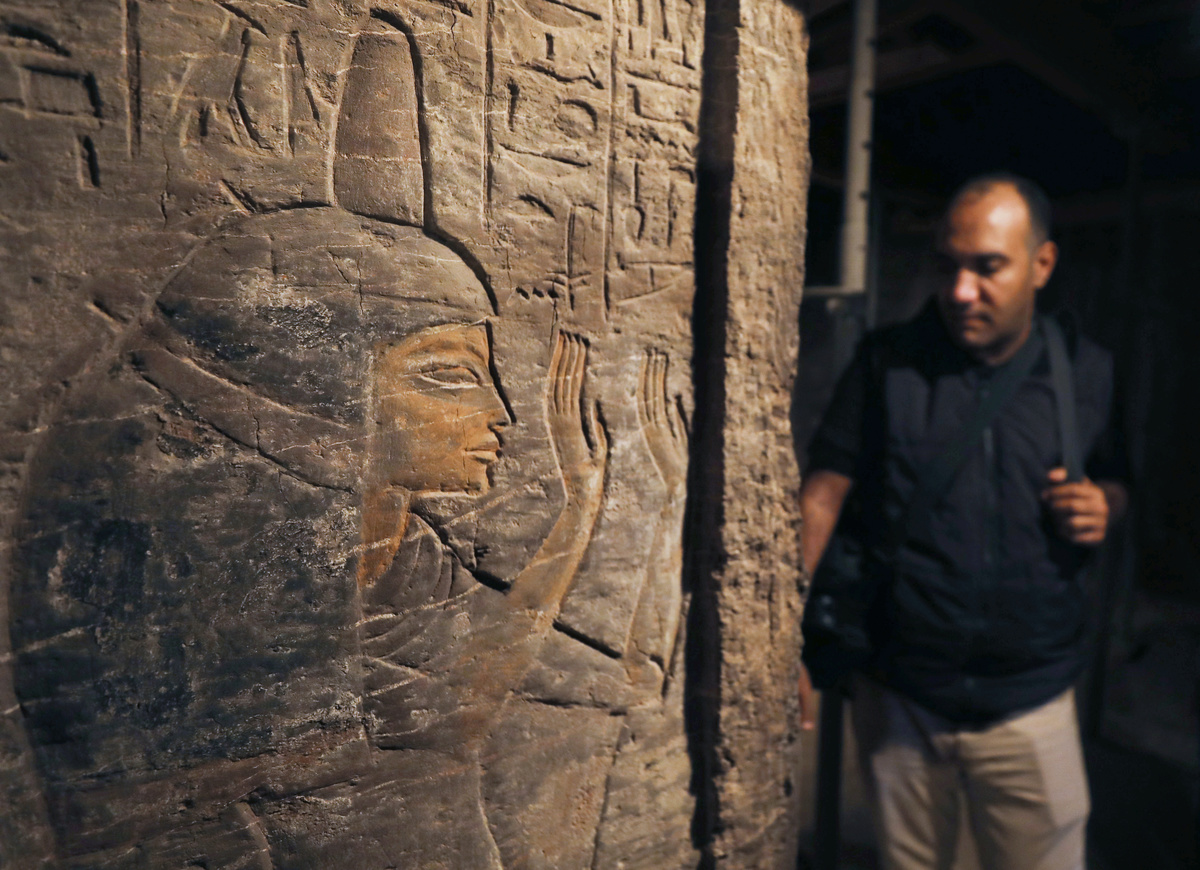
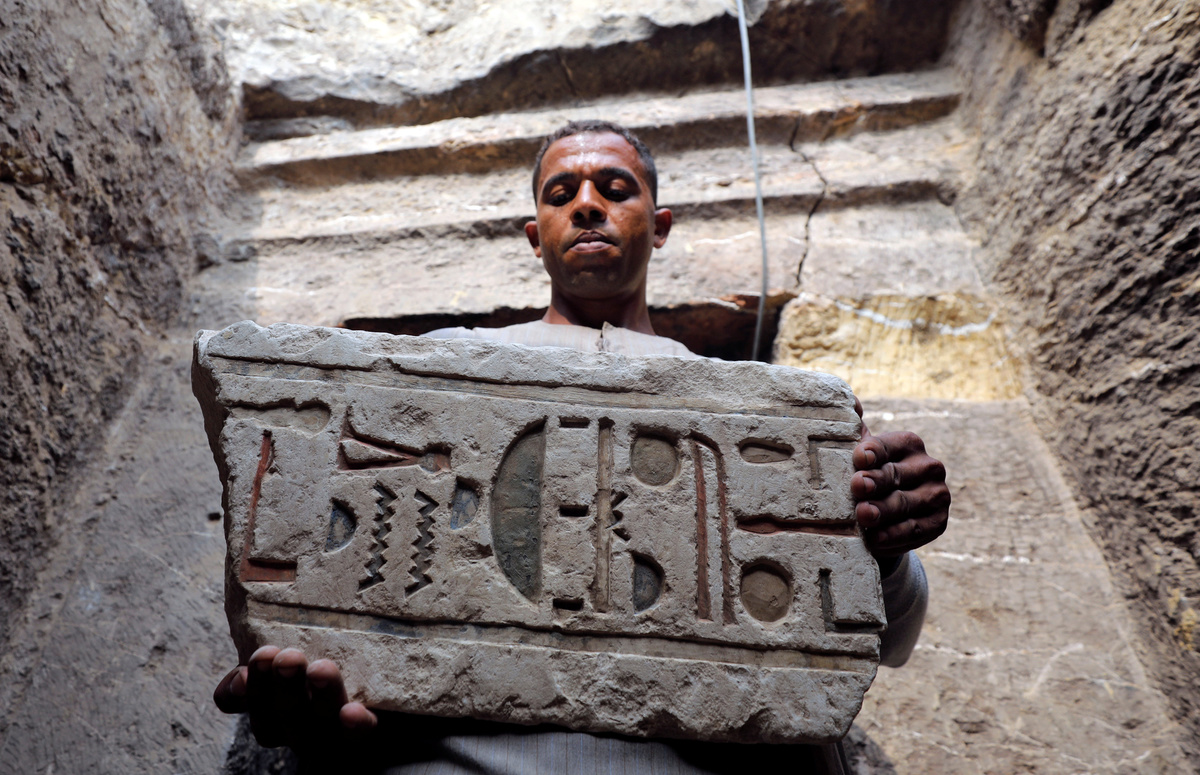
A visitor observes the wall of a Khufu-Imhat tomb, at the Saqqara area near its necropolis, in Giza, Egypt November 10, 2018. REUTERS/Mohamed Abd El Ghany
The tombs lie in a buried ridge that has only partially been uncovered and could offer many more similar discoveries, Waziri said. Excavations in the area had halted in 2013 before resuming earlier this year.
Saqqara served as the necropolis for Memphis, the capital of ancient Egypt for more than two millennia.
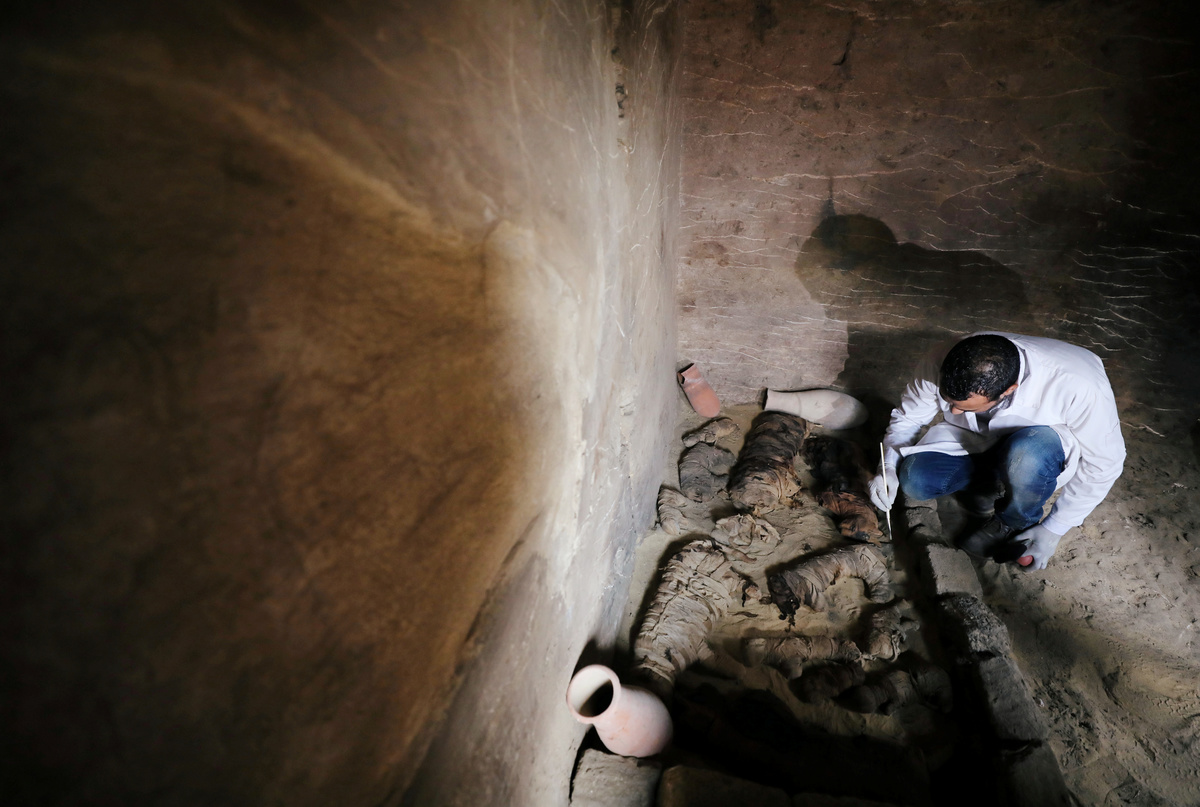
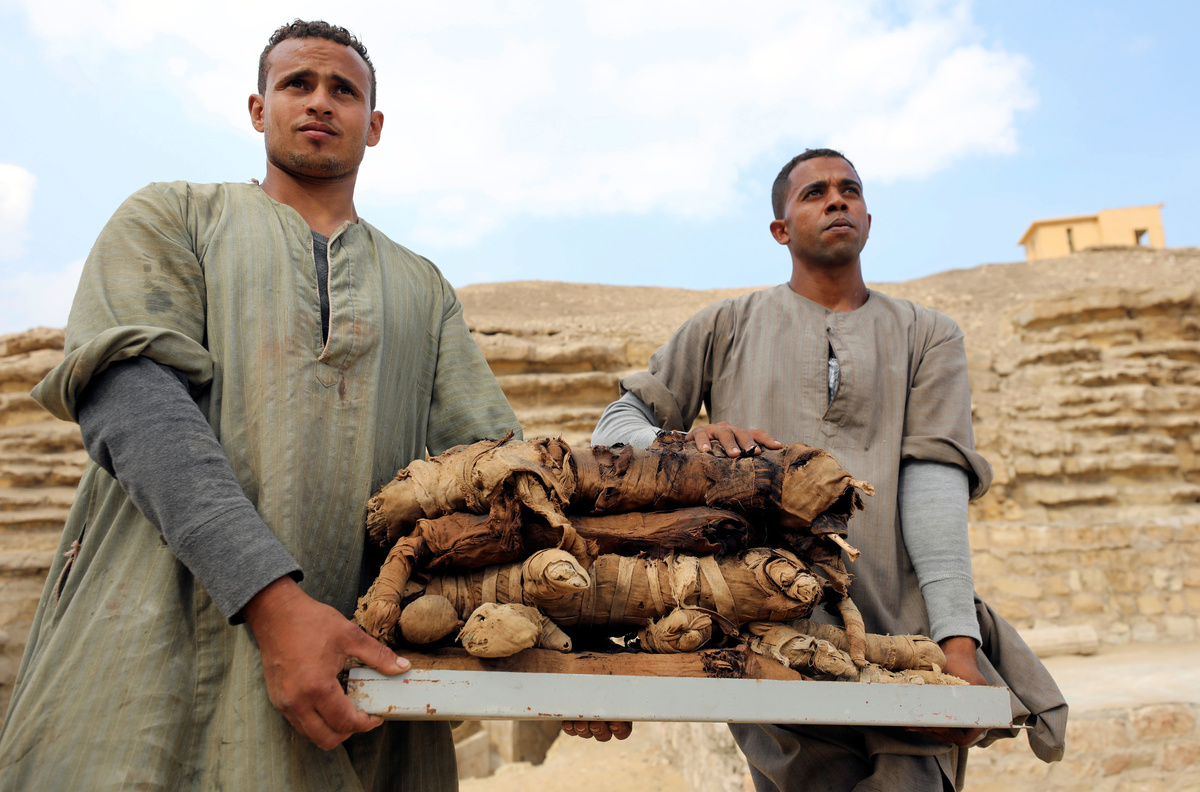
Ancient Egyptians mummified humans to preserve their bodies for the afterlife, while animal mummies were used as religious offerings.
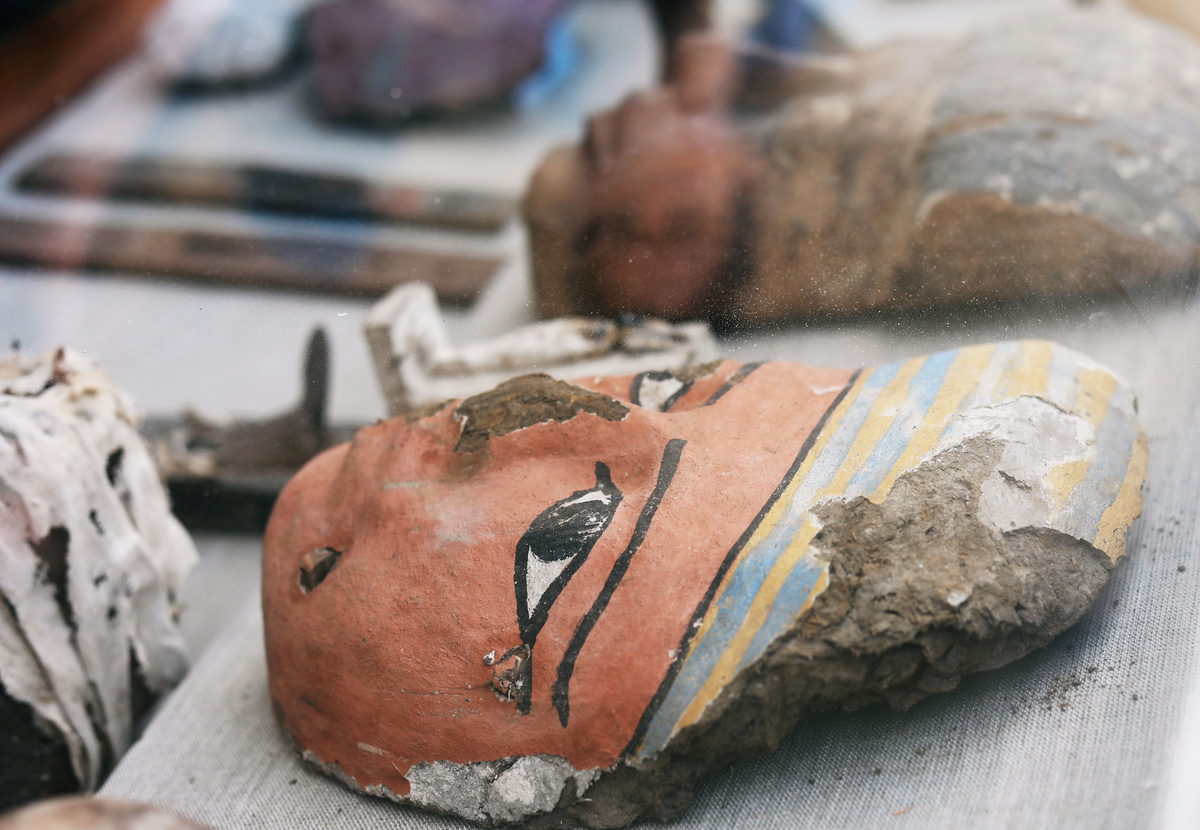
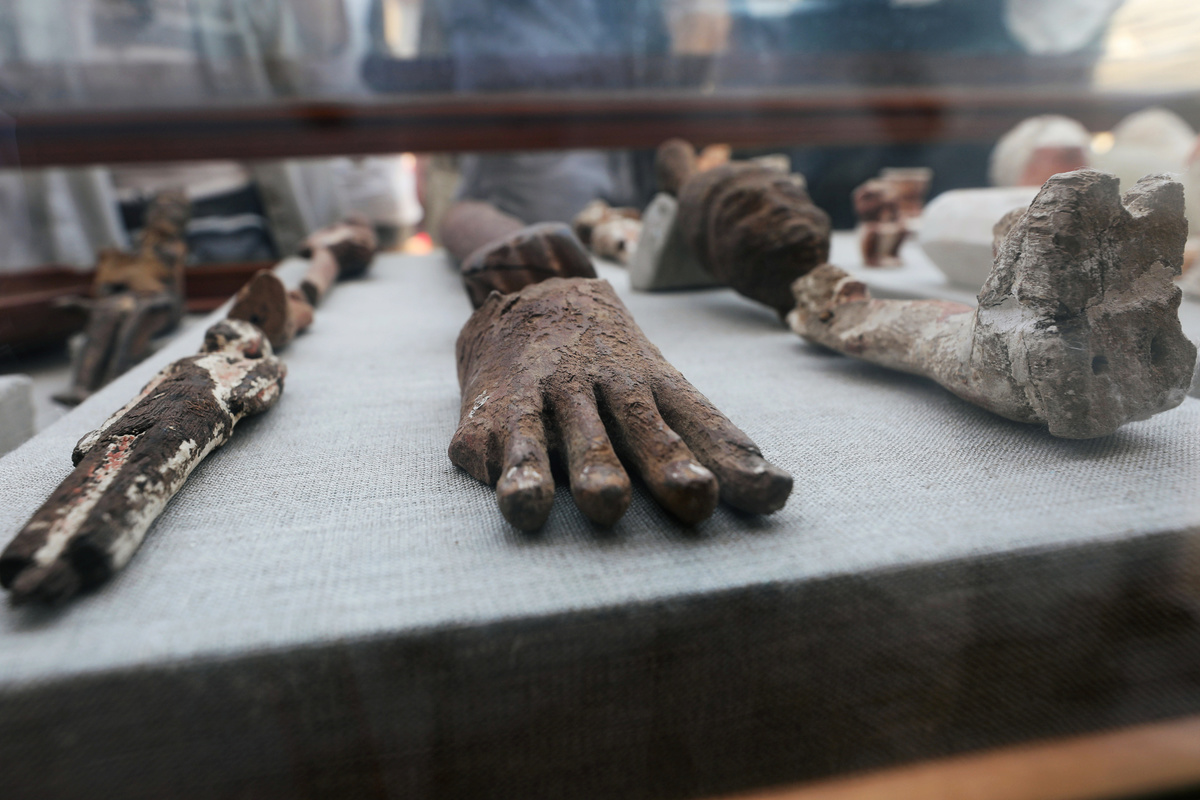
Archaeological artefacts are seen outside the tomb of Khufu-Imhat, at the Saqqara area near its necropolis, in Giza, Egypt November 10, 2018. REUTERS/Mohamed Abd El Ghany
Two large scarabs wrapped in linen and in very good condition were found inside a limestone sarcophagus with a vaulted, decorated lid, the antiquities ministry said in a statement.
Another collection of scarab mummies was found inside a smaller sarcophagus.
"The (mummified) scarab is something really unique. It is something really a bit rare," Waziri said.
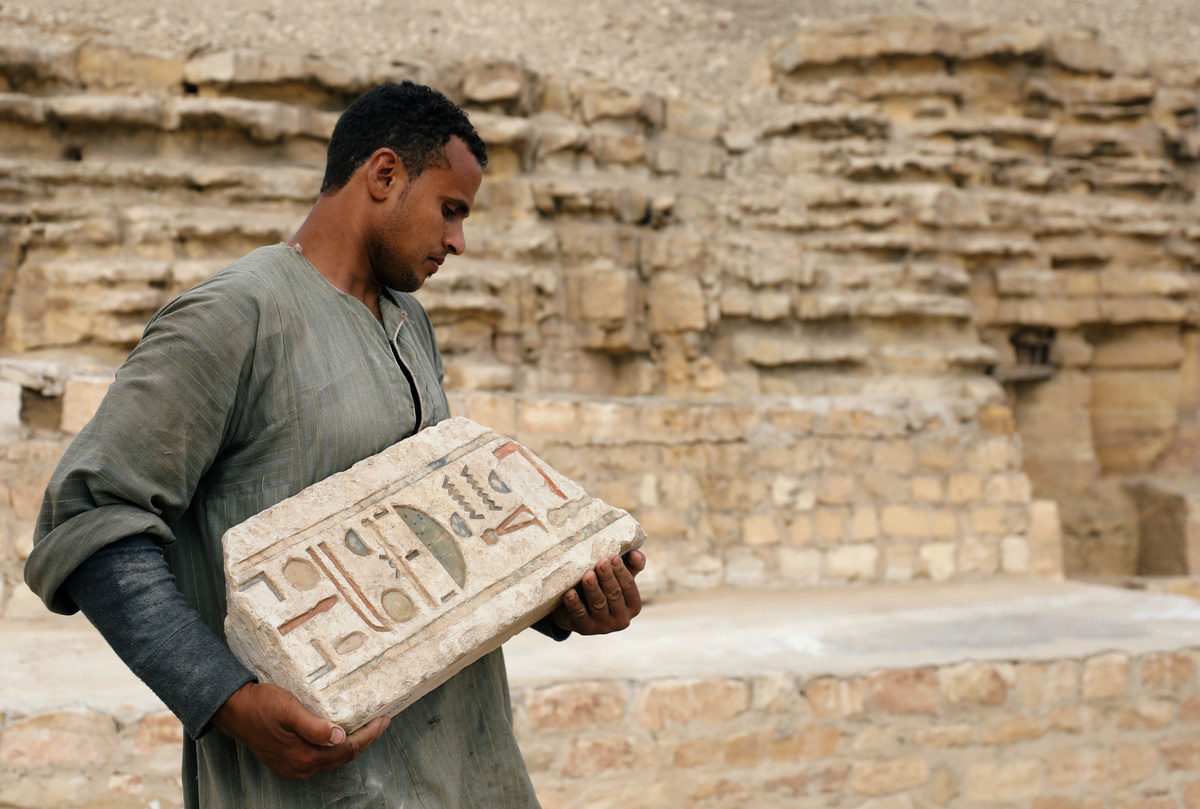
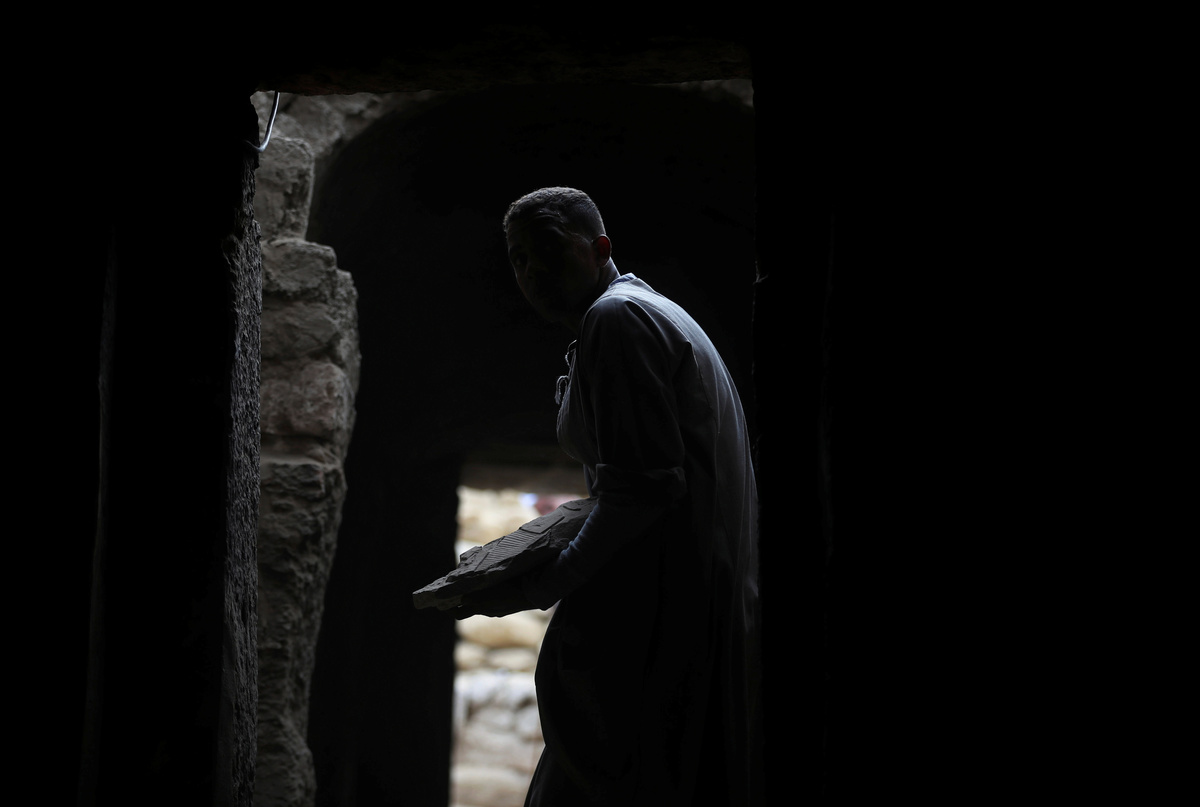
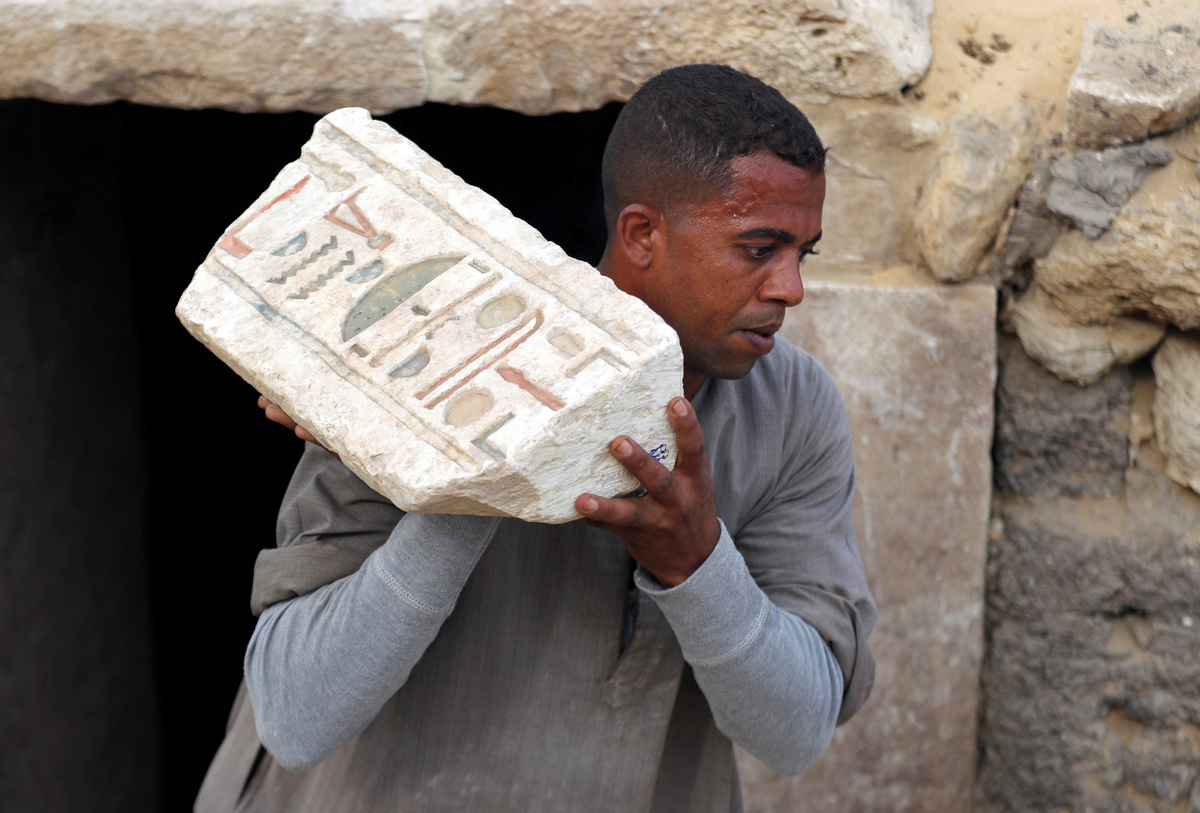
A worker carries an artefact outside the tomb of Khufu-Imhat, at the Saqqara area near its necropolis, in Giza, Egypt November 10, 2018. REUTERS/Mohamed Abd El Ghany
"A couple of days ago, when we discovered those coffins, they were sealed coffins with drawings of scarabs. I never heard about them before."
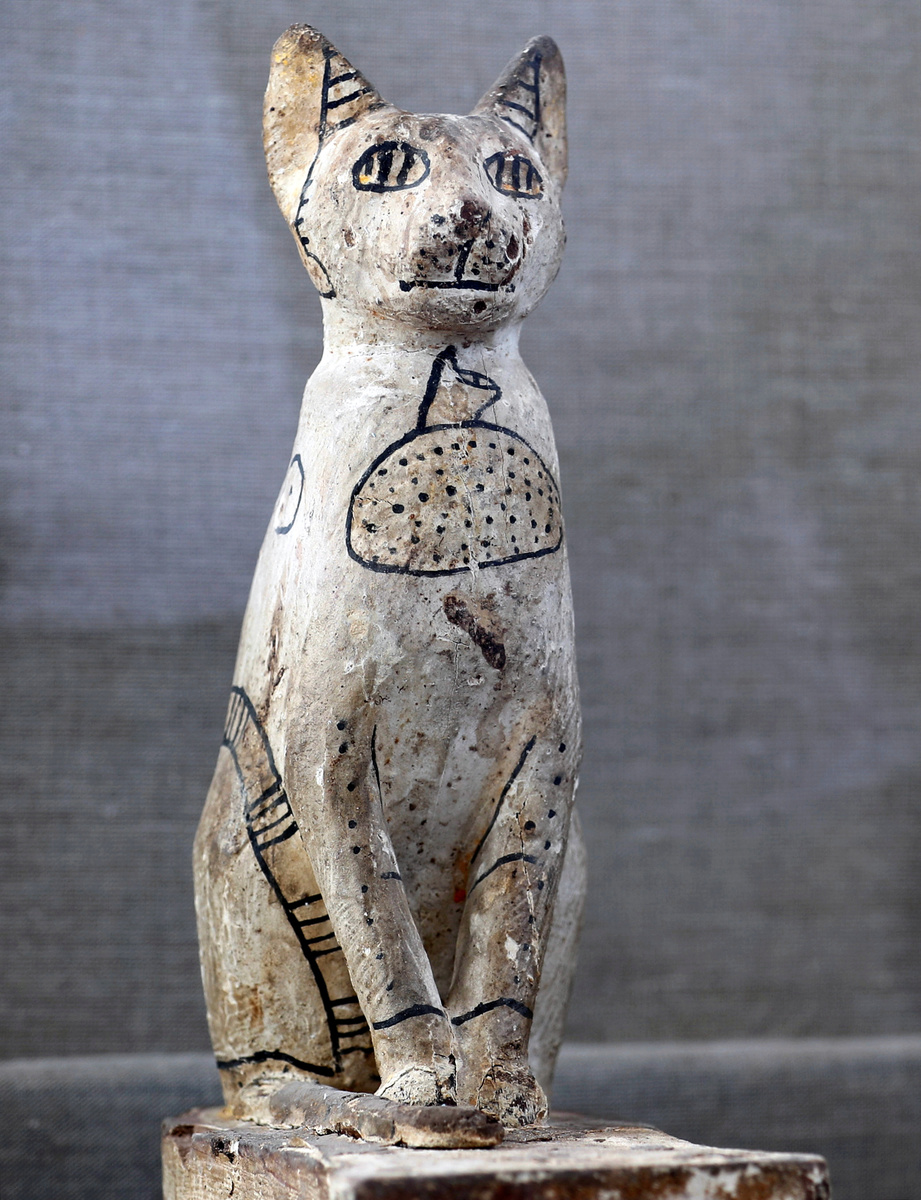
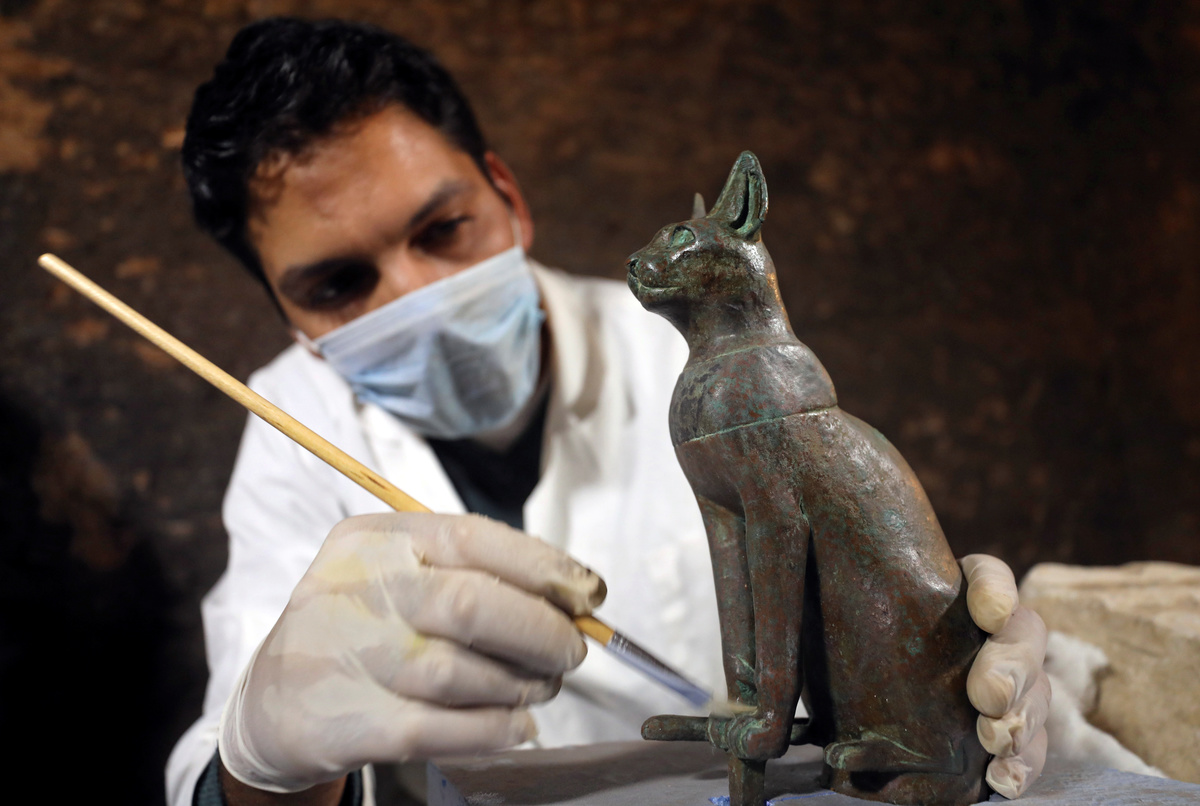
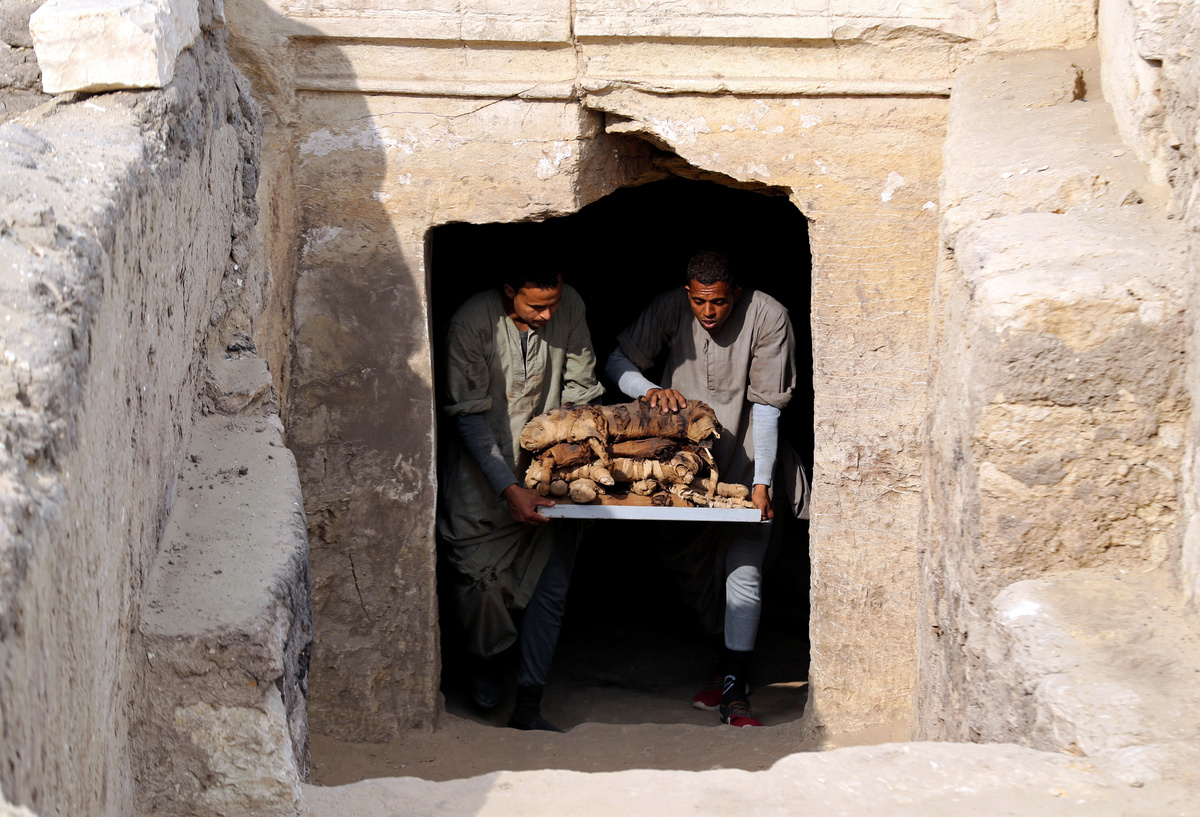
Dozens of cat mummies and gilded statues of cats were unearthed, including a bronze statue dedicated to the cat goddess Bastet.
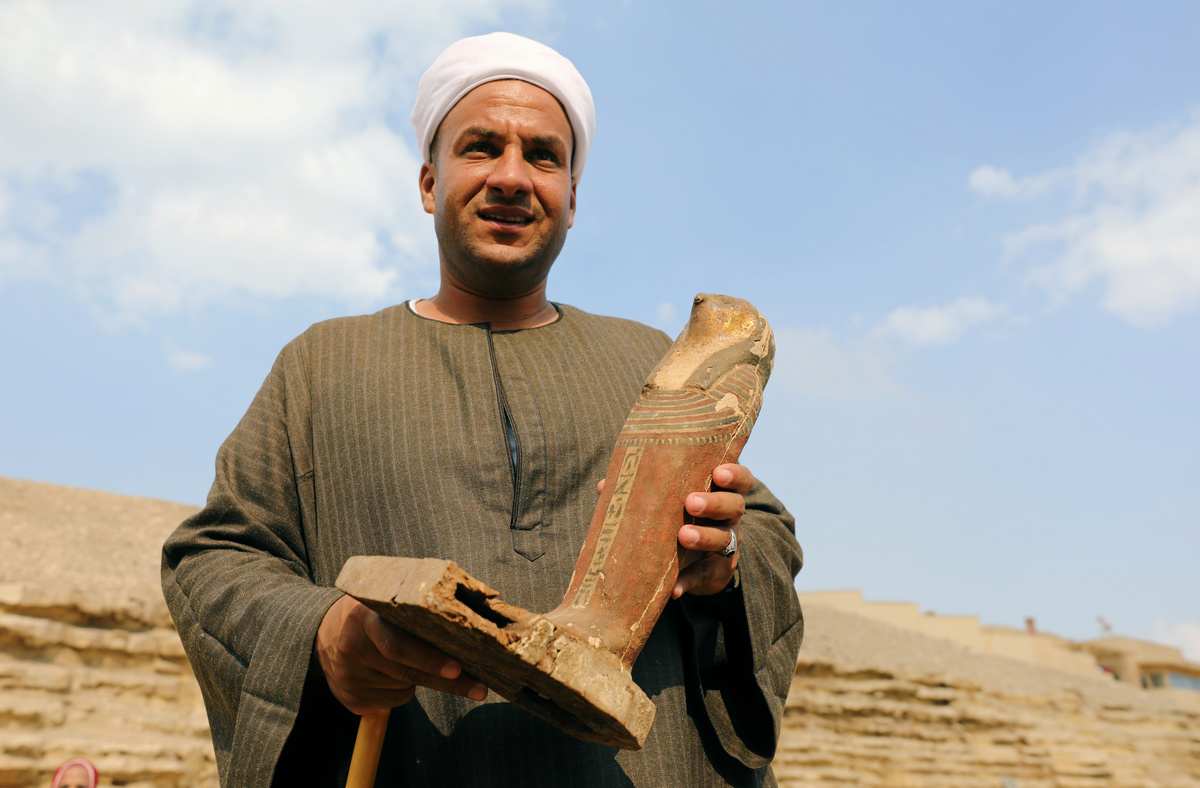
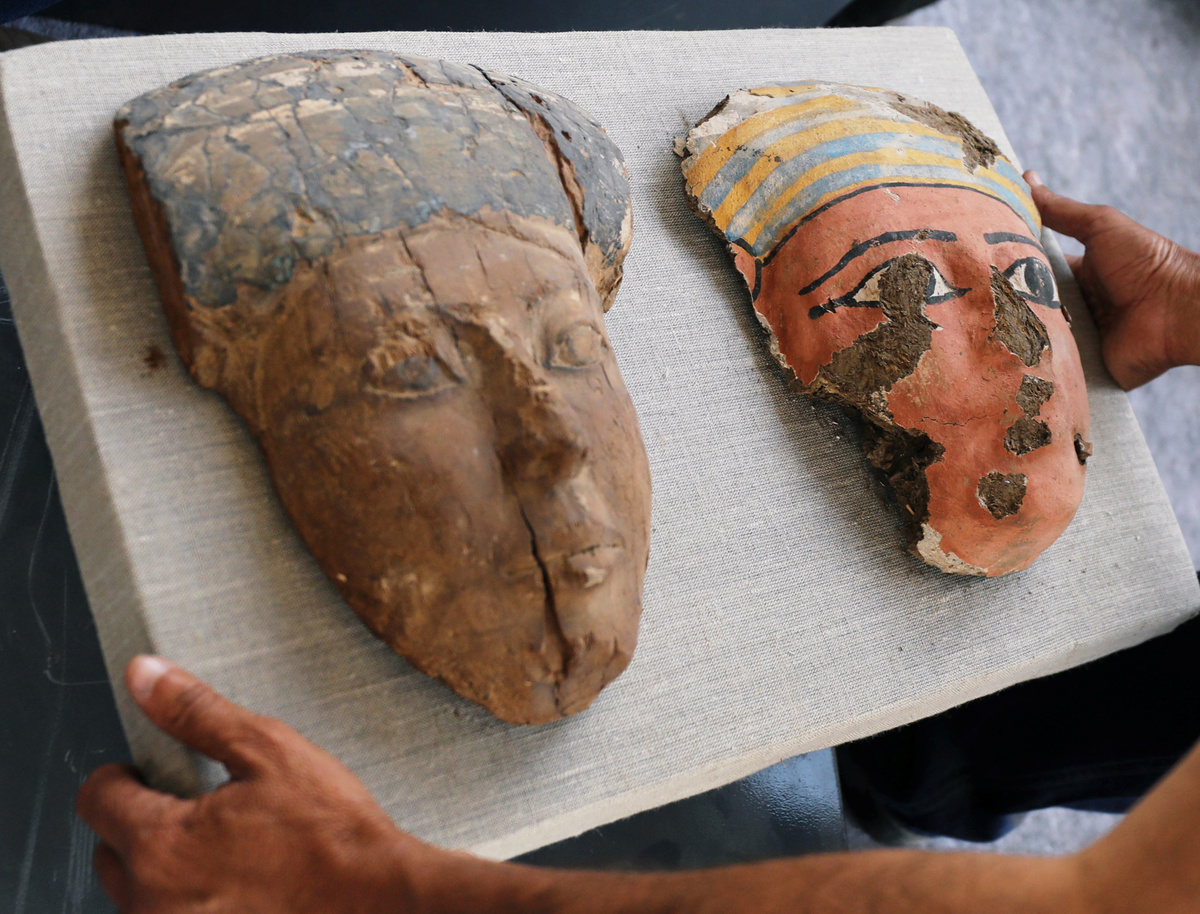
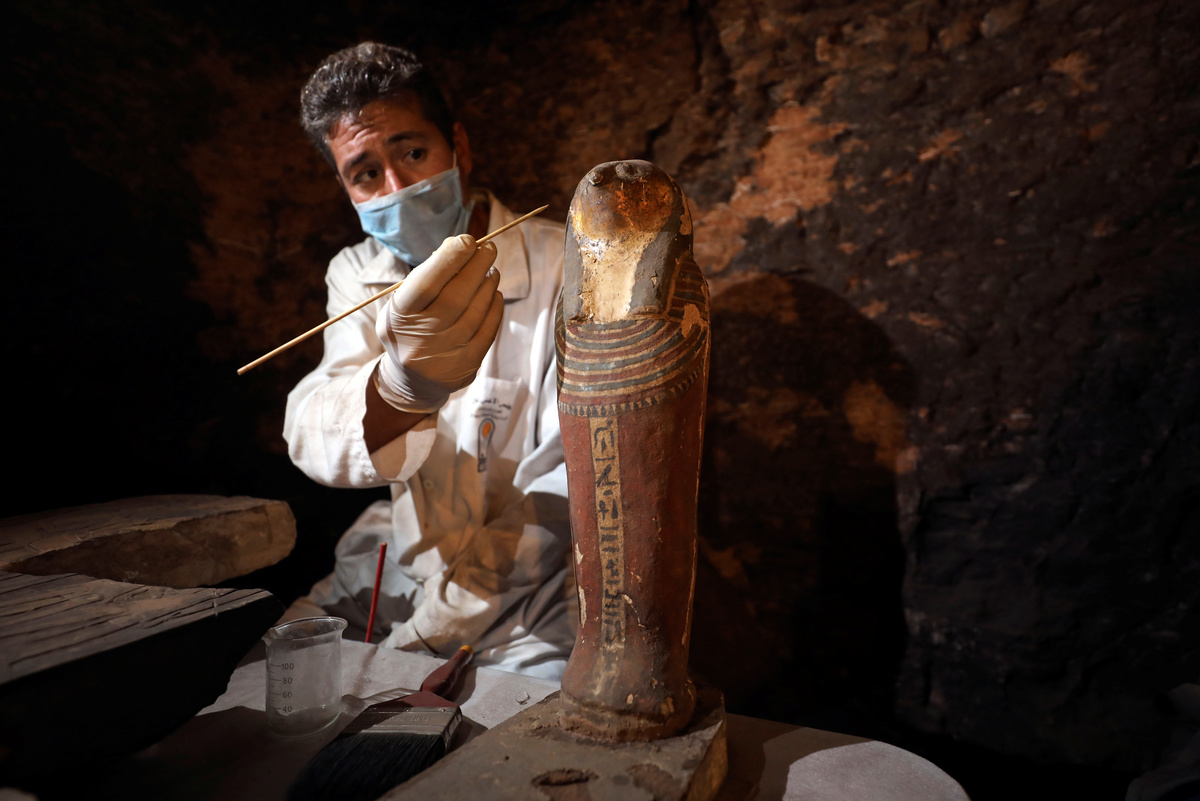
The team also found painted wooden cobra and crocodile sarcophagi, a collection of gilded statues depicting animal features, as well as objects including amulets, canopic jars, writing tools and papyri baskets.
An archaeology worker carries an artefact of the ancient Egyptian god Horus outside the tomb of Khufu-Imhat, at the Saqqara area near its necropolis, in Giza, Egypt November 10, 2018. REUTERS/Mohamed Abd El Ghany
(Writing by Aidan Lewis; Editing by Helen Popper)
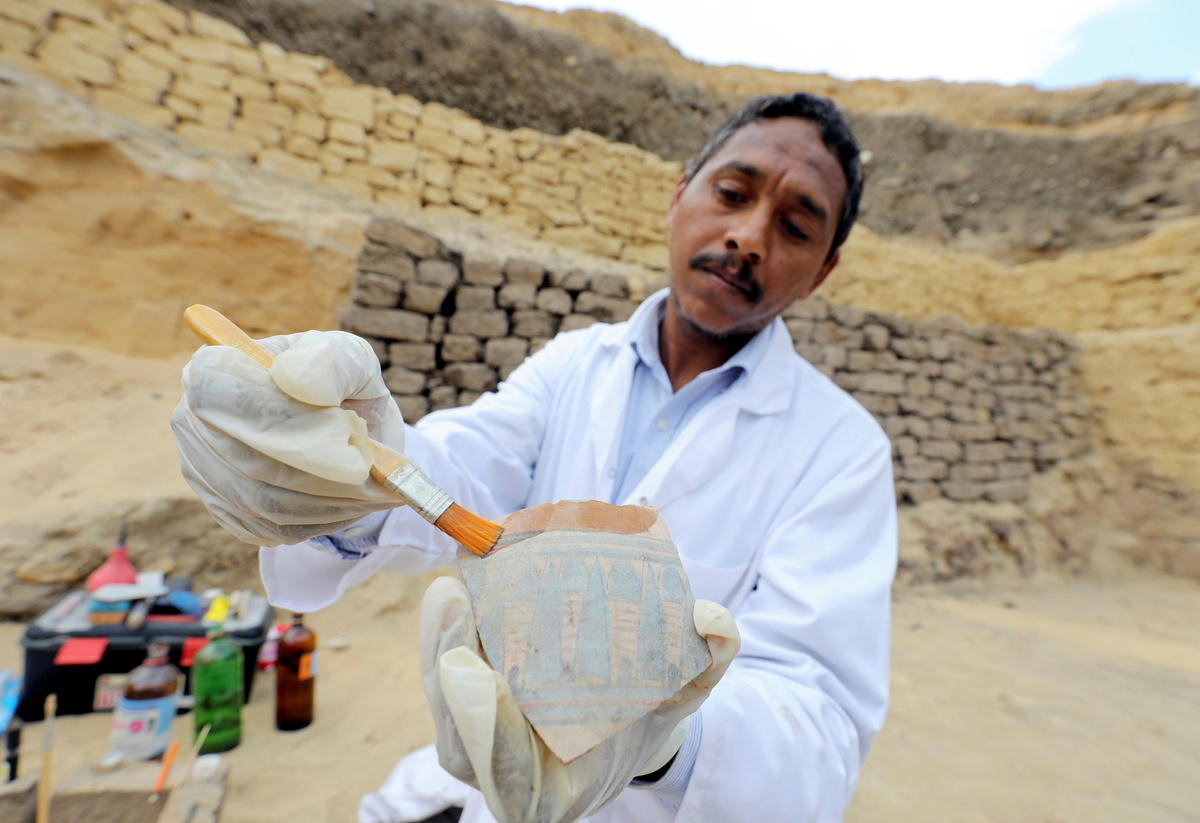
Archaeological worker carries mask artefacts outside the tomb of Khufu-Imhat, at the Saqqara area near its necropolis, in Giza, Egypt November 10, 2018. REUTERS/Mohamed Abd El GhanyAn Egyptian artefact on display outside the tomb of Khufu-Imhat, at the Saqqara area near its necropolis, in Giza, Egypt November 10, 2018. REUTERS/Mohamed Abd El GhanyAn Egyptian archaeologist works on the mummified cats inside the tomb of Khufu-Imhat, at the Saqqara area near its necropolis, in Giza, Egypt November 10, 2018. REUTERS/Mohamed Abd El GhanyAn archaeologist works outside the tomb of Khufu-Imhat, at the Saqqara area near its necropolis, in Giza, Egypt November 10, 2018. REUTERS/Mohamed Abd El GhanyA cat statue that was discovered inside the tomb of Khufu-Imhat is displayed, at the Saqqara area near its necropolis, in Giza, Egypt November 10, 2018. REUTERS/Mohamed Abd El GhanyA worker carries an artefact inside the tomb of Khufu-Imhat, at the Saqqara area near its necropolis, in Giza, Egypt November 10, 2018. REUTERS/Mohamed Abd El GhanyAn archaeologist works inside the tomb of Khufu-Imhat, at the Saqqara area near its necropolis, in Giza, Egypt November 10, 2018. REUTERS/Mohamed Abd El GhanyArchaeological artefacts in the shape of snakes are seen outside the tomb of Khufu-Imhat, at the Saqqara area near its necropolis, in Giza, Egypt November 10, 2018. REUTERS/Mohamed Abd El GhanyA worker carries an artefact outside the tomb of Khufu-Imhat, at the Saqqara area near its necropolis, in Giza, Egypt November 10, 2018. REUTERS/Mohamed Abd El GhanyA worker carries an artefact outside the tomb of Khufu-Imhat, at the Saqqara area near its necropolis, in Giza, Egypt November 10, 2018. REUTERS/Mohamed Abd El GhanyWorkers carry mummified cats outside the tomb of Khufu-Imhat, at the Saqqara area near its necropolis, in Giza, Egypt November 10, 2018. REUTERS/Mohamed Abd El GhanyAn archaeologist works inside the tomb of Khufu-Imhat, at the Saqqara area near its necropolis, in Giza, Egypt November 10, 2018. REUTERS/Mohamed Abd El GhanyAn archaeologist works outside the tomb of Khufu-Imhat, at the Saqqara area near its necropolis, in Giza, Egypt November 10, 2018. REUTERS/Mohamed Abd El GhanyWorkers carry mummified cats outside the tomb of Khufu-Imhat, at the Saqqara area near its necropolis, in Giza, Egypt November 10, 2018. REUTERS/Mohamed Abd El Ghany
Sign up to read this article
Read news from 100’s of titles, curated specifically for you.