Pregnancy comes with no shortage of advice. It arrives from doctors, relatives, friends, bloggers, and complete strangers on social media. But what happens when all that advice contradicts itself, and it becomes harder and harder to figure out what actually applies to you?
Experts are increasingly pointing out that pregnancy isn't a time for strict rules – it's a period that calls for an individualized approach and close attention to what the body actually needs.
"Every pregnancy is unique, which is why one-size-fits-all advice simply doesn't work. What matters isn't living up to someone else's expectations or chasing an idealized image – it's learning to listen to your own body and make decisions grounded in current science. Motherhood shouldn't turn into a battle for the perfect figure," says Anastasiia Shapovalova, a nutritionist, fitness expert, and specialist in prenatal and postpartum care.
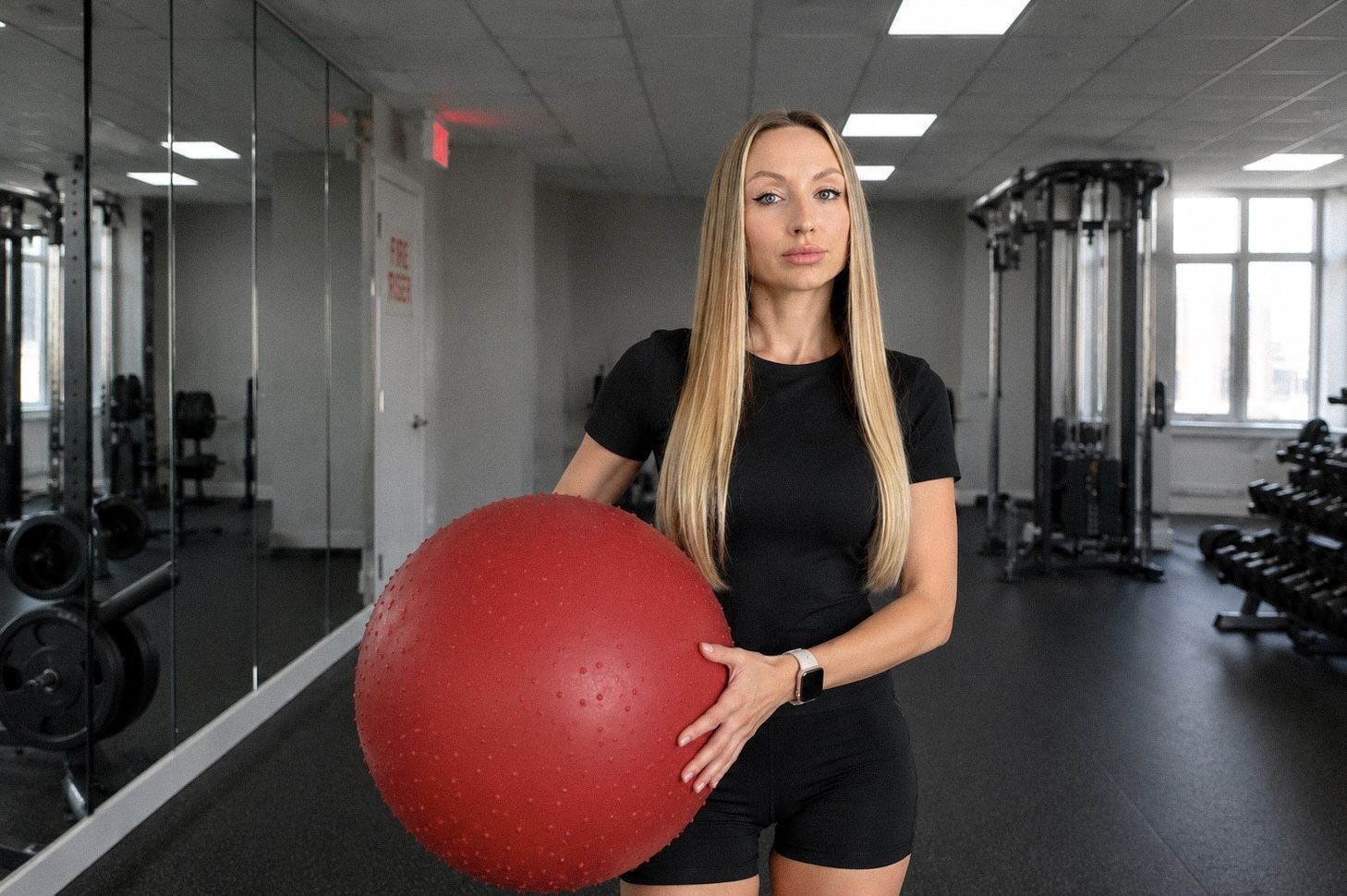
Anastasiia Shapovalova specializes in prenatal health, fitness, and nutrition, blending European professional training with contemporary American approaches to women's health. She helps expecting mothers stay safely active, adjust their nutrition, and prepare for postpartum recovery. Her work draws on scientific research, international guidelines, and a personalized approach tailored to each woman.
– Anastasiia, why does every pregnancy call for an individualized approach?
There's a real tendency to boil pregnancy down to universal rules. Someone says you shouldn't exercise at all; someone else insists you can't skip it. Some still repeat the old myth about "eating for two," while others push constant calorie-watching and fear of gaining "too much" weight. These pieces of advice contradict each other, but they share one problem: they all get in the way of a woman listening to her own body.
Pregnancy is a constantly shifting physiological process.
In the first trimester, many women deal with nausea, fatigue, and sudden shifts in how they feel. The second trimester usually brings more energy, but the center of gravity changes and the musculoskeletal system takes on more load. By the third trimester, breathing and pelvic floor function work differently altogether. Recommendations need to evolve right along with the body. My job isn't to apply a template – it's to work with the specific woman in front of me, taking into account how far along she is, her health, and how she's feeling.
The same logic applies to nutrition, during pregnancy and after. It should be mindful, consistent, nourishing, and realistic. Enough protein, fiber, and water, quality food, and – when a doctor recommends it – targeted micronutrient support: that's the foundation.
But when eating turns into a constant string of prohibitions and guilt, it rarely does anyone any good. A good nutrition plan shouldn't add stress – it should help a woman stay balanced and support her health throughout pregnancy.
– What are the core principles behind your professional approach?
My approach is built around four core pillars: physical activity, nutrition, breathing, and recovery. These aren't standalone elements – they're interconnected parts of a single system.
It's also important to recognize that a program that worked well a few weeks ago may no longer fit. Metabolism, energy levels, eating habits, physical capacity, and emotional state all shift along with the pregnancy. That's why I don't work off fixed templates – recommendations need to adapt as the woman's body does.
Early on, the priority is not overloading the body and helping a woman hold onto her existing healthy habits. Later, there's room to build functional strength, mobility, stability, and gentle endurance. In the later stages, the focus shifts to breathing, posture, moving without unnecessary tension, and preparing for labor.
The same principle applies to food. I'm not a fan of rigid restriction. What a woman eats during pregnancy should evolve alongside what her body needs – supporting her and supplying the right nutrients, rather than becoming another source of control and stress.
– When it comes to physical activity, what mistakes do expecting mothers make most often?
There are a few. The first is carrying over a pre-pregnancy routine unchanged. A woman might think: "I trained before, so I can keep training the same way." Sometimes that's partly true, but only with adjustments. You can't ignore changes in breathing, pressure on the pelvic floor, posture, balance, and fatigue.
The second mistake is pulling exercises from social media and comparing yourself to other pregnant women. What you see in someone else's video is a polished clip – you have no idea what her fitness level is, what her medical history looks like, how she actually felt afterward, or what her doctor has told her to do or avoid. Someone else's workout can be inspiring, sure, but it should never become an instruction manual.
– And what mistakes do you see professionals themselves making when working with pregnant clients?
The belief that there's a single program that works for everyone. This is especially true in prenatal work. A good specialist needs to know not just how to prescribe an exercise, but when to pull it back, modify it, simplify it, or swap it out entirely. Sometimes real professionalism isn't about giving more – it's about knowing exactly where "enough" is for that day.
I often tell colleagues that when working with pregnant women, the real job isn't just building a training plan or meal plan – it's helping a woman understand what's happening in her body at each stage of pregnancy and how to safely adjust her lifestyle to match. In my view, that personalized, holistic approach is what actually protects the mother's health and creates the best possible conditions for the baby's development.
– You've said a universal approach doesn't work for everyone. Can you give an example of when personalized support matters most?
One of the clearest examples is pregnant women with excess weight or lower physical stamina. I'd say this is one of the most overlooked areas in prenatal wellness today – it's actually the subject of a research paper I wrote, focused on inclusive approaches to physical activity and nutrition during pregnancy.
These women often hear generic advice like "you need to move more" or "you need to eat better." But that advice rarely comes with an explanation of where to actually start when even everyday activity feels hard or uncomfortable.
An inclusive approach begins with respecting where a woman is starting from. Instead of trying to fit everyone into the same program, it's about adapting recommendations to each woman's real physical capacity, how she's feeling, and her own pace. Sometimes that starts with breathing exercises, gentle walking, simple functional movement, and gradually building up from there.
What matters to me is that a woman never feels guilty for not measuring up to someone else's expectations. The goal isn't to meet a standard – it's to safely support the mother's health and create conditions where she feels comfortable.
– You've mentioned breathing practices several times. Why do they play such an important role in pregnancy care?
Breathing is far more than a relaxation technique. During pregnancy, the diaphragm shifts position, the core takes on more load, and the abdominal muscles, pelvic floor, and posture all function differently. Working with the breath can help a woman connect with her body, release unnecessary tension, and prepare for both labor and recovery.
Breathing is also closely tied to emotional state. A lot of women live in a state of chronic tension – breathing shallowly, unconsciously raising their shoulders, holding their abdominal muscles tight. Pregnancy can intensify all of that.
Conscious breathwork doesn't just relax the body – it helps restore a sense of inner steadiness, which matters enormously during this time.
– What's the question women ask you most often after giving birth?
"When can I get back to working out?" But underneath that question isn't really about fitness – it's hope. It's really asking: when will I feel like myself again? After childbirth, a woman is often disoriented and emotionally overwhelmed. What she needs isn't a workout plan – it's an understanding that postpartum recovery, like pregnancy itself, has its own stages.
Getting back to her previous shape should happen gradually, with attention to breathing, the pelvic floor, and the chest, especially if she's breastfeeding. The priorities should be gentle movement and quality sleep.
– If you could change one thing about how pregnancy is approached today, what would it be?
I believe we need to stop treating pregnancy as a time when women are constantly being evaluated. Too often, the focus lands on how much weight she's gained, how quickly she'll "bounce back," or how precisely she's following the rules.
Modern prenatal wellness should be built on support, not control. A good specialist helps a woman understand the changes happening in her body, make informed decisions, and feel confident in herself – not live in fear of doing something wrong.
Ultimately, a specialist's job is to help her walk this path calmly, safely, and with trust in her own body. That's where I see the future of supporting women through pregnancy and postpartum recovery heading.