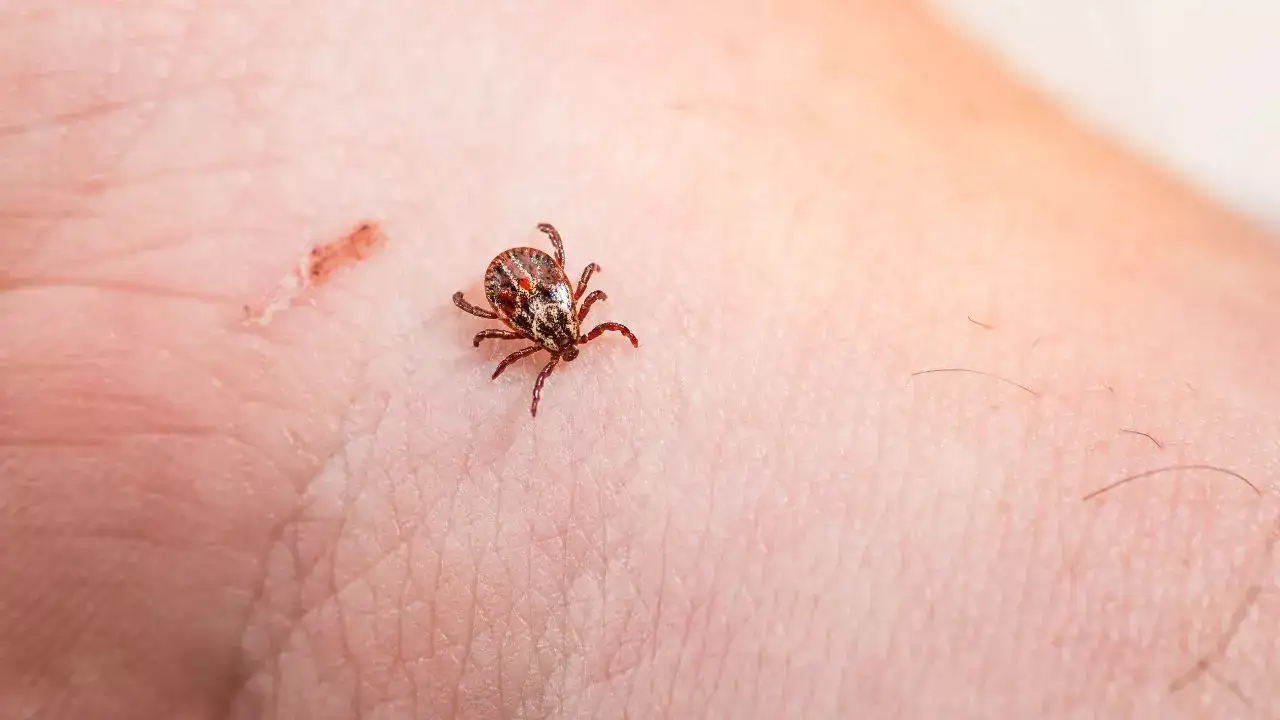
As climate patterns change and tick populations expand into new regions, Canada is witnessing a steady rise in illnesses transmitted by these tiny but dangerous parasites. Lyme disease has long dominated public attention, but health experts are increasingly warning about another infection spreading through the country: anaplasmosis.
Caused by the bacterium Anaplasma phagocytophilum , the disease is transmitted mainly through the bite of infected blacklegged ticks ( Ixodes scapularis ). While many cases are mild and resolve with timely treatment, anaplasmosis can occasionally lead to serious complications involving the lungs, nervous system, kidneys and heart.
What is anaplasmosis and why is it becoming a concern?
Anaplasmosis is a bacterial infection that primarily affects white blood cells, particularly neutrophils, which play a key role in the body’s immune response. The bacteria invade these cells and disrupt normal immune function, leading to flu-like symptoms and, in some cases, severe illness.
The infection is most commonly associated with blacklegged ticks, the same tick species responsible for transmitting Lyme disease. These ticks are found in several Canadian provinces, including Ontario, Quebec, Manitoba, New Brunswick and parts of Atlantic Canada.
According to the Public Health Agency of Canada (PHAC), tick-borne diseases have increased significantly in recent years as tick populations have expanded geographically and become established in areas where they were previously uncommon.
Canada’s growing tick-borne disease problem
For years, Lyme disease has been the most recognized tick-borne illness in Canada. However, surveillance data show that other infections carried by blacklegged ticks are also increasing.
Although anaplasmosis remains less common than Lyme disease, medical experts consider it an emerging concern because the geographic range of infected ticks continues to grow.
Symptoms can look like common illnesses
One of the challenges with diagnosing anaplasmosis is that early symptoms often resemble common viral infections.
Typical symptoms include:
- Fever and chills
- Extreme tiredness
- Headache
- Muscle aches
- Weakness
- Loss of appetite
- Nausea or gastrointestinal discomfort
Symptoms usually appear within 5 to 14 days after a tick bite, although many people do not remember being bitten because ticks can be extremely small, especially in their younger stages.
Unlike some infections where a visible bite is obvious, tick exposure can happen unnoticed during outdoor activities such as hiking, gardening, camping, or working in wooded areas.
Serious complications can occur in vulnerable patients
Most healthy individuals recover when anaplasmosis is diagnosed and treated quickly. However, severe disease is more likely among older adults, people with weakened immune systems, and those with underlying medical conditions.
Complications reported in medical studies include:
- Pneumonia-like respiratory problems
- Kidney injury
- Neurological complications
- Severe infections requiring hospitalization
- In rare cases, inflammation of the heart muscle, known as myocarditis
Why doctors emphasize early treatment
The standard treatment for suspected anaplasmosis is the antibiotic doxycycline. Medical guidelines from organizations including the Centers for Disease Control and Prevention (CDC) recommend starting treatment promptly when the disease is suspected rather than waiting for laboratory confirmation.
Early treatment usually leads to rapid improvement and reduces the risk of complications.
How to reduce the risk of anaplasmosis
Preventing tick bites remains the most effective way to reduce the risk of infection.
Use insect protection
Products containing DEET or other approved tick repellents can reduce the likelihood of tick attachment.
Wear protective clothing
Long sleeves, long pants, and closed footwear can create a physical barrier between skin and ticks.
Check the body after outdoor activities
Ticks should be removed as soon as possible because the risk of transmission increases with prolonged attachment.
Protect pets
Dogs and other animals can carry ticks into homes. Regular tick checks and veterinary prevention measures can help reduce household exposure.