I am Kjerrimyr Rodrigo Andrés, a political science student from Ateneo de Manila University. I am passionate about politics, cities and history – and I’m a big fan of music, specifically One Direction, The Beatles and OPM. My family lives in Pasig City, a densely populated area in the suburbs of Manila.
I started my blog, Distinguished and Ever Loyal, because of my love for Manila and urban planning. Everything can be found here, from indigenous craft inside the National Museum to the Spanish colonial houses of Intramuros to the modern skyscrapers of Makati.
Manila was depicted by Dan Brown in his novel Inferno as the “gates of hell”. I want to showcase Manila as a microcosm of the Philippines and I want to promote it as a top destination.
Tell us about Manila
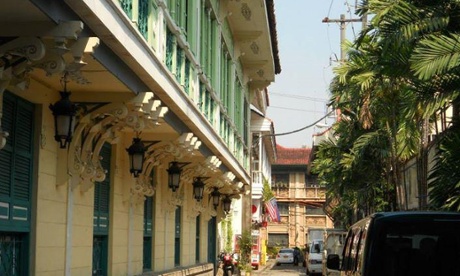
Manila can be considered the first global city, linking east and west. During the Spanish era (1521–1898), the city served as the strategic link between China, Acapulco, and Cadiz. This cornucopia of cultures ultimately defined the Filipino identity.
Before the second world war Manila was known as “The Pearl of the Orient” and “The Paris of Asia” – but due to negligence and politicking, I think Manila has lost its charm.
Best building
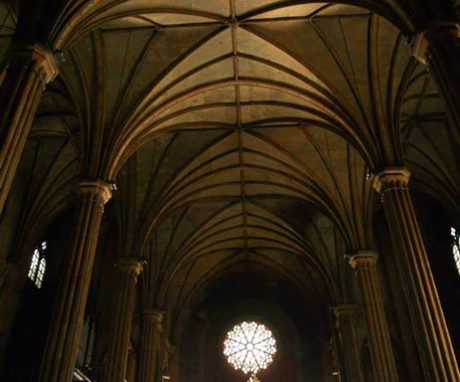
San Sebastian Church in Quiapo – one of the many beautiful Spanish-era Catholic churches scattered throughout Manila – made me fall to my knees the first time I went inside. The only all-steel church in the orient, its design is reputed to have involved Gustave Eiffel.
Worst building
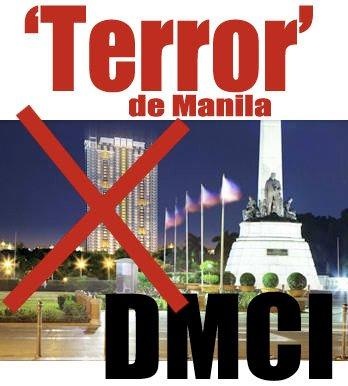
Modern development can take its toll on the city and the worst manifestation of this is the Torre de Manila – a condominium under construction that will ruin the skyline of Luneta Park, the main park in Manila and the execution site of national hero José Rizal.
How clean is the city?
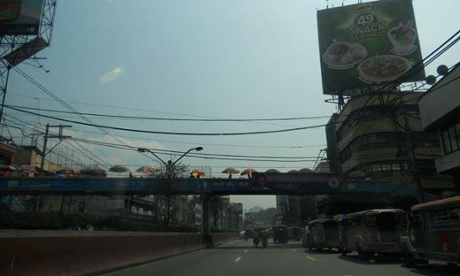
A major part of Manila’s chaotic nature is its ignorance to cleanliness. Smoke-belching cars fill the city while people can throw trash anywhere without being reprimanded. Coupled with the rarity of parks, global warming has become a threat to Manila in terms of heat and floods.
What’s the best way to get around?
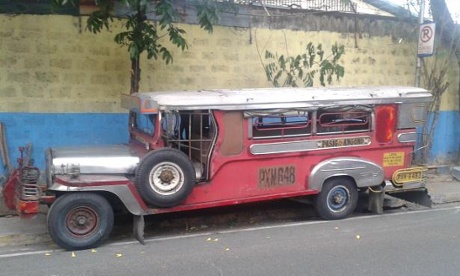
The jeepney is king of the road! These modified war-era jeeps have become the most common public transport system in the country. These jeepneys show Filipino creativity and ingenuity. However, there is a dire need to build subways and bus rapid transit systems to decongest the metropolis.
What does your city sound like?
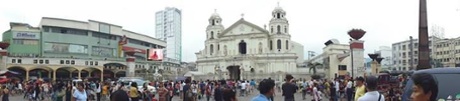
The city is noisy and chaotic – in a good way. Manila is a testament to Filipino extroversion. Churches, plazas, schools and markets are places where one can hear variety. Virtually no part of Manila is empty, and it is very much alive, but security is a top concern.
Best place for a conversation
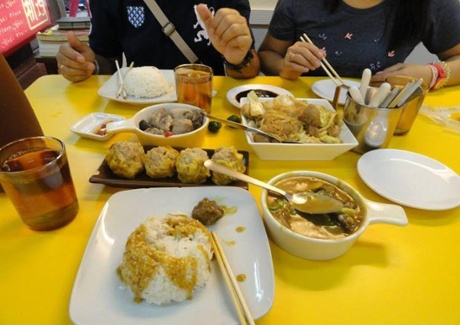
Cafes and restaurants are the best places for conversations. Filipino food is unique – a blend of Malay, Chinese, Spanish, and American influences. Binondo, the first Chinatown in the world boasts scrumptious Chinese food and great people. The Filipino term for hello is usually, “have you eaten?”
What one thing is indispensable for life in your city?

Manila is nothing without its people. Not only does the city have a mix of eastern and western influences, its young population means potential and diversity. Much of the country’s top universities, including Ateneo de Manila, are within the metropolis. While immigration to Manila gives life to the city, its ballooning population also bring problems.
Are you optimistic about your city’s future?
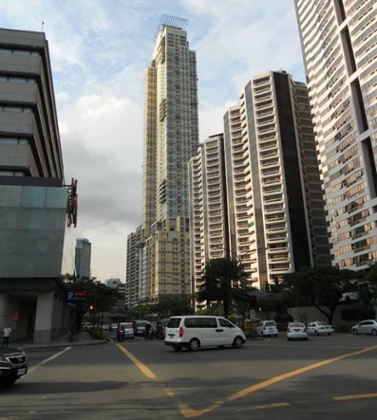
I am optimistic that Manila is getting better in terms of development. However, until the government provides greater opportunities for the less fortunate, I will never be fully satisfied, as poverty is still prevalent.
I’m also worried about what modern development and cultural ignorance can do to heritage sites. However, thanks to efforts by some government agencies and the Heritage Conservation Society, there is a growing interest and action to protect Manila’s treasures. The youth of Manila is talented and dedicated to making the city once again worthy of its “Distinguished and Ever Loyal” monicker.