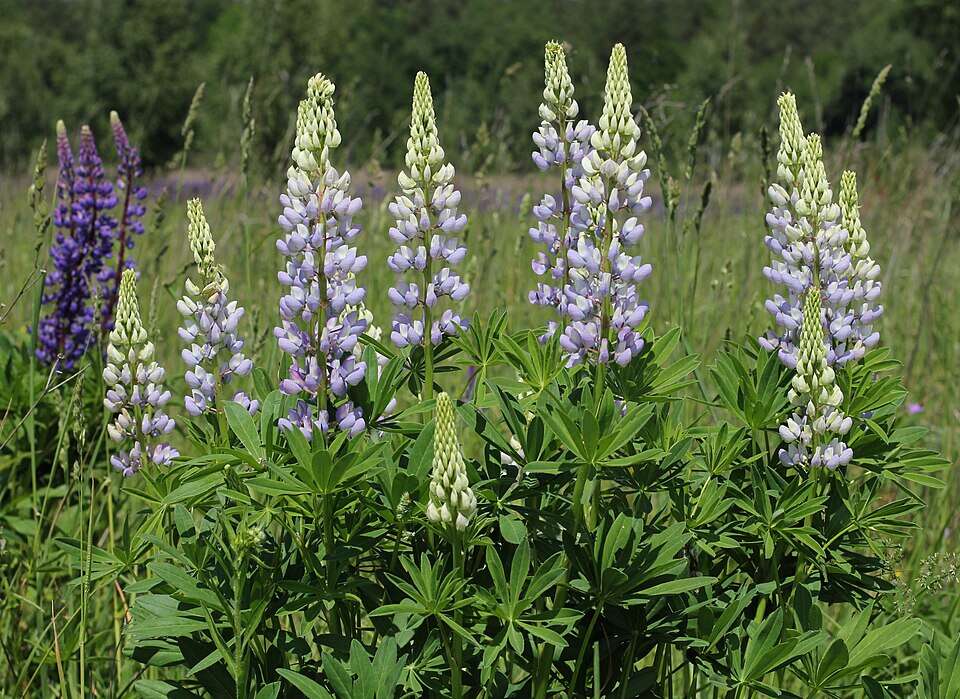
This invasive flowering plant has already spread through many of Europe’s alpine meadows. Beyond displacing native plants, the study found that lupine invasion was associated with changes in the plants' growth traits. Those growing alongside the invader tended to be taller, develop thinner leaves and shift towards faster growth strategies that may help them compete.
Get breaking news anytime, anywhere. Download the TOI app now!
These findings were recently revealed by a team of researchers, whose study was recently published in Ecology and Evolution on 29 June 2026. In the study, the researchers analysed how Lupinus polyphyllus, also known as large-leaved lupine, affects native grassland traits in the Sudeten Mountains of Poland.
The study focused on invaded mountain grasslands in the Sudeten Mountains and compared lupine-free plots with plots where the invader was present, measuring how native species shifted their functional traits. The authors report that the plant can push neighbours toward shorter stature, altered leaf structure and a faster-growth strategy, suggesting it is reshaping not just species composition but how surviving plants allocate resources.
Instead of simply reducing biodiversity, the invader appears to be prompting native plants to change their characteristics.
Native plants adjusting their survival strategy
The study involved 12 semi-natural grassland plots located on mountains in southwest Poland. The research compared plots dominated by the presence of Lupinus polyphyllus with plots free of lupine invasion.
Eight native grassland species found at all the investigated locations were selected for studying changes in plant height and morphology of their leaves. As described in the paper in Ecology and Evolution, native plants growing next to the invasive lupine demonstrated higher height, increased size of their leaves, and increased thinness of leaves. In addition, they exhibited lower leaf dry matter content, indicating lower investment in stress-resistant leaves and higher investment in rapid growth.
The authors say this is an example of plants adjusting their survival strategy.
Why do the plants react like that?
The scientists suggest two potential drivers of these changes.
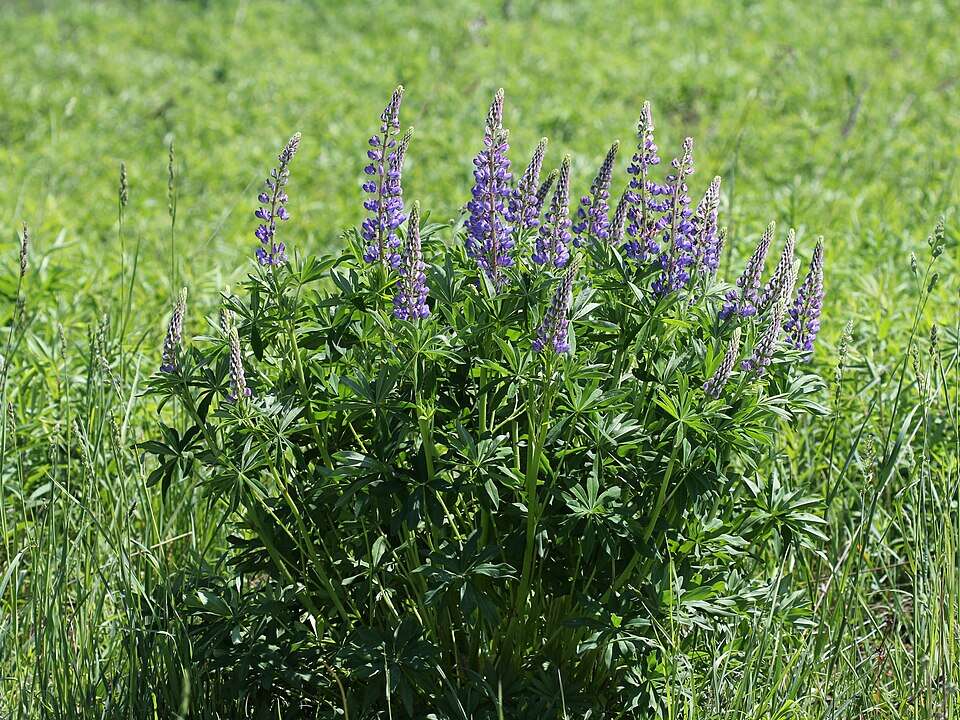
First, Lupinus polyphyllus grows in clumps and can reach about 1.2 meters in height. This creates shading for other plants that makes them grow taller and produce thinner leaves to increase photosynthesis efficiency. The second reason is that the plant is a legume that forms partnerships with nitrogen-fixing bacteria. Although the current study found no significant differences in soil nutrient composition between invaded and uninvaded plots, the authors cite previous studies suggesting that lupines can temporarily increase soil nitrogen.
Indeed, according to the paper published in New Phytologist , legumes significantly influence nutrient cycles through biological nitrogen fixation.
The paper notes that legumes can alter nitrogen availability because their symbiosis with rhizobia converts atmospheric N2 into forms plants can use, often leaving a legacy that changes soil fertility long after the legume itself is gone. In practice, that means invasion by a nitrogen-fixing species can influence nutrient cycling even when short-term soil tests do not show a clear difference in total soil nutrients.
Herbs adapted more strongly than grasses
Among the findings made was that herbs had stronger adaptive strategies compared to grasses. Shorter herbs increased their height and other growth-related traits more than grasses in the same invaded environment. This could be attributed to the fact that herbs have greater growth flexibility to adapt to different light conditions and competition.
The study also found that plants adjusted their ecological strategies according to the CSR framework commonly used in plant ecology. According to the CSR model, plants can be grouped into three main categories based on their adaptations: competitive, stress-tolerant, and ruderal. Compared with grasses in non-invaded environments, grasses living alongside the invasive lupine showed greater competitive and ruderal adaptations while showing fewer stress-tolerant adaptations.
CSR is a well-established concept in plant ecology. The initials are missing spacing, and the sentence is slightly awkward.
Why it matters beyond Poland
Although Lupinus polyphyllus was originally brought from North America as an ornamental species for soil improvement, it has since become invasive in many European countries, including Germany, Norway, Latvia, and Lithuania. According to EPPO , the species is increasingly becoming a danger to species-rich grasslands owing to its dense growth, which overshadows other plant species.
The research suggests that invasive species can cause more ecosystem change than previously understood. When native plant species remain present, they may change their growth strategies in response. The authors argue that these changes in growth strategy can serve as early signs of functional change in ecosystems.
Restoration efforts in grasslands invaded by Lupinus polyphyllus could also be improved by including more native herbs alongside grasses, since herbs were found to be more tolerant of the invasive plant. As invasive species spread in Europe due to climate change and human activity, understanding how native species respond will become increasingly important for preserving sensitive mountain environments.