An Garda Siochana will recruit 1,500 new members by 2021, as part of a major shake-up of the force, it was announced yesterday.
From 2017 to 2019, 2,090 Gardaí have been recruited and a further 478 have been re-deployed to the frontline.
It is expected that from now until end of 2021 that a further 1,500 Garda members will join the force, with 1,000 of these new recruits to be deployed to the front line.
A total of 1,800 extra gardai will be on the streets under the new restructuring plans.
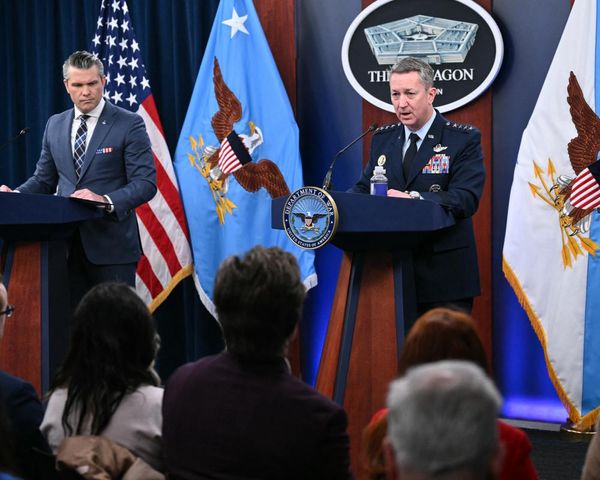
Garda chief Drew Harris said the shake-up will mean increased visibility and a more responsive service suited to communities.

The Policing Authority described the model as “the most significant structural change in the Garda Siochana since its inception”.
The Garda Inspectorate said the major restructuring will bring “significant benefits”.
Chief Inspector Mark Toland added: “It provides an opportunity to reduce the number of people working in back office support functions as well as reducing management and administrative overheads.”
The addition of officers on the beat will take place over a three-year period by recruiting more gardai and civilian staff.
But superintendents fear rural and border areas will be badly impacted due to a resources slump.
The reforms will lead to a reduction in the number of Garda regions from six to four. The force’s divisions will be cut from 28 to 19 and they are each set to have one chief superintendent and four superintendents.
It has been suggested they will operate as “mini police forces”.
But Supt Noel Cunningham, president of the Association of Garda Superintendents, expressed big concerns for rural areas and stressed more work and consultation is needed.
He added: “About two years ago at our conference we referred to what we called the corridors of crime on the border because of the changing dynamic of policing.”
The superintendent also insisted – based on discussions with police in the UK – the proposed plans are “not new” and will not work.
Supt Cunningham told RTE’s Morning Ireland: “We’re concerned [with] this model, the same thing will happen in rural Ireland where you will create huge tranches of rural Ireland which will not have the coverage it presently has.
“And one of the reasons it doesn’t work is that when you make these very large areas of policing, automatically what happens is your resources are pulled to the centre, to the more busier centres of policing, thereby the outlying areas are left [lower on numbers].”
He said making commitments about tackling crime and being available to community leaders is “extremely important”.
Supt Cunningham stressed if superintendents have to cover a larger area their availability “will be greatly impacted”.
Asked about challenges in border and rural areas, he added: “We’re in the mouth and the teeth of Brexit. We’re also in a situation where organised crime has never been as great as it is now and you’re removing management structures, experienced managers from those areas in this new proposal.”
However, Justice Minister Charlie Flanagan ensured yesterday no garda station will close under the new model.
He told RTE’s Drivetime: “No. We have currently about 564 Garda stations and do not envisage that any of these will close.”