
Emma Donnelly
champagne scientist
Thirsty Camel
 not
Champagne
Prosecco
not
Champagne
Prosecco
pop a bottle
here
dirty for a long time. There are a bunch of common mistakes we uncultured folks make when it comes to storing, opening and serving champagne.
We had a yarn with , a deadset , so that next time you swing past to stock up, you’ll know what you’re talking about for once.
Here’s what we’re doing wrong:
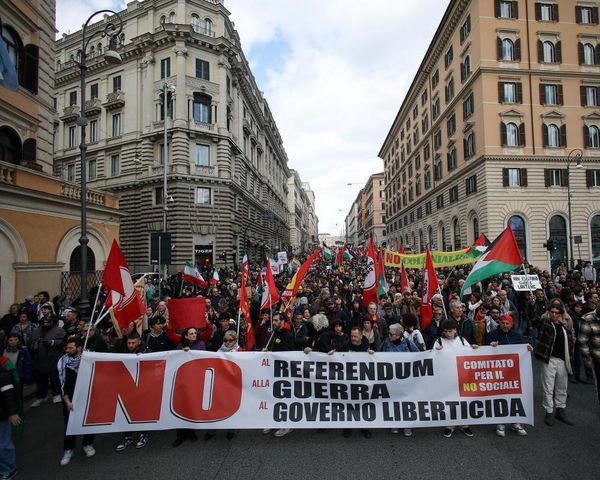
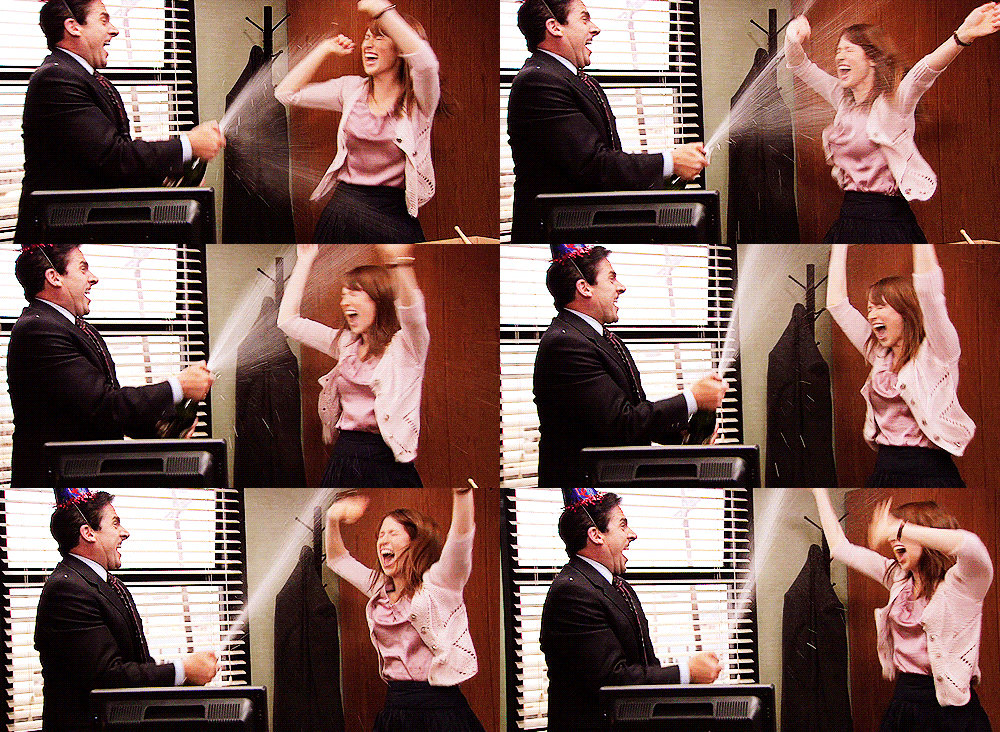
Emma says we might see it a lot in movies, but popping the cork so it goes flying is a big no-no. I know, I know, it’s fun and makes you feel like a GP-winning Formula One driver, but unless my boy is reading this, you have no excuse…
“It causes an excess of gas release and ultimately you’re trying to keep as many bubbles in your champagne as you can. When pouring, ensure your glass is cold and tilt it as you do when when you pour a beer,” says Emma.
“Anything that degrades the cork can result in the cork not sealing, oxygen getting in and bubbles getting out, resulting in oxidised or flat wine,” says Emma.
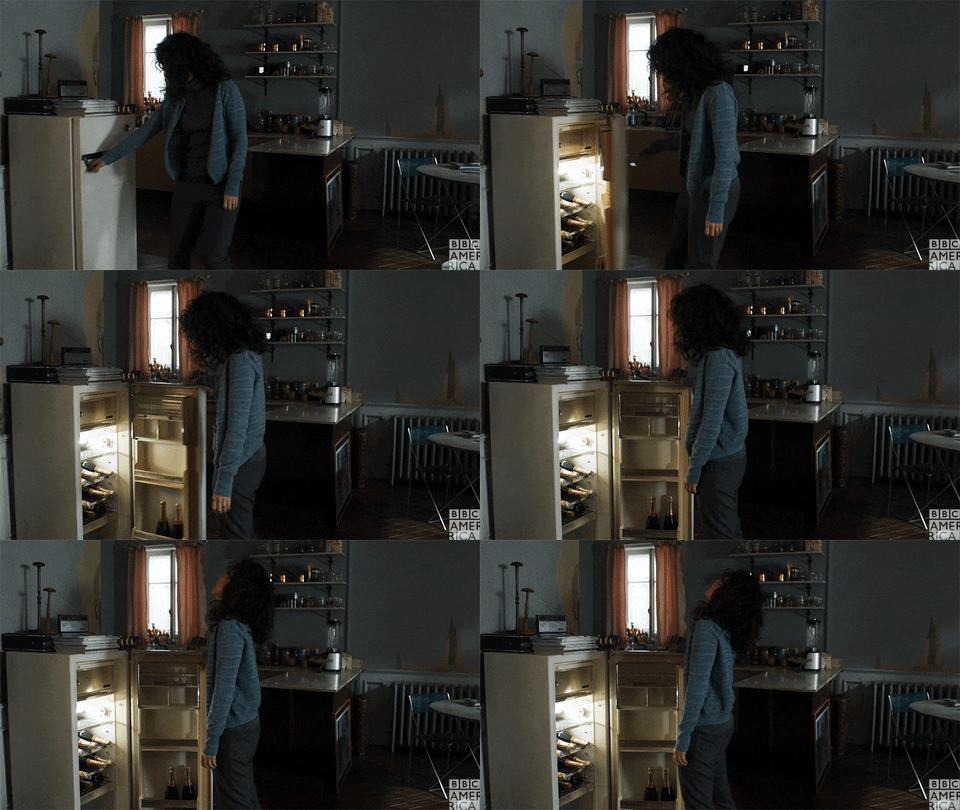
Storing it upright for longer than a month can cause the cork to dry out, so keep ’em horizontal like below…
As we’ve learned, the key to a killer glass of champagne is avoiding losing bubbles. When it comes to what to do with an open bottle, Emma says once it’s opened, the best thing to do is to consume it. If we to.
“The old wives’ tale of putting a teaspoon in the neck of an open bottle doesn’t work for saving the carbonation, either. Trying to keep bubbles in a bottle with a teaspoon is scientifically impossible,” Emma explains. “Buy a champagne stopper that pumps air into the bottle to stop oxidisation.”
Now, this is a mistake I’ve been making for literally my entire adulthood…
</
Turns out, they’re quite the same thing — I’ve been scolded IRL enough to know that. But never knew why.
Emma explains that both prosecco and champagne are names protected by law.
“ is produced under very strict protocols in France. The bubbles are produced from yeast being added to still wine in the bottle. This is called secondary fermentation and brings out particular flavours that aren’t present in other types of sparkling wine,” Emma says.
, on the other hand, is produced in specific provinces in Italy from a variety of grape called glera. It’s carbonated during fermentation using a method called Charmat and then bottled in a pressurised environment.
My ‘champers for dummies’ takeaway from this is that no, they’re not the same, but they might as well be cousins, you know?
“Any sparkling wine in the world can be made with either of these methods, however, the product can’t be called champagne or prosecco by law, unless it originates from each specific region.”
Anyone else absolutely parched after all that learning? If you’re also in the mood to sensibly pour some champagne, you can stock up on sparkling wine over, .
1. Stop popping the cork
Danny Ric
2. Stop storing it upright
3. Stop using a regular stopper
have4. Stop using prosecco and champagne interchangeably
not
Champagne
Prosecco
The post An Expert Tells Us Uncultured Swine How To Drink Champers Properly Bc We’ve Been Doing It Wrong appeared first on PEDESTRIAN.TV .