What influenced your career in your youth?
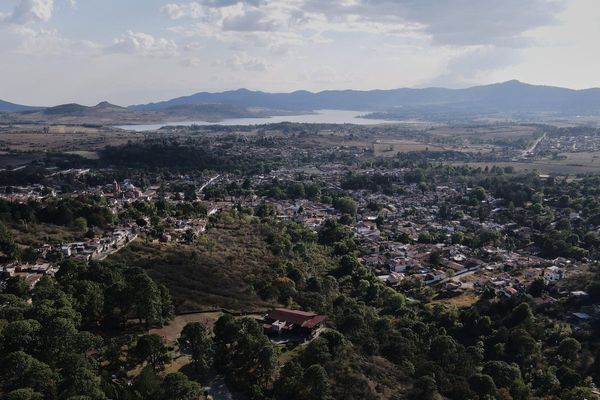
My father was a fourth generation beef and dairy farmer. His family settled here, at Eccleston, in the 1830s. At school, I was an absolute nerd who loved maths and chemistry. It was this, combined with my dad's contagious passion for understanding "how things work" that took me down the road to becoming a chemical engineer. Before coming home to the farm, I spent about 12 years away working - both overseas and here in Australia. About five years after leaving university I completed my MBA at the University of Oxford as a way of transitioning from engineering to agribusiness.
Why did you found Just Been Laid?
In 2017, I founded Just Been Laid (JBL) - an egg subscription business where customers sign up online for super fresh weekly eggs. The business needed to be complimentary to the existing family beef business, have a strong point of differentiation to its competitors and be a way of securing a sustainable financial future so that I could make sure the family farm would continue.
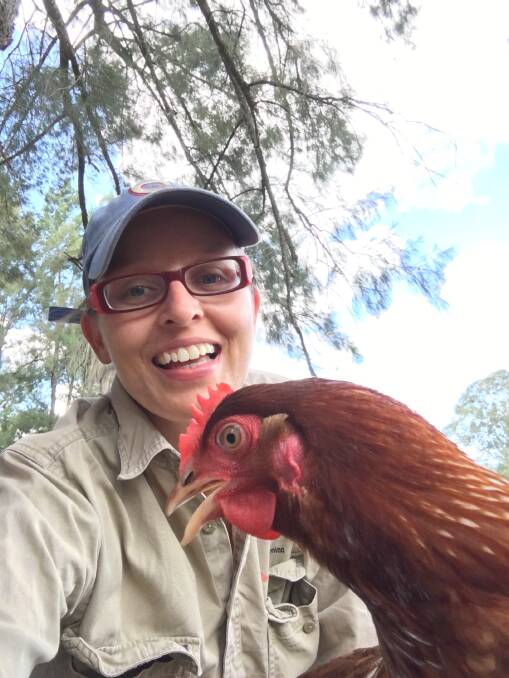
JBL eggs are as fresh as if they were laid in your own backyard. Better than that, the chickens graze on pasture all day long and help to condition the soil with their manure and their scratching. These last few months have just been so satisfying as we have actually had some rain and really started to see the benefit of the chickens on the ridge country here along the Allyn River, with a diverse range of grasses and plants coming back helping to increase our focus on biodiversity. By using the chickens and the cattle together with longer rest periods between grazing we are seeing special results.
It's a flexible subscription model which allows for a more predictable income. The people who sign up to this usually understand the ups and downs of farming and realise that signing up helps us to plan and invest in the farm with a level of certainty and guarantees them a very high quality product that has come from chickens that, at times, I swear lead a more comfortable life than me!
As a Nuffield Scholar, you visited farms in 10 countries. What was the purpose?
The philosophy behind Nuffield is to undertake best practice farming research then bring that knowledge back and share it as widely as possible. My research topic looked at "Small Giants - Farming businesses with a passion for excellence". The general concept here was to find businesses that have looked at more options that just getting bigger as their only way to grow. In particular, these business have a passion for excellence.
An emotionally connected customer is someone that is going to ride the ups and down with you.
Sarah Sivyer
What did you learn?
The businesses that I researched had excelled in creating value for their customers. Beyond having a great product and an efficient operation they had an extraordinarily targeted focus on creating value and "customer intimacy" - which goes beyond having highly satisfied customers. You start to aim for an emotionally connected customer, more than twice as valuable as a highly satisfied customer (Zorfas and Leemon, 2016). An emotionally connected customer is someone who will ride the ups and down with you, recommend you to a friend, pay more for your product because they understand that your production method takes more time.
How vital was that factor during the pandemic?
The pandemic was a really important test. Two things really shone through. The first was that customer intimacy was so important. But I actually feel like it went further than that. Yes, we wanted to be close to our customers and ensure we were doing everything possible to guarantee them eggs (especially given they seemed to be as popular as toilet paper at the supermarket) but the stronger feeling I got was that our customers wanted to find ways to support us also. We had customers increasing their subscription to take up some of the slack created by our wholesale business disappearing (when cafes shifted to takeaway only). Other customers wanted to contribute financially to cover the cost of eggs we were giving to kindness boxes and food donations.
The second thing that the pandemic helped us to see was what was really important to people. They want to know how they can be a part of some of the global solutions. While businesses like ours are very small, there are many small farming businesses across the Hunter that you will find are trying to tackle some of these big issues. We strive to increase biodiversity. We measure our success by how effective we are at improving our soils and we are trying even harder to identify people who want to come on this journey with us.
The key findings of your research paper Small Giants: Farming Businesses with a Passion for Excellence?
They centre on creating customer value and from that, the paper dives into customer intimacy and creating a culture of continuous improvement. The findings are relevant for businesses outside farming.
How did your business fare in the pandemic?
We took a 50 per cent hit to sales when cafes and restaurants switched to take away. Our subscription base lifted as people wanted to support both farmers and also local business. We also began supplying retail eggs.
IN THE NEWS:
- Third person charged in the murder case of New Zealand pilot Ian Pullen's roadside death pilot
- First Melbourne flight touches down at Newcastle Airport after border restrictions ease
- Jarryd Hayne pleads not guilty to two counts of rape at outset of Newcastle trial
- Restrictions to ease in NSW, putting Christmas carols back on the agenda