Amnesty International has demanded that the Algerian authorities release prisoners of conscience, as a dispute spurred between attorneys and judges on judicial and legal proceedings in these cases.
The National Union for the Algerian Bar Associations, which represents 50,000 attorneys, denounced on Thursday "violating defense rights" during the trial of Karim Tabbou at the appeal court that sentenced him to one year in prison.
The Union, led by Ahmed Sai, said that the judge refused to delay the trial given the convict's health condition. For his part, Tabbou objected to the absence of defense during his trial.
Further, the Union – which is fighting for judiciary independence – expressed in a statement its rejection of these practices that impact the judiciary's credibility. It also called on superior authorities to meddle and put an end to these violations.
The law stipulates that the defendant must be notified of the sentence in his presence but this didn’t apply in the case of Tabbou who was still at Kolea’s prison’s clinic – west of the capital.
Notably, the activist is facing two charges in two separate cases: “incitement to violence” and “harming national security”.
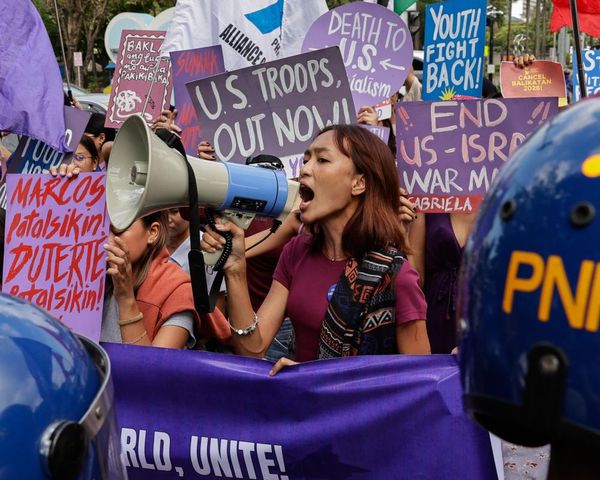
Responding to the court’s decision, Amnesty International asserted that the “Court's decision sends a deliberate and frightening message to demonstrators, including political and other civil society activists, that anyone who dares to oppose or criticize the government will be punished.”
It added: “Karim should never have been charged in the first place simply for expressing peaceful political views and the authorities must immediately and unconditionally release him.”
In a statement issued on its website: Amnesty said: “Instead of persecuting critics and people who courageously speak their minds freely, the Algerian authorities should immediately quash Karim Tabbou’s conviction and drop all the charges against him.
“At a time when the COVID-19 pandemic has governments worldwide considering early prisoner releases, the Algerian authorities must immediately release all those imprisoned solely for the peaceful exercise of their rights. They should also urgently consider the release of other prisoners – especially pre-trial detainees and those who may be more at risk from the virus – and take necessary measures to protect the health of all prisoners.”