ASADABAD, Afghanistan _ Khaksar's family knew something was wrong when his fever didn't break.
The 12-month-old wailed uncontrollably, tears streaming from his big brown eyes. His father visited a doctor in their lush, battle-scarred valley in eastern Afghanistan. But the pills he brought home did nothing.
After a week, the family bundled Khaksar into a taxi and rode for an hour and a half to the small hospital in Asadabad. Tests showed the boy had contracted a disease that is a relic of a past era: polio.
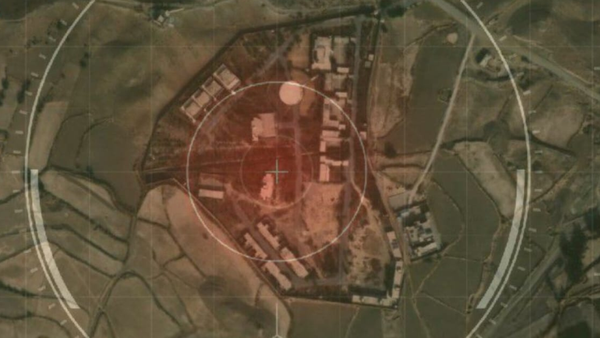
The narrow Sheltan valley, a haven for the Taliban and other insurgents along the border with Pakistan, is also one of the world's last redoubts for the crippling childhood disease.
There have been 29 polio cases worldwide this year _ four in Nigeria, 15 in Pakistan and 10 in Afghanistan. Of the Afghan cases, four _ Khaksar and three others _ are from this half-a-square-mile cluster of farming villages, home to about 1,000 people.
From 2012 until this summer, the threat of violence and the anti-Western policies of insurgents prevented health teams from entering the valley to vaccinate children, the only way to stop the virus' spread.
The teams are part of a $1 billion-a-year international effort to eradicate a disease that 60 years ago was a worldwide scourge, paralyzing hundreds of thousands of children and confining the sickest to tanklike iron lungs so they could breathe. Since Jonas Salk developed the first safe polio vaccine in the 1950s, mass immunizations gradually wiped out the virus in the industrialized world and, starting in 1988, propelled a global campaign to vaccinate every child.
The campaign is achieving its goal, isolating the virus to ever-smaller zones and driving down the projected number of cases this year to fewer than half of the 74 seen in 2015.
Khaksar could be one of the last polio victims on the planet.
Although that is good news for the world, it offers little comfort to his family.
"We have no idea what to do about this," said his grandfather, Duran, a tall farmer with a long gray beard and, like many Afghans, one name. "Only God knows what will happen to him."