Public Health England has told people in the Amesbury and Salisbury areas not to “pick up any foreign object which could contain liquid or gel" as the hunt for a container of novichok continues.
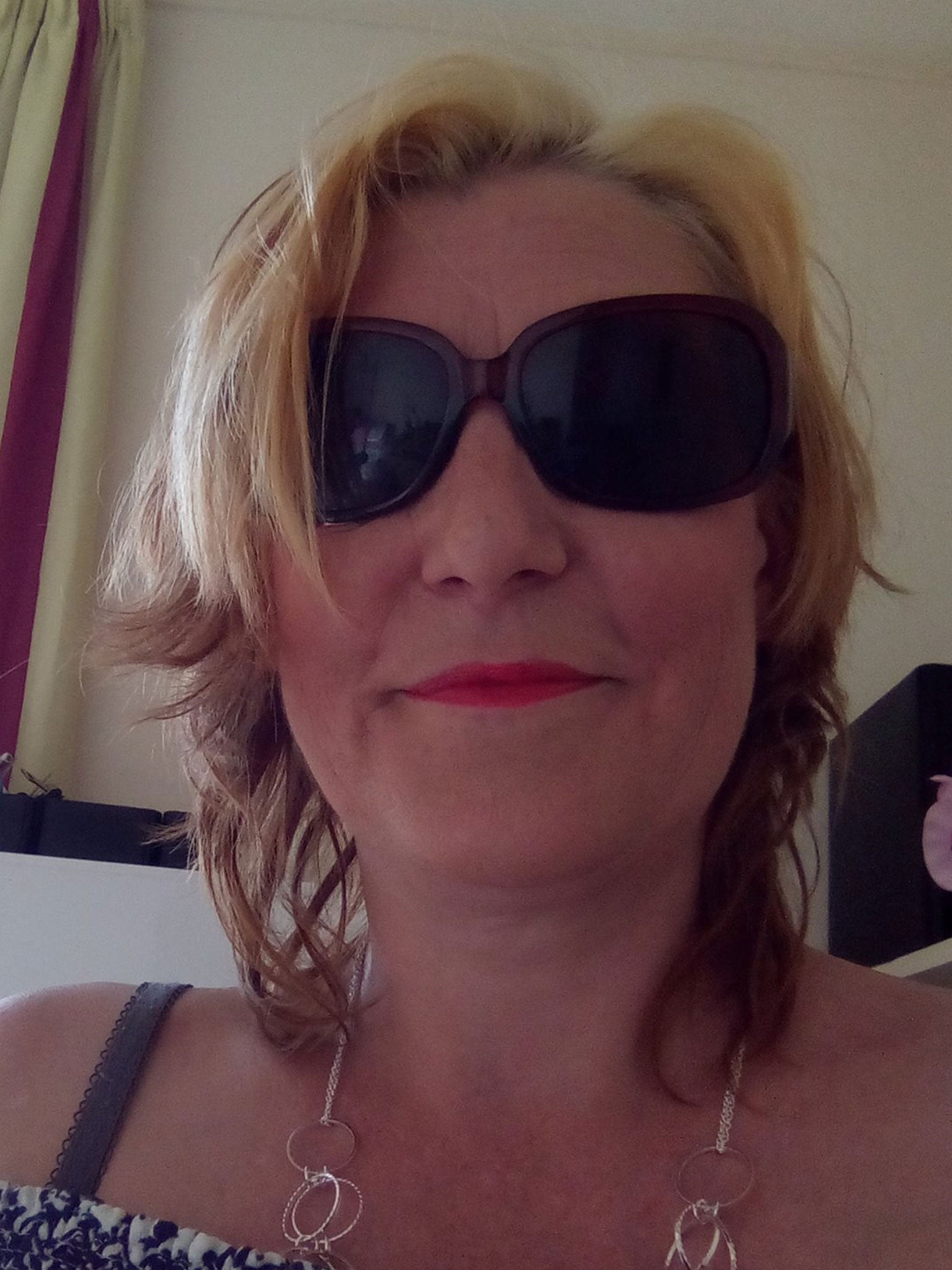
Dawn Sturgess died in hospital days after handling the item, while her partner Charlie Rowley remains in a critical condition.
The couple are believed to have accidentally been exposed to the nerve agent while in Salisbury on 29 June and fell ill in nearby Amesbury the following day.
Officials confirmed they had touched a contaminated item with their hands, raising fears that others could fall victim to the chemical weapon.
Police and health officials will seek to address safety concerns at a public meeting in Amesbury tonight, amid shock over Ms Sturgess’ death.
Dame Sally Davies, the chief medical officer, said: “Do not pick up containers, syringes, needles, cosmetics or similar objects, made of materials such as metal, plastic or glass.
“This is particularly important as families are starting to prepare for their children's summer holidays and so I am asking that people are extra vigilant. To be clear: do not pick up anything that you haven't dropped yourself.”
She emphasised that the overall threat to the wider public remains low and said areas decontaminated following the attack on Sergei Skripal in March are safe.
“You do not need to seek advice from a health professional unless you are experiencing symptoms," Dame Sally added. "If you are concerned, you should call NHS 111 and Wilshire Police has also established a helpline to offer further advice: 0800 092 0410."
Assistant Commissioner Neil Basu, the head of UK counterterror policing, confirmed that the main line of inquiry is whether the couple came into contact with the same novichok used against Mr Skripal and his daughter four months ago.
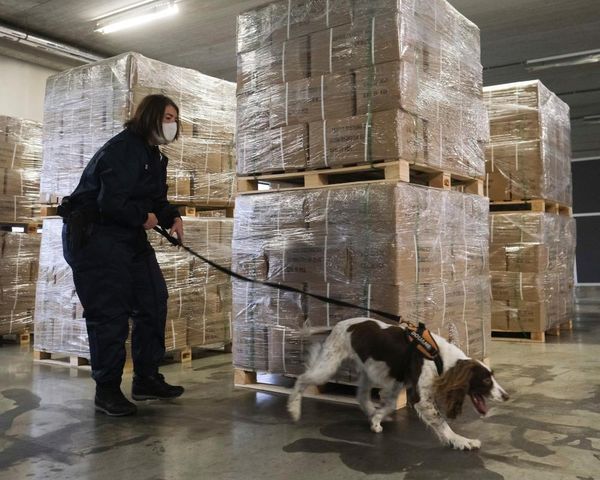
“Our focus and priority at this time is to identify and locate any container that we believe may be the source of the contamination,” he said on Monday.
“[Ms Sturgess and Mr Rowley] must have got a high dose and our hypothesis is that they must have handled a container we are now seeking.”
Relatives of Ms Sturgess, who had three children, have urged the public to "stop speculating" about her death.
“Dawn will always be remembered by us as a gentle soul who was generous to a fault,” a statement added.
“She would do anything for anybody and those who knew Dawn would know that she would gladly give her last penny to somebody in need.
“She had the biggest of hearts and she will be dreadfully missed by both her immediate and wider family.”
Emergency services initially treated the incident as drug-related because of information from a friend, their symptoms and items found at Mr Rowley’s home.
Wiltshire Police Chief Constable Kier Pritchard defended the response as “entirely proportionate” last week and gave his support to the initial responders.
But medics at Salisbury District Hospital became concerned about Ms Sturgess and Mr Rowley’s symptoms and sent samples to the Porton Down defence laboratory for analysis.
When they came back indicating nerve agent exposure, a major incident was declared.
The supported-living accommodation where Ms Sturgess lived in Salisbury has been cordoned off alongside Mr Rowley’s home in Amesbury, where they both fell ill.
Other areas they visited on 29 and 30 June, including a park, are also being investigated by police in protective clothing as they attempt to find the container.
Friends of Mr Rowley said he was known to forage for goods to fix and sell, and he and Ms Sturgess are known to have collected discarded cigarettes.
A car belonging to an emergency services worker has been seized for testing in Swindon, as well as a red Ford Transit van Mr Rowley travelled in before falling ill.
Officials said the couple had not visited areas of Salisbury that had been frequented by the Skripals and subsequently decontaminated and security services hope that tracing the container will provide vital clues.