As the debate over physician-assisted death legislation continues to unfold, Americans are grappling with the complex issue of end-of-life choices. Currently, at least 12 states have bills under consideration that would legalize physician-assisted death, with eight states and Washington, D.C., already permitting the practice for their residents. Vermont and Oregon allow qualifying individuals from any state to access this option, subject to specific criteria.
However, the legal landscape remains fragmented, leaving many individuals without recourse in most states. Some patients opt to establish residency in states where physician-assisted death is legal, while others endure challenging journeys in the final stages of their illnesses to access this option in unfamiliar settings.
Advocates argue that physician-assisted death legislation is rooted in principles of autonomy and compassion, providing individuals with a measure of control over their end-of-life decisions. They emphasize the importance of safeguarding the process to ensure that decisions are made voluntarily and without external pressure.
Opponents, including religious groups and lawmakers, raise moral objections to the practice, expressing concerns about potential abuse and the normalization of suicide. They advocate for enhancing end-of-life care as an alternative approach to addressing the needs of terminally ill individuals.








Despite the contentious nature of the issue, public opinion in the United States has shown support for physician-assisted death, with a majority of Americans expressing approval of the practice. However, the actual utilization of physician-assisted death remains relatively low, with a small percentage of individuals opting for this option.
Efforts are underway in several states to expand access to physician-assisted death, either by removing residency requirements or broadening the scope of healthcare providers authorized to prescribe the necessary medications. These initiatives aim to address the needs of individuals facing terminal illnesses and seeking greater control over their end-of-life experiences.
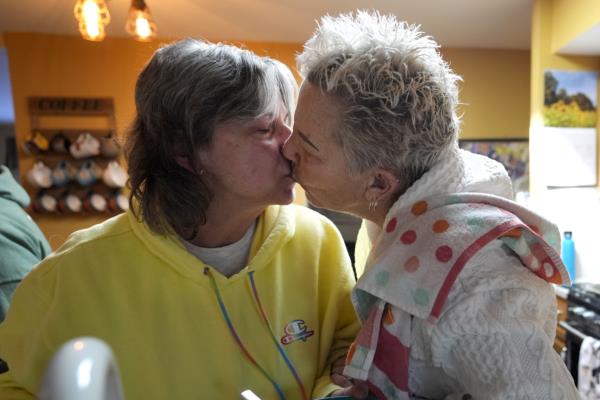
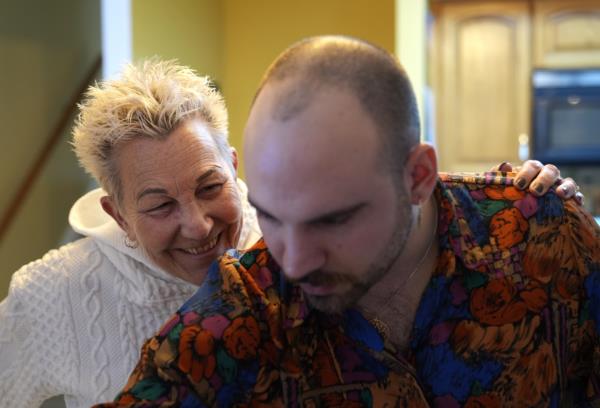
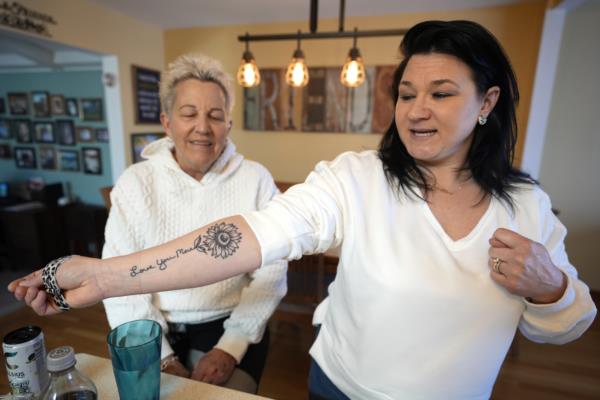
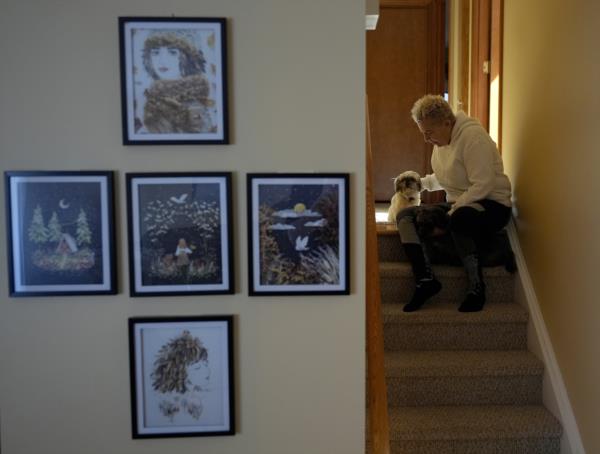
As the conversation around physician-assisted death evolves, individuals like Deb Robertson and Gary Drake are navigating deeply personal decisions about their final moments. While the ethical and legal complexities of this issue persist, the quest for dignity and autonomy in end-of-life care remains at the forefront of the national dialogue.