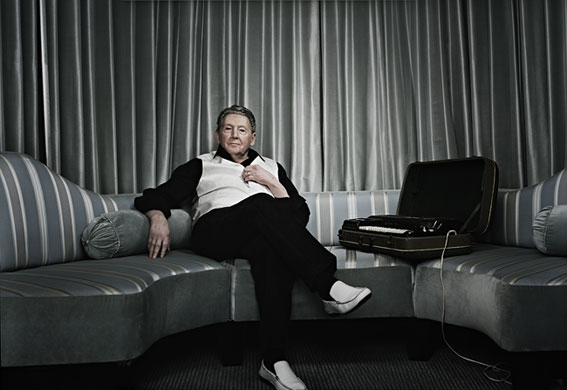
Ray Davies: "He looked like a complete punk, but really cool. White shirt, black suit. The coolest. Obviously a man with demons, but the fact he didn’t seem quite safe to be around added to the attraction"
Photograph: Jamie-James Medina
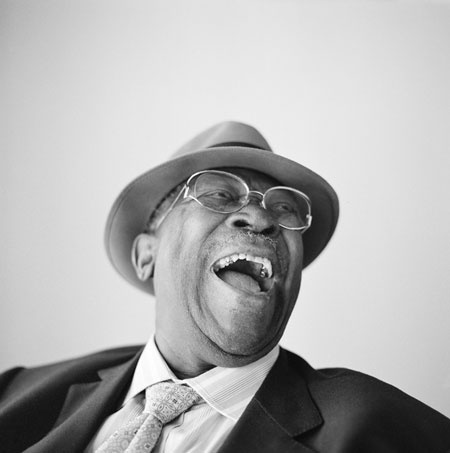
Joe Perry, Aerosmith guitarist: "As a guitar player, he taught me that less is more. It’s not all about technique, it’s about feel. He tells stories, just like Sinatra"
Photograph: Jamie-James Medina
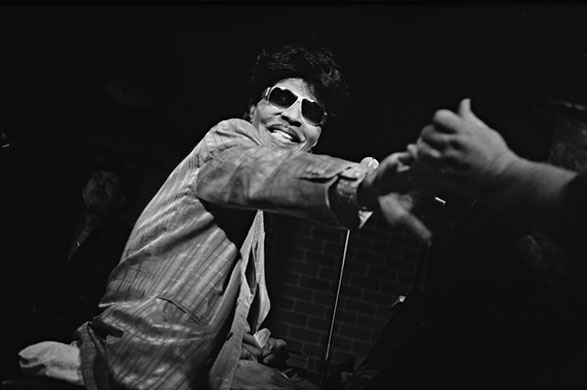
Richard Hawley: "The sound of his voice is outrageous, and his first two albums are two of the best rock'n'roll records ever made. He must have been a very threatening character for the powers that be at the time. He was black, gay, from a religious family, and from the south. We take that kind of shock for granted now"
Photograph: Jamie-James Medina
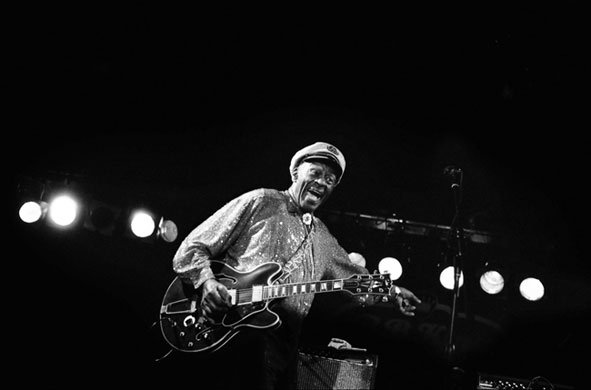
Bobby Gillespie, Primal Scream: "You can hear him in the early Beach Boys, in the New York Dolls, the MC5, T Rex – Marc Bolan wore a Chuck Berry T-shirt. Chuck Berry started the global psychic jailbreak that is rock’n’roll”
Photograph: Jamie-James Medina
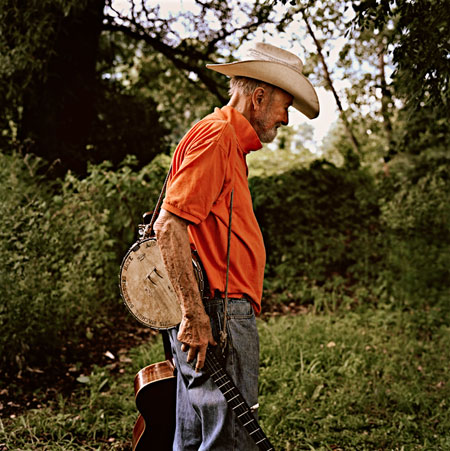
Billy Bragg: "Tall, thin and ancient, Pete Seeger towers over folk music like a giant redwood. The man who, in his 91st year, continues to urge us all to overcome"
Photograph: Jamie-James Medina
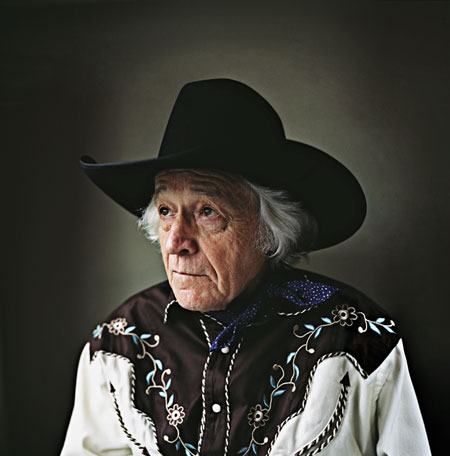
Roger McGuinn: "A Jewish kid from Brooklyn who joined the rodeo, hung out with Woody Guthrie and lived his dream. He's been a sailor, a trucker, he's lived all the lifestyles that folk songs sing about"
Photograph: Jamie-James Medina
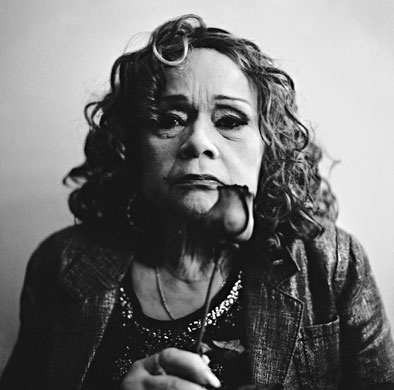
Adele: "Everything she sings – you believe her, even if she never wrote a word of it herself. I saw her live in New York not so long ago: extraordinary. There she was, at the age of 71, singing 'I want to ta ta you, baby' - almost groping herself, as if the meaning wasn't clear enough already. She just has so much attitude"
Photograph: Jamie-James Medina
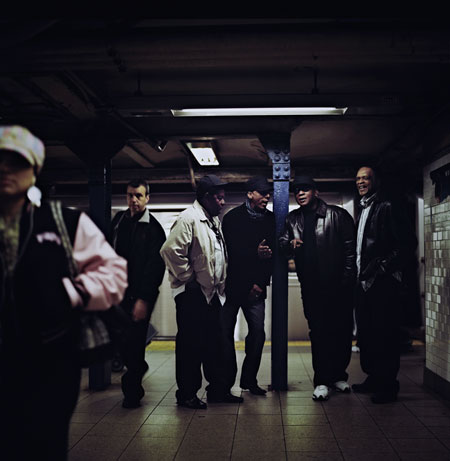
Pete Waterman: "They were so different from what else I was listening to – Marty Wilde, Cliff Richard – it was like listening to the Sex Pistols for the first time"
Photograph: Jamie-James Medina
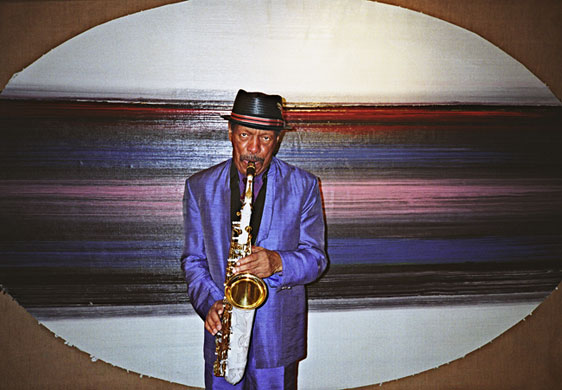
Seb Rochford: I liked the story of the band he had. It seemed exciting, the way they got the music together, then all went to New York with a concept that freaked people out"
Photograph: Jamie-James Medina
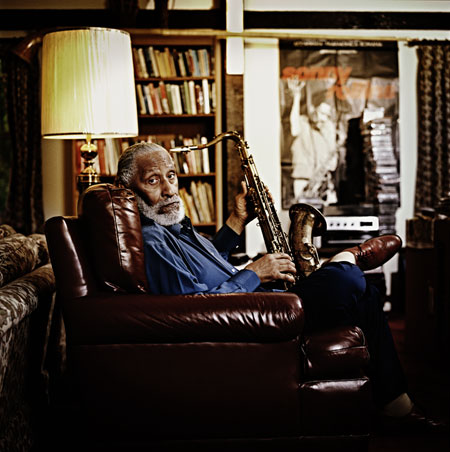
Charlie Watts: "I first saw him in 1964, playing with a trio. To sit there and watch Sonny Rollins, my God! He's not just a saxophone player. he's iconic, a leader without having to explicitly say it. I think you'd follow Sonny into war"
Photograph: Jamie-James Medina
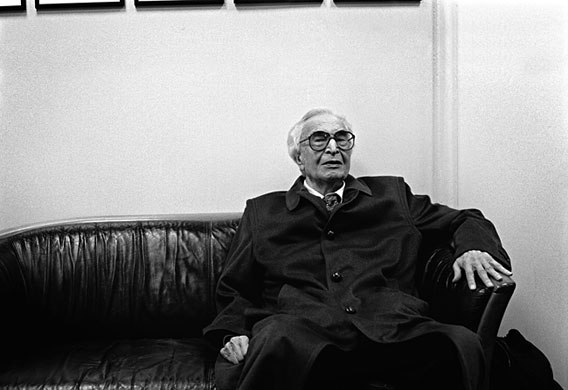
Jamie Cullum: "He can caress the piano, but he also attacks it in quite an unsubtle way, and I’ve definitely brought some of that into my own playing. I’m very fond of playing those stabbing, sharp notes, and that’s definitely a Brubeckian thing"
Photograph: Jamie-James Medina
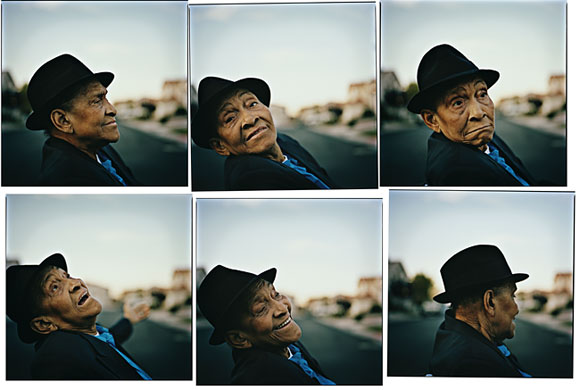
Sufjan Stevens: "When he’s singing he’s so grateful to be there, and so alive. Pop music is so structured. Every time Jimmy Scott sings it's the same but slightly different. I don't know how he does that. I think it's instinct. Nothing he does is by chance, he's in complete control of what he's doing"
Photograph: Jamie-James Medina
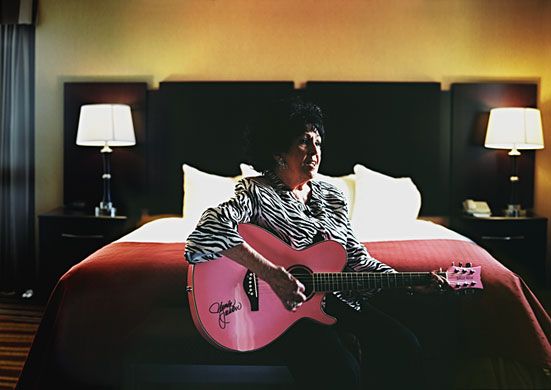
Imelda May: "There's old footage of her doing Hard-Headed Woman at the Town Hall Party, and it's fantastic. She just freaks out. It was very unusual for a woman to be letting it rip like that in the '50s, and singing a lot of 'male' songs"
Photograph: Jamie-James Medina
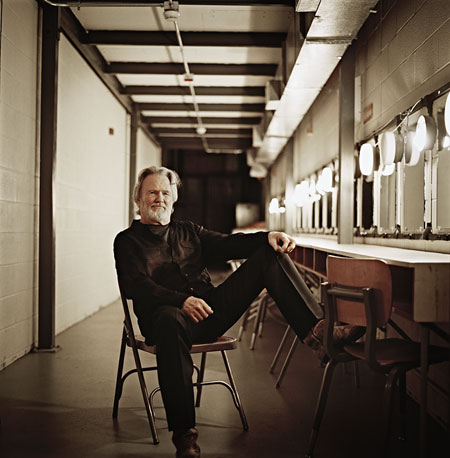
Steve Earle: "When I went to Nashville in 1974 Kris was gone but everyone I knew, my whole crowd, was there because of him. We became songwriters because of Bob Dylan, but we went to Nashville because of Kris Kristofferson"
Photograph: Jamie-James Medina
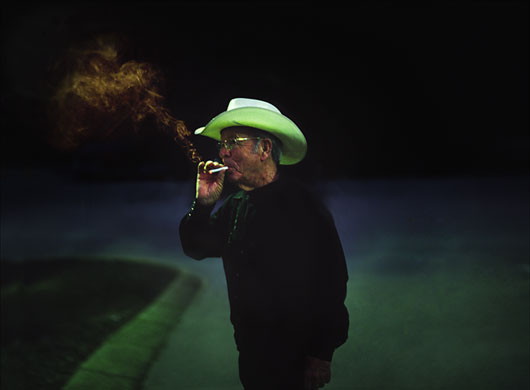
Emmylou Harris: "There was something scary and washed in the blood about the sound of the Louvin Brothers. It’s got that sibling sound, something about the physiology of it. I loved the way they would hit a unison note then jump off into a harmony, or vice versa, and switch lead back and forth"
Photograph: Jamie-James Medina
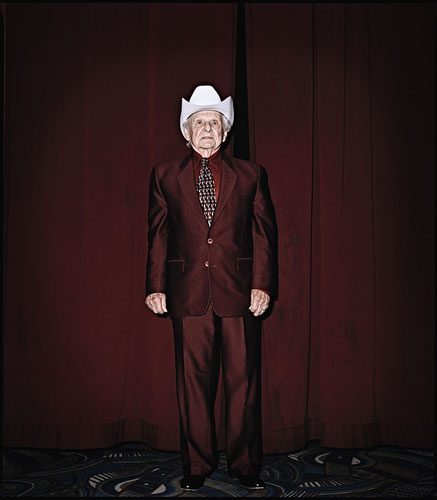
Martin Carthy: "He's got this beautiful old-fashioned way of singing: exciting and intriguing yet completely straightforward. His voice tells you everything you need to know about the world"
Photograph: Jamie-James Medina
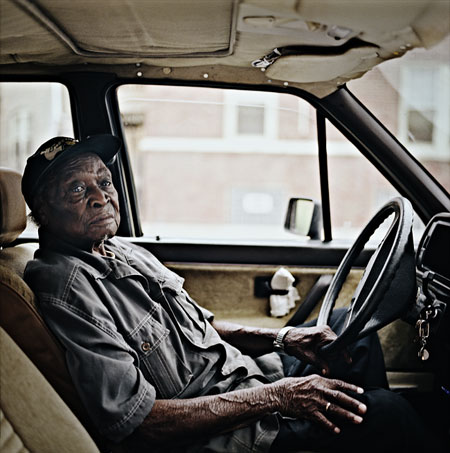
Paul Jones: "He’s a living piece of history. He first recorded for Alan Lomax and the Library of Congress in 1942 and he’s still doing it seven decades later. He did my Radio 2 rhythm and blues show, and talked about being with Robert Johnson the night he died, from drinking poisoned whisky"
Photograph: Jamie-James Medina
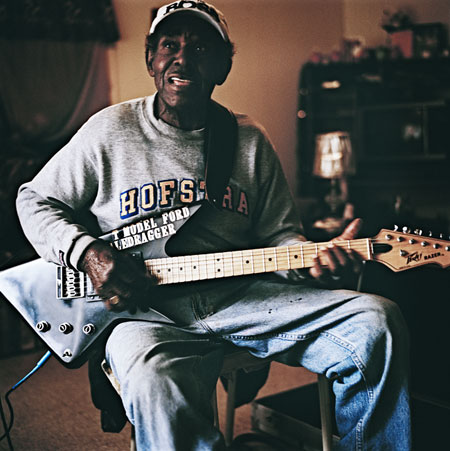
Dan Auerbach, The Black Keys: "When you hear about T-Model being a violent guy you know where it comes from. When he sat behind his guitar it didn't matter that he was only getting $5 for a four-hour set he was just happy to be able to play"
Photograph: Jamie-James Medina
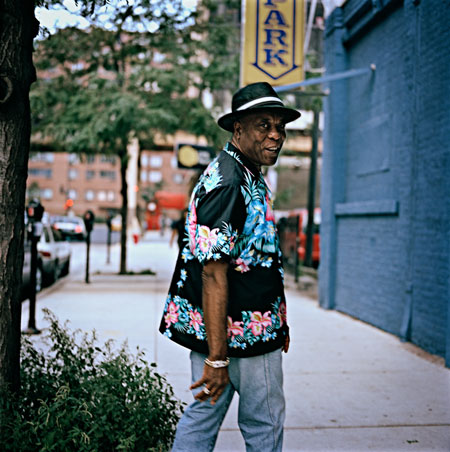
John Mayer: "If you follow Clapton or Hendrix back, you get to Buddy Guy. He really invented this abandon on the guitar that Hendrix saw and adapted"
Photograph: Jamie-James Medina
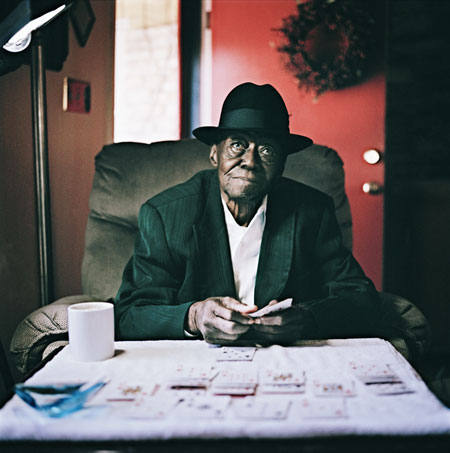
Seasick Steve: "We recorded together about five or six years ago. He was real humble, not quite seeing his place in history, having played with Muddy [Waters] and [Robert] Nighthawk back when he was just a tractor driver living in a white man's world. He didn't get how heavy that was"
Photograph: Jamie-James Medina
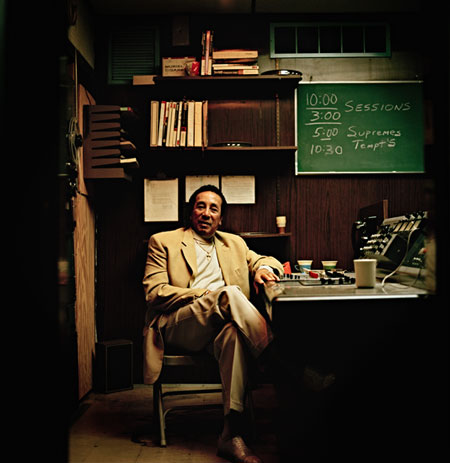
Corinne Bailey Rae: "He's a true American heartthrob. He's vulnerable, but in being vulnerable he's very sexual as well. It's the kind of sexuality that comes across as being really tender and winning, and that's something that his songs and his voice have"
Photograph: Jamie-James Medina
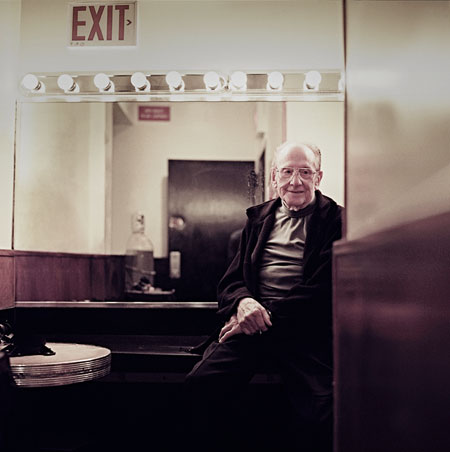
Slash: "I started to get an understanding of his innovations in recording technique – the fact that he invented all the things that Jeff Beck and Jimmy Page were using that were so great"
Photograph: Jamie-James Medina