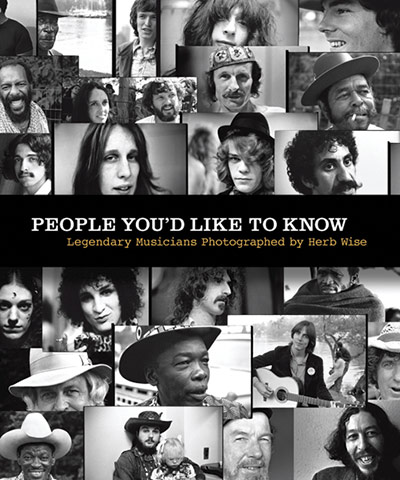
American icons: Herb Wise captures 70s festival stars
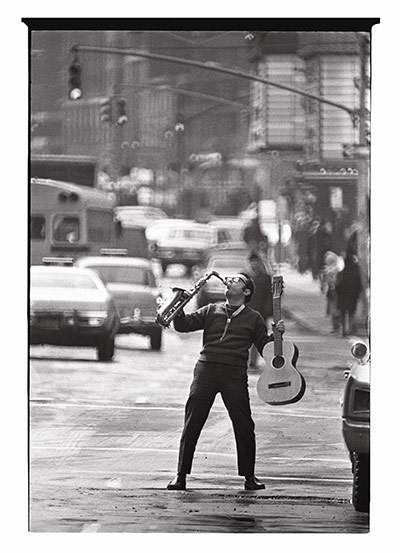
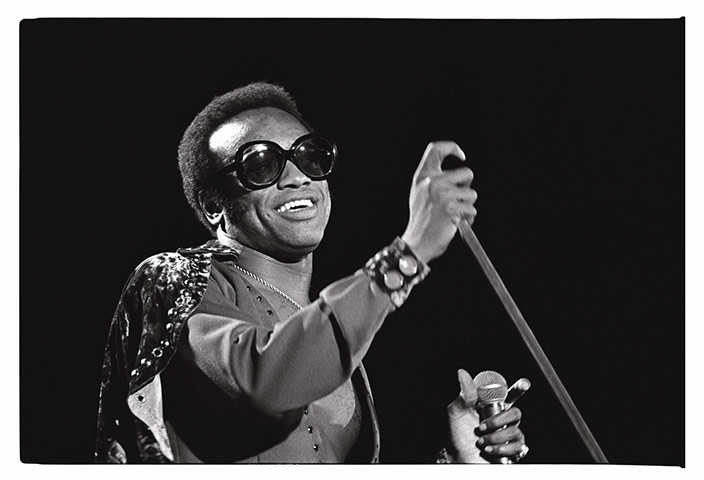
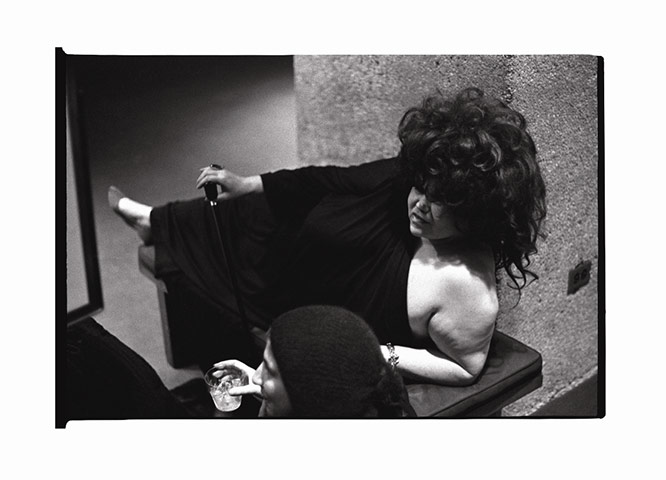
Jazz musician Arnie Berle toured for years as a reed and flute player with many of the leading big bands in the United States (1972)Photograph: Herb Wise/People You'd Like To KnowBobby Womack started out with his four brothers as a gospel act that was renamed the Valentines when they joined Sam Cooke's SAR label in the early 60s (1973)Photograph: Herb Wise/People You'd Like To KnowCandy Darling, a gender-bending friend of Lou Reed (1973)Photograph: Herb Wise/People You'd Like To Know
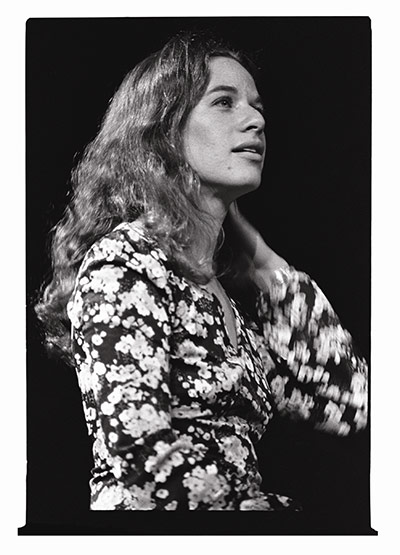
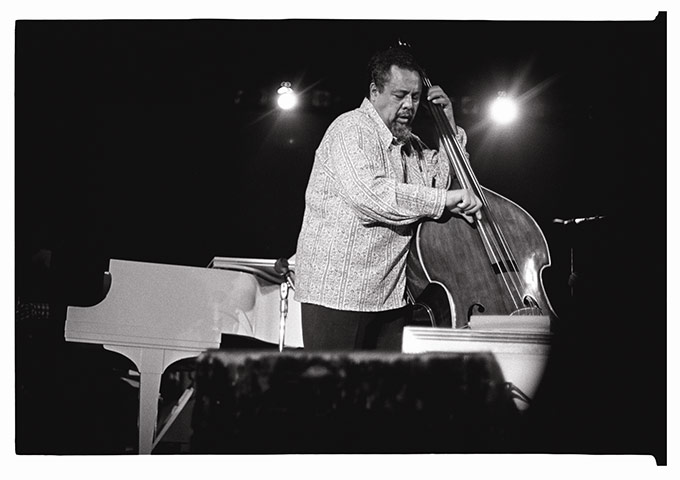
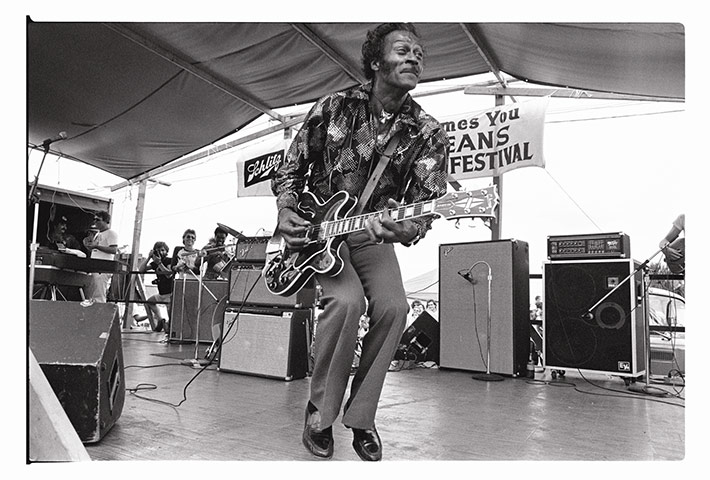
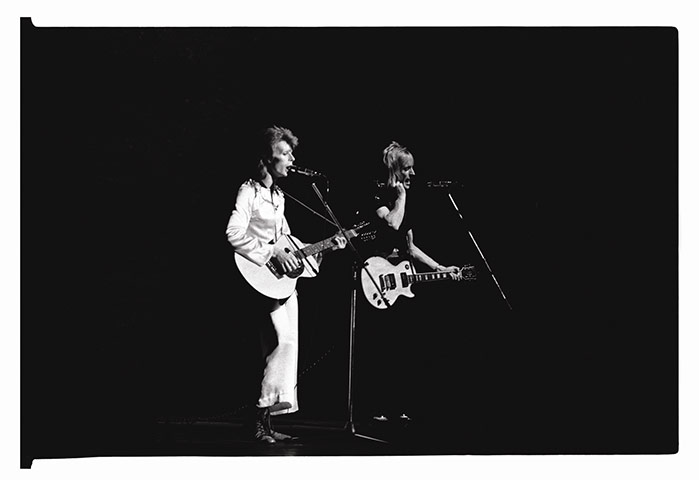
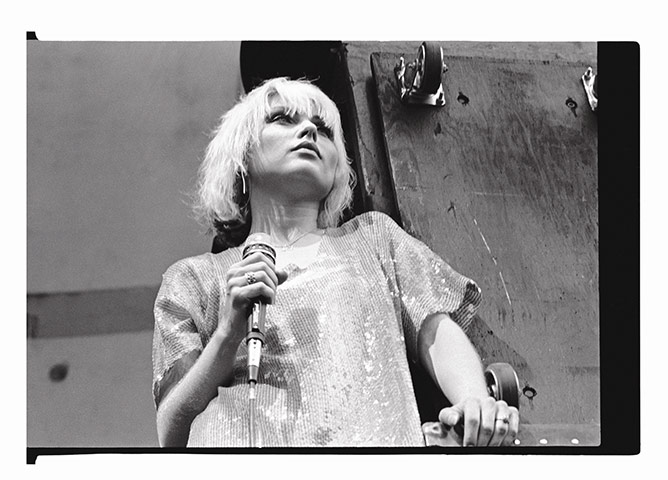
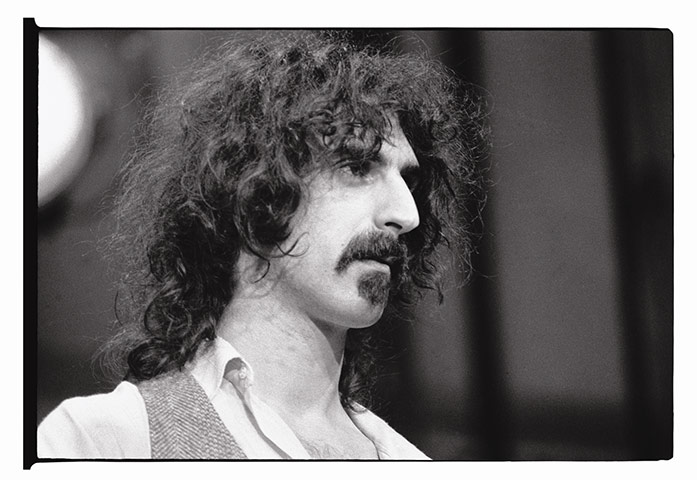
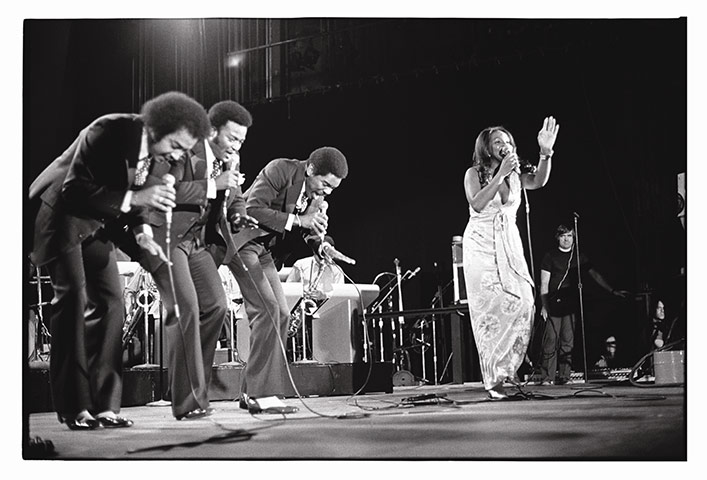
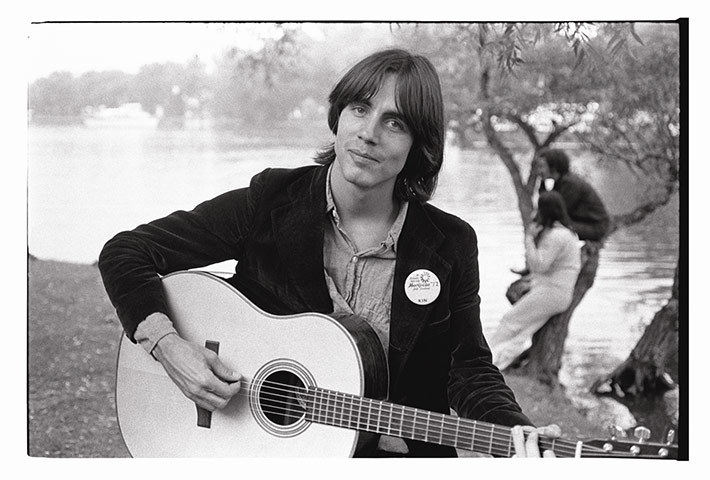
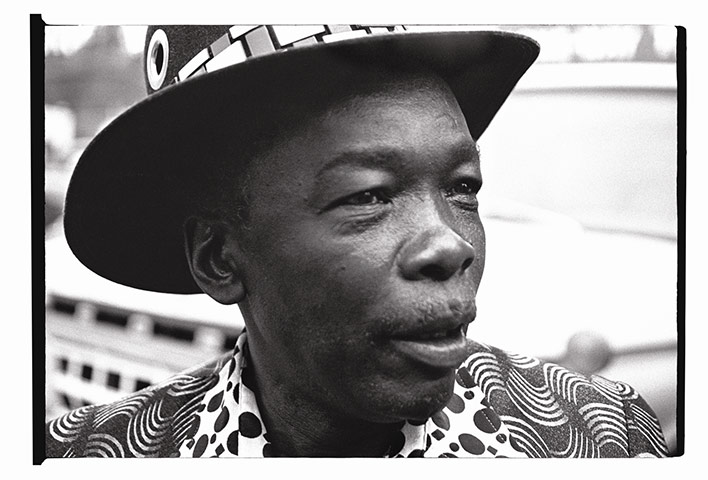
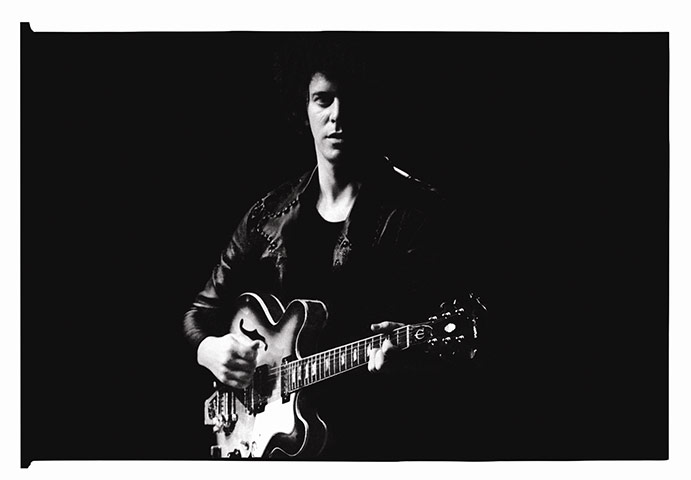
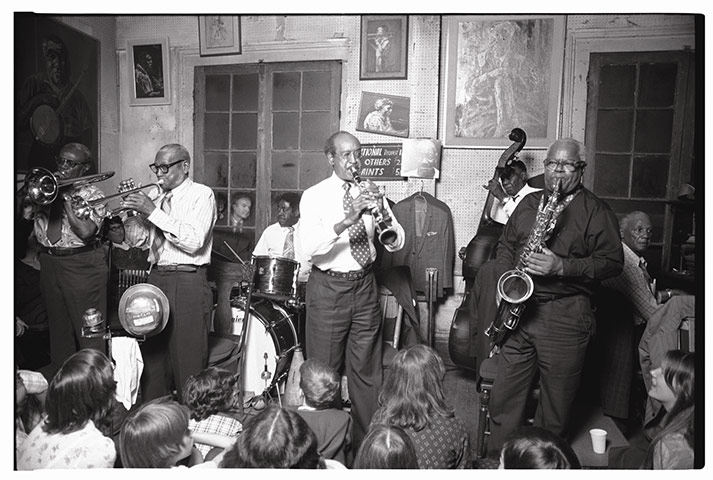
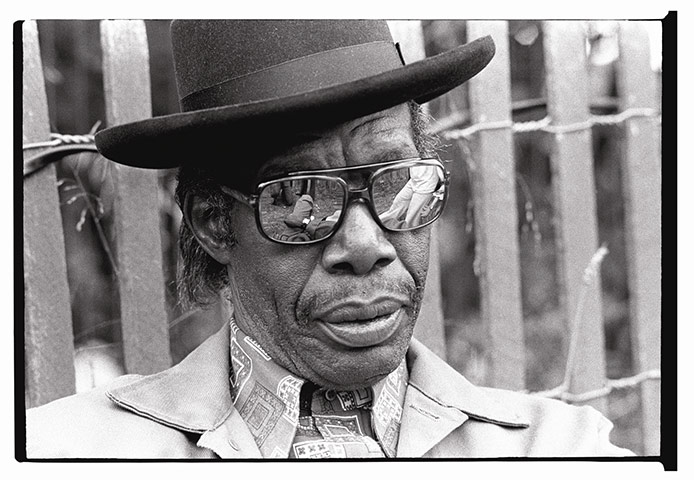
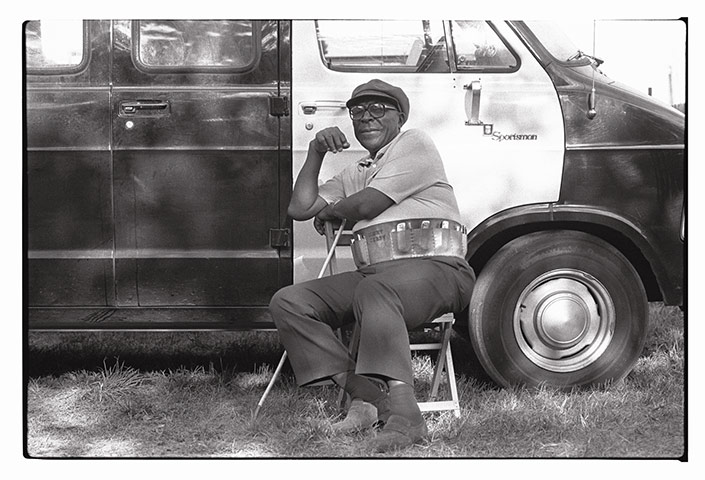
When this picture was taken, Carole King's sha-la-la days in the Brill Building were well behind her. With a bestselling 1971 album – Tapestry – she had become the singer-songwriter darling of a new audience that adored her more mature songs as well as the occasional reinterpretation of old Goffin-King pop classics such as Will You Love Me Tomorrow (1971)Photograph: Herb Wise/People You'd Like To KnowAbrizona-born Charlie Mingus was a supremely gifted musician and composer whose jazz roots propelled him into composing complex pieces that, to begin with, often defied interpretation by any band that was not under his direction (1973)Photograph: Herb Wise/People You'd Like To KnowChuck Berry, rock'n'roll pioneer and practitioner of the famous duck walk, had an immense influence on the development of rock. A difficult man, imprisoned three times, he often refused to go onstage unless the cash was handed to him first. His live performance might be brilliant or sloppy but one one could never doubt the importance of his witty songwriting, unique guitar-playing or his indelible impact on the popular music of the 20th centuryPhotograph: Herb Wise/People You'd Like To KNowThis early 70s concert shot of David Bowie with Mick Ronson captures one of the less exotic incarnations of the man who became Ziggy Stardust (1973)Photograph: Herb Wise/People You'd Like To KnowBlondie owed a debt to both the New York Dolls and the girl groups of the 60s and were formed in 1974, their punk-with-melody style embodied by vocalist Debbie Harry (1979)Photograph: Herb Wise/People I'd Like To KnowDivine, also a friend of Lou Reed, was the first drag persona of an accomplished singer, performer and mainstay of John Waters's films (1973)Photograph: Herb Wise/People You'd Like To KnowElizabeth 'Libba' Cotten learned to play banjo and developed a contorted left-handed guitar style by playing a conventionally tuned guitar upside down. She subsequently forgot about music until she was in her 60s when a chance encounter led her into becoming the housekeeper for the Seeger family. Inspired to play music again she became a well-known and much celebrated link to old folk and blues songs (1979)Photograph: Herb Wise/People You'd Like To KnowFrank Zappa was a musical force of nature who progressed from a fondness for percusssion-driven avant-garde music to a bewildering variety of eclectic musical experiments that found early expression in the 1966 Zappa-led Mothers of Invention album, Freak Out! Accordingly, festivalgoers were never sure quite what they were going to get: the rocker, the jazz musician, the classical performer or the prodigious guitarist (1976)Photograph: Herb Wise/People You'd Like To KnowTheir first hit came in 1961, but Gladys Knight and the Pips were still riding high in 1973 and enjoying the first in a series of country-flavoured soul hits written by Jim Weatherly when they performed at Madison Square Garden (1973)Photograph: Herb Wise/People You'd Like To KnowJackson Browne was the heart-on-sleeve face of pacifism and political awareness. He attended the Mariposa folk festival not as a performer but as a guest of his friend Joni Mitchell (1972)Photograph: Herb Wise/People You'd Like To KnowJohn Lee Hooker was a true blues innovator, developing his own idiosyncratic style of talking blues and a rolling guitar style reminiscent of boogie piano (1973)Photograph: Herb Wise/People You'd Like To KnowStage performances often involve the spotlight isolating an artist against an ink-black background. By contrast, open-air festivals can make performers look more accessible. In both cases a good photograph brings its own point of view to the prevailing look of the performance. Here a dramatically lit Lou Reed performs at the Lincoln Centre (1973)Photograph: Herb Wise/People You'd Like To KnowThe Preservation Hall Jazz Band is indivisble from its headquarters, Preservation Hall, a venerable music venue located in the heart of New Orleans' French Quarter. Founded in the early 60s, the band operated as a travelling ambassador for New Orleans jazz Photograph: Herb Wise/People You'd Like To KnowProfessor Longhair (real name Henry Roeland Byrd) was a New Orleans institution. A bluesman and pianist born in 1918, he spanned early R&B and the New Orleans jazz revival and never lost his rough edge, something that made him less likely to have hits with his own songs than those who covered them (1975)Photograph: Herb Wise/People You'd Like To KnowBlind harmonica player Sonny Terry from Greensboro, North Carolina, first worked with Brownie McGhee in 1939 when both played with Blind Boy Fuller. Reunited with McGhee in New York, Terry bought his distinctive staccato harmonica accompaniment (plus whoops and hollers) to what would be a long-standing musical act that eventually saw them playing as part of the folk revival of the 80s (1980)Photograph: Herb Wise/People You'd Like To KnowHerb Wise's People You'd Like To Know is available to buy now from AmazonPhotograph: Guardian
Sign up to read this article
Read news from 100's of titles, curated specifically for you.