America’s biggest health insurer has reportedly delayed plans to roll out a new policy allowing the company to refuse to pay for emergency room visits it deems “non-urgent”.
UnitedHealthcare will push back the plan until at least the end of the coronavirus pandemic, according to The New York Times.
The decision to delay the policy comes after the health insurance giant faced widespread opposition from the medical community.
The proposed plan, which would affect millions of people, had prompted concerns that it could force patients to try to assess their own medical issues before seeking out emergency care, which could risk delaying treatment, including lifesaving care.
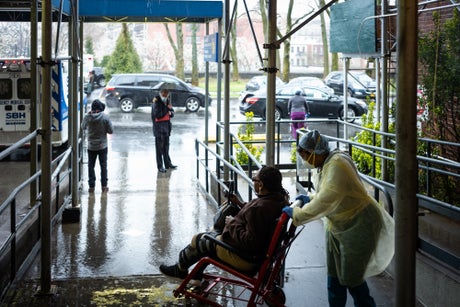
The initiative had also sparked fears that it could see patients avoid going to the emergency room altogether - a trend already observed in the midst of the coronavirus pandemic, with many afraid to visit hospitals during the outbreak and some also fearing the associated medical bills during a time of economic uncertainty.
Recommended
The policy had previously been set to come into effect next month.
In a statement to NYT, Rick Pollack, the chief executive of the American Hospital Association, said the decision to hold off on the plans “offers a temporary reprieve for patients”.
However, he said the association is urging a “full and permanent reversal” of the initiative.
Ultimately, Mr Pollack said he believed the planned policy change been a “very misguided” endeavour – particularly in the midst of a pandemic.
While UnitedHealthcare has not suggest any plans to scrap the initiative entirely, it has said that “based on feedback from our provider partners and discussions with medical societies, we have decided to delay the implementation of our emergency department policy until at least the end of the national public health emergency period”.
When the emergency period will end, however, remains unclear and top US officials have not said what the situation would need to be for them to declare an official end to the crisis.