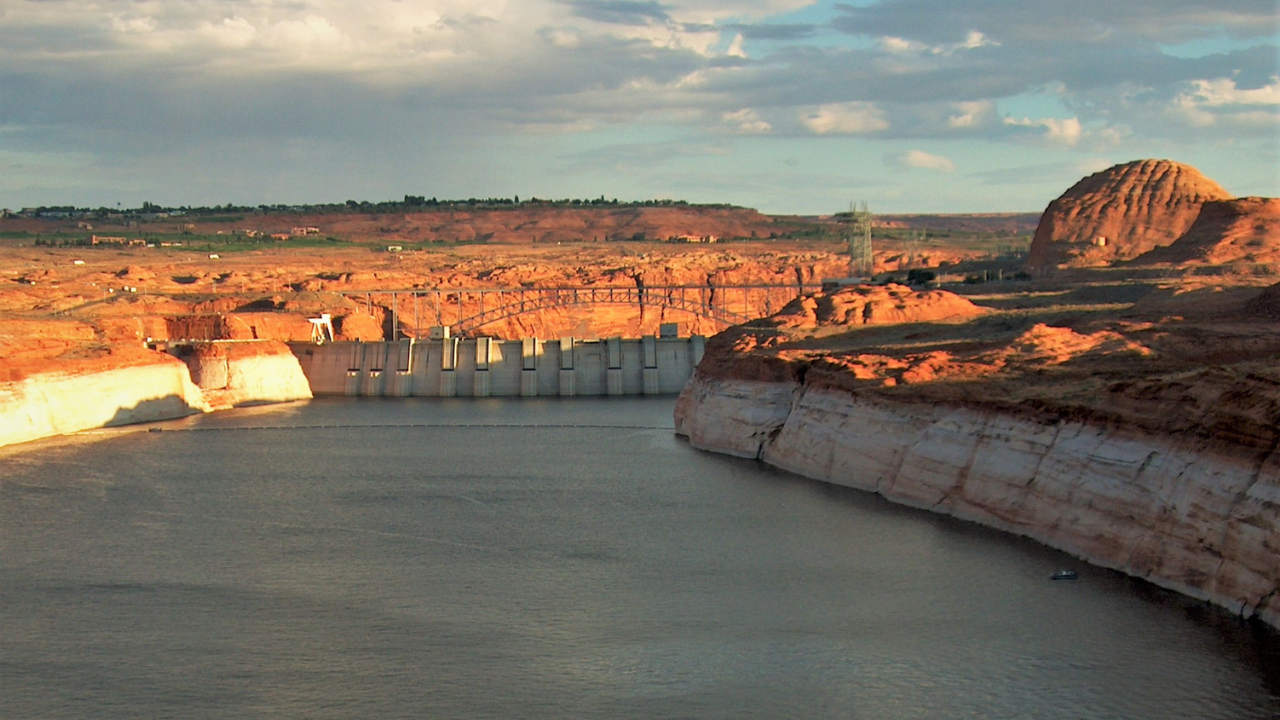
For more than 60 years, Lake Powell and Lake Mead have served as the twin pillars of the Colorado River system, storing water for cities, farms and hydropower across the American Southwest. But as drought, rising temperatures, and chronic overuse continue to shrink the river, a growing number of scientists and water experts argue that trying to keep both reservoirs operating as they were originally designed may no longer be realistic. Instead, they say the United States should seriously consider consolidating most of its stored water in Lake Mead, even if that means allowing Lake Powell to shrink dramatically or eventually disappear.
Get breaking news anytime, anywhere. Download the TOI app now!
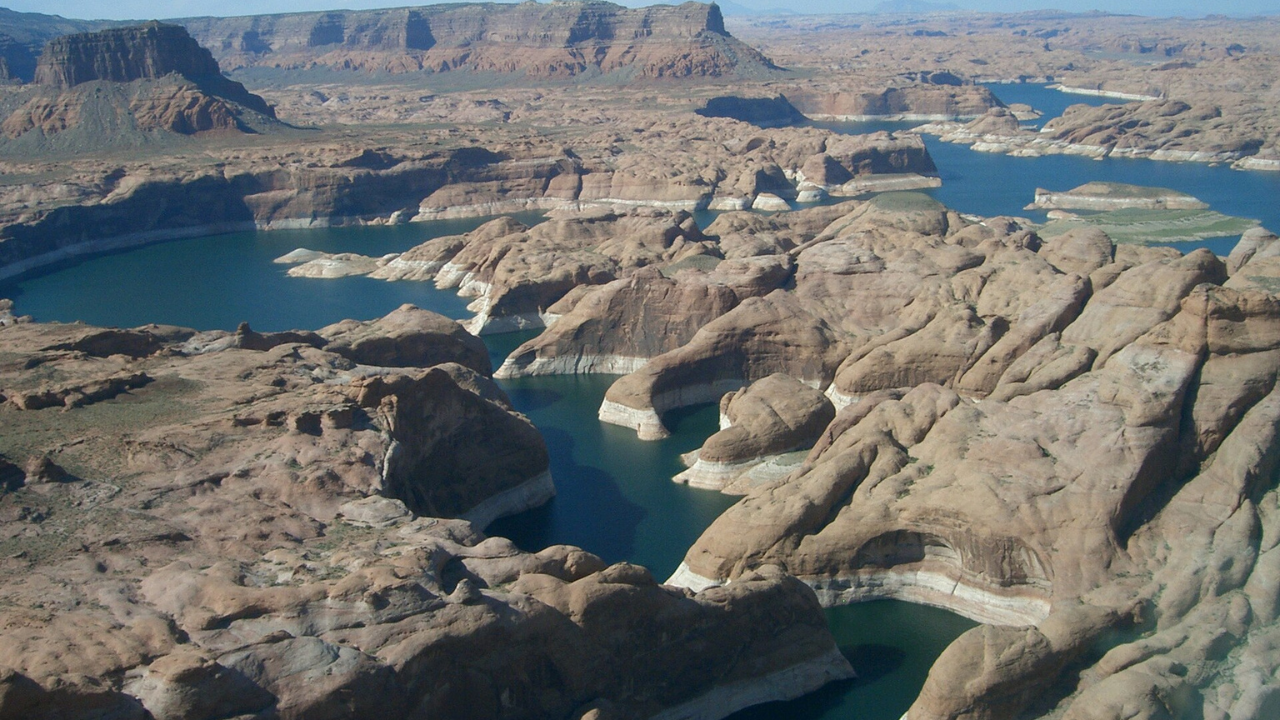
The proposal, known as “Fill Mead First,” has become one of the most debated ideas in Western water management. Supporters argue that maintaining two partially filled reservoirs wastes precious water through evaporation and seepage while increasing the risk that both could eventually reach critically low levels. According to advocates interviewed by Newsweek , concentrating storage in Lake Mead could improve long-term water security, reduce losses, and allow the Colorado River to flow more naturally through Glen Canyon. They also point to ecological recovery already visible in sections of Glen Canyon that have re-emerged as Lake Powell’s water levels have declined. Supporters acknowledge the proposal would require major engineering changes, including bypassing Glen Canyon Dam, but argue that continuing with the existing system may become increasingly unsustainable as the basin grows drier.
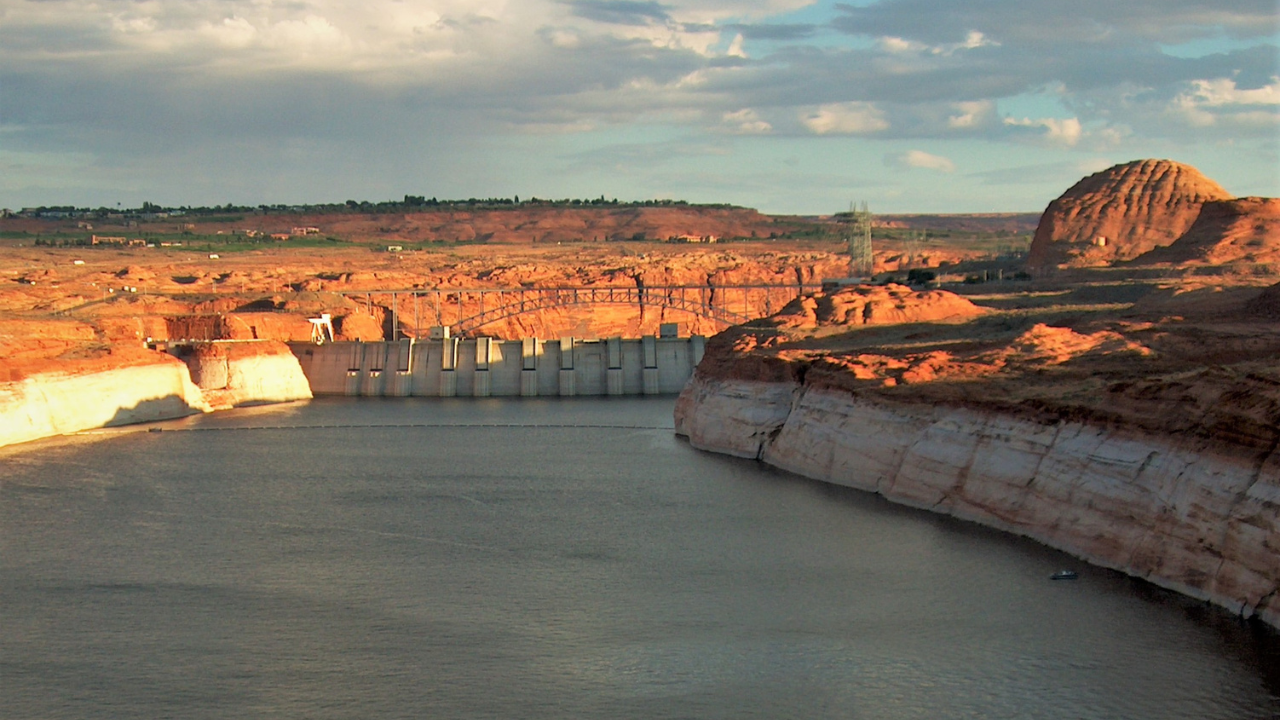
Not everyone agrees that sacrificing Lake Powell would solve the problem
The proposal has also drawn significant criticism from water managers responsible for supplying millions of people throughout the Southwest. Arizona Department of Water Resources Director Tom Buschatzke has argued that eliminating Lake Powell would remove an important buffer that stores water during wet years and releases it during prolonged droughts. Without that storage, he says, the overall yield of the Colorado River system could decline because surplus water from unusually wet seasons would no longer be available to offset future shortages.
Infrastructure presents another challenge. Glen Canyon Dam and its outlet works were designed around Lake Powell’s existence, and modifying the system to transfer water directly downstream would require substantial engineering changes while preserving hydropower generation and interstate water deliveries.
A river under growing pressure
Regardless of whether Lake Powell remains a major reservoir or eventually plays a smaller role, scientists agree that the Colorado River’s long-term challenges extend far beyond one reservoir. The river supplies water to about 40 million people, irrigates millions of acres of farmland, supports tribal communities, and generates hydroelectric power across seven U.S. states and Mexico. Yet decades of overallocation, combined with rising temperatures, declining snowpack, and increasing evaporation, have steadily reduced the amount of water flowing through the basin.
The U.S. Bureau of Reclamation is currently developing new operating rules for Lake Powell and Lake Mead beyond 2026, acknowledging that prolonged drought and climate change require more resilient management strategies. Whether those future plans ultimately include major changes to Lake Powell or retain the current two-reservoir system, water experts agree that reducing overall demand will remain essential for the river’s long-term future. The debate over Lake Powell is less about one lake than about how the American West adapts to a river that now carries significantly less water than it did when today’s infrastructure was built.