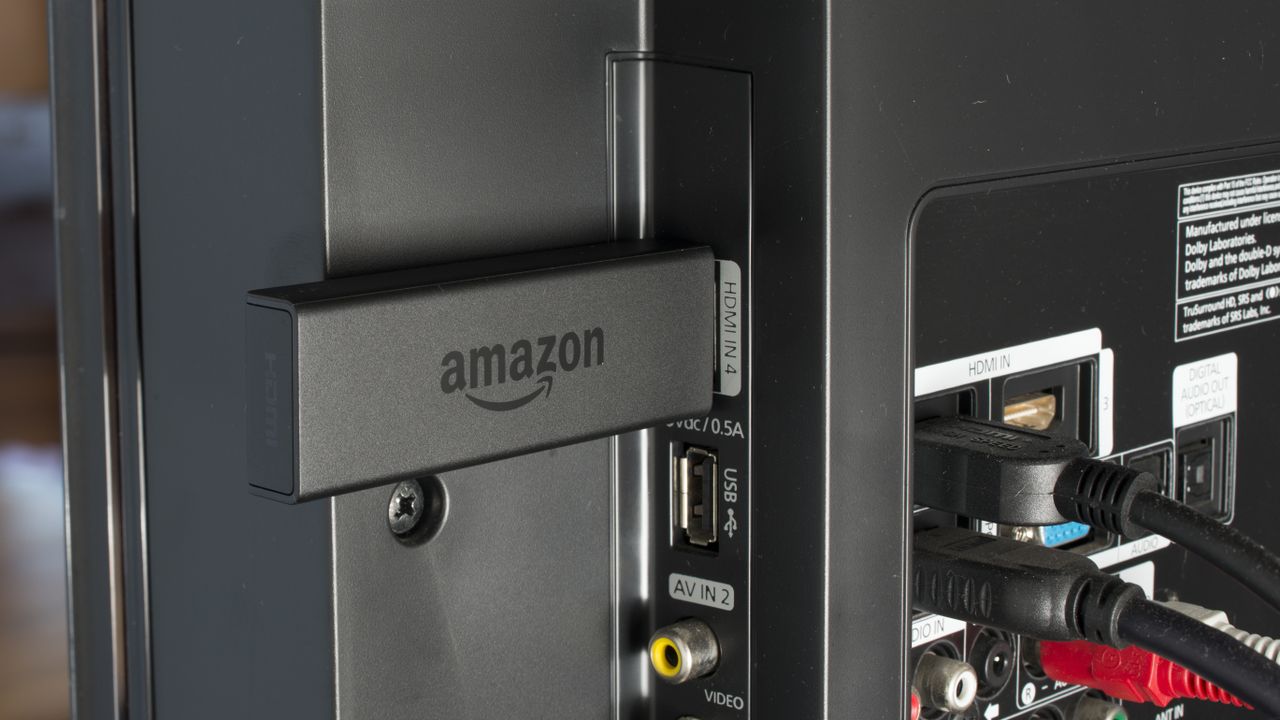
Amazon is being sued for allegedly "bricking" older Fire TV Sticks in order to force customers to upgrade.
It is claimed that first and second generation models have become inoperable as system software updates dried up.
A class action lawsuit has been filed against Amazon in the US which claims the company "purposefully" made older Fire TV Sticks fail to force customers into an upgrade.
The plaintiff claims the remote for his second-generation Fire TV Stick eventually became "inoperable" after Amazon ended updates for the 2016 device. Other customers have also complained that their first and second-generation streamers have also stopped working or slowed down considerably.
According to the New York Post, the suit goes on to say that Amazon wouldn't provide a refund or software updates for the failing devices. It also accuses the company of "deceptive" marketing, as it didn't inform customers of a cut-off date for software upgrades.
This is something that has been adopted more widely in recent years, especially by mobile phone manufacturers. The likes of Samsung, Google and Nothing often guarantee a period of software updates for their devices at launch. It wasn't common when the original Fire TV Sticks were launched, however.
It also begs the question of how long purchased technology is supposed to be supported. Sonos stoked the ire of its long-term customers a few years ago, when it announced it would no longer support older devices in its upgraded app. And Samsung prompted a flurry of complaints when Netflix became incompatible with its older smart TVs.
Simply put though, consumer technology is hardly ever built to last forever. A device released a decade ago is likely to have a far slower, less capable processor than a modern equivalent – RAM and storage, too.
So is it fair to expect a streaming device released in 2014 or 2016 to still perform as well today – especially one that cost around $40? That, it seems, is for the courts to decide.