
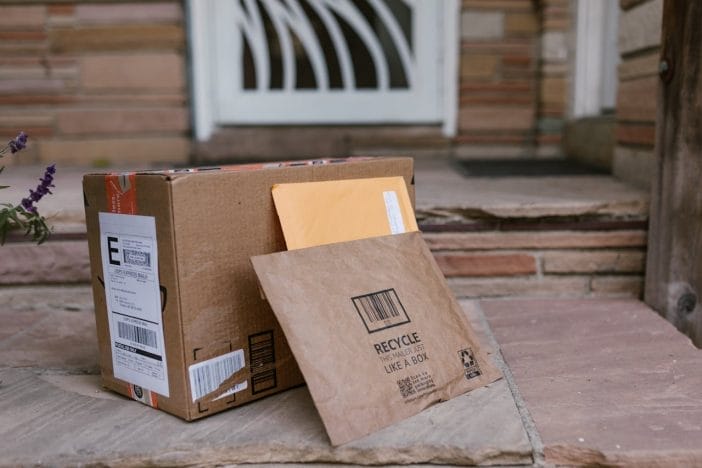
Security experts are sounding the alarm after a new wave of “unordered” packages started landing on doorsteps across the globe, catching people off guard and sparking serious concern. These mysterious deliveries show up with your name, your address, and absolutely no explanation, which makes them feel unsettling right from the start. At first glance, it looks like a harmless mistake or maybe even a freebie, but that assumption opens the door to something far more calculated.
This trend ties into a growing scam that targets everyday online shoppers and uses curiosity as its main weapon. The warning circulating now urges people to stop and think before opening or interacting with anything they did not order themselves. This situation does not revolve around luck or surprise gifts, and it definitely does not reward curiosity. It plays on trust, routine, and the sheer volume of packages people receive every week.
The Package You Didn’t Order Isn’t Random at All
This type of scam, often called a “brushing scam,” operates with precision rather than chance, and every detail serves a purpose. Scammers collect names and addresses from leaked data, public records, or shady online marketplaces, and then use that information to ship low-cost items directly to unsuspecting households. The goal does not center on the item itself, which often turns out to be something small and useless, like a cheap gadget or random accessory. Instead, the shipment creates a verified delivery record that scammers can use to post fake “verified purchase” reviews online. That tactic boosts product ratings artificially and makes questionable listings appear more trustworthy to future buyers.
The situation gets more concerning because the presence of your name on that package signals that someone has access to at least some of your personal information. While that alone does not mean full identity theft has occurred, it does raise a serious red flag that data exposure has already happened somewhere along the line. Many people brush it off and move on, but that reaction gives scammers exactly what they want: no resistance and no investigation. Ignoring the package might feel easier, but it does not address the underlying issue of how your information ended up in the wrong hands. That lack of awareness allows the same tactics to continue spreading without interruption. Understanding the intent behind the delivery turns confusion into clarity and puts control back where it belongs.
Why Opening It Could Lead to Bigger Problems
Opening an unexpected package might feel harmless, especially when curiosity kicks in, but that simple act can lead to unintended consequences. Some of these packages include QR codes, promotional inserts, or instructions that push recipients toward specific websites or apps. Those links often lead to phishing pages designed to collect sensitive data like login credentials, payment information, or personal details. Once someone interacts with those prompts, scammers gain another layer of access that goes far beyond a simple name and address.
Even when the package does not contain anything obviously suspicious, the bigger risk lies in what happens next. People often search online to figure out what they received, and that search can lead them straight into scam-heavy forums or fake customer service pages. In those moments, frustration and confusion replace caution, which makes it easier for scammers to manipulate the situation further. Some individuals even try to “return” the item and end up entering personal details into fraudulent systems. That chain reaction starts with a simple delivery but can escalate into compromised accounts or financial loss. Staying cautious from the very first moment matters more than trying to fix things later. That mindset shift creates a powerful barrier against a scam that thrives on quick reactions.
The Warning Signs Most People Miss
Many warning signs appear subtle at first, which makes them easy to overlook, especially during a busy day filled with normal deliveries. A package that arrives without a clear order confirmation should immediately raise suspicion, even if it looks professionally packaged. Shipping labels that include slight misspellings, unfamiliar sender names, or vague return addresses often point to something off. Those details might seem minor, but they often serve as the first clue that something does not line up.
Another overlooked sign involves timing and context, especially when a package shows up shortly after someone interacts with a suspicious email or unfamiliar website. That connection often goes unnoticed, but it can reveal how scammers test and verify active addresses. People who receive multiple unordered packages over time should treat that pattern as a serious warning rather than a coincidence. Each delivery reinforces the idea that their information circulates in scam networks. Taking note of these patterns helps build awareness and encourages smarter decisions moving forward. Recognizing the warning signs early turns a confusing situation into a manageable one, and that awareness makes all the difference.

Smart Moves That Keep You One Step Ahead
Taking control of the situation does not require complicated tools or technical expertise, but it does require awareness and quick action. The first step involves resisting the urge to engage with anything inside the package, especially links, QR codes, or instructions. Reporting the incident directly through official channels, such as customer support pages for major retailers, helps track the spread of these scams and limits their reach. That simple step contributes to a larger effort to shut down fraudulent activity at its source.
Checking account activity and updating passwords also plays a key role in staying protected, especially if any suspicion exists about data exposure. Strong, unique passwords combined with two-factor authentication create a powerful defense against unauthorized access. People who want to go a step further can monitor their credit reports for unusual activity, which provides an added layer of security. Staying proactive beats reacting after something goes wrong, and that mindset shift strengthens overall digital safety. These actions do not take long, but they create a solid shield against a scam that depends on hesitation and confusion. Taking a few minutes to respond smartly can prevent weeks or even months of stress down the line.
Why This Scam Keeps Spreading So Fast
The rapid growth of this scam ties directly to the explosion of online shopping and the normalization of frequent deliveries. People receive so many packages now that one extra box barely raises an eyebrow, which creates the perfect environment for scams to slip through unnoticed. That constant flow of deliveries lowers suspicion and increases the chances that someone will open the package without thinking twice. Scammers understand that behavior and design their tactics to blend seamlessly into everyday routines.
The global nature of e-commerce also makes it easier for these schemes to scale quickly, reaching households in different countries with minimal effort. Cheap shipping costs and access to bulk data allow scammers to operate efficiently while staying under the radar. Many victims never report the incident, which keeps official numbers lower than the actual scope of the problem. That lack of reporting allows the cycle to continue without interruption, giving scammers more opportunities to refine their methods. Awareness changes that dynamic and puts pressure on these operations from multiple angles. The more people recognize the pattern, the harder it becomes for scammers to succeed.
Stay Sharp, Stay Curious—but Stay Safe
The next time an unexpected package lands on the doorstep, pause for a moment and think before taking action. That pause creates a powerful line of defense against a scam that relies on impulse and curiosity. Treat every unordered delivery as a potential red flag rather than a harmless surprise, and approach it with a sense of caution that matches today’s digital landscape. Staying informed transforms a confusing experience into a manageable one, and that awareness spreads quickly when shared with others.
Please share this with any family members who shop online—especially seniors.
You May Also Like…
The Fake Amazon Order Email Millions Are Getting — and One Click Gives Hackers Your Password
12 Amazon Fixes That Help Seniors Stay Independent (No Handyman Needed)
7 Things You Should Know Before Trying to DIY Amazon Furniture
IRS Scam Alert: Ask This One Question Before You Pay—Most Callers Can’t Answer It
Drivers Beware: 8 Roadside Scams That Can Cost You Thousands
The post Amazon Just Issued a Global Warning About This “Unordered” Package in Your Name appeared first on Clever Dude Personal Finance & Money.