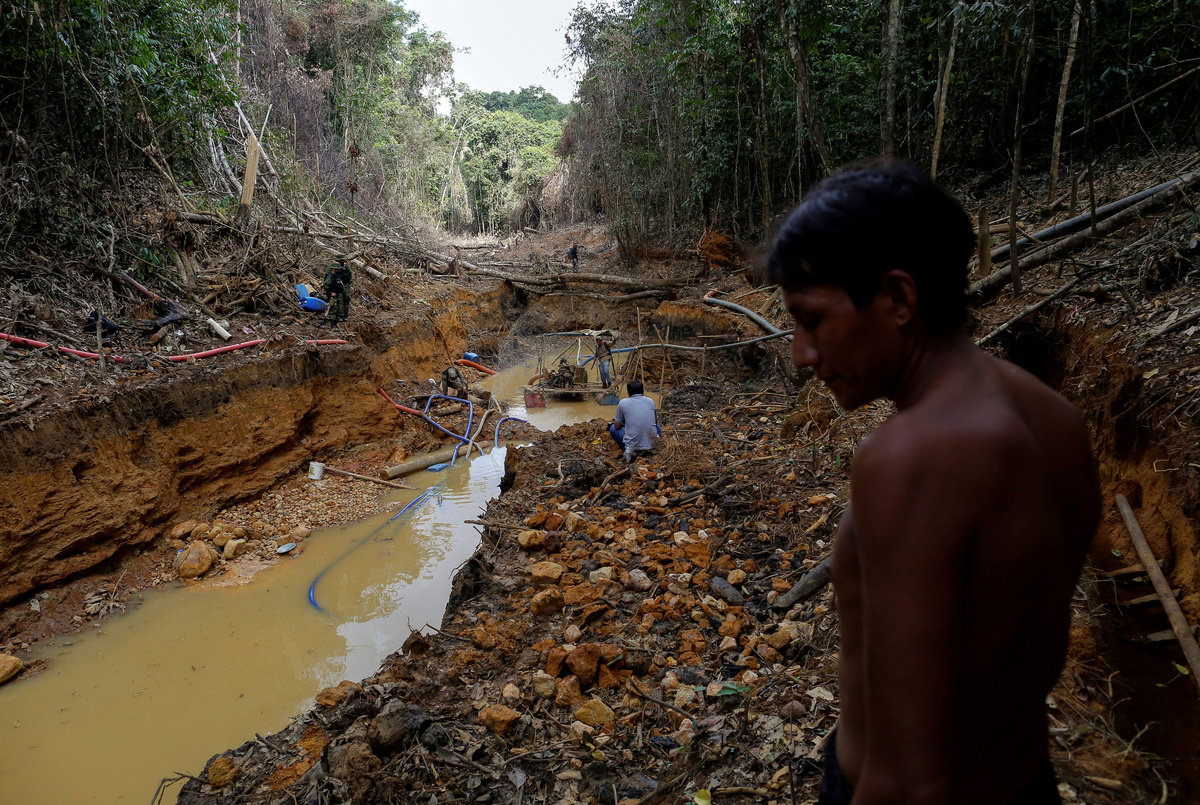
Illegal gold mining activity has risen sharply over the last five years in Brazil's indigenous Yanomami reservation in the heart of the Amazon rainforest, a Reuters review of exclusive data from satellite images shows.
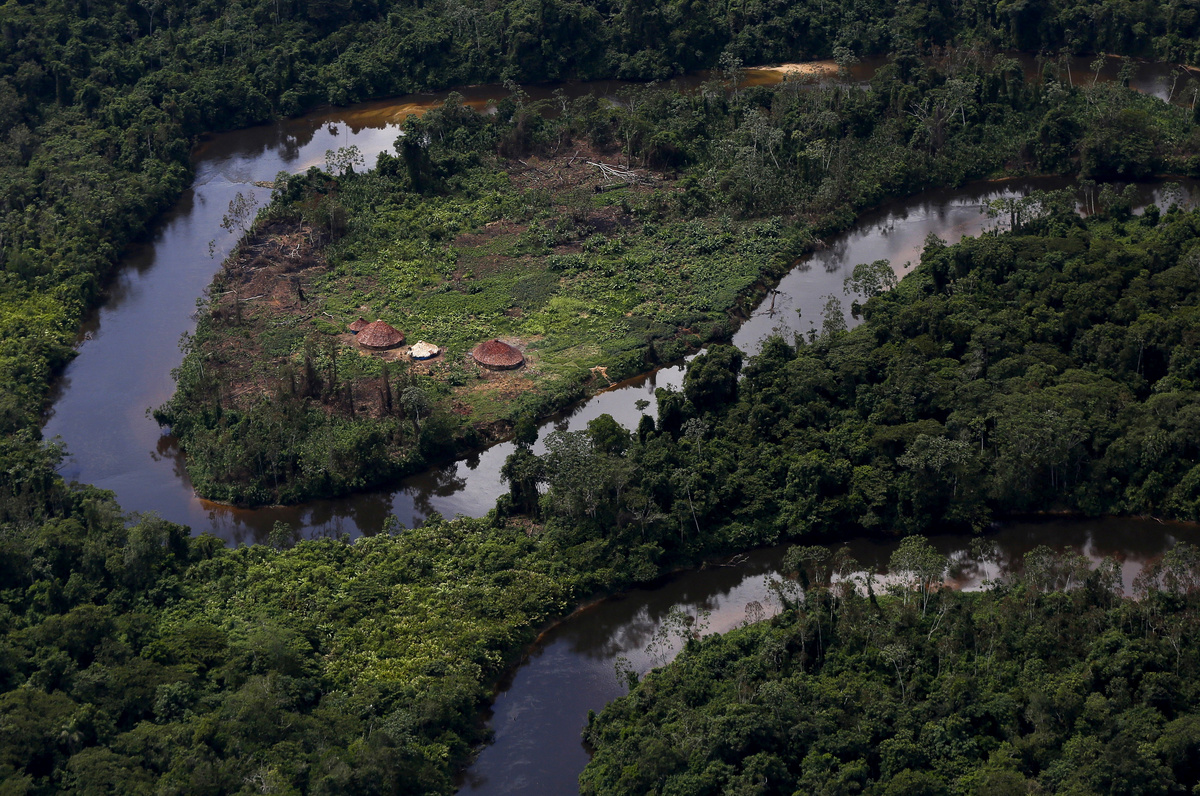
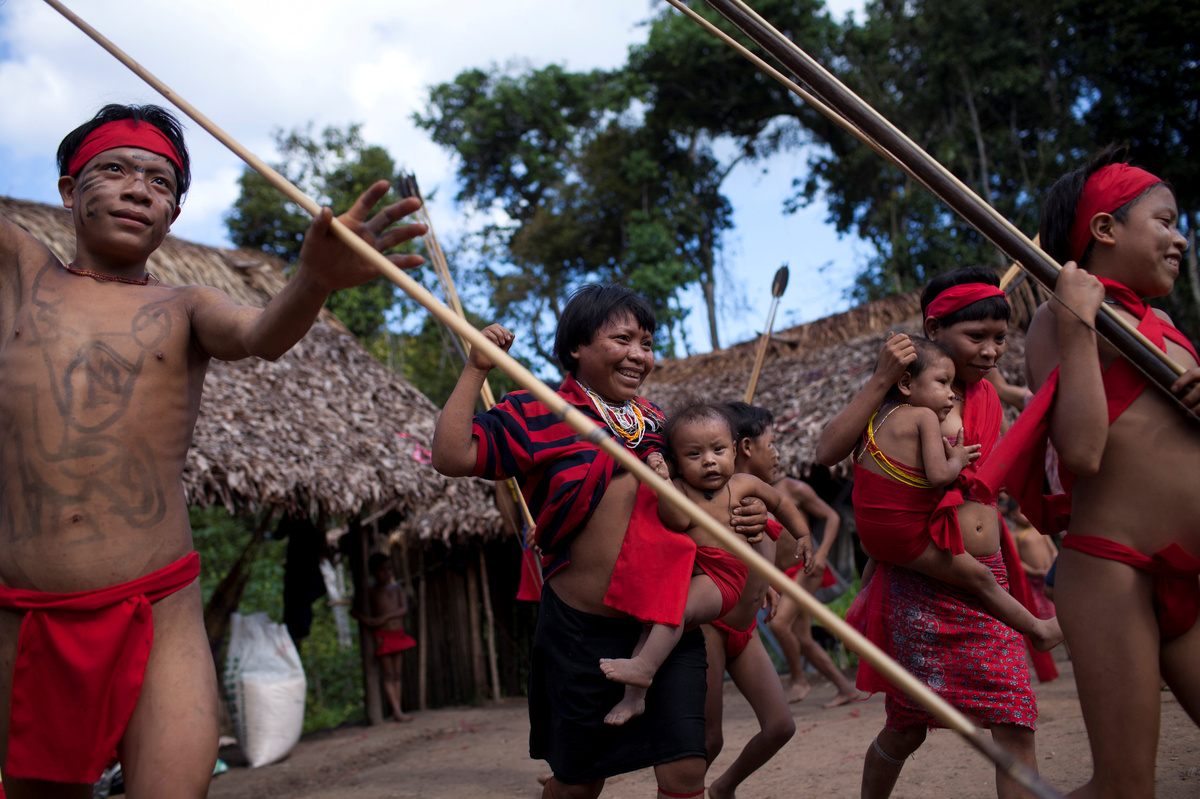
The Yanomami are the largest of South America's tribes that remain relatively isolated from the outside world. More than 26,700 people live within a protected reservation the size of Portugal, near the Venezuelan border.
However, the land beneath the pristine forest they have inhabited for centuries contains valuable minerals - including gold.
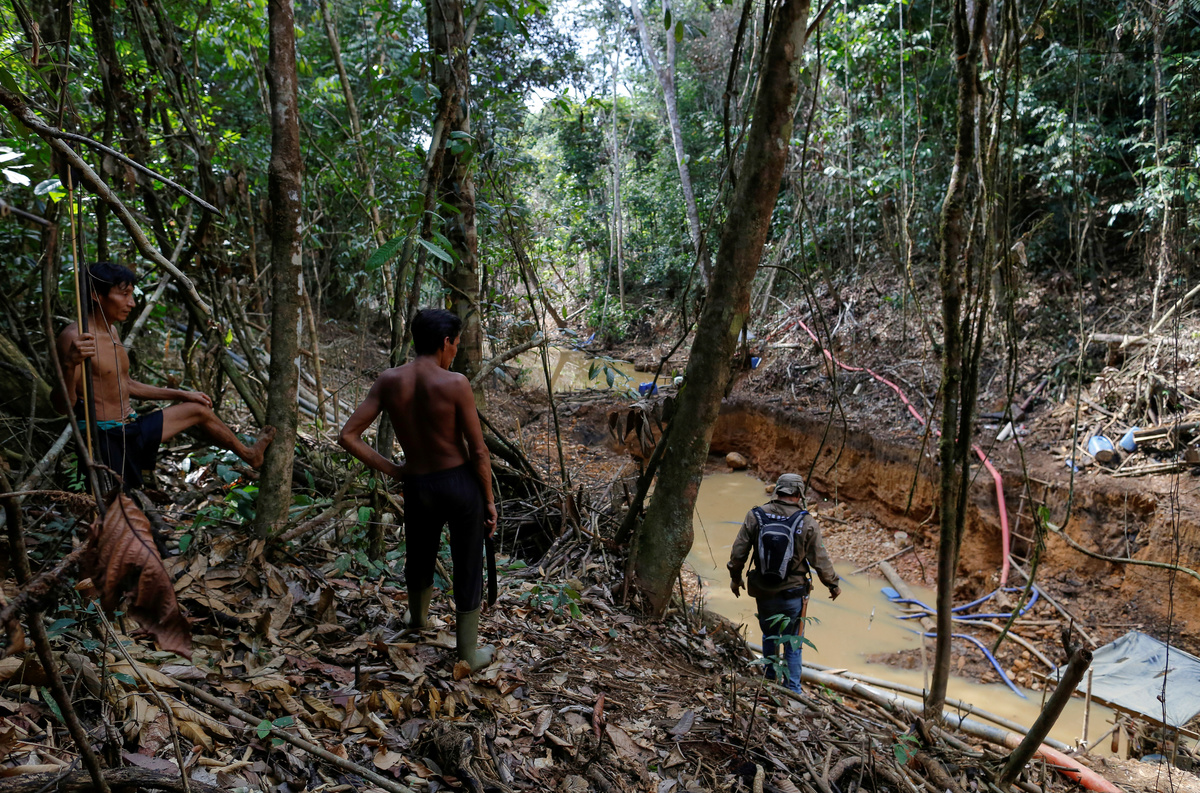
The lust for gold has attracted wildcat prospectors in recent decades, who have destroyed forests, poisoned rivers and brought fatal diseases to the tribe.
Today, the Yanomami and local officials estimate there are more than 20,000 illegal miners on their land. They say the numbers have increased since the 2018 election of far-right President Jair Bolsonaro, who has vowed to develop the Amazon economically and tap its mineral riches.
Bolsonaro's office did not respond to a request for comment.
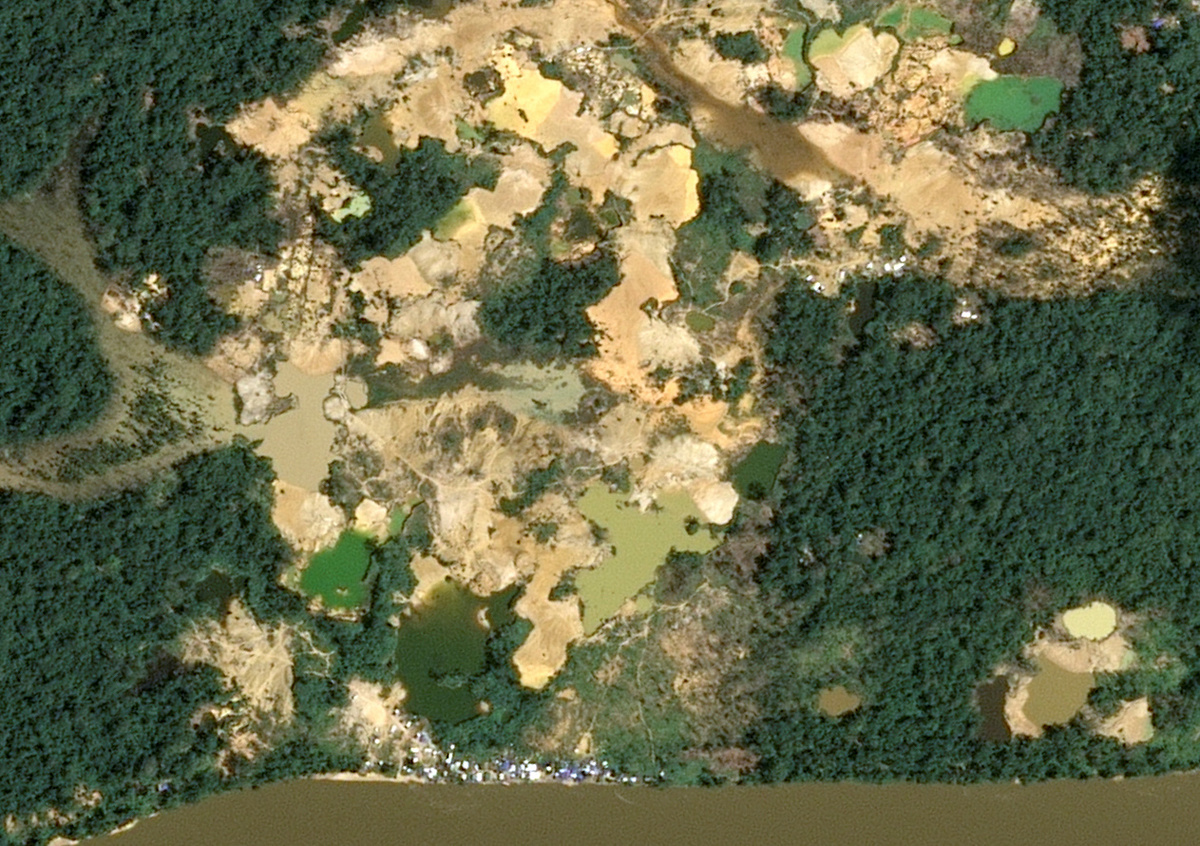
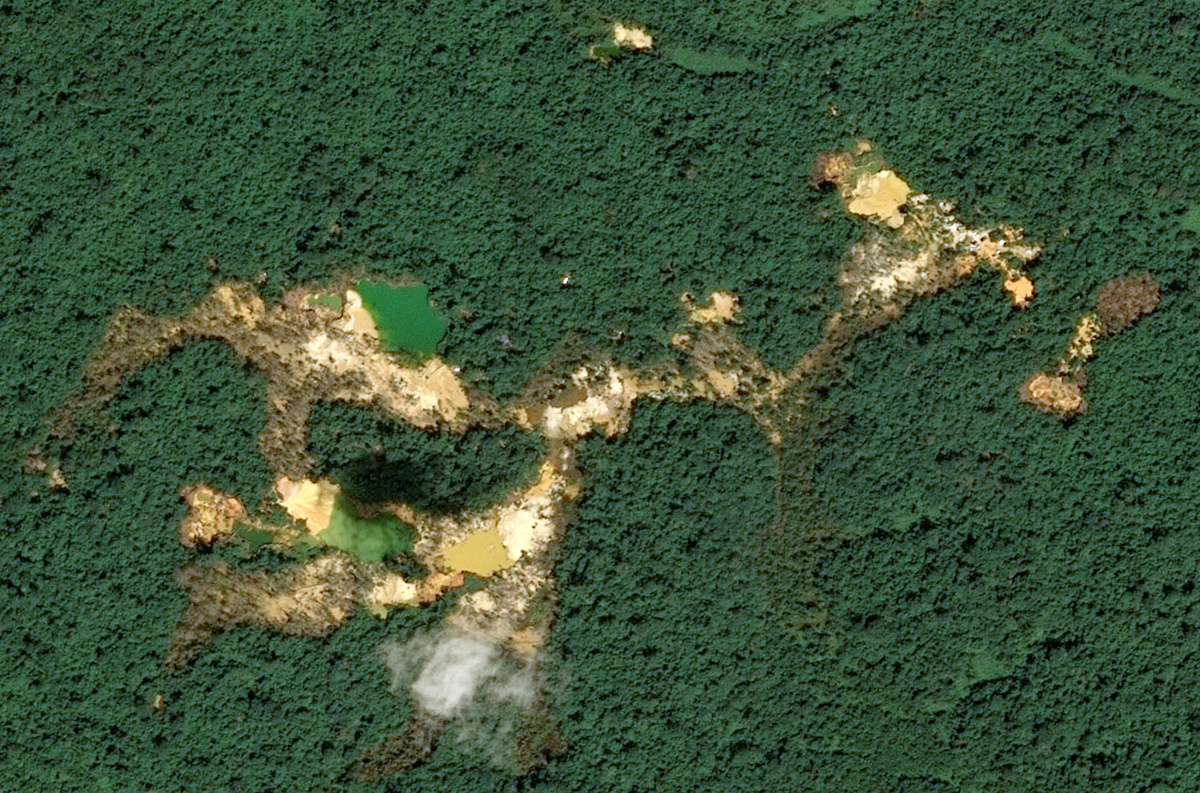
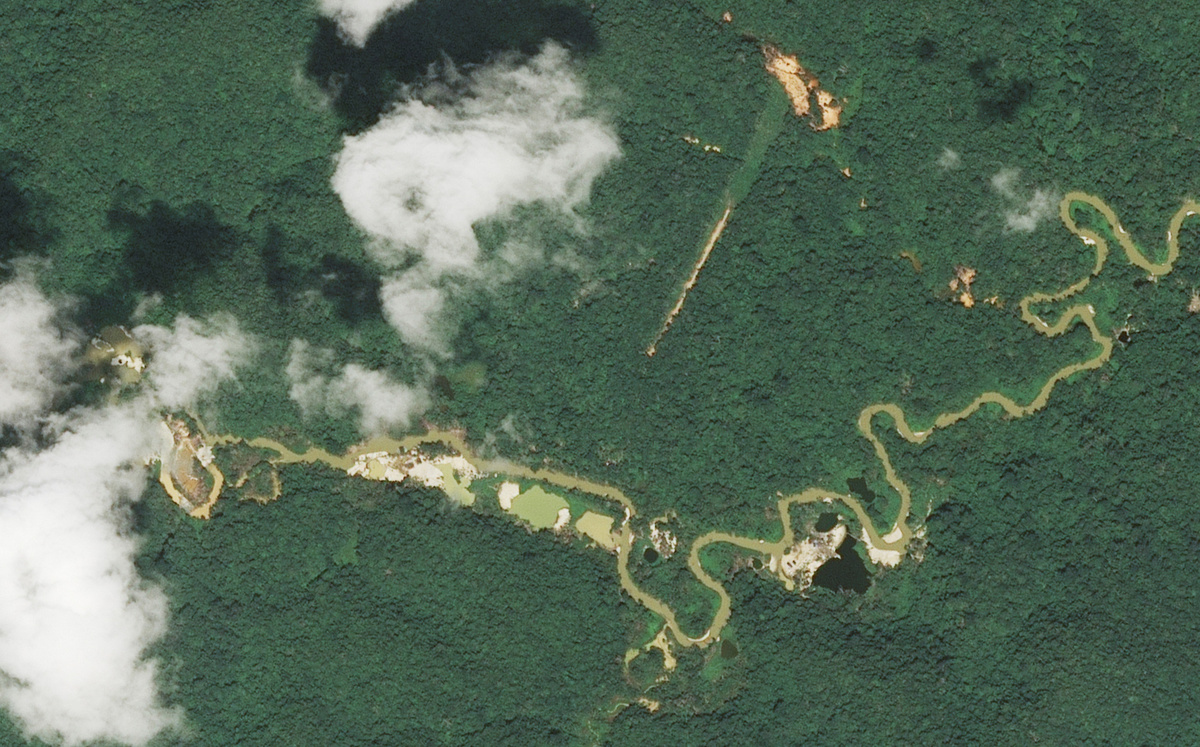
A Reuters review of satellite imagery of the Yanomami reservation shows a 20-fold increase in illegal mining activity in the last five years, mainly along two rivers, the Uraricoera and the Mucajai. Together, the mining areas cover an area of some 8 square kilometers - the equivalent of more than 1,000 soccer fields.
Reuters worked with Earthrise Media, a non-profit group that analyzes satellite imagery, to plot the expansion.
Although the mining is small in scale, it is devastating to the environment. Trees and local habitats are destroyed and the mercury used to separate gold from grit leaks into the rivers, poisoning the water and entering the local food chain via fish.
A study published in the International Journal of Environmental Research and Public Health in 2018 found that in some Yanomami villages, 92 percent of residents suffered from mercury poisoning, which can harm the organs and cause developmental problems in children.
The miners also bring disease.
In the 1970s, when Brazil's military government bulldozed a highway through the rainforest north of the Amazon river, two Yanomami communities were wiped out by epidemics of flu and measles.
A gold rush a decade later brought malaria and armed skirmishes.
Today, the coronavirus pandemic threatens the Yanomami. There had been over 160 confirmed COVID-19 cases and five deaths among the tribe as of this week, according to a network of researchers, anthropologists and doctors.
"The main form of transmission of this deadly virus into our communities are the illegal miners," said Dario Yawarioma, vice president of the Hutukara Yanomami Association.
"There are so many of them. They arrive in helicopters, planes, boats and we have no way of knowing if they are ill with the coronavirus," he said by telephone.
The virus is particularly dangerous for indigenous people such as the Yanomami, who live in large communal dwellings, with as many as 300 people under one roof. Sharing everything from food to utensils and hammocks, their collective lifestyle makes social distancing virtually impossible.
Yawarioma said the government's indigenous affairs agency Funai has not visited the reservation since the coronavirus spread there. Funai did not respond to a request for comment.
Brazil's army has tried to stop miners entering, Yawarioma said, but the miners return as soon as the soldiers leave.
GOLD TO INDIA
Gold has become a significant export from Brazil's northernmost state of Roraima, according to government data. Yet there are no legally registered mining operations in Roraima.
Almost all the gold mining in the state is on indigenous land, such as the Yanomami's, and therefore being extracted illegally, a source at the government's mining agency said.
Much of it goes to India. Official statistics show that 486 kilos were exported to India from Roraima in 2019, up from 38 kilos in 2018.
Illegal gold prospectors, known as 'garimpeiros' locally, have been emboldened by the election of Bolsonaro, who has said he wants to legalize wildcat mining. He has also said the Yanomami reserve, which at 9.6 million hectares (24 million acres) is twice the size of Switzerland, is too big for its indigenous population.
"President Bolsonaro is supporting mining projects in indigenous lands and since he said the 'garimpeiros' should be legalized their numbers have grown a lot and continue to grow," Yawarioma said.
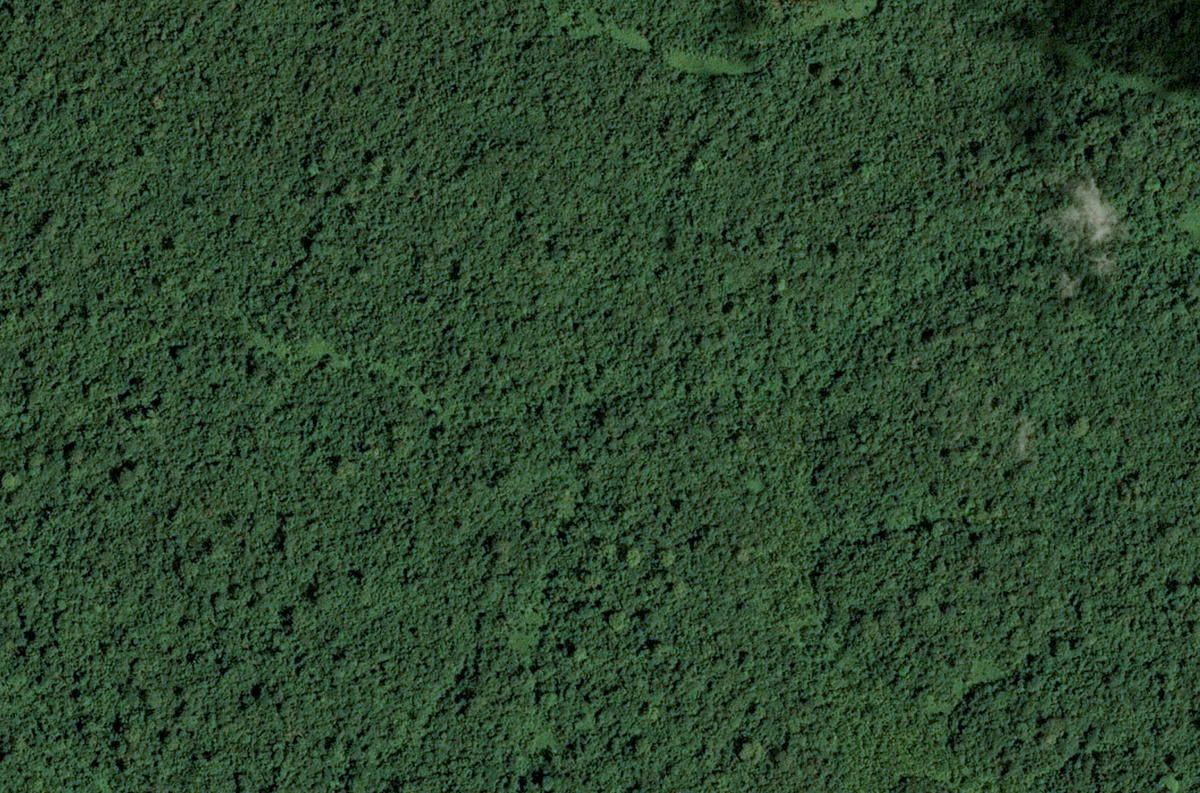
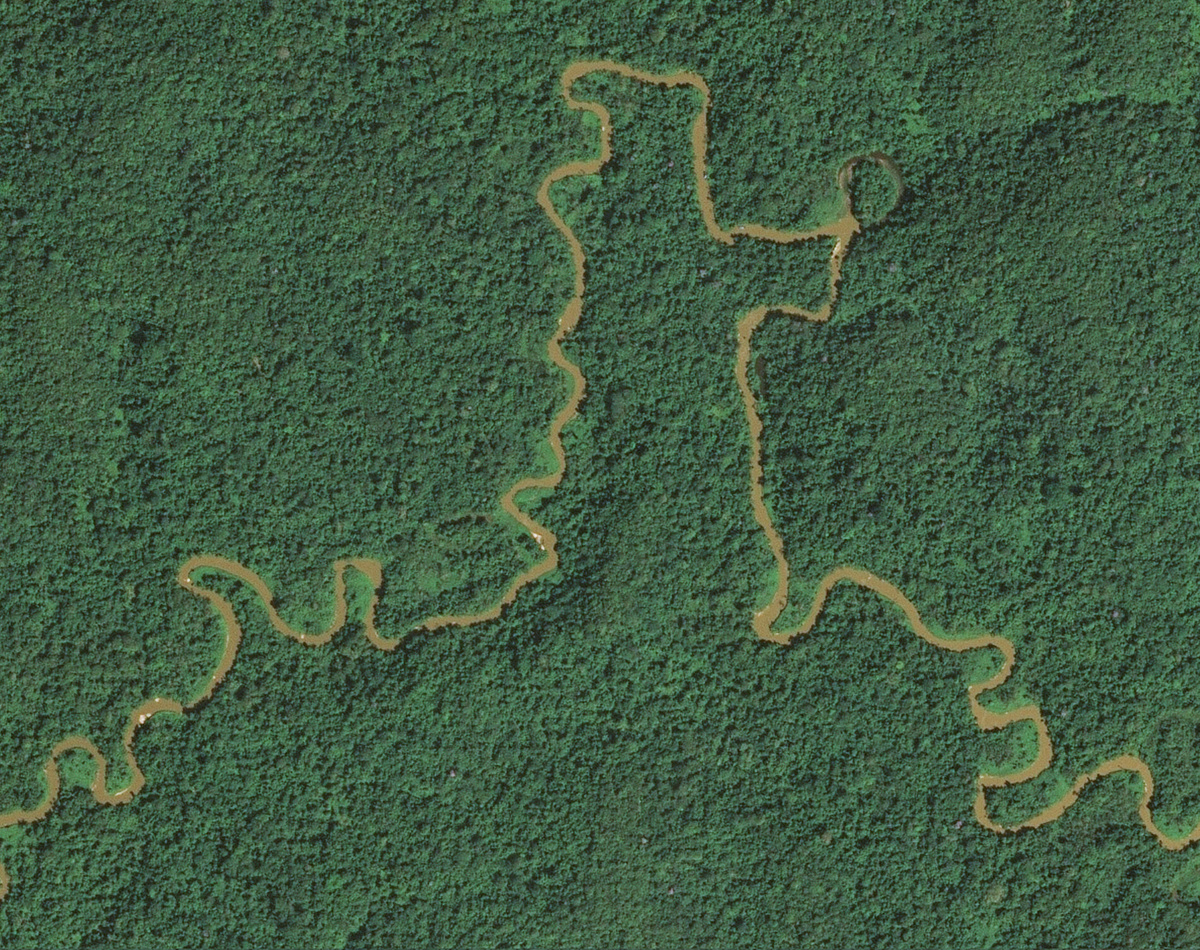
The satellite images taken between 2017-2019 show the number of areas identified as mines - which show up as bright gold and turquoise patches - had grown to 207 locations from at least 10 in the 2015-2016 period. The surface area mined or being mined grew 32-fold.
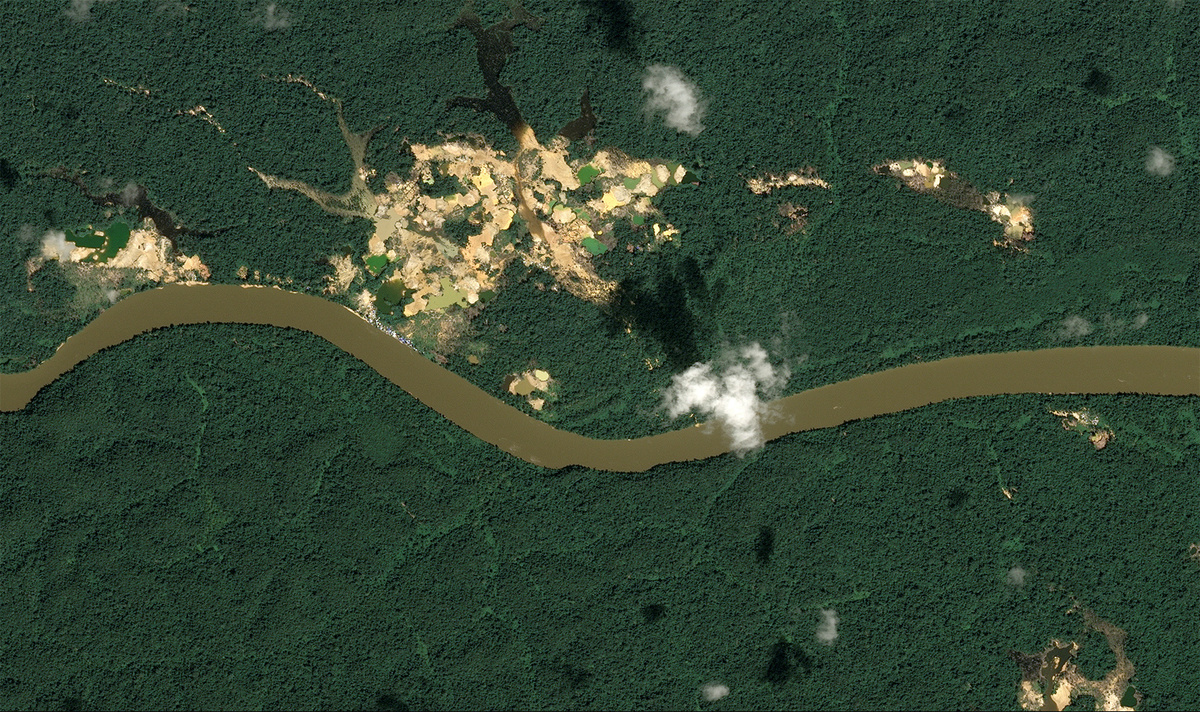
Water is a key element in the mining process, as miners need it to loosen gold-containing sediment, so the prospects are concentrated along the reservation's rivers that flow down to the Amazon River.
'MINERS OUT, COVID OUT'
Under Brazilian law, no mining is allowed on indigenous lands. Yet Greenpeace said this week its own satellite data analysis found that 72% of all wildcat mining in the Amazon was done in protected indigenous lands or conservation areas.
The Yanomami, whose reservation was officially approved in 1992 after a 20-year-battle for land rights, have implored the government to expel the miners since the coronavirus arrived. The tribe has begun a 'Miners Out COVID Out' petition to draw attention to its plight.
Help might be on the way. A federal court on June 17 ordered Funai to reopen three protection outposts on the Yanomami reservation to help fight the coronavirus outbreak and halt the illegal gold mining.
One of the posts is particularly vital because it is meant to monitor an uncontacted group of Yanomami.
The reservation needs to be much more effectively monitored and invaders evicted if the Yanomami are to survive, indigenous rights organization Survival International said.
"The Yanomami are extremely vulnerable at the moment, but they are also a resilient people," said Fiona Watson, advocacy director at Survival International, who has worked with the tribe for three decades.
"They can never sit back and relax. There is always someone wanting to get into their land."
(Graphic: https://graphics.reuters.com/BRAZIL-INDIGENOUS/MINING/rlgvdllonvo/index.html)
(Reporting by Anthony Boadle in Brasilia and Simon Scarr in Singapore; Editing by Rosalba O'Brien)