Amazon animal rescue brings hope from blazes great and small
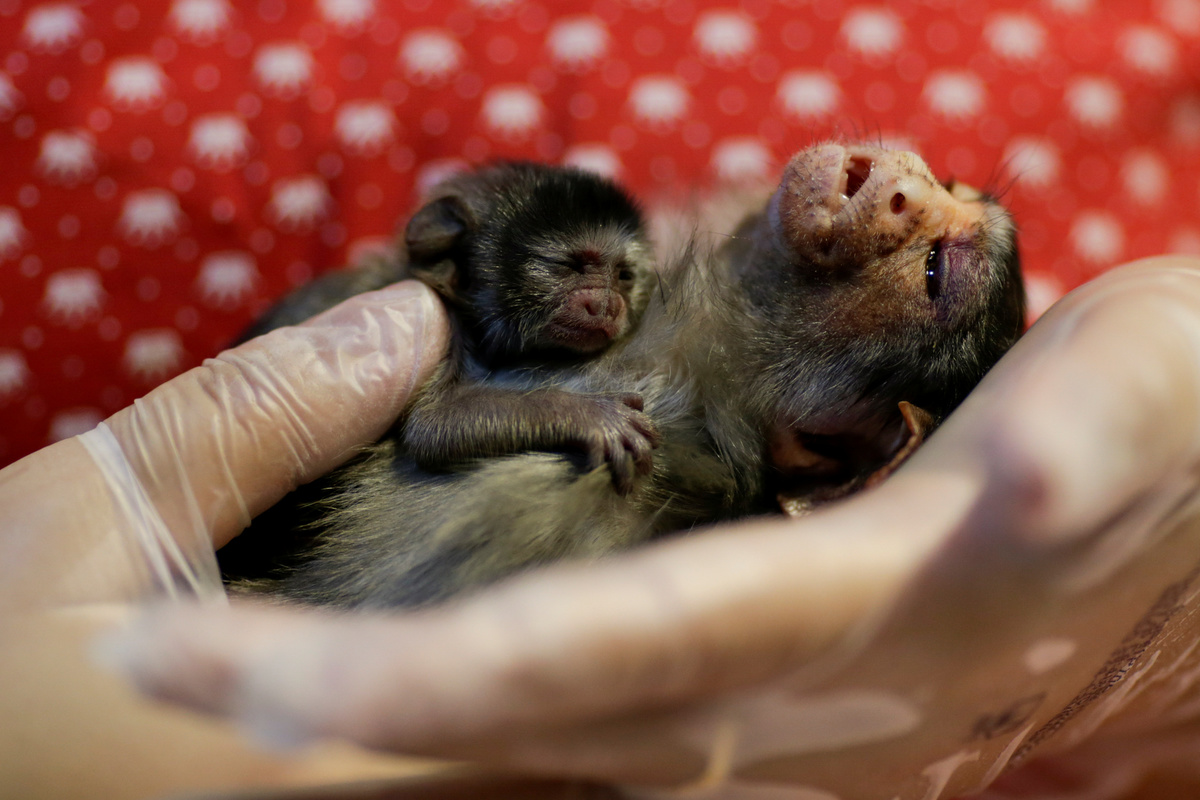
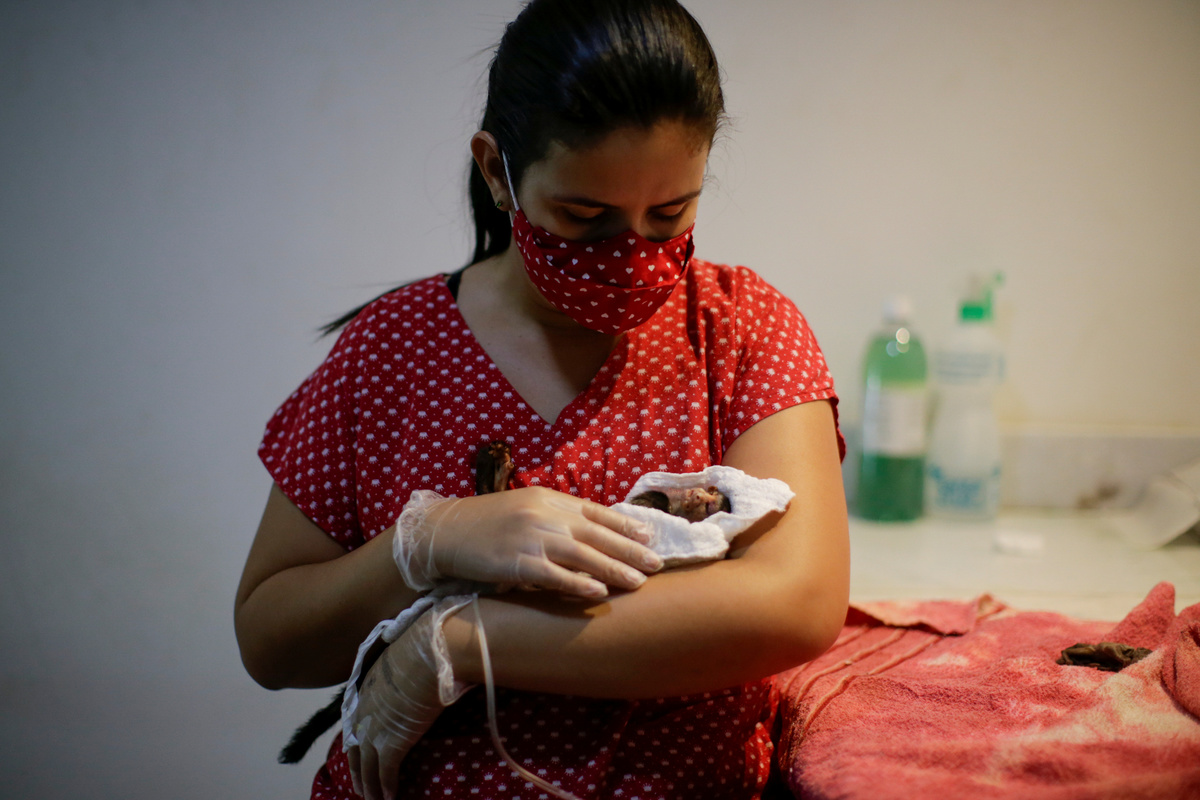
Veterinarian Carine Hanna takes care of Xita, a Rondon's marmoset, who was rescued by the state environmental police after giving birth, at the Clinidog veterinary clinic, in Porto Velho, Rondonia State, Brazil, August 24, 2020. REUTERS/Ueslei Marcelino
Xita, a tiny monkey with sad brown eyes, clutches her newborn tight. Both are fighting for their lives.
Vets at the Clinidog clinic in the Amazon city of Porto Velho believe the mother and baby were run over by a car as they fled fires raging across the world's largest rainforest.
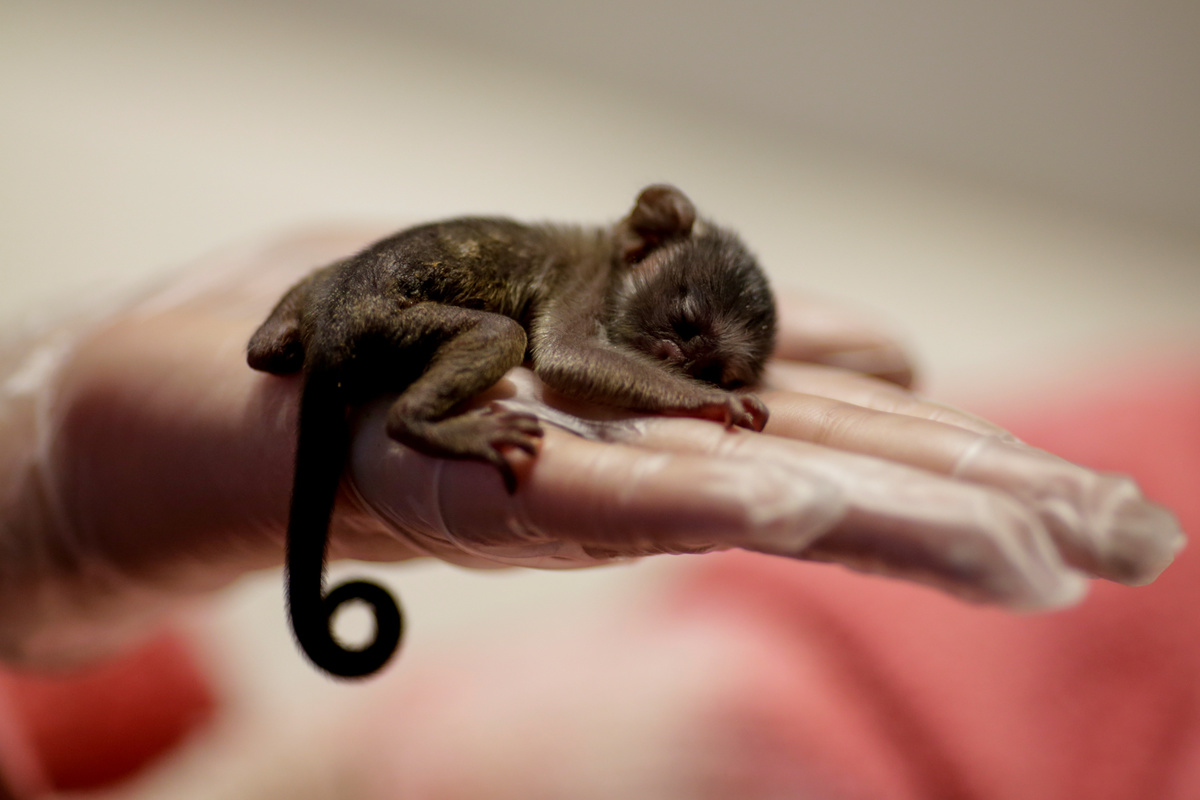
Veterinarian Carine Hanna holds a baby monkey whose mother was rescued by the state environmental police after giving birth, at the Clinidog veterinary clinic, in Porto Velho, Rondonia State, Brazil, August 24, 2020. REUTERS/Ueslei Marcelino
"She arrived stressed, screaming and smeared with blood," said Carlos Henrique Tiburcio, the owner of the clinic, as he wrapped the pair in a small, white cloth.
Creatures of the Amazon, one of the earth's most biodiverse habitats, face an ever-growing threat as loggers and farms advance further and further into the rainforest.
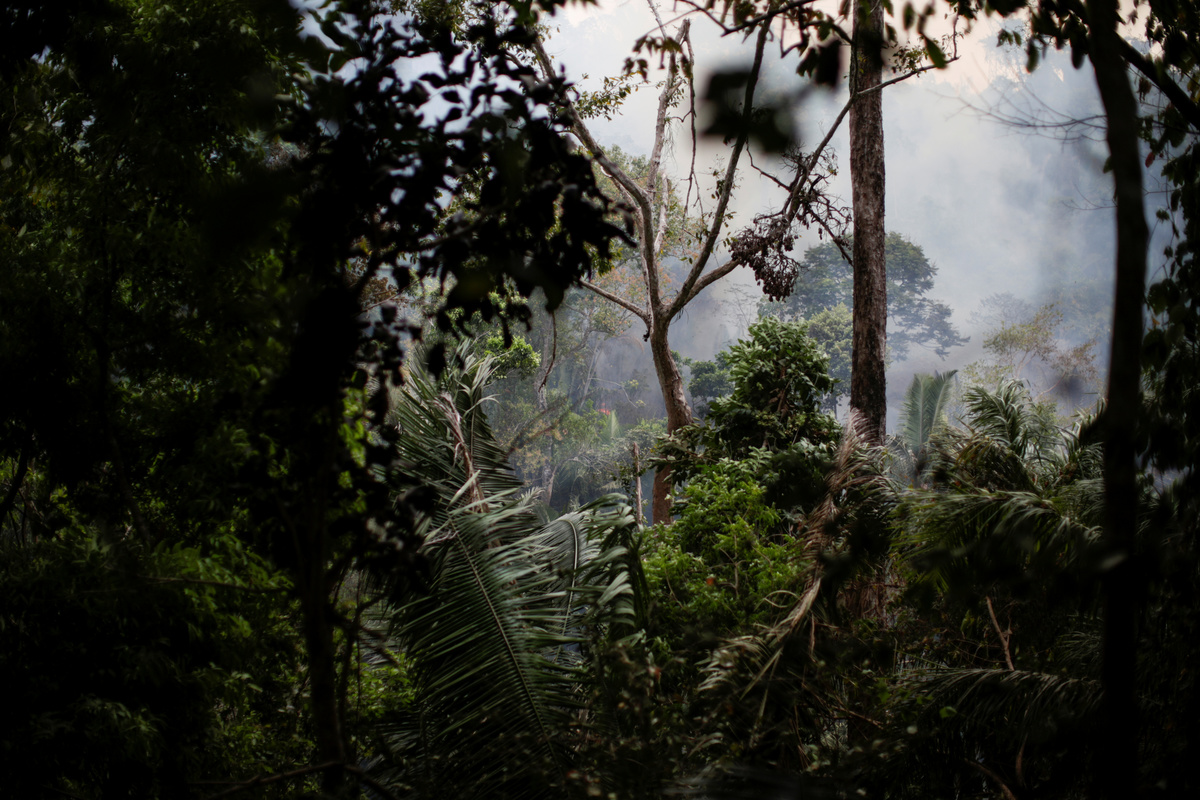
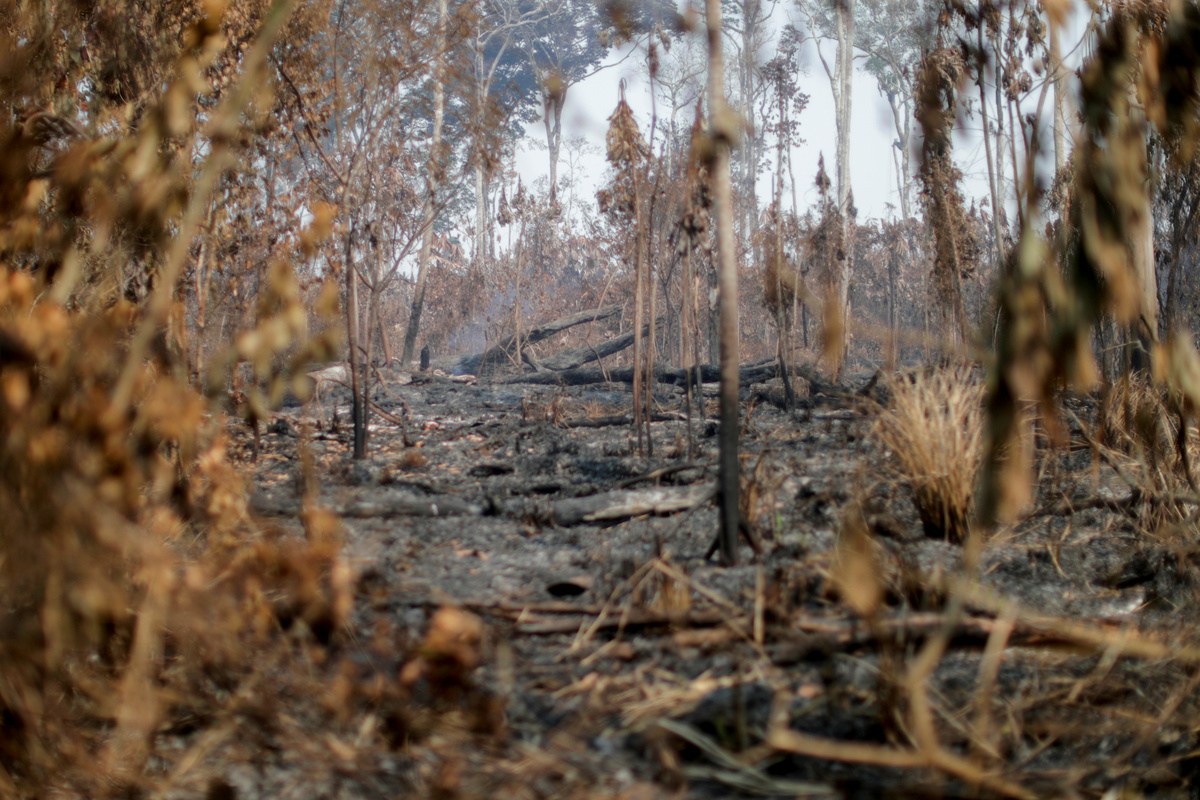
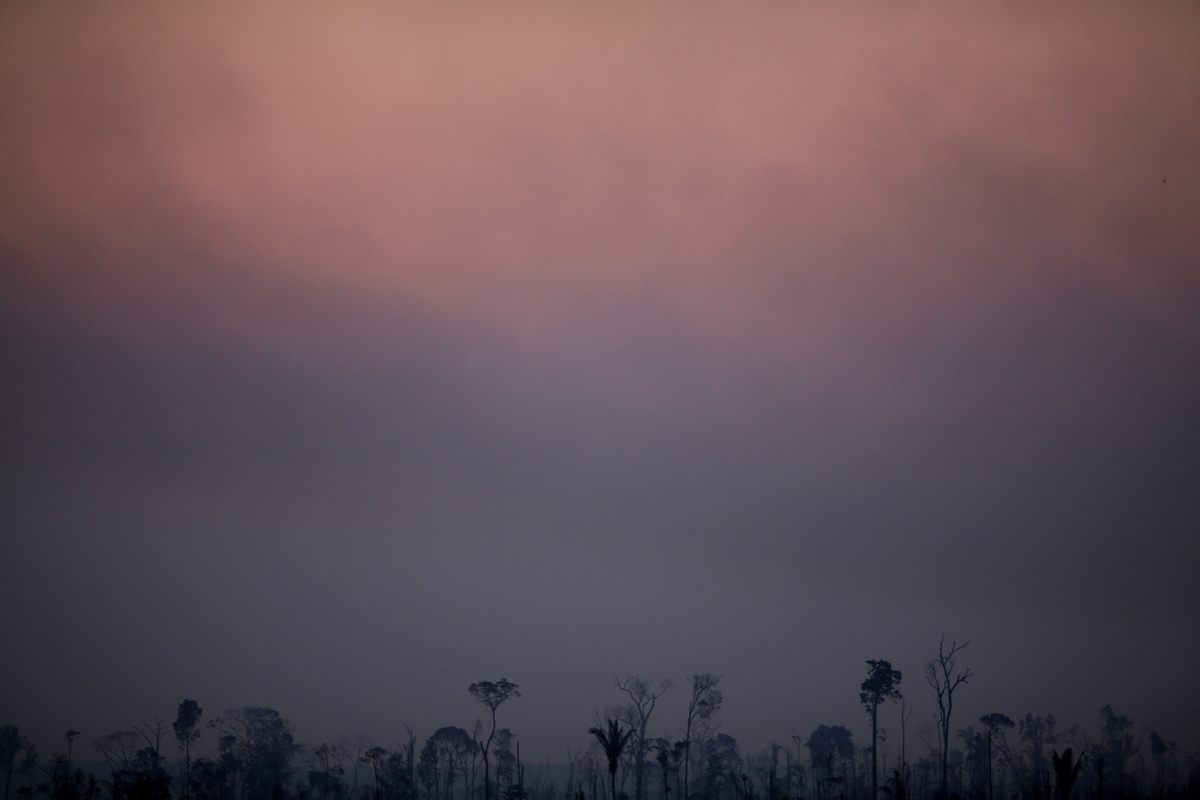
In the dry season ranchers and land speculators set fires to clear deforested woodland for pasture. Blazes can rage out of control, fueled by the swirling wind and dry foliage. Wildlife flee from the smoke and flames.
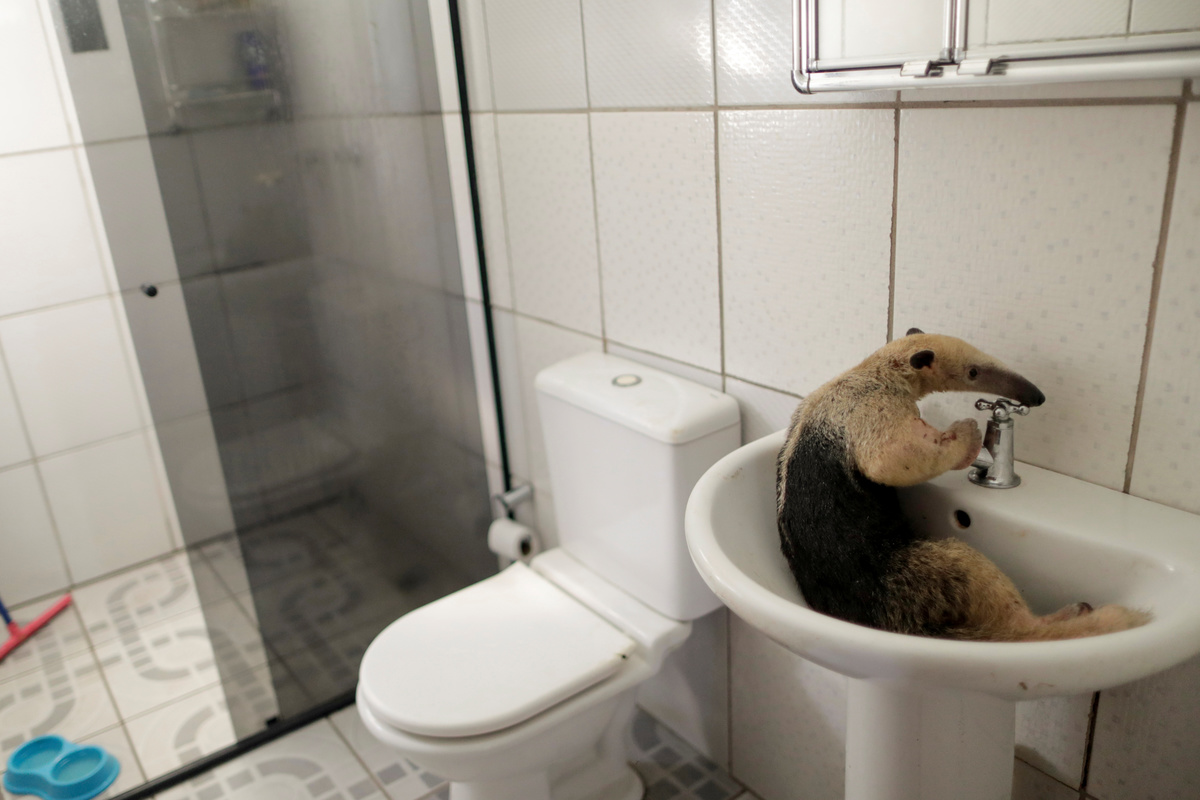
An anteater rests in a bathroom sink while receiving treatment at veterinarian of the state environmental police Marcelo Andreani's house, near Porto Velho, Rondonia State, Brazil, August 19, 2020. REUTERS/Ueslei Marcelino
Weak and dying animals arrive at Tiburcio's clinic where four volunteers work tirelessly to save them.
"This time of year, when fires are constant due to the absence of rain, the animals seek shelter in desperation to escape death and end up in the city, putting themselves at risk of being run over or captured," said Marcelo Andreani, whose job is to rescue injured animals and bring them to the clinic.
"Human respect for nature is ending," lamented Andreani, who works for the state environmental police.
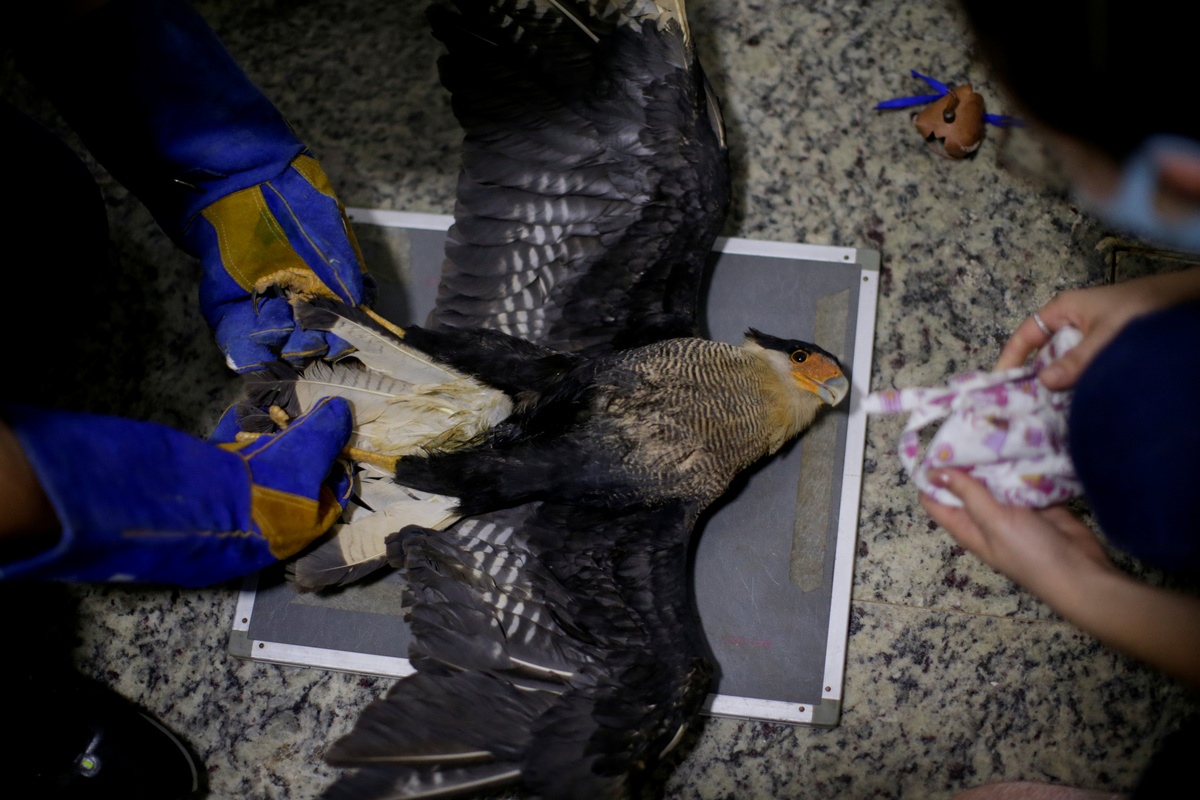
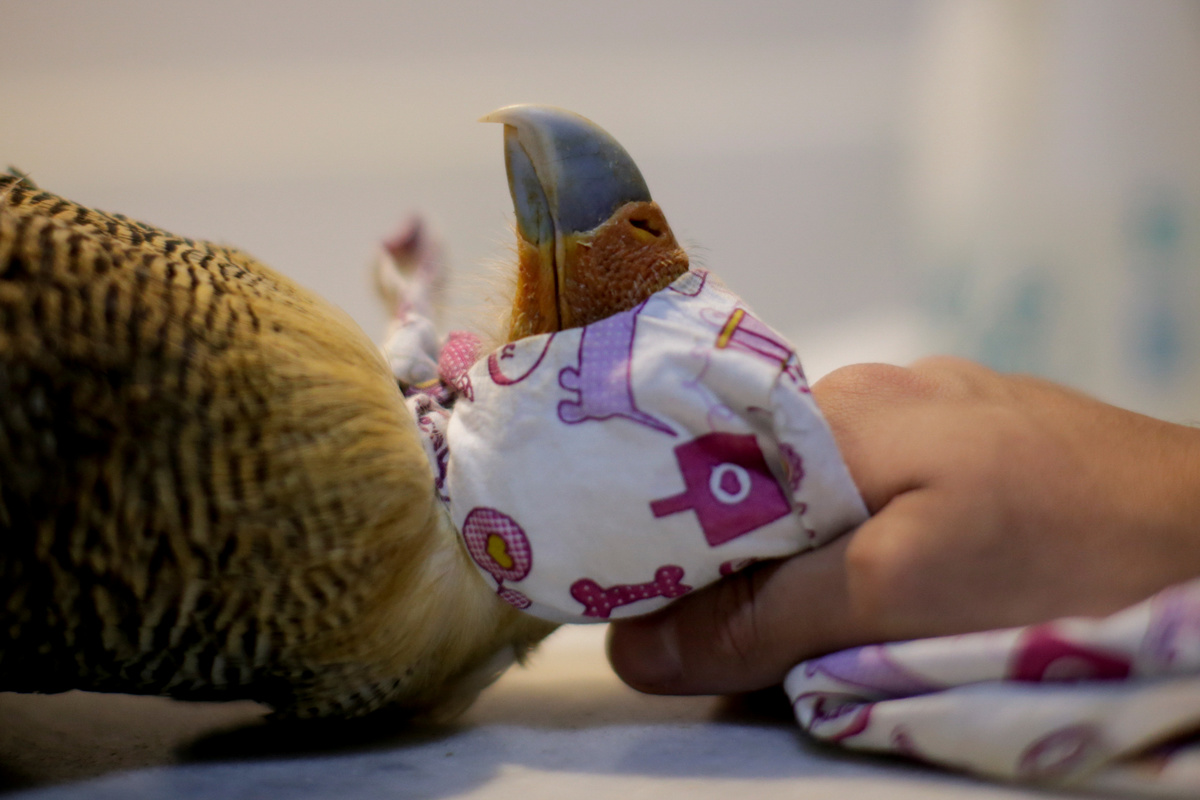
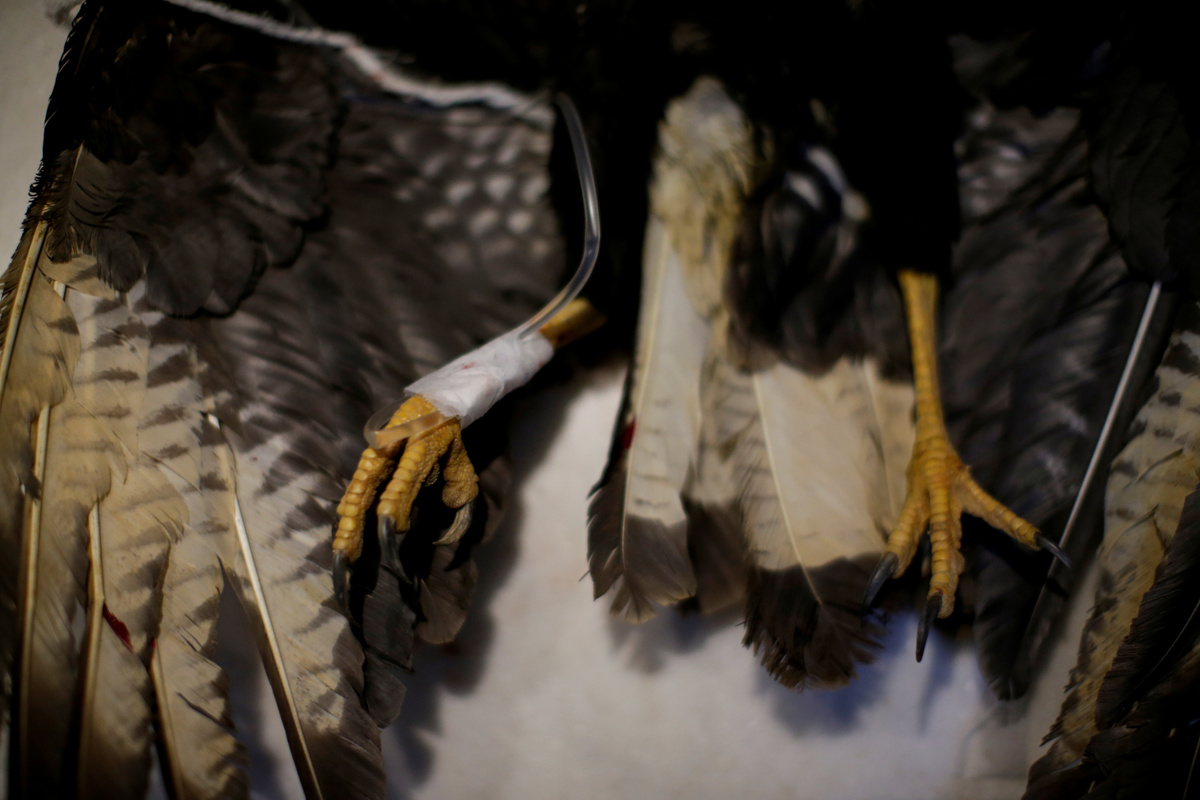
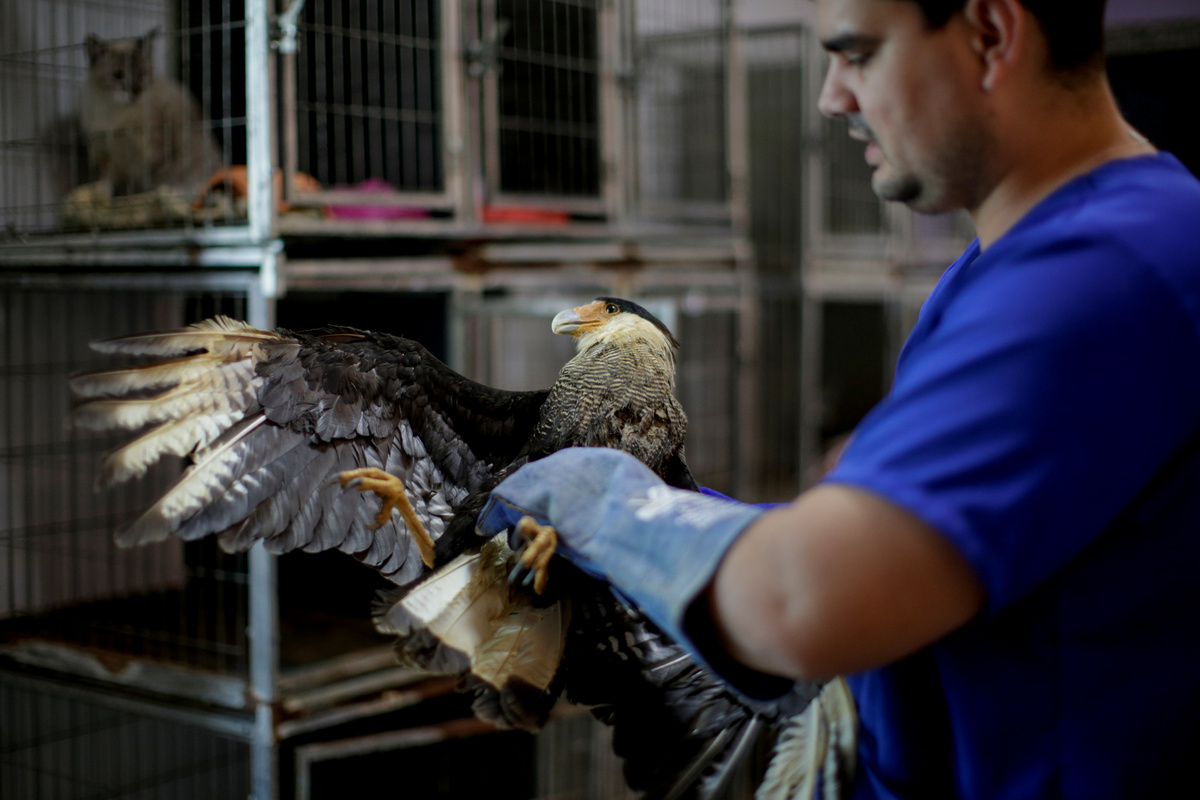
Veterinarian Carlos Henrique cares for a Caracara hawk with symptoms of food infection at the Clinidog veterinary clinic near Porto Velho, Rondonia State, Brazil August 24, 2020. REUTERS/Ueslei Marcelino
The team diagnoses Xita, a Rondon's marmoset, with a traumatic brain injury. She is wrapped and fed, and her condition slowly improves. Sadly, her baby doesn't make it.
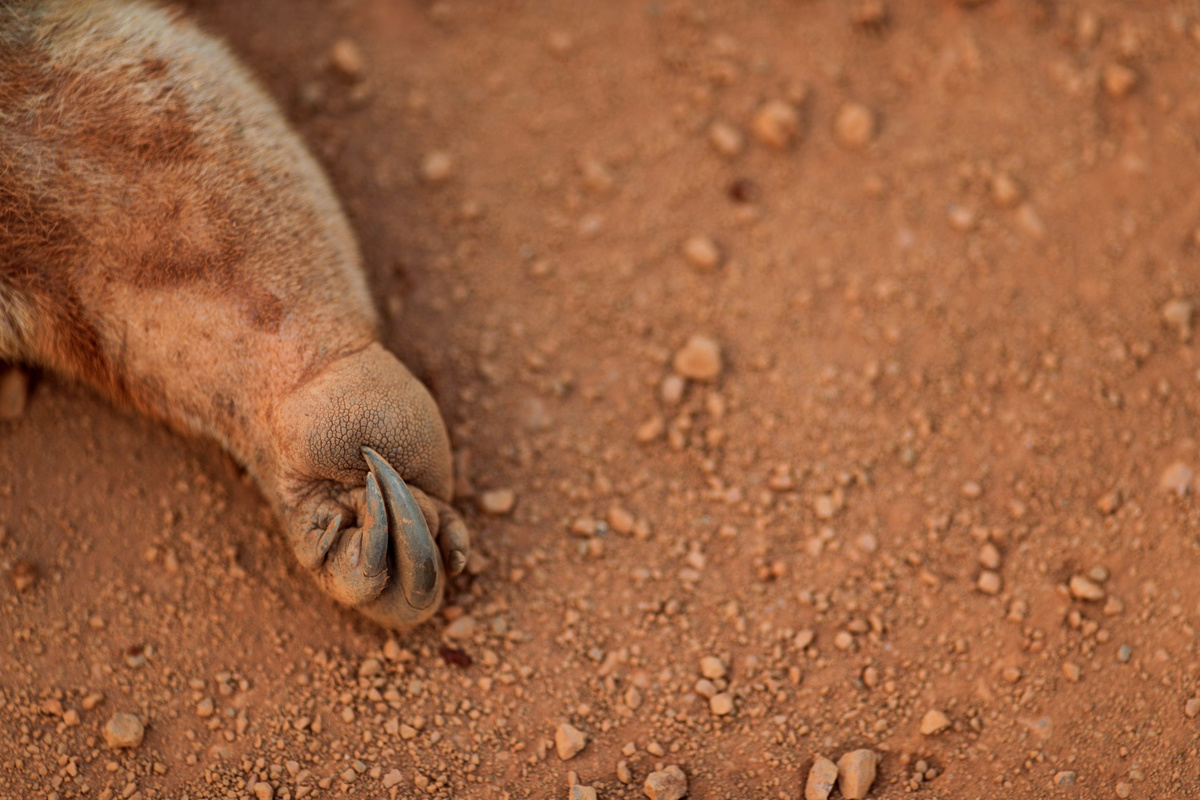
An anteater arrived with a broken left paw after a clash with a fierce porcupine. The patient had been found hiding in a garage and, again, the vets think it might have been fleeing fires as anteaters rarely turn up in the city.
The fracture required surgery. Under anesthetic, a giant tongue rolled out of the anteater's mouth, earning it the affectionate nickname Linguaruda, or Long-tongue.
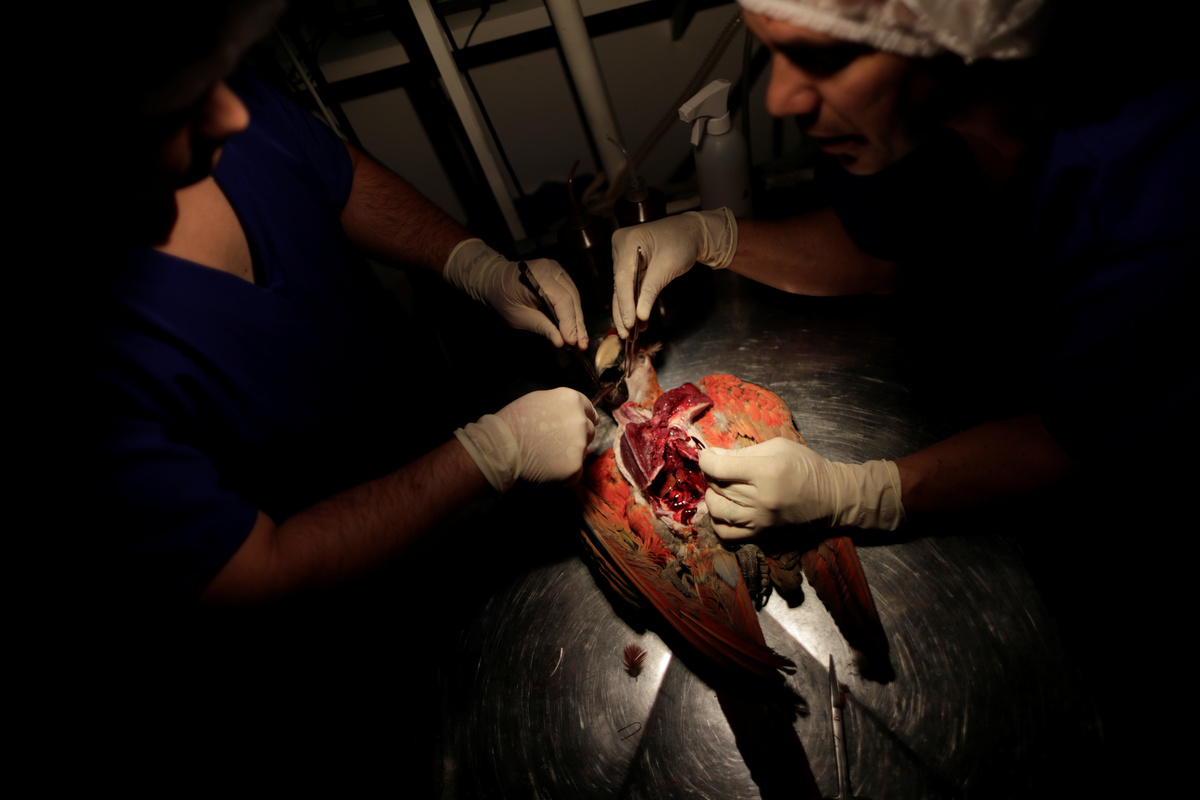
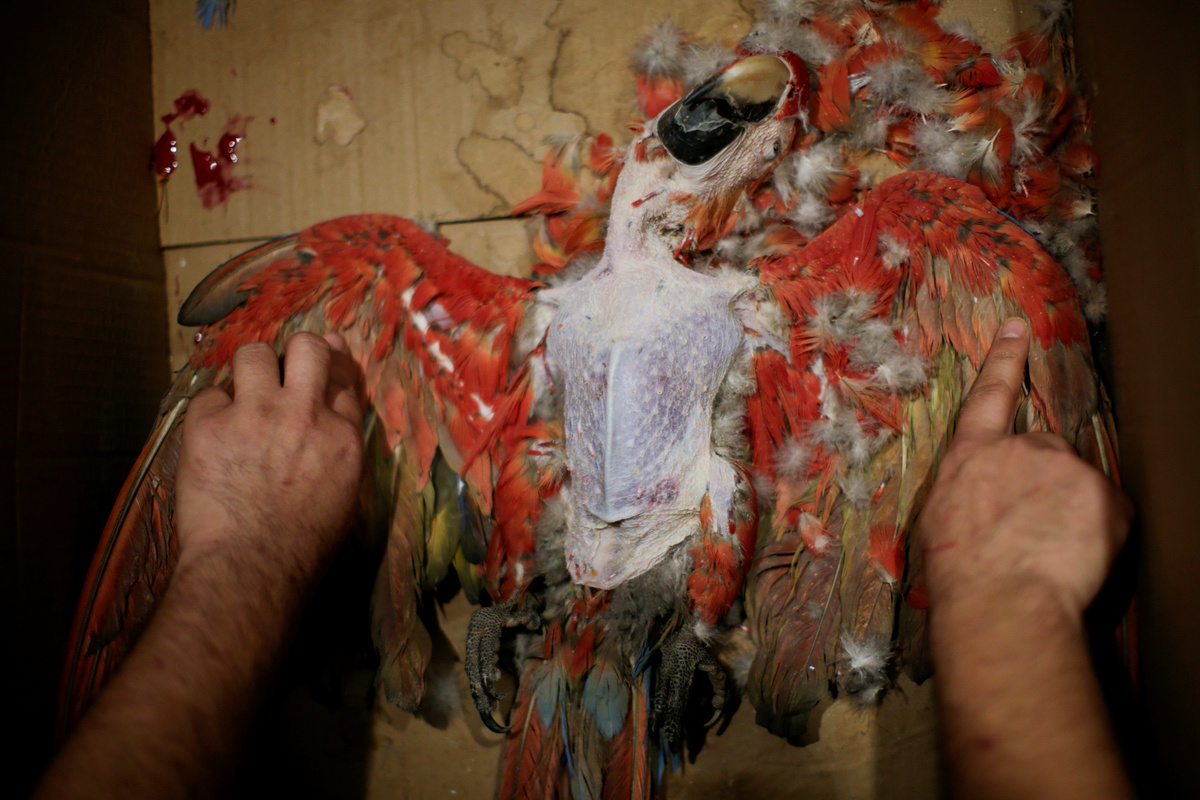
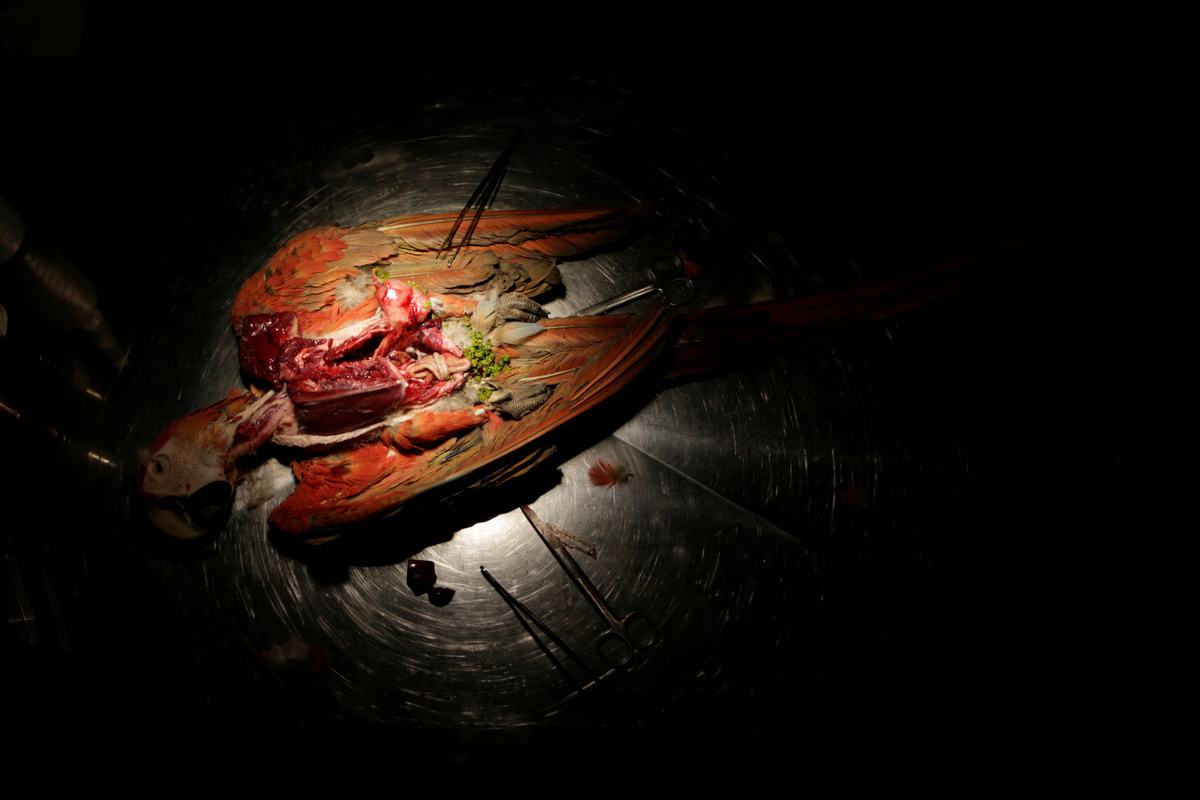
Red macaw undergoes a necropsy procedure at the Clinidog veterinary clinic, after it was brought in weak and sick at the headquarters of the state environmental police in Porto Velho, Rondonia State, Brazil, August 21, 2020. REUTERS/Ueslei Marcelino
After surgery, one of the vets took Linguaruda home to keep a closer eye on her recovery. At one point, she climbed into the bathroom sink to rest.
In five days, Linguaruda was strong enough to return to the wild - the best outcome her rescuers could wish for.
"Our personal and professional satisfaction is immense when we manage to save a life, especially when we manage to rehabilitate an animal and return it to nature," Tiburcio said.
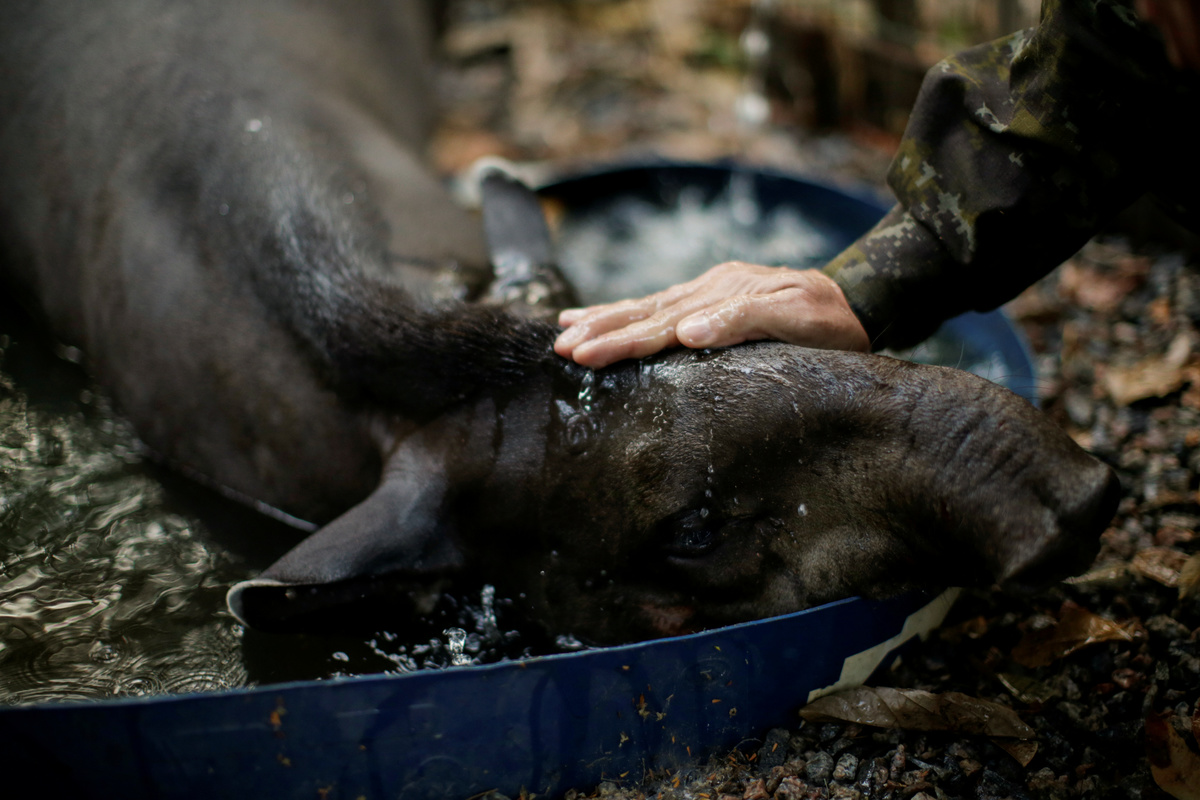
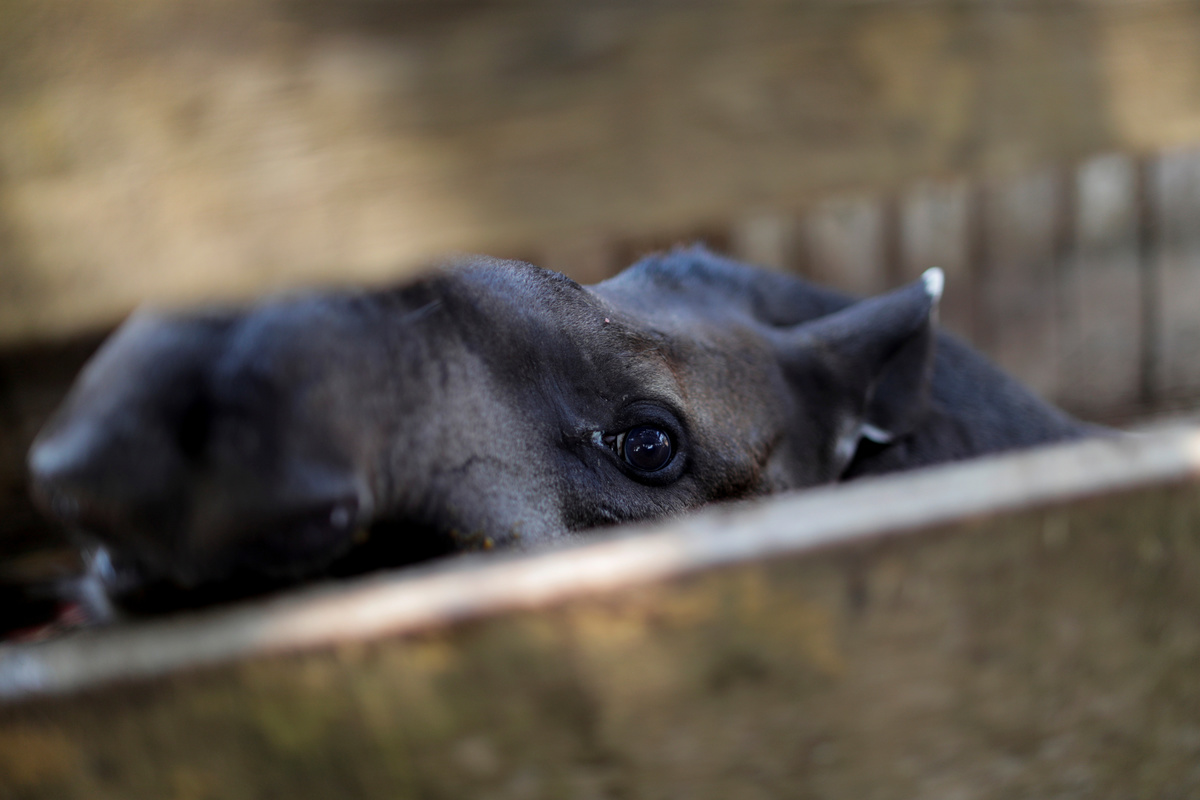
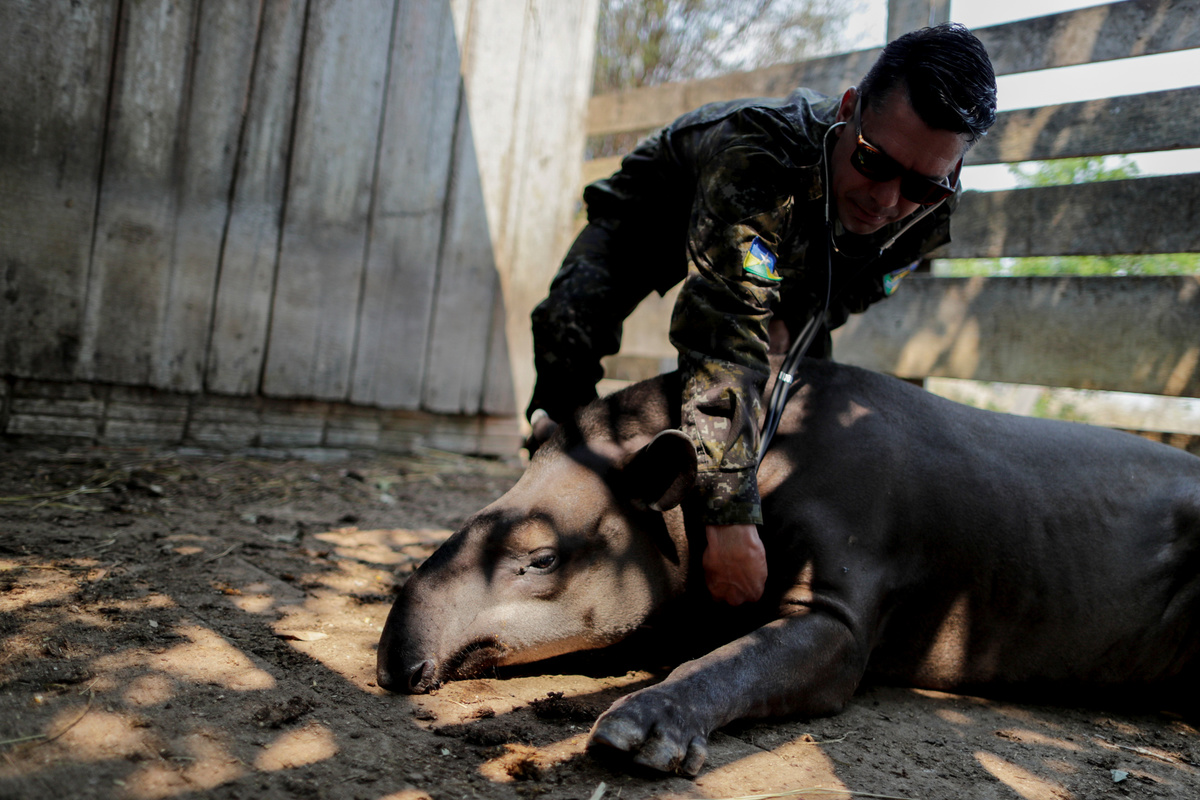
Marcelo Andreani, 40, a veterinarian of the state environmental police, touches a tapir's head after rescuing it from an illegal captivity, near Porto Velho, Rondonia State, Brazil, August 18, 2020. REUTERS/Ueslei Marcelino
"I look at the sky and say, 'Thank you, Father, for everything you did for (me) to be the Lord's instrument."
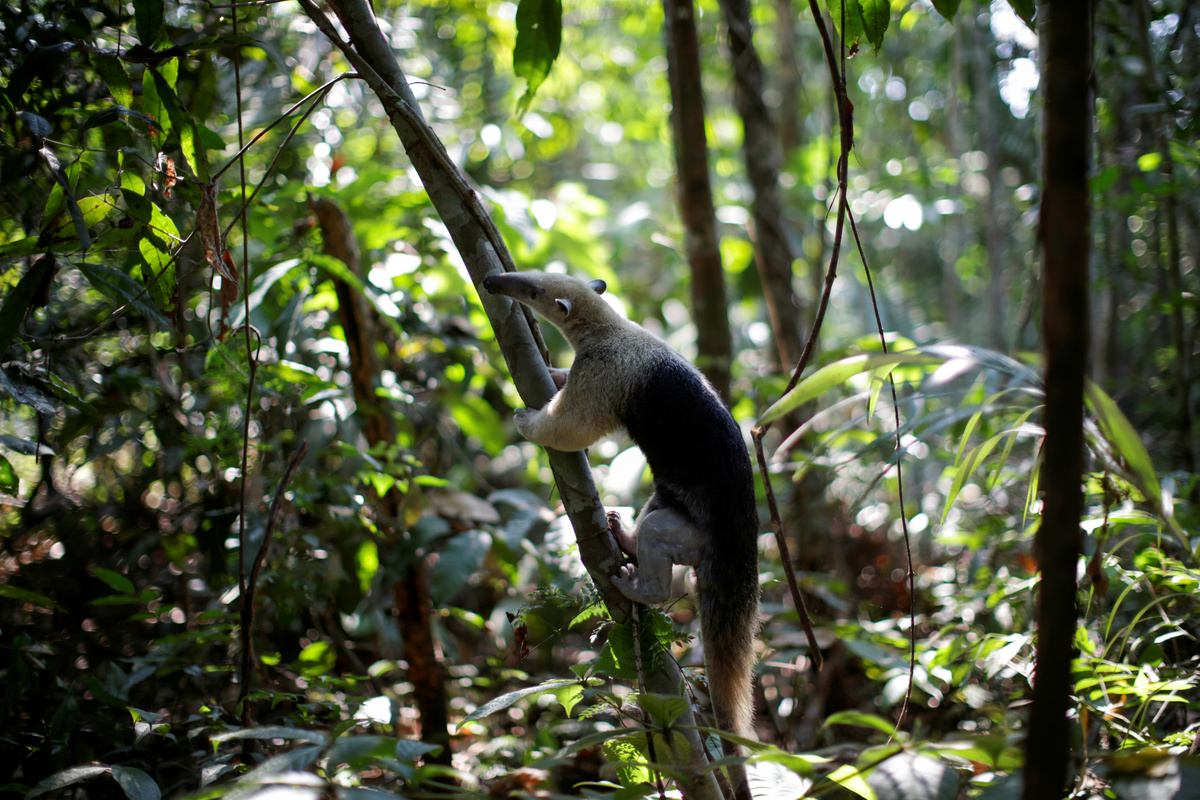
Linguaruda was freed near a forest trail, where it eagerly clambered among the trees once more.
Veterinarian Carlos Henrique cares for a Caracara hawk with symptoms of food infection at the Clinidog veterinary clinic near Porto Velho, Rondonia State, Brazil August 24, 2020. REUTERS/Ueslei Marcelino
(Reporting by Ueslei Marcelino; Writing by Stephen Eisenhammer; Editing by Richard Chang)
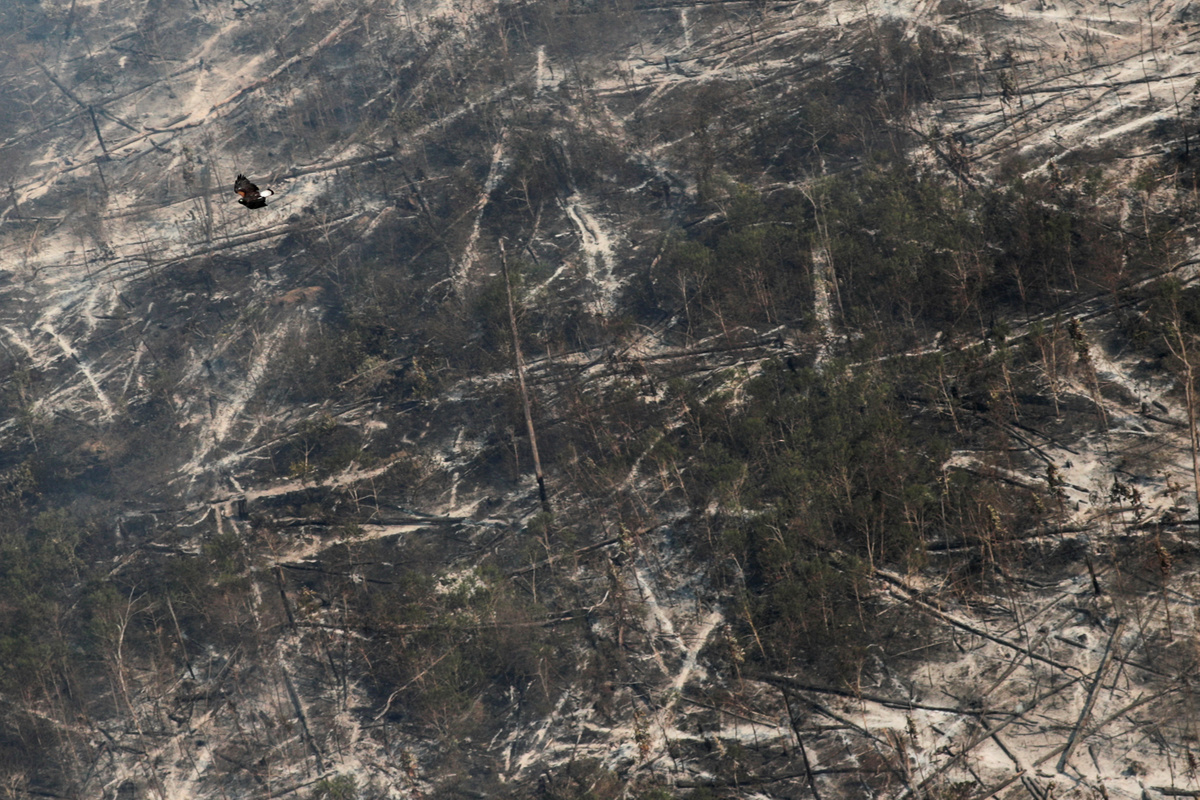
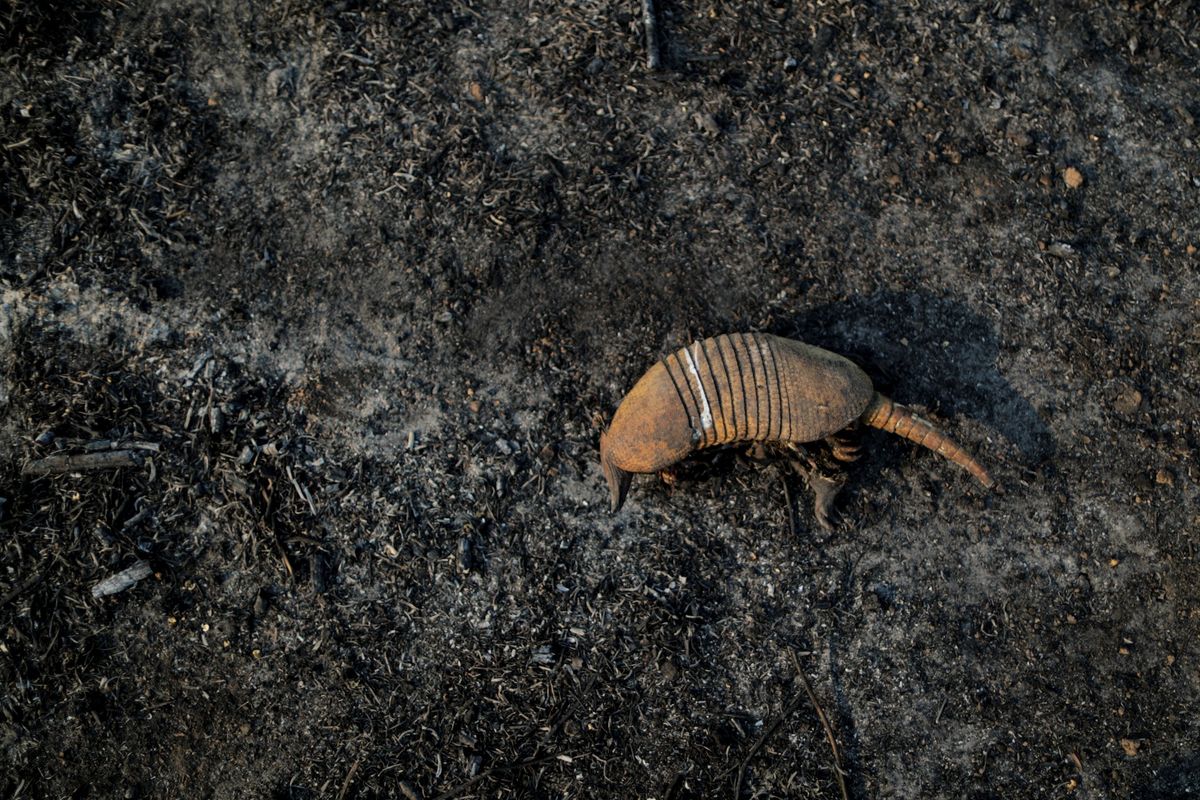
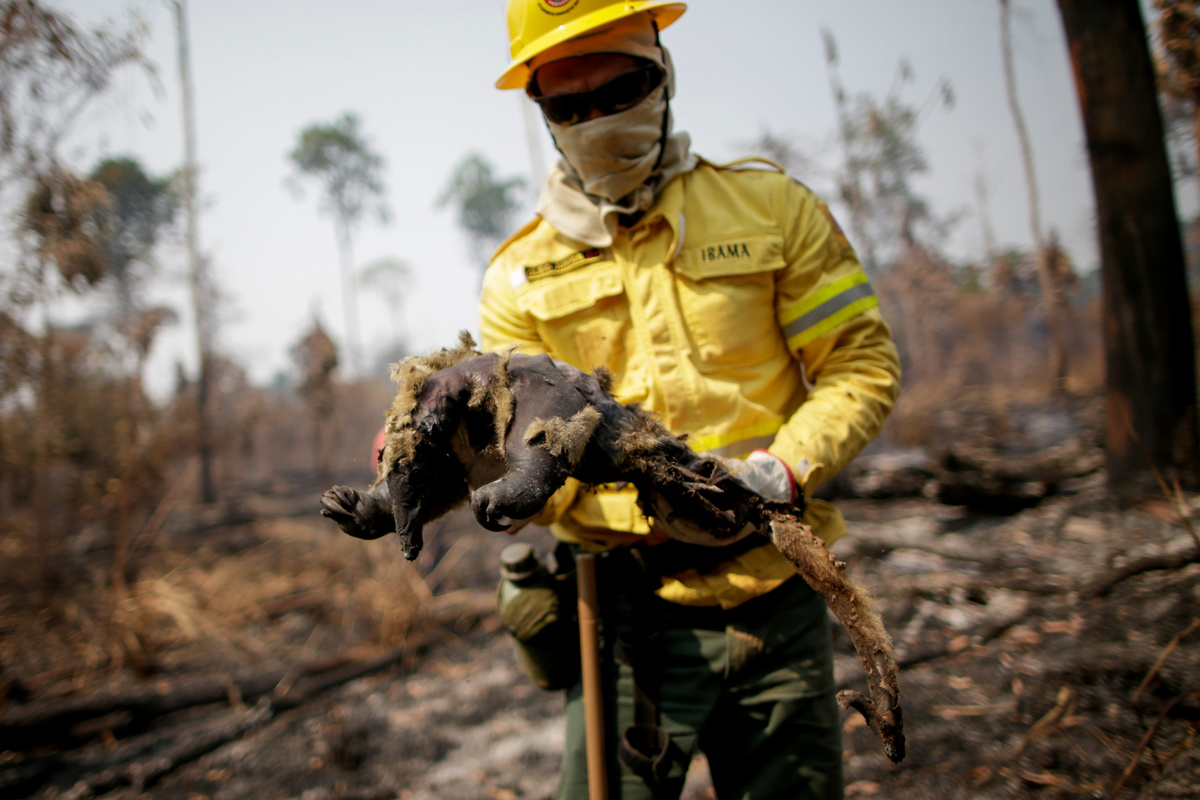
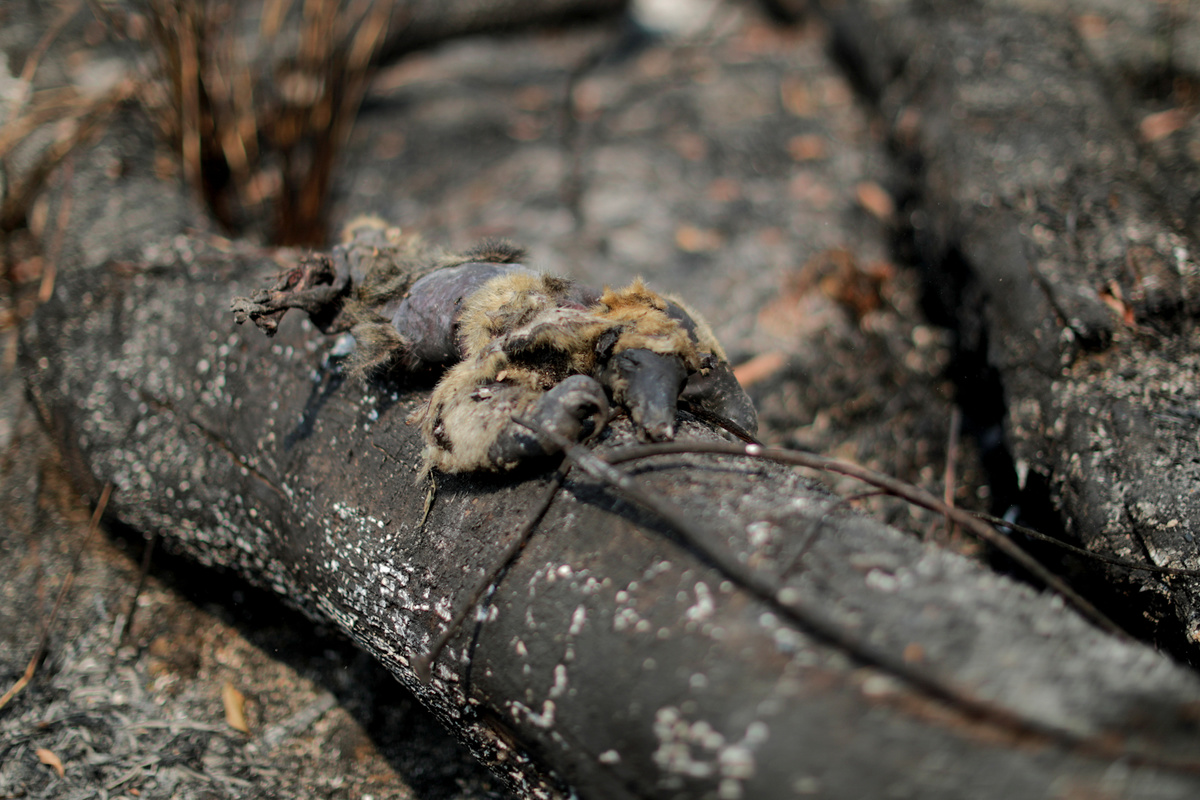
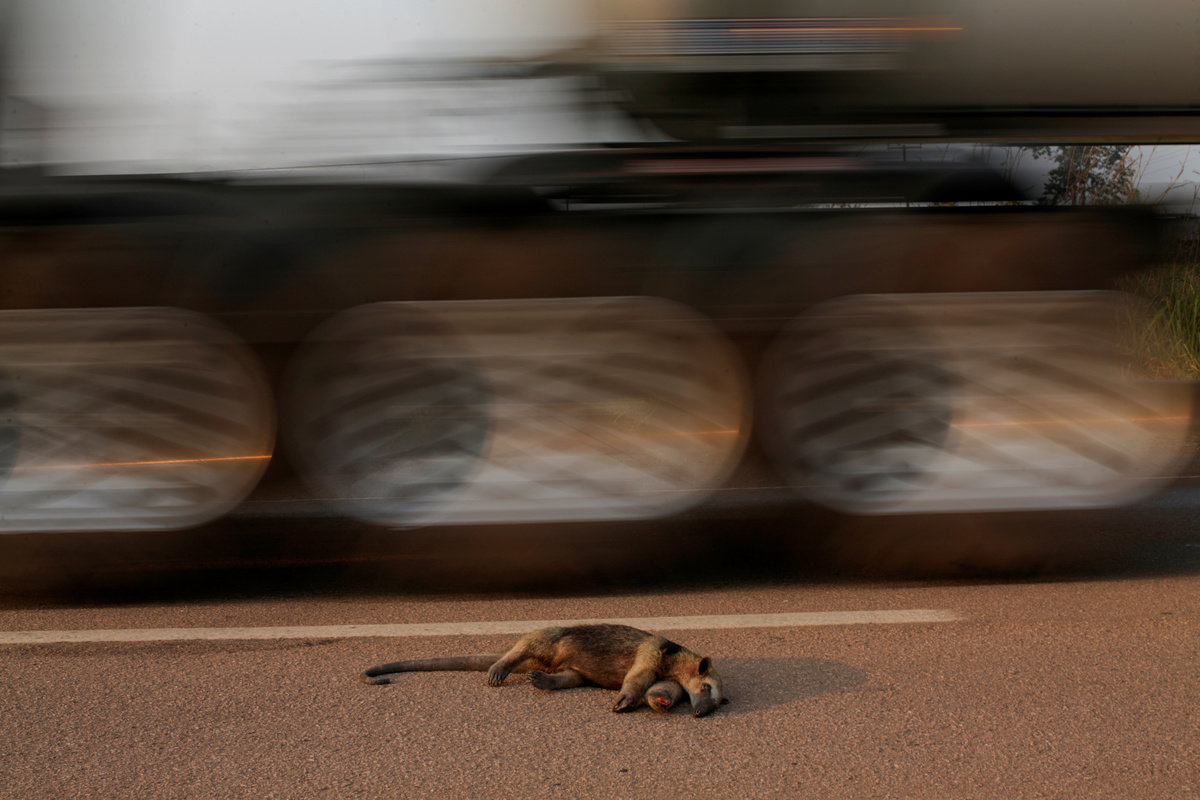
Red macaw undergoes a necropsy procedure at the Clinidog veterinary clinic, after it was brought in weak and sick at the headquarters of the state environmental police in Porto Velho, Rondonia State, Brazil, August 21, 2020. REUTERS/Ueslei Marcelino A hawk flies over a tract of burnt Amazon jungle near Porto Velho, Rondonia State, Brazil August 14, 2020. REUTERS/Ueslei Marcelino Veterinarian Carlos Henrique cares for a Caracara hawk with symptoms of food infection at the Clinidog veterinary clinic near Porto Velho, Rondonia State, Brazil August 24, 2020. The weak and the dying animals arrive at the clinic where a group of four volunteers work tirelessly to try and save them. REUTERS/Ueslei Marcelino A tract of the Amazon jungle is seen near Ouro Preto, Rondonia State, Brazil, August 20, 2019. In the dry season ranchers and land speculators set fires to clear deforested woodland for pasture. REUTERS/Ueslei Marcelino A burning tract of the Amazon jungle is seen near Apui, Amazonas State, Brazil, August 11, 2020. REUTERS/Ueslei Marcelino A dead armadillo is seen at a burning tract of the Amazon jungle near Porto Velho, Rondonia State, Brazil, August 17, 2020. REUTERS/Ueslei Marcelino Cleio Junior, a fire brigade member of Brazilian Institute for the Environment and Renewable Natural Resources (IBAMA) holds a dead anteater while attempting to control hot points in a tract of the Amazon jungle near Apui, Amazonas State, Brazil, August 11, 2020. "I feel enormous cruelty," Junior said. REUTERS/Ueslei Marcelino A recovered anteater is released in Amazon forest after receiving veterinary treatment by a veterinarian of the state environmental police Marcelo Andreani and the owner of the veterinary clinic Clinidog Carlos Henrique, near Porto Velho, Rondonia State, Brazil, August 19, 2020. REUTERS/Ueslei Marcelino Veterinarian Carlos Henrique Tiburcio cares for a Caracara hawk with symptoms of food infection at the Clinidog veterinary clinic near Porto Velho, Rondonia State, Brazil August 24, 2020. REUTERS/Ueslei Marcelino Veterinarian Carine Hanna takes care of Xita, a Rondon's marmoset, who was rescued by the state environmental police after giving birth, at the Clinidog veterinary clinic, in Porto Velho, Rondonia State, Brazil, August 24, 2020. REUTERS/Ueslei Marcelino A dead anteater is placed on a burnt log while fire brigade members of Brazilian Institute for the Environment and Renewable Natural Resources (IBAMA) attempt to control hot points in a tract of the Amazon jungle near Apui, Amazonas State, Brazil, August 11, 2020. REUTERS/Ueslei MarcelinoA dead anteater lies on the road near the burning tract of the Amazon jungle, near Mirante do Norte, Rondonia State, Brazil August 18, 2020. REUTERS/Ueslei Marcelino A dead anteater lies on the road near the burning tract of the Amazon jungle, near Mirante do Norte, Rondonia State, Brazil August 20, 2020. REUTERS/Ueslei Marcelino Red macaw undergoes a necropsy procedure at the Clinidog veterinary clinic, after it was brought in weak and sick at the headquarters of the state environmental police in Porto Velho, Rondonia State, Brazil, August 21, 2020. REUTERS/Ueslei Marcelino Smoke billows in a burning area of the Amazon jungle near Apui, Amazonas State, Brazil, August 9, 2020. REUTERS/Ueslei Marcelino A tapir is seen in an illegal captivity on a farm before being rescued by the state environmental police, near Porto Velho, Rondonia State, Brazil August 18, 2020. REUTERS/Ueslei Marcelino Marcelo Andreani, 40, a veterinarian of the state environmental police, examines a tapir as it is being rescued from an illegal captivity at a farm and transferred to their headquarters, near Porto Velho, Rondonia State, Brazil, August 18, 2020. REUTERS/Ueslei Marcelino
Sign up to read this article
Read news from 100’s of titles, curated specifically for you.