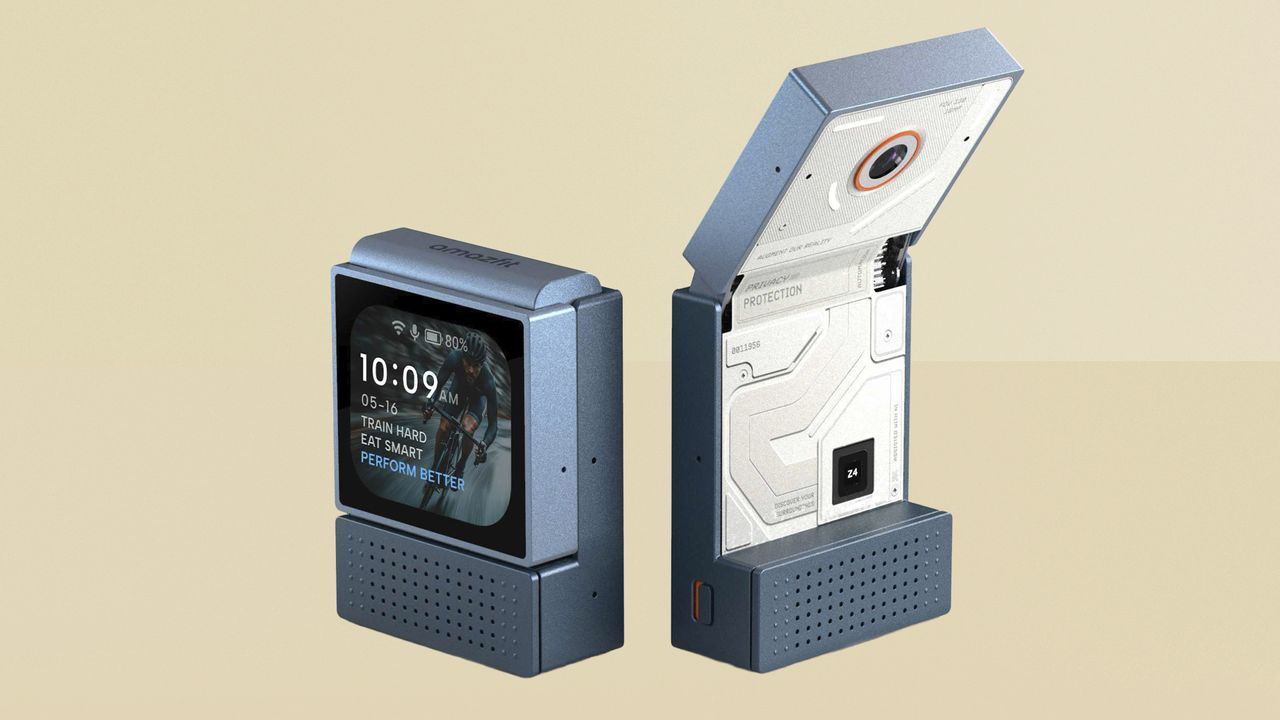
Amazfit, known for its affordable running watches and outdoor wearables, has introduced one of the most unusual ideas to appear at CES this year: a compact, flip-open food-logging camera designed to sit beside your plate and automatically record your meals.
The prototype is called V1TAL Food Camera, and it's meant to analyse real-world eating behaviour and link those insights to training, recovery, and health data inside the Zepp app.
Curiously, Garmin just announced its own take on the concept yesterday in the form of the Nutrition feature inside the Connect app. It logs food, suggests meal times, and seamlessly weaves together training and fuelling within the brand's ecosystem.
When opened, the V1TAL Food Camera has a distinctly futuristic feel, not unlike the handheld communicators seen in classic science-fiction shows.
In use, it is designed to be simple. You place it around 20–25 cm from your plate, activate Dining Mode, and eat normally.
Quiet observation
During the meal, the camera periodically captures images, then syncs them to the app where Amazfit’s software estimates ingredients, portion sizes, and even what is left over, with the option to make corrections if needed.
Amazfit says faces are blurred, no sound is recorded, and stresses that this remains a prototype.
The company positions V1TAL as an experiment in turning everyday meals into measurable inputs rather than something consumers can buy today.
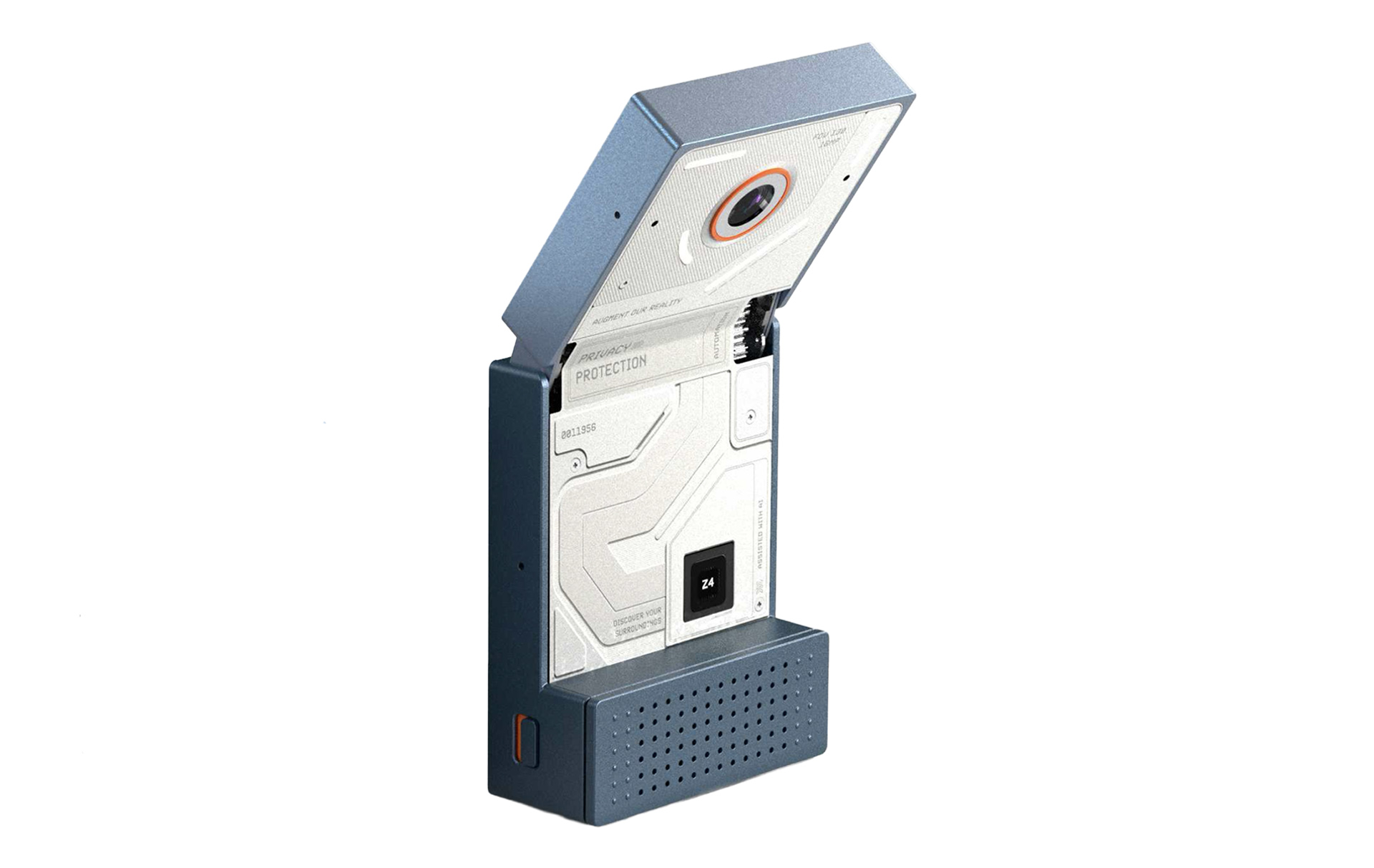
Described as an “early-stage concept” that expands Amazfit’s performance ecosystem, V1TAL would build on the photo-based food logging feature introduced in the Zepp app last year.
The units on display at CES are prototypes, and details such as design, features, pricing, and timing are still under development.
Looking beyond the plate
Beyond nutrition, Amazfit used CES to signal a broader vision for sports technology.
The brand also previewed Helio Glasses, a concept pair of lightweight sports glasses with a minimalist heads-up display designed to show pace, heart rate, and navigation data within the runner’s field of vision when paired with an Amazfit watch.
The company says the concept aims to help athletes stay focused and safer by reducing the need to glance down at their wrist during activity.
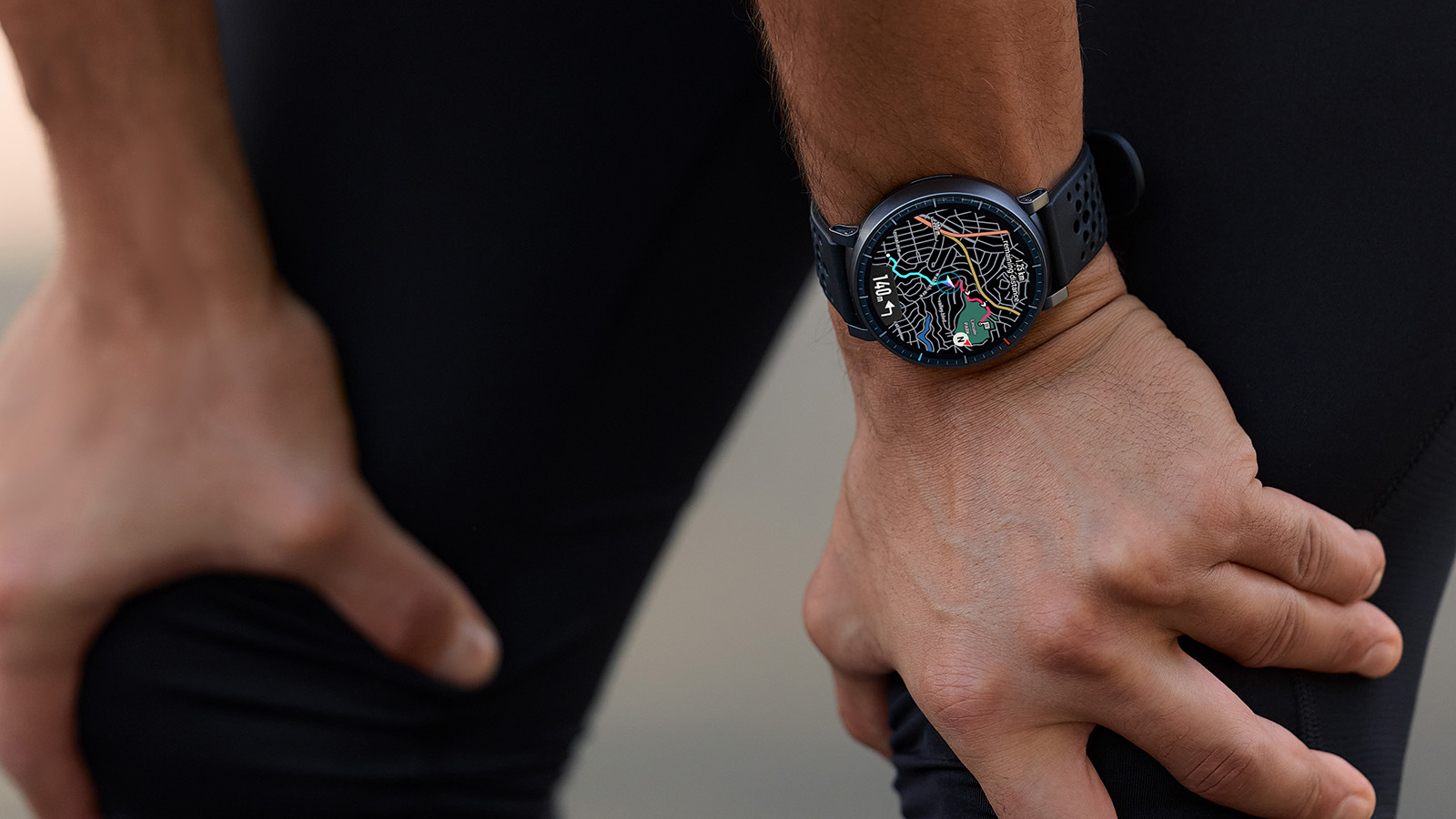
Amazfit additionally announced Active Max, a new smartwatch in the Active family featuring a 1.5-inch display, long battery life, 5 ATM water resistance, and more than 170 sport modes, positioned as an accessible performance watch for everyday training.
For now, V1TAL lives in the same space as most ambitious CES prototypes: intriguing, a little strange, and potentially transformative if the execution ever matches the concept.
Amazfit has clearly decided that nutrition should become measurable, pattern-driven, and contextual, just like heart rate or training load.
More info to follow in the coming months.