Alys Fowler and the Urban Pollinators Project - in pictures
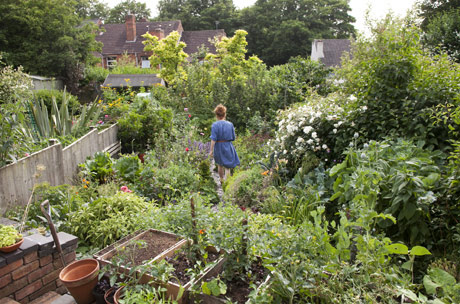
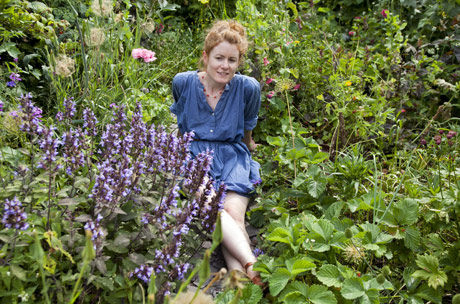
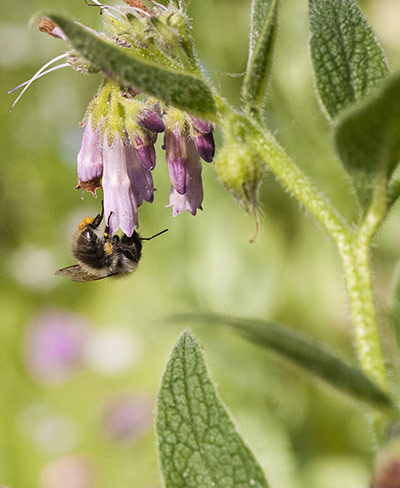
Alys Fowler pictured in her garden, which she has planted to provide as much food as possible for pollinating insects. Our native pollinators – bumbles and solitary bees, hoverflies, butterflies and moths, as well as the honeybee – are in decline as their traditional habitats such as lowland wildflower meadows are lost. Photograph: Sophia EvansThe Urban Pollinators Project is the largest study of pollinators in the UK so far. It has been running for three years in Edinburgh, Leeds, Reading and Bristol, and is a collaboration between universities, city councils and wildlife trusts. The project looks at three habitats: nature reserves, farms and cities, to create a systematic approach to understanding what lives where and why. Photograph: Sophia Evans“There is an awful lot of potential forage in cities,” Professor Jane Memmott from Bristol University says. “Bumblebee nest densities have been shown to be relatively high in gardens compared with some countryside habitats.” Photograph: Sophia Evans/Sophia Evans
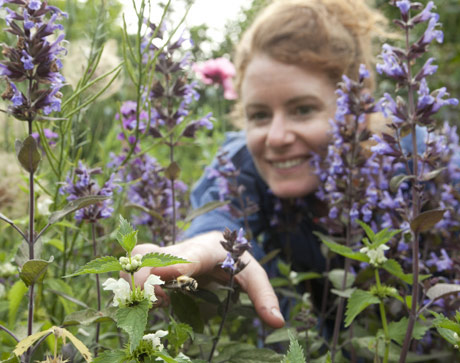
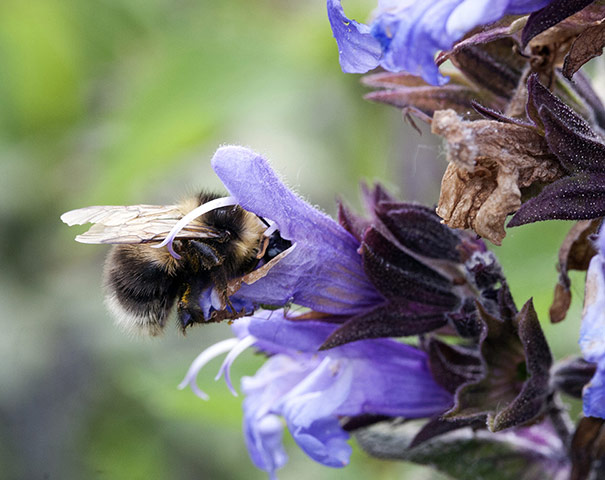
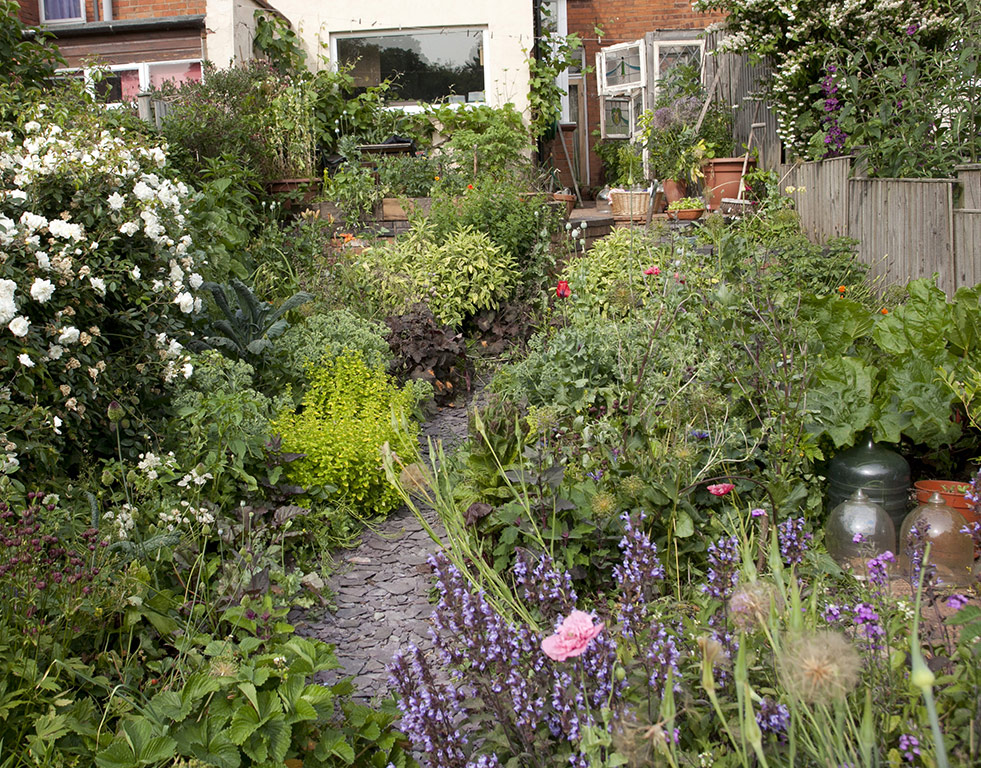
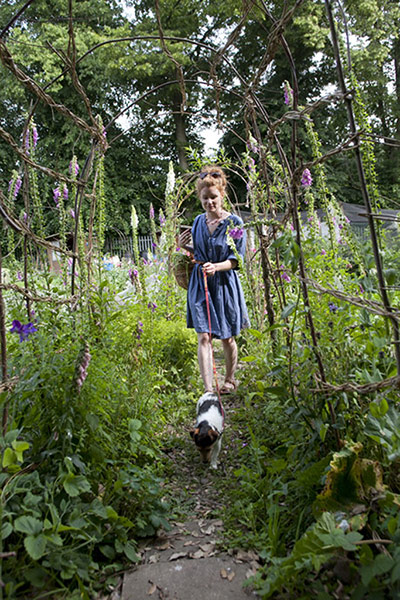
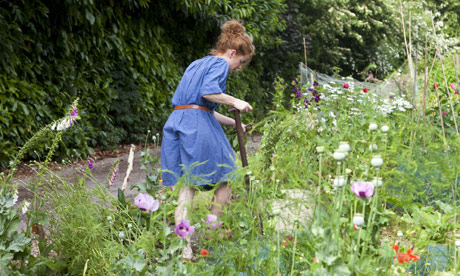
Alys Fowler's garden is packed full of plants that pollinators love. The Urban Pollinators Project has found that allotments and gardens are good for insects. The most visited plant species in all the urban habitats sampled were weeds such as dandelions and lawn daisies. Photograph: Sophia EvansThe Urban Pollinators Project has found some of the best garden plants for pollinators are English lavender (Lavandula angustifolia) and lavender hybrids, fuchsia, great masterwort (Astrantia major), cotoneaster, buddleia (Buddleja davidii) and shrubby cinquefoil (Potentilla fruticosa). Photograph: Sophia EvansAlys Fowler on her allotment. She edges paths with lawn daisies, which are excellent food plants for pollinators. If they start to colonise too much space Alys simply uproots them. Photograph: Sophia EvansAlys digging on her allotment. She recommends leaving some weeds around for pollinators to forage from. Alys grows creeping buttercups along the fence line and dead-nettles growing among her sage.Photograph: Sophia Evans/Sophia EvansTo read more about the Urban Pollinators Project, read Alys Fowler's feature and visit the Urban Pollinators Project blog.Photograph: Sophia Evans/Sophia Evans
Sign up to read this article
Read news from 100’s of titles, curated specifically for you.