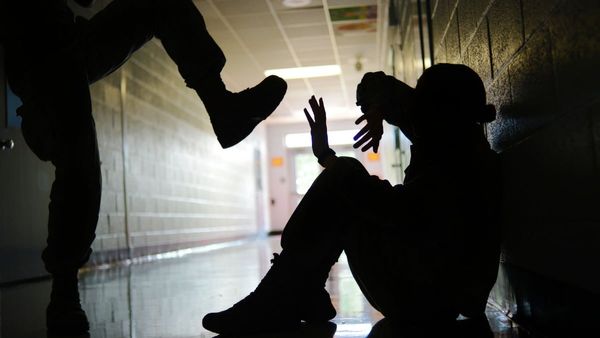
Some dances seem timeless; Jawole Willa Jo Zollar’s Shelter seems perennially timely. Created in 1988 in response to homelessness on the streets of New York, the piece was taken into the repertory of Alvin Ailey American Dance Theater in 1992. Zollar adapted it for her company performances in New Orleans, post-Katrina, and the Ailey company revived it again in 2017. Now showing in the online Ailey All Access season, it has become newly urgent during the coronavirus crisis.
Just 20 minutes long, it draws its power not from where it starts, but what it points to. Performed by six women (the company also perform an all-male version), it’s a ragged, scrabbling work, driven by Junior Wedderburn’s stuttering percussion and layered with spoken and sung texts that – like the bodies on stage – bring their own irregular rhythms. The opening scene, narrating the all-too-easy fall into homelessness, ends with a pivotal line: “It can happen to you, too.”
The sound of blues and chants tap another history of homelessness: of Africans uprooted to become Americans. The women clump and scatter, tense as fugitives. Buffeted by contrary forces, they stride with determined kicks only to tumble headlong; vertical jumps – a combination of launch and crouch – seem to heave upwards and downwards at once. As a voice urges “keep walking, keep walking” it is impossible not to think of today’s migration crisis, another flight from homelands.
Zollar offers some respite – a tender interlude in which the women become shelter for each other – but in the final section she turns the heat up again. “Hurricanes, earthquakes, droughts, fires, rain … admit how we are destroying this place.” Reprising one of the work’s gestural motifs, a woman arcs one pointing finger out from the stage, and we know: it is happening to us, too.
Shelter is available online until 27 August .