the breakdown
- Alpina officially joins the BMW Group, ushering in a new era as BMW Alpina.
- BMW promises to preserve Alpina’s heritage while evolving the brand.
- The challenge ahead: maintaining Alpina’s unique blend of luxury and performance.
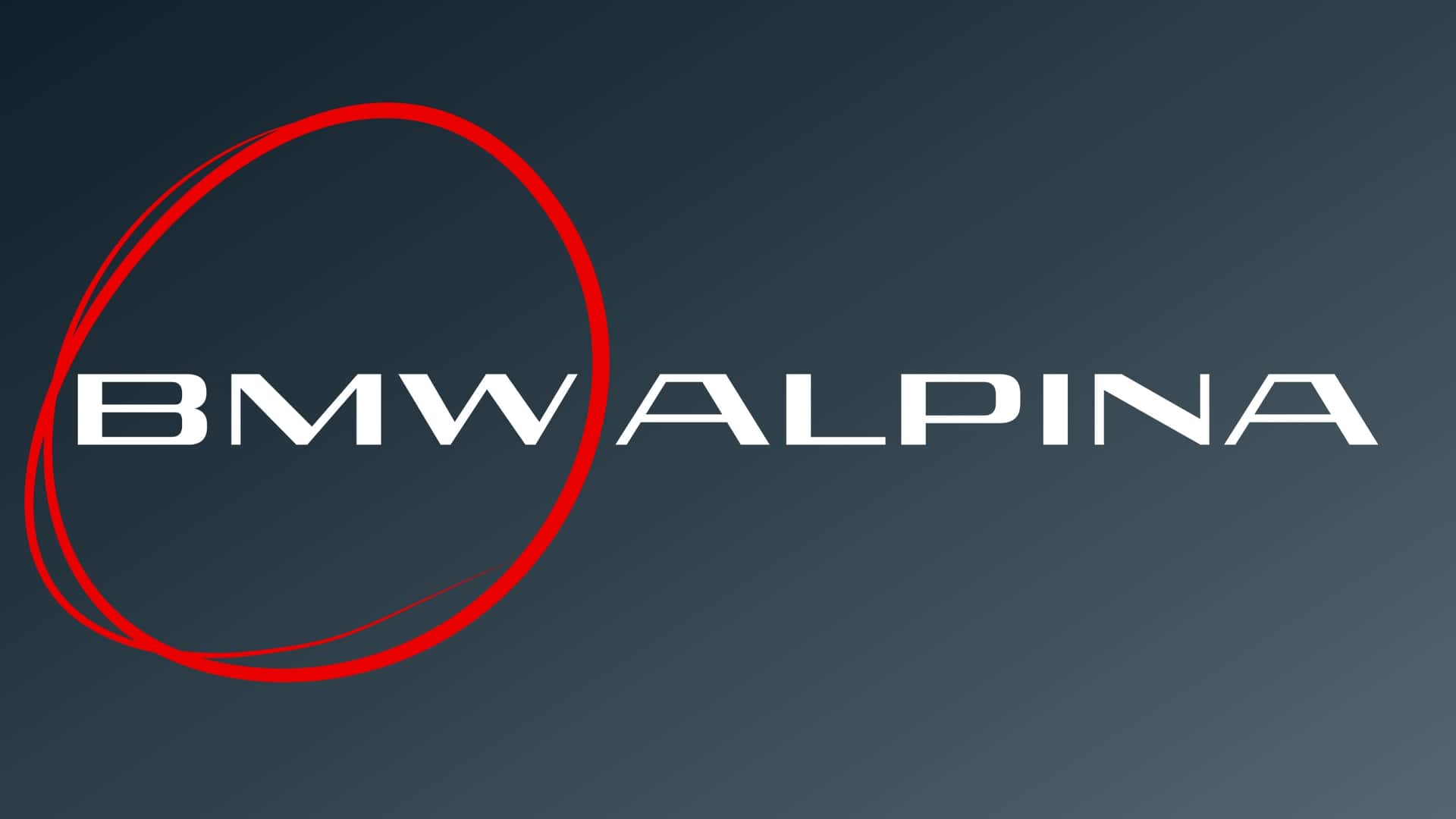
As of January 1, 2026, Alpina is officially part of the BMW Group. With the acquisition announced back in 2022 now complete, BMW has given its newly absorbed luxury marque a unique name: BMW Alpina.
This move marks the beginning of a new chapter for a brand that has long been synonymous with effortless performance and understated luxury. The big question, however, remains: can Alpina’s unique spirit survive under BMW Group ownership?
What Is BMW Alpina?

Alpina’s story begins with the Bovensiepen family, who started refining BMW vehicles in 1965. Over the decades, Alpina distinguished itself from standard BMW models by prioritizing luxury, refinement, and distinctive driving characteristics rather than outright aggression.
BMW is well aware of this legacy. According to the BMW Group, the company is committed to preserving what made Alpina special while carefully evolving the brand for a new era. Buyers of BMW Alpina models will have access to a wide range of bespoke upgrades, ensuring each car retains a strong sense of individuality.
One early indicator of this new direction is the freshly introduced wordmark. BMW describes it as "clear, calm, and confident," with a centrally positioned rear badge meant to emphasize the brand’s independence within the BMW Group. The design deliberately references the asymmetrical Alpina lettering of the 1970s, blending heritage cues with a modern aesthetic.
BMW also emphasizes that BMW Alpina vehicles will be developed with exceptional attention to detail and craftsmanship. The goal is to create cars for true enthusiasts—drivers who value performance, comfort, and composure in equal measure, and who expect something beyond the ordinary.
BMW & Alpina: A Match Made in Heaven?
By bringing Alpina into the BMW Group, the brand has secured its future. Not only that, but now Alpina has access to BMW's modern technology, engineering resources, and global infrastructure, which should help lay the foundation for a promising future for BMW Alpina.
Still, some skepticism is inevitable. Questions remain about whether a massive corporate structure like BMW Group can truly capture the subtle qualities that made Alpina models so special in the first place.
The move also invites comparisons to AMG’s evolution at Mercedes-Benz. Like Alpina, AMG began as an independent tuner before being fully absorbed by a major manufacturer. While AMG successfully retained its performance-first identity, Alpina faces a slightly different challenge: preserving its distinctive blend of luxury and performance without losing its soul.
Whether BMW Alpina can honor that heritage while moving forward is something only time—and the cars themselves—will ultimately reveal.