
Alphabet (NASDAQ: GOOGL) has spent the past two years making one bold move after another in the AI race. From the Gemini model family to its 8th-generation TPU architecture, to Google Cloud's explosive 63% revenue growth to a $460 billion cloud backlog, the company has systematically built the world's most vertically integrated AI platform.
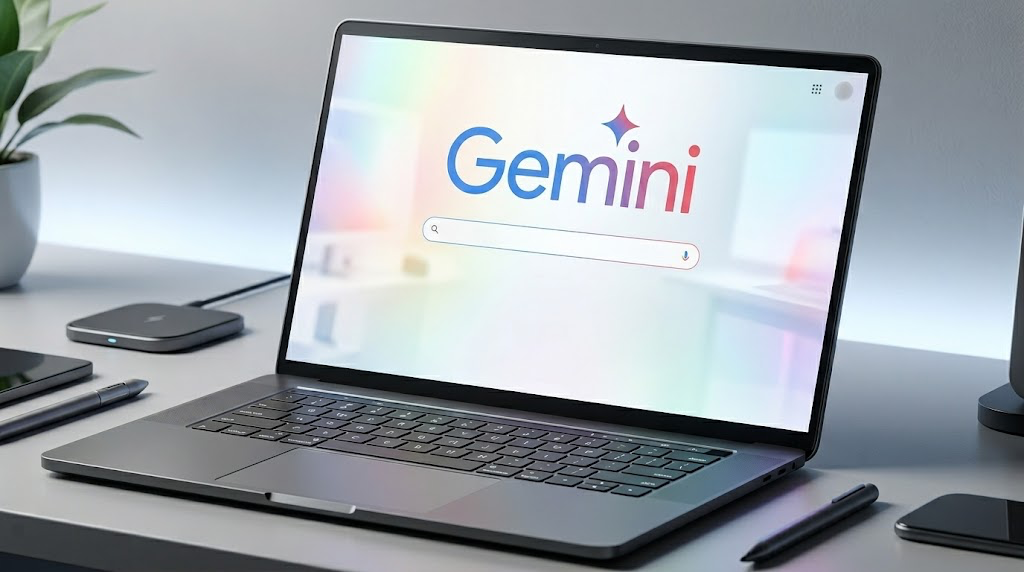
On May 12, it added another layer to that stack. Alphabet unveiled the Googlebook, a new line of AI-native laptops that marks its most direct move into consumer PC hardware in company history.
What the Googlebook Actually Is
Announced at Google's virtual Android Show: I/O Edition event on May 12, the Googlebook is a new class of laptop built from the ground up around Gemini Intelligence. It is far from a simple Chromebook refresh. Google is transitioning away from ChromeOS entirely, replacing it with an Android-based operating system that embeds Gemini at its foundation.
The Googlebook runs Android apps natively, allows users to access their phone's files directly from the laptop, and features the Magic Pointer. This new input method summons Gemini simply by wiggling the cursor. A glowbar on the exterior of each device signals the AI layer underneath.
Hardware partners include Acer (OTCMKTS: ACEYY), Asus (OTCMKTS: ASUUY), Dell (NYSE: DELL), HP (NYSE: HPQ), and Lenovo (OTCMKTS: LNVGY), meaning the Googlebook launches as a platform rather than just a single device. The first models are expected in the fall of 2026.
Why the Move Makes Sense
Fifteen years after introducing the Chromebook, Google is making a pivot that reflects exactly where the technology landscape is heading. The PC is no longer primarily a productivity device. It is increasingly an AI interface, and whichever company controls that interface controls the on-ramp to its broader AI ecosystem. Microsoft (NASDAQ: MSFT) understood this early with its Copilot+ PC initiative, launched in 2024. And the Googlebook is Alphabet's direct answer.
The strategic logic is compelling, and the Googlebook seems like a natural progression. Google has three billion users across its Workspace and consumer app ecosystem. It has Gemini, one of the world's most capable frontier AI models. It has Android, the world's most widely deployed mobile operating system. The Googlebook fuses all three into a single hardware experience, giving Google a native distribution channel for Gemini Intelligence that no third-party device can replicate with the same depth of integration. For investors, it is another example of Alphabet expanding the surface area over which it can monetize its AI investment.
The Momentum Behind the Stock
The announcement of the Googlebook did not arrive in isolation or without merit. It came at a moment when Alphabet's fundamental momentum is as strong as it has ever been. Q1 2026 revenue grew 22% year over year to $109.9 billion, the fastest growth rate since 2022, beating the $106.98 billion consensus. Earnings per share of $5.11 crushed the $2.64 estimate. Google Cloud hit $20.03 billion in quarterly revenue, up 63% year over year, crossing the $20 billion quarterly threshold for the first time. The cloud backlog stands at over $460 billion. Paid subscriptions across Google services have reached 350 million, and Gemini Enterprise's monthly active users grew 40% quarter over quarter.
The stock is up more than 25% year to date, firmly outperforming the broader market and now boasting an incredible market cap of $4.8 trillion.
And another catalyst looms: Google I/O takes place on May 19, just days away, and is expected to feature Gemini 4, AI glasses, and a broader range of consumer and enterprise AI announcements that will further flesh out what was previewed at the Android Show this week.
What to Watch Going Forward
The Googlebook has established a new hardware distribution channel for Gemini and Alphabet, and it arrives at a time when all of its other AI-related divisions are experiencing whopping momentum. The announcement also arrives at a time when Alphabet remains the only company with the silicon, models, cloud infrastructure, and consumer reach to compete across every layer of the AI stack at once. That combination is hard to find anywhere else in the market.
The current consensus price target of $410 across 54 analysts implies only modest near-term upside of about 3% from current levels. However, with Google I/O on May 19 serving as the next major catalyst, a fresh round of target raises could follow.
Where Should You Invest $1,000 Right Now?
Before you make your next trade, you'll want to hear this.
MarketBeat keeps track of Wall Street's top-rated and best performing research analysts and the stocks they recommend to their clients on a daily basis.
Our team has identified the five stocks that top analysts are quietly whispering to their clients to buy now before the broader market catches on... and none of the big name stocks were on the list.
They believe these five stocks are the five best companies for investors to buy now...
The article "Alphabet's Googlebook Brings Gemini AI to PC Hardware" first appeared on MarketBeat.